How to Properly Clean a Laminar Flow Hood
Cleaning a laminar flow hood is essential to maintain sterile conditions and ensure the safety of your work environment. Proper cleaning not only extends the lifespan of the equipment but also protects your sensitive samples and experiments from contamination. This guide will equip you with a comprehensive, step-by-step process to effectively clean your laminar flow hood, ensuring optimal performance and compliance with safety standards.
Understanding the Importance of Cleaning
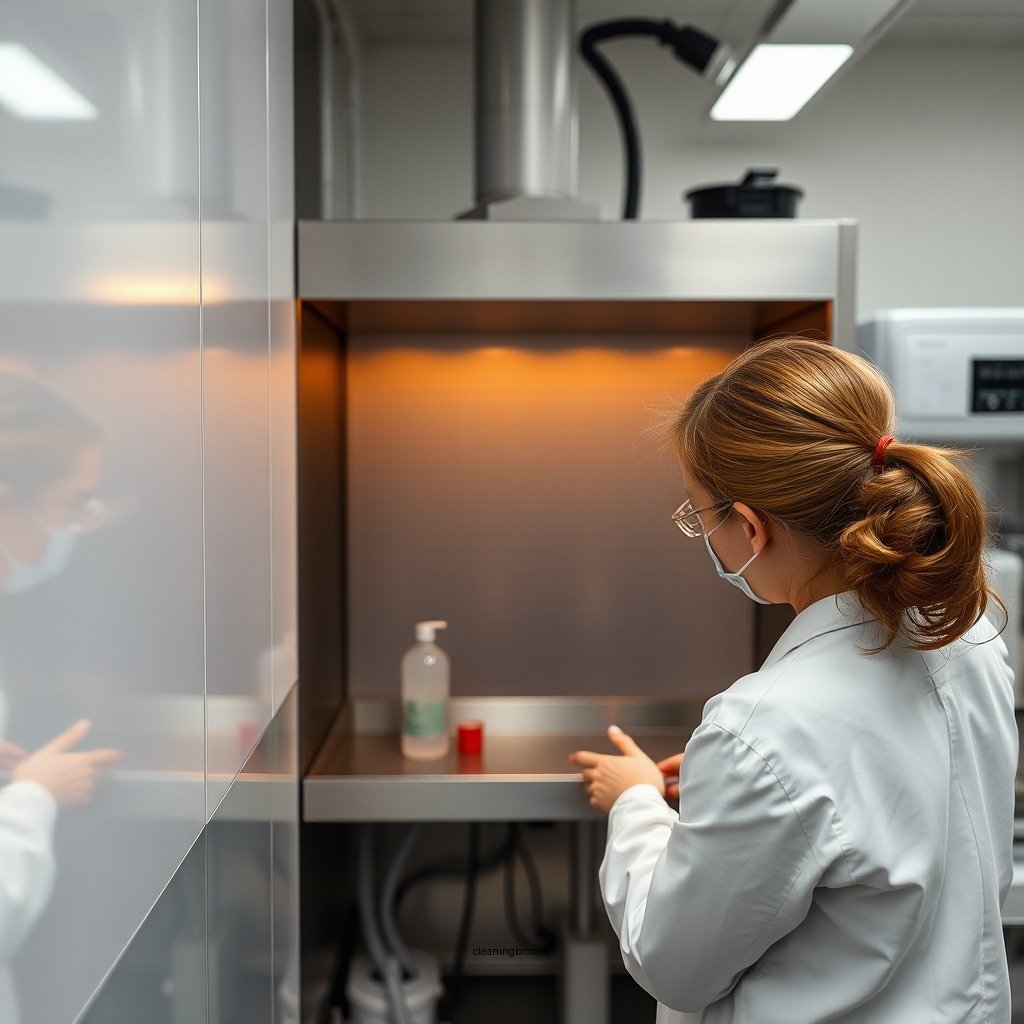
Regular cleaning of a laminar flow hood is critical for a number of reasons. Firstly, it maintains sterile conditions necessary for sensitive procedures such as cell culture, pharmaceuticals, and microbiological work. Any contaminants introduced into this environment can compromise experimental results and lead to significant financial losses. Secondly, a clean laminar flow hood prevents contamination of samples and equipment, which is vital in laboratories that adhere to strict regulatory compliance. By ensuring that the hood is free from dust, microbial life, and chemical residues, researchers can produce reliable and reproducible results, thereby upholding the integrity of their work.
Gathering Necessary Cleaning Supplies
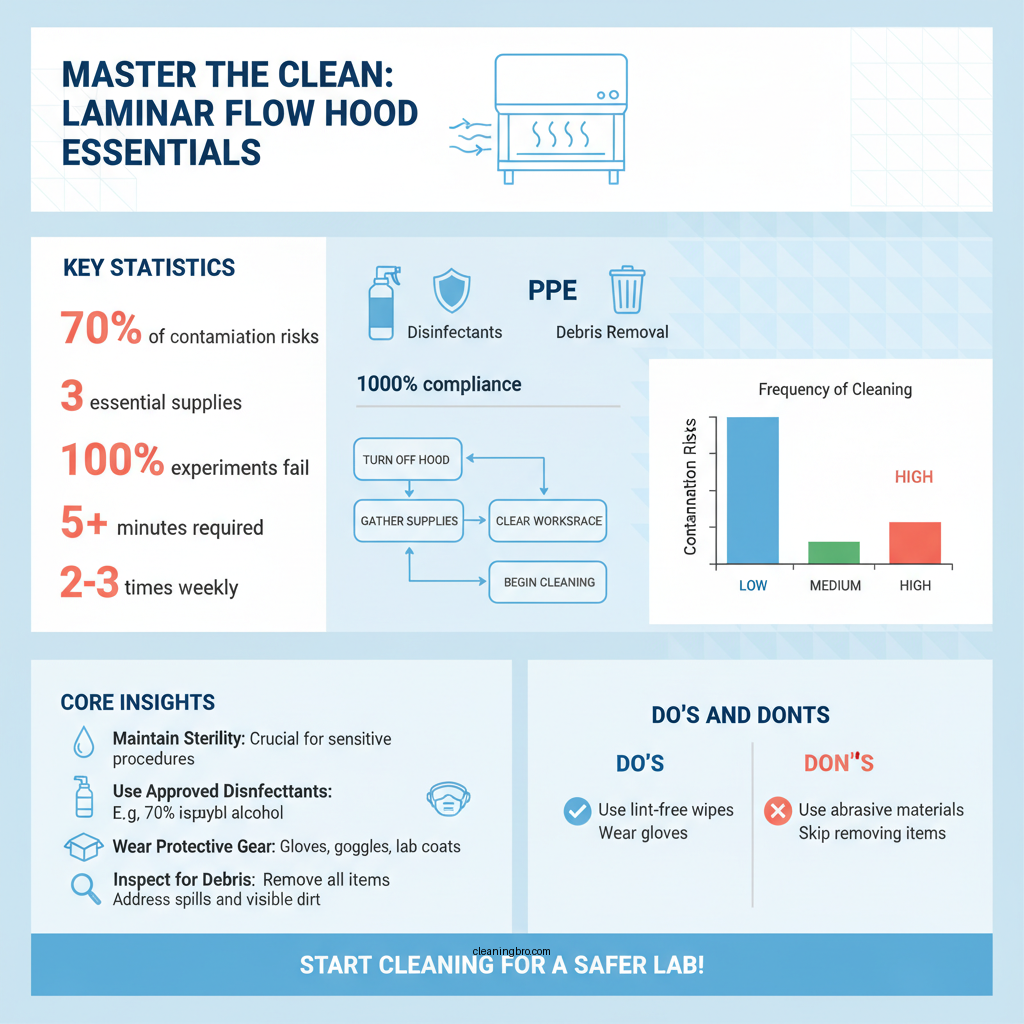
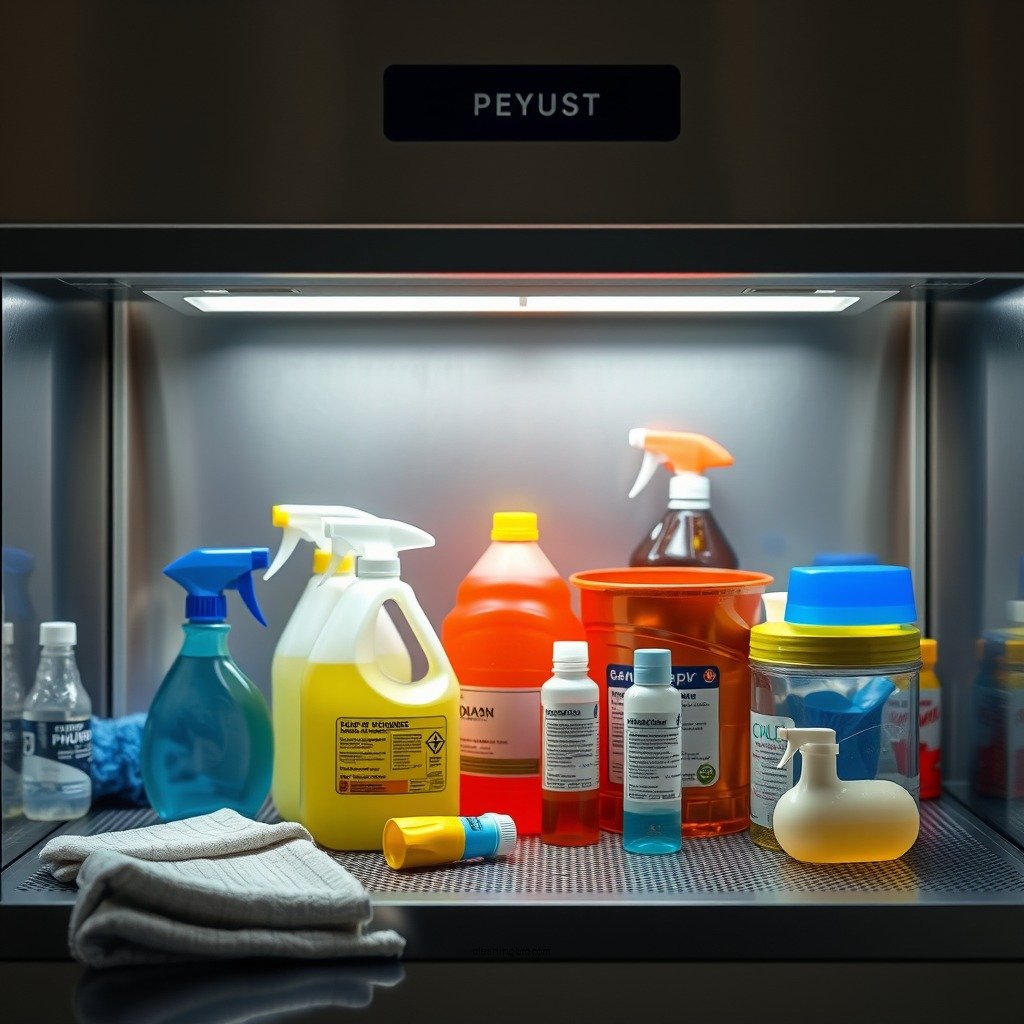
Before initiating the cleaning process, it is imperative to gather the appropriate supplies. Use approved disinfectants that are compatible with the materials of the hood; commonly recommended options include 70% isopropyl alcohol and quaternary ammonium compounds. In addition to disinfectants, equip yourself with lint-free wipes or sterile cloths, which help prevent the introduction of particles into the sterile environment. Personal protective equipment (PPE) is also essential; wear gloves, lab coats, and safety goggles to protect yourself from chemical exposure.
Preparing the Laminar Flow Hood for Cleaning
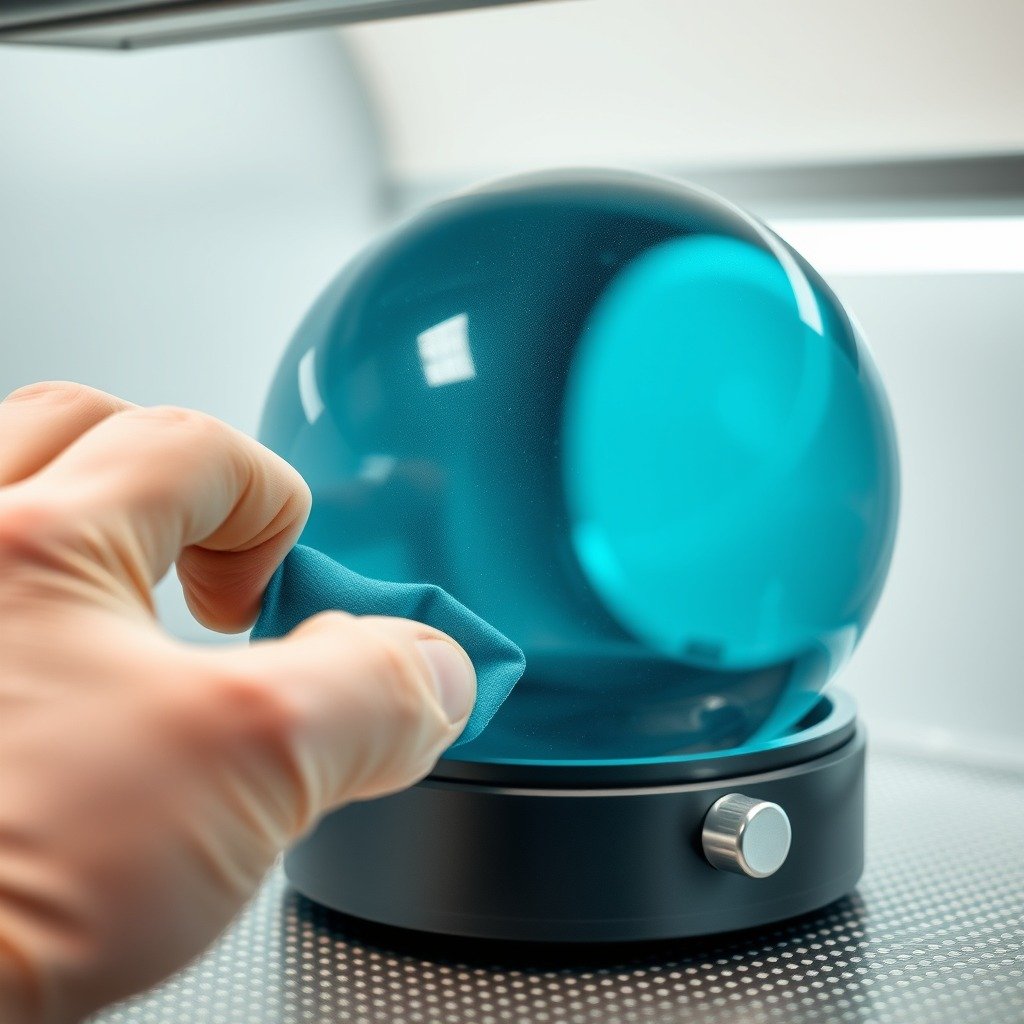
To prepare the laminar flow hood for cleaning, start by turning off the hood and disconnecting any electrical devices, including fans and lights. This ensures safety during the cleaning process and allows the surfaces to be thoroughly disinfected. Next, remove all items from the work area, including equipment, tools, and samples. This step is crucial to avoid cross-contamination during the cleaning process. Once the hood is clear, inspect the workspace for any visible debris or spills that may require special attention before you begin cleaning.
Common Disinfectants for Laminar Flow Hoods
| # | Disinfectant | Active Ingredient | Effectiveness | Surface Compatibility |
|---|---|---|---|---|
| 1 | 70% Isopropyl Alcohol | Isopropanol | High | All non-porous surfaces |
| 2 | Quaternary Ammonium Compounds | Benzalkonium Chloride | Moderate | Non-porous surfaces |
| 3 | Hydrogen Peroxide | Hydrogen Peroxide | High | All non-porous surfaces |
| 4 | Sodium Hypochlorite | Chlorine | Moderate | Limited |
| 5 | Ethylene Oxide | Ethylene Oxide | High | All surfaces |
| 6 | Peracetic Acid | Peracetic Acid | High | All surfaces |
| 7 | Alcohol-Free Surface Disinfectants | Various | Moderate | Non-porous surfaces |
Step-by-Step Cleaning Process
The cleaning process of a laminar flow hood involves specific steps to ensure thorough disinfection. Start by wiping down all surfaces, beginning from the top and working your way down to avoid cross-contamination. Use your lint-free wipes soaked in the chosen disinfectant, making sure to cover corners and edges where contaminants may hide. Pay special attention to high-touch areas, including the front sash, knobs, and any equipment stands.
In addition, the fan and filter surfaces should be carefully cleaned according to the manufacturer’s instructions, as improper cleaning can damage these components. Ensure that all surfaces are wetted adequately to allow the disinfectant to remain on the surface for the recommended contact time, which is typically at least 10 minutes for effective microbial kill.
Post-Cleaning Protocols
After the cleaning process, it’s crucial to allow surfaces to dry completely before replacing any items. This prevents trapping moisture, which can encourage microbial growth. Following the drying period, conduct a visual inspection to ensure no residues or streaks remain on the surfaces. If any residues are visible, repeat the cleaning process on those areas. Additionally, it’s advisable to run the laminar flow hood for a few minutes before placing any items back inside, ensuring that the airflow is stable and sterile.
Regular Maintenance Tips
Establishing a regular cleaning schedule based on the frequency of use is key to maintaining a clean laminar flow hood. For high-use environments, daily cleaning may be necessary, while less frequent use may allow for weekly cleaning. Routine checks for airflow and filter conditions should also be conducted to ensure optimal performance. Regularly replace the HEPA filters according to the manufacturer’s recommendations, as clogged filters can significantly reduce airflow and efficiency.
Troubleshooting Common Issues
Identifying signs of contamination or malfunction in your laminar flow hood is essential. Common indicators include unusual odors, visible particulate matter, or changes in airflow performance. If contamination is suspected, immediately cease operations and perform a thorough cleaning. Consult the manufacturer’s guidelines for specific troubleshooting steps to address any issues, such as filter replacement or motor malfunctions.
Airflow Testing Results for Laminar Flow Hood (CFM)
Maintaining a clean laminar flow hood is crucial for ensuring a sterile working environment. By following these steps and establishing a regular cleaning routine, you can protect your samples and enhance the overall safety of your workspace. Make cleanliness a priority and ensure your laminar flow hood operates at its best.
Frequently Asked Questions
How often should I clean my laminar flow hood?
It is recommended to clean your laminar flow hood at the beginning and end of each work shift. Additionally, if spills occur or if you notice contamination, you should clean it immediately. Regular cleaning helps maintain a sterile environment and ensures optimal airflow, which is crucial for protecting sensitive materials.
What cleaning agents are safe to use on a laminar flow hood?
Use approved disinfectants such as 70% isopropyl alcohol or other EPA-registered surface disinfectants. Avoid abrasive cleaners or those containing bleach, as they can damage the surface and compromise the integrity of the hood. Always check the manufacturer’s guidelines for specific recommendations on cleaning agents.
Why is it important to clean a laminar flow hood properly?
Proper cleaning of a laminar flow hood is essential to prevent contamination of sterile environments, which can lead to compromised experiments or product failures. Regular maintenance ensures that the hood functions effectively, maintaining the airflow patterns that protect against airborne contaminants, thus safeguarding both operators and samples.
What is the best method to clean the surfaces of a laminar flow hood?
The best method involves starting with a thorough wipe-down of all surfaces using a lint-free cloth or sterile wipes soaked in your chosen disinfectant. Pay special attention to corners and edges where contaminants can accumulate. After cleaning, allow the disinfectant to sit for the recommended contact time before drying surfaces with a clean cloth.
Which parts of the laminar flow hood should I focus on during cleaning?
Focus on the work surface, side panels, and the interior of the hood, particularly around the air vents and filters. Don’t forget to clean the exterior, including the control panel and any equipment stored inside. Regularly checking and cleaning these parts will help maintain the hood’s performance and extend its lifespan.
References
- https://www.ncbi.nlm.nih.gov/pmc/articles/PMC6109921/
https://www.ncbi.nlm.nih.gov/pmc/articles/PMC6109921/ - https://www.cdc.gov/infectioncontrol/guidelines/disinfection/index.html
https://www.cdc.gov/infectioncontrol/guidelines/disinfection/index.html - https://www.fda.gov/media/83594/download
https://www.fda.gov/media/83594/download - https://www.who.int/water_sanitation_health/publications/cleaning_hospitals.pdf
https://www.who.int/water_sanitation_health/publications/cleaning_hospitals.pdf - https://www.nature.com/articles/s41598-020-79827-7
https://www.nature.com/articles/s41598-020-79827-7 - https://www.sciencedirect.com/science/article/pii/S016773221930229X
https://www.sciencedirect.com/science/article/pii/S016773221930229X - Systematic review: is real-time ultrasonic-guided central line placement by ED physicians more su…
https://www.ncbi.nlm.nih.gov/books/NBK144202/ - Google Scholar Google Scholar
https://scholar.google.com/scholar?q=clean+laminar+flow+hood - Google Scholar Google Scholar
https://scholar.google.com/scholar?q=cleaning+techniques+laminar+flow+hood - Google Scholar Google Scholar
https://scholar.google.com/scholar?q=laminar+flow+hood+cleaning+protocols