Eco-Friendly Alternatives to Blanket
If you want an eco-friendly blanket, you’ve got great options like organic cotton, bamboo fiber, recycled polyester, and hemp throws. These materials are soft, sustainable, and often hypoallergenic. Wool and alpaca blankets also provide warmth while supporting animal welfare and reducing environmental impact. Many of these choices use less water and fewer harmful chemicals, helping the planet stay healthier. Keep exploring to discover which fabric fits your comfort and values best.
Organic Cotton Throws
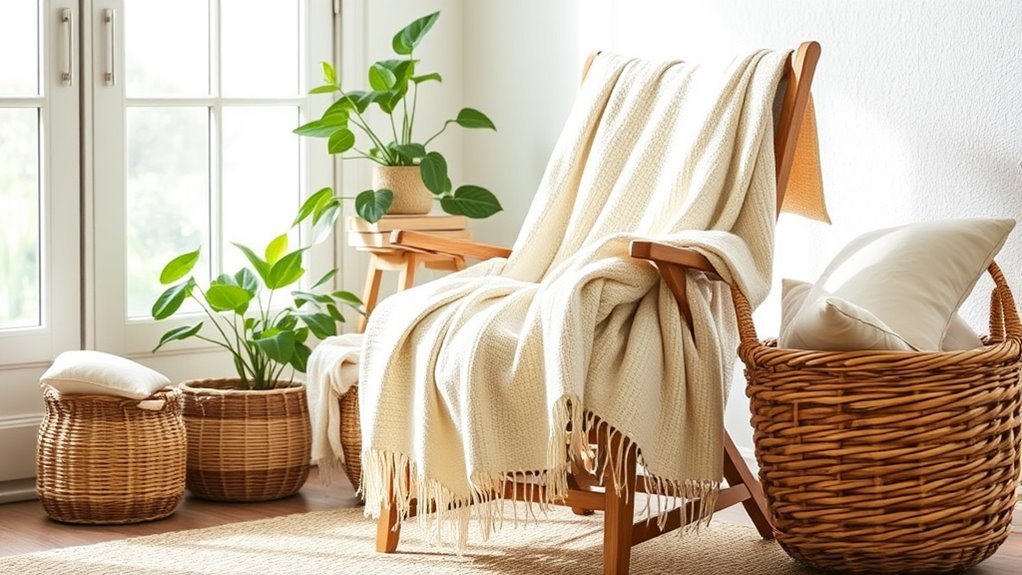
When you choose organic cotton throws, you’re opting for blankets made from cotton grown without harmful pesticides or synthetic fertilizers. This means you’re not only wrapping yourself in comfort but also embracing organic cotton benefits that protect the environment and your health. You get to enjoy a breathable, soft fabric that’s gentle on your skin and leaves a lighter footprint on the planet. By going for sustainable fabric choices like these throws, you’re supporting farming practices that conserve water and promote biodiversity. It’s freedom in every thread—freedom from toxins, from wasteful production, and from contributing to pollution. Choosing organic cotton throws lets you stay cozy while standing firm in your values, making your comfort a statement of care for the world around you.
Bamboo Fiber Blankets
Bamboo fiber blankets offer a soft, durable, and eco-friendly option for your cozy needs. If you want a blanket that feels luxurious yet respects the planet, bamboo is a smart choice. The bamboo benefits are impressive: it’s naturally breathable, moisture-wicking, and hypoallergenic, keeping you comfortable year-round. Plus, bamboo sustainability is a major advantage—this fast-growing plant requires minimal water and no pesticides, making it kinder to the environment than conventional fibers. Choosing bamboo fiber blankets means embracing freedom from harsh chemicals and heavy environmental impact. You get warmth and softness without compromising your values. So, when you’re ready to relax wrapped in something that supports both your comfort and the Earth, bamboo fiber blankets are the way to go.
Recycled Polyester Options
Although polyester is often criticized for its environmental impact, recycled polyester options provide a more sustainable alternative you can feel good about. By using post-consumer plastic waste, recycled polyester benefits include reducing landfill waste and conserving resources through sustainable sourcing. Choosing these blankets helps you enjoy comfort without compromising your values or freedom.
| Feature | Benefit | Why It Matters |
|---|---|---|
| Reduced Plastic Waste | Diverts bottles from landfills | Protects ecosystems |
| Lower Carbon Footprint | Less energy used in production | Fights climate change |
| Durable & Lightweight | Long-lasting and easy to carry | Freedom to move and explore |
| Sustainable Sourcing | Uses recycled materials | Supports circular economy |
You get cozy warmth while supporting a cleaner planet—freedom with purpose.
Wool and Alpaca Blankets
If recycled polyester offers a synthetic solution to sustainability, natural fibers like wool and alpaca bring their own eco-friendly benefits. When you choose wool blankets, you’re embracing responsible wool sourcing that supports animal welfare and reduces environmental impact. Wool is renewable and biodegradable, meaning you won’t be stuck with waste that lingers. Alpaca blankets, on the other hand, offer unique alpaca benefits: they’re incredibly soft, lightweight, and hypoallergenic, perfect for those who want warmth without bulk. Plus, alpacas require less water and land than traditional livestock, making their fiber an eco-conscious choice. By opting for wool or alpaca blankets, you’re not just wrapping yourself in comfort—you’re also stepping into a freer, greener lifestyle that respects the planet.
Hemp Fabric Throws
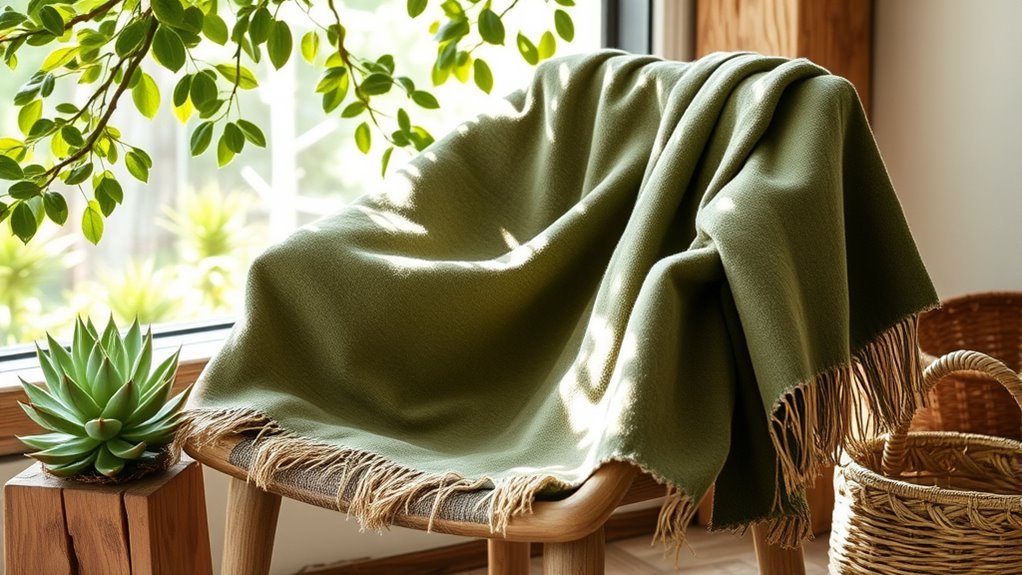
When you choose hemp fabric throws, you’re opting for durability and sustainability in one. Hemp benefits include incredible strength and natural resistance to wear, making these throws last longer. Plus, hemp grows with minimal water and chemicals, reflecting truly sustainable sourcing. If you want freedom from fast fashion and waste, hemp throws offer a reliable, eco-friendly shield against the cold.
| Feature | Benefit | Impact |
|---|---|---|
| Durability | Long-lasting use | Less frequent replacement |
| Breathability | Comfortable warmth | Year-round usability |
| Sustainable Sourcing | Eco-friendly farming | Reduced environmental harm |
| Hypoallergenic | Gentle on skin | Ideal for sensitive users |
Embrace hemp fabric throws, and you embrace freedom without compromise.
Tencel and Lyocell Covers
Hemp throws offer durability and sustainability, but you might want something softer and silkier against your skin. That’s where Tencel and Lyocell covers come in. Both are crafted from sustainably sourced wood pulp, embodying lyocell sustainability by using an eco-friendly closed-loop process that recycles water and solvents. You’ll love the tencel benefits: its smooth, breathable fabric keeps you cool in summer and warm in winter, perfect for embracing freedom in comfort. Plus, they’re naturally hypoallergenic and moisture-wicking, making them gentle for sensitive skin. Choosing Tencel or Lyocell covers means you don’t have to compromise on luxury or environmental responsibility. They’re lightweight, durable, and biodegradable, aligning perfectly with your desire for eco-conscious living without sacrificing softness or style.
Frequently Asked Questions
How Do Eco-Friendly Blankets Compare in Warmth to Traditional Ones?
Imagine wrapping yourself in a cozy hug on a chilly night. When you choose blankets made from sustainable materials, you’re not just staying warm—you’re embracing nature’s own insulation properties. These eco-friendly options often match or even surpass traditional blankets in warmth, letting you enjoy freedom from waste without sacrificing comfort. So, you can stay snug and eco-conscious, feeling the soft embrace of warmth that’s good for you and the planet.
Are These Blankets Safe for People With Allergies?
If you’ve got allergies, you’ll want to look for blankets made from hypoallergenic materials since they’re designed to reduce allergy symptoms. These materials resist dust mites, mold, and other common irritants, helping you breathe easier and feel freer while you sleep. So, you don’t have to worry about sneezing fits or itchy skin—you can enjoy comfort without compromising your health or freedom from allergic reactions.
What Is the Typical Lifespan of an Eco-Friendly Blanket?
You’ll find that the typical lifespan of an eco-friendly blanket depends on sustainability practices and material sourcing. If you choose blankets made with high-quality, responsibly sourced fibers, they can last several years with proper care. Since these materials prioritize durability and natural resilience, you get freedom from frequent replacements. Just wash gently and avoid harsh chemicals, and your eco-friendly blanket will stay cozy and reliable, supporting your commitment to the planet.
How Should I Care for and Wash These Sustainable Blankets?
Caring for your sustainable blankets is like giving them a gentle hug—they need tender love. For washing methods, stick to cold water and a mild detergent to keep fibers happy. Avoid bleach and fabric softeners, which can damage them. Air dry whenever possible to preserve softness and shape. Care tips include storing in a cool, dry place and shaking them out regularly. This way, your blankets stay cozy and free-spirited for years!
Are Eco-Friendly Blankets More Expensive Than Conventional Blankets?
You might notice that eco-friendly blankets often come with a higher price tag compared to conventional ones. This cost difference usually comes down to material sourcing—sustainable fibers and ethical production methods can be pricier. However, when you do a cost comparison, you’re investing in quality and environmental freedom, which is priceless. Plus, these blankets tend to last longer, meaning you’re freeing yourself from frequent replacements and saving money in the long run.