Why You Should Use Germs When Cleaning
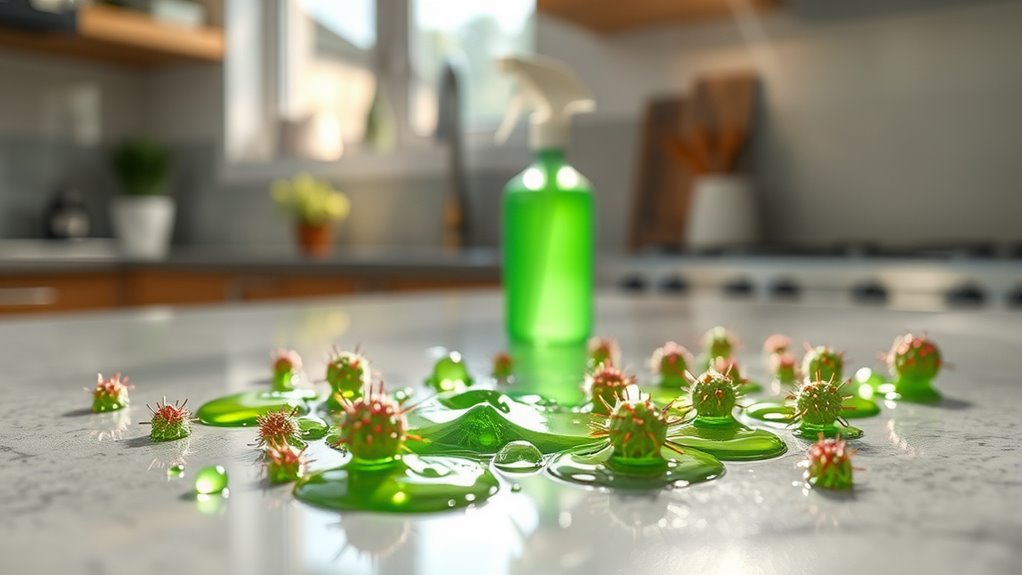
You should use germs when cleaning because beneficial bacteria naturally break down dirt, grime, and harmful microbes, giving you a powerful clean without relying on harsh chemicals. These microbes secrete enzymes that digest organic matter, making your space fresher and safer. Plus, they support a healthier environment by reducing toxic residues and pollution. If you’re curious about how these natural cleaners work and how to use them safely, there’s plenty more to explore.
The Role of Beneficial Bacteria in Cleaning
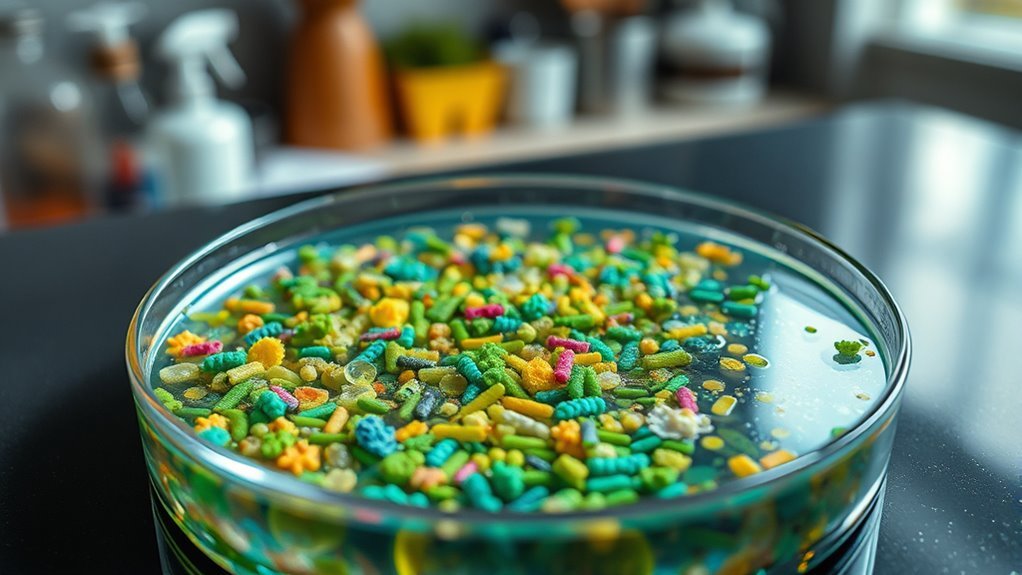
Although it might sound strange, beneficial bacteria play a crucial role in cleaning by breaking down dirt and harmful microbes. When you embrace these beneficial microorganisms, you’re not just relying on harsh chemicals—you’re harnessing nature’s own cleaning power. These tiny allies boost cleaning efficacy by targeting and neutralizing unwanted contaminants, making your environment healthier without the toxic side effects. You’ve got the freedom to choose a smarter, eco-friendly approach that respects both your space and the planet. By inviting beneficial bacteria into your cleaning routine, you’re fostering a balanced ecosystem that keeps surfaces fresh and safe. So, instead of fearing germs, you can welcome the right ones for a natural, effective clean that supports your lifestyle of independence and wellbeing.
How Microorganisms Break Down Organic Dirt
When you think about how microorganisms clean, it’s their ability to break down organic dirt that really stands out. Through microbial decomposition, these tiny agents transform complex organic matter into simpler compounds, effectively removing grime without harsh chemicals. By harnessing this natural process, you can enjoy a cleaner space that respects your freedom from toxic residues.
Microorganisms naturally break down organic dirt, cleaning effectively without harsh chemicals or toxic residues.
Here’s what happens during microbial decomposition:
- Microorganisms secrete enzymes that digest organic matter.
- Organic dirt is broken into harmless byproducts.
- Microbes thrive, multiplying to accelerate cleaning.
- This process reduces waste buildup naturally.
- It supports a balanced, healthy environment around you.
Using microbes means trusting nature’s own cleaners to liberate your space from stubborn dirt.
Advantages of Natural Cleaning Over Chemical Products
Because natural cleaning uses microorganisms instead of harsh chemicals, you get a safer, eco-friendly way to keep your space spotless. Choosing eco friendly alternatives means you’re cutting down on chemical exposure, which can irritate your skin, lungs, and even impact your overall health. You’re also freeing yourself from the toxic residues that traditional cleaners often leave behind, so your home feels fresher and truly clean. Plus, natural cleaning methods support environmental freedom by reducing pollution and conserving resources. When you switch to germ-based cleaning, you’re not only protecting yourself and your loved ones but also taking a stand against the chemical overload in everyday products. This choice empowers you to maintain a clean space without compromising your health or values.
Examples of Germ-Based Cleaning Products
Microbes are at the heart of many effective germ-based cleaning products you can find today. These products harness the power of good germs to break down dirt and grime naturally, giving you freedom from harsh chemicals. You’ll often see probiotic cleaners and enzyme detergents leading the way in this space. Here are some examples you might want to try:
- Probiotic cleaners that restore balance by adding beneficial bacteria.
- Enzyme detergents that tackle stubborn stains by digesting organic matter.
- Bio-enzymatic drain cleaners that keep pipes clear without toxic chemicals.
- Natural floor cleaners enriched with microbes for lasting freshness.
- Eco-friendly kitchen sprays using microbes to neutralize odors and grease.
These options let you clean effectively while embracing a safer, more natural approach.
Tips for Safely Incorporating Good Germs in Your Cleaning Routine
Although using good germs can enhance your cleaning routine, you’ll want to take some precautions to guarantee safety and effectiveness. Start by researching products that specify beneficial microbes and follow their instructions carefully. Always wear gloves when handling germ-based cleaners to maintain germ safety. Avoid mixing these products with harsh chemicals, as this can neutralize their effectiveness or create harmful reactions. Incorporate these cleaning techniques gradually, observing how your environment responds. Keep areas well-ventilated during use, and store products out of children’s reach. Remember, good germs work best in balance, so don’t overdo it. By applying these tips, you’ll enjoy cleaner spaces naturally while staying safe and free to embrace eco-friendly methods that respect both your health and the planet.
Frequently Asked Questions
Can Using Germs in Cleaning Cause Allergies or Asthma?
You might wonder if germ exposure during cleaning could spark allergies or asthma. It’s true, certain microbes can act as allergy triggers, stirring up your immune system. But here’s the twist: not all germs are villains. Some actually help build your defenses, granting you freedom from overreactive allergies. So, while cautious about specific triggers, embracing balanced germ exposure might just keep you breathing easier and feeling freer overall.
How Long Does It Take for Germ-Based Cleaners to Work?
When you’re wondering about the cleaning duration for germ-based cleaners, it usually varies depending on the product and surface. Most germ effectiveness kicks in within a few minutes—typically 3 to 10 minutes—to break down harmful bacteria. You don’t have to wait forever; these cleaners work efficiently to give you freedom from harsh chemicals and long waits. Just follow the instructions, and you’ll enjoy a clean space without sacrificing your time or lifestyle.
Are Germ-Based Cleaners Safe for Pets and Children?
Like a gentle breeze, germ-based cleaners are designed with pet safety and child health in mind. You can use them without worry, as they’re often non-toxic and biodegradable, keeping your home safe and fresh. Just like you’d keep anything harmful out of reach, it’s smart to follow usage instructions so your little ones and furry friends stay protected. This way, you maintain freedom without sacrificing safety.
Do Germ-Based Cleaners Eliminate Viruses Like the Flu or COVID-19?
You might wonder if germ-based cleaners really tackle viruses like the flu or COVID-19. Their germ effectiveness depends on the formulation; some are designed to break down virus resistance by targeting their outer layers. That means they can eliminate many viruses effectively, giving you the freedom to stay safe without harsh chemicals. Just check the label for virus-killing claims to make sure you’re choosing a product that handles those tough bugs.
Can I Use Germ-Based Cleaners on All Types of Surfaces?
You want surface compatibility, you want cleaning efficacy, and you want freedom to clean confidently. Germ-based cleaners aren’t one-size-fits-all. Some surfaces, like glass or stainless steel, handle them well, while others, like wood or delicate fabrics, might suffer damage. To protect your belongings and guarantee effective cleaning, always check the product label or test a small area first. That way, you maintain freedom without sacrificing surface safety or cleaning power.