Budget-Friendly DIY Cleaning Products for Baseboards
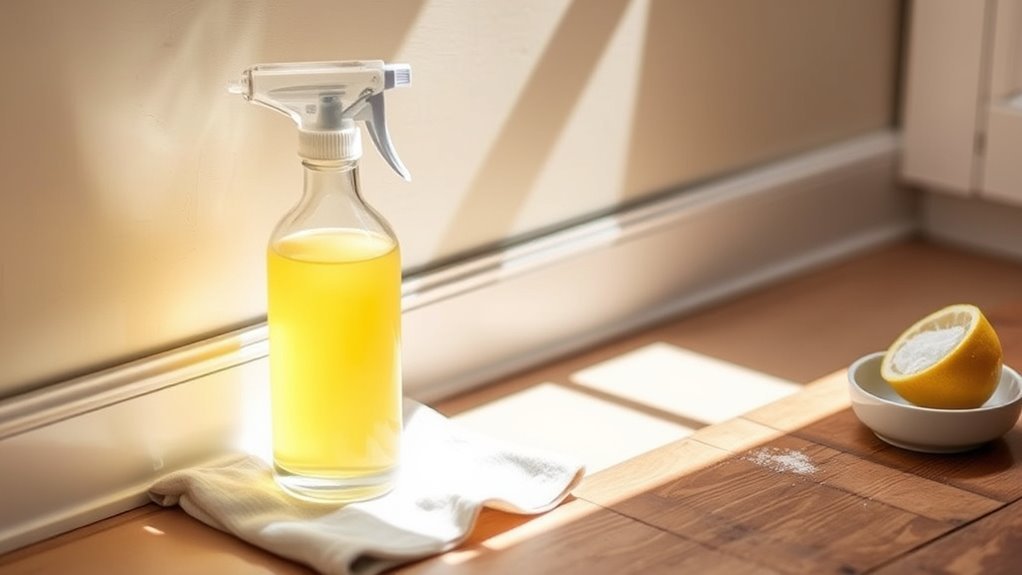
You can easily keep your baseboards clean on a budget using simple homemade solutions. Mix vinegar and water for an antibacterial spray that cuts grease. For tough spots, try a baking soda paste to gently lift stains without harsh chemicals. Lemon juice combined with olive oil not only cleans but also adds a natural shine. Adding a few drops of tea tree oil boosts disinfectant power. Using these eco-friendly, affordable recipes will help you maintain fresh, spotless baseboards—there’s plenty more smart tips ahead.
Essential Ingredients for Homemade Baseboard Cleaners
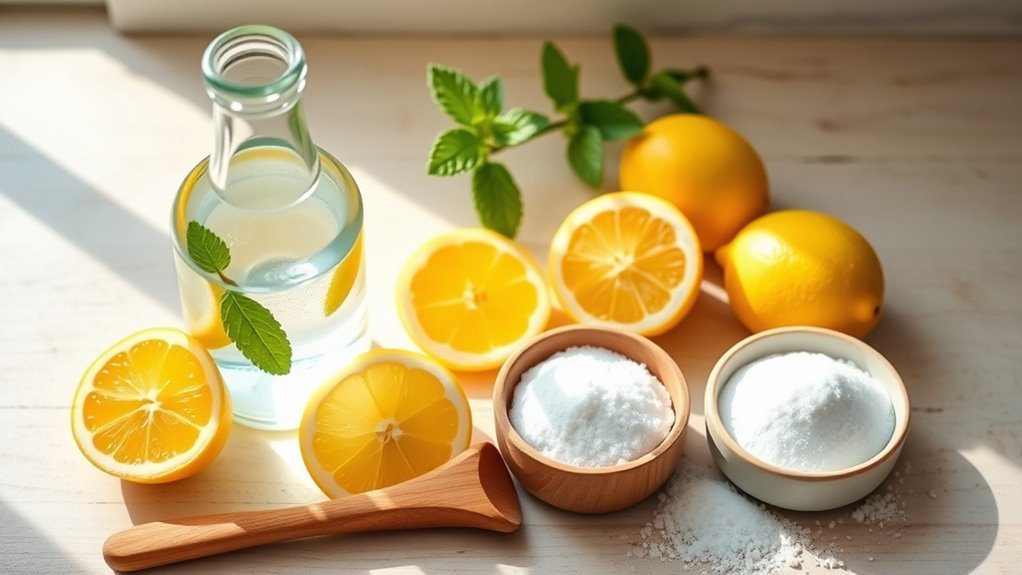
When making your own baseboard cleaner, you’ll want a few key ingredients that tackle dirt and grime without damaging the paint or wood. Start with a gentle cleaning agent like mild dish soap or castile soap, which effectively breaks down dirt while being safe on surfaces. Adding essential oils not only boosts cleaning power but also brings essential oil benefits such as antibacterial properties and mood-enhancing natural fragrances. Lemon, tea tree, or lavender oils are popular choices that leave your space smelling fresh and inviting. A bit of water dilutes the mixture, making it easy to apply and rinse. By choosing these simple, natural ingredients, you maintain control over what touches your home and enjoy the freedom of a cleaner, chemical-free environment.
How to Make a Vinegar and Water Cleaning Solution
To make an effective vinegar and water cleaning solution, you’ll want to mix one part vinegar with two parts water. This ratio helps cut through dirt without damaging your baseboards. When applying, use a spray bottle and a soft cloth to avoid excess moisture and streaks.
Vinegar-To-Water Ratio
Mixing one part vinegar with three parts water creates an effective and gentle cleaning solution for your baseboards. This ratio balances the vinegar benefits—like its natural antibacterial and grease-cutting power—with the water properties that dilute acidity, protecting your baseboards from damage. By sticking to this mix, you keep your cleaning solution strong enough to tackle dirt but mild enough to avoid wear. It’s simple: too much vinegar can be harsh and potentially harm painted surfaces, while too little won’t clean effectively. Using tap water works fine, as its solvent properties help lift grime and carry away debris. This straightforward ratio gives you freedom to clean confidently, saving money while using ingredients you already trust.
Application Tips and Tricks
Although the vinegar and water solution is simple, applying it correctly can make all the difference in cleaning your baseboards effectively. To maximize results, use gentle cleaning techniques—dip a soft cloth or sponge in the solution, wring it out well, and wipe baseboards without soaking them. Follow your maintenance schedule consistently to prevent buildup and maintain that fresh look.
| Step | Tip |
|---|---|
| Preparation | Mix 1 part vinegar to 1 part water |
| Application | Use a damp cloth, not dripping wet |
| Post-Cleaning | Dry baseboards with a microfiber cloth |
Stick to this routine, and you’ll enjoy effortlessly clean baseboards while embracing the freedom of easy, budget-friendly upkeep.
Using Baking Soda Paste for Stubborn Baseboard Stains
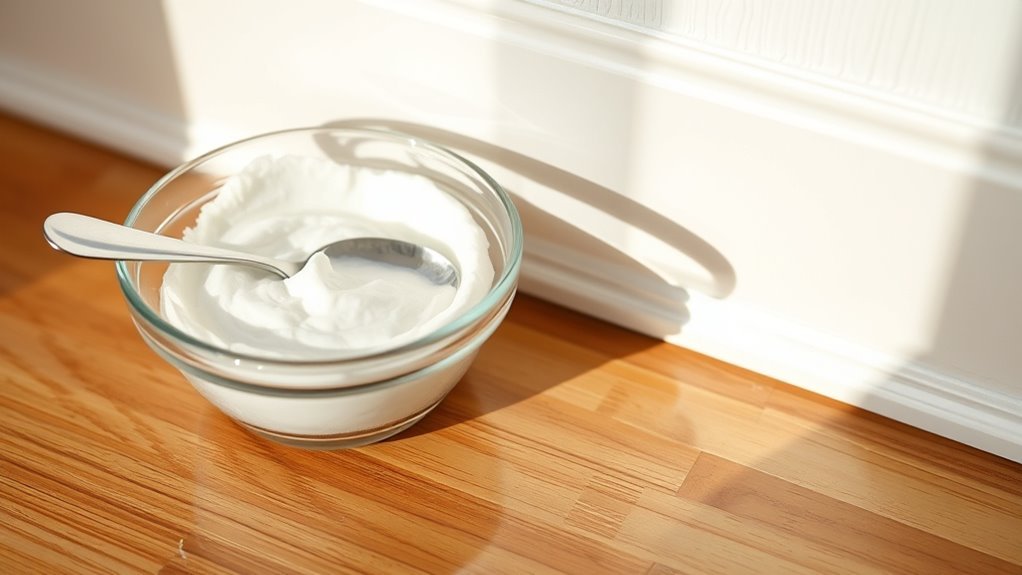
When stubborn stains cling to your baseboards, you’ll find that a baking soda paste can be an effective and gentle solution. Mix baking soda with a little water to create a thick paste, then apply it directly to the stains. Let it sit for 10–15 minutes to break down the grime without harsh chemicals. Afterward, use a soft cloth or sponge to gently scrub the area, watching as the paste lifts away dirt and discoloration. Baking soda’s natural abrasive quality helps with stain removal while protecting your baseboards from damage. This DIY method gives you the freedom to clean thoroughly without relying on expensive or toxic products, keeping your space fresh and your routine simple.
Lemon Juice and Olive Oil Polish for Shiny Baseboards
After tackling stubborn stains with baking soda paste, you might want to give your baseboards a polished finish that brings out their natural shine. Mixing lemon juice with olive oil creates a simple, budget-friendly polish that revitalizes your baseboards while offering lemon benefits like natural cleaning and fresh scent. The lemon juice gently cuts through grime and dullness, while olive oil nourishes the wood, restoring its luster without harsh chemicals. Just combine equal parts lemon juice and olive oil, apply with a soft cloth, and buff your baseboards until they gleam. This DIY polish not only saves you money but also gives you the freedom to maintain your home naturally and effectively. It’s a quick, eco-friendly way to keep your baseboards looking fresh and radiant.
Castile Soap Mixture for Gentle and Effective Cleaning
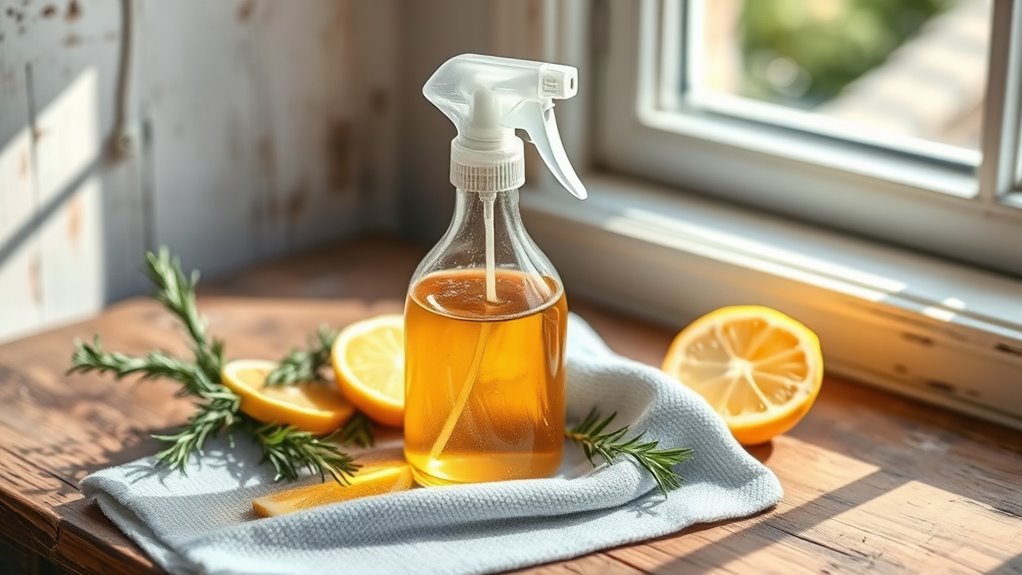
You’ll love using Castile soap for cleaning baseboards because it’s gentle yet effective on dirt and grime. To make your mixture, combine a few drops with warm water—usually about one teaspoon per cup works well. Just remember to test a small area first and avoid soaking the wood to keep your baseboards in great shape.
Benefits of Castile Soap
Although many cleaning products can be harsh on your baseboards, castile soap offers a gentle yet effective alternative. One of the biggest castile benefits is its natural, plant-based formula, which means you’re avoiding harsh chemicals that can damage surfaces or irritate your skin. It’s versatile, too—beyond cleaning baseboards, this soap uses extend to everything from dishes to laundry, giving you freedom from cluttered, chemical-laden products. Plus, it’s biodegradable and eco-friendly, so you’re protecting your home and the planet. Using castile soap lets you maintain a clean, fresh space without sacrificing your values or budget. When you choose this gentle cleaner, you’re embracing a simple, effective way to care for your home and yourself.
Mixing Ratios and Tips
When mixing castile soap for cleaning baseboards, getting the right ratio is key to balancing effectiveness with gentleness. Start with about 1 tablespoon of castile soap per 2 cups of warm water. This mixture cleans efficiently without leaving residue or harming paint finishes. Using proper mixing techniques, gently stir to combine without creating excessive suds, which can make rinsing harder. For tougher grime, you can increase the soap slightly but avoid overconcentration, as it may damage delicate surfaces. Adding a splash of white vinegar boosts cleaning efficiency while keeping the blend safe. Always test a small area first to verify your mixture suits your baseboards. By mastering these simple mixing tips, you’ll enjoy a cleaner home, free from harsh chemicals and restrictions.
Creating a Natural Disinfectant Spray With Tea Tree Oil
Since tea tree oil naturally fights bacteria and mold, it’s a great addition to any homemade disinfectant spray. You can easily create your own natural disinfectant that’s effective and budget-friendly. Here’s how:
- Mix 1 cup of water with 1/2 cup of white vinegar.
- Add 10 drops of tea tree oil for its powerful antibacterial properties.
- Pour the mixture into a spray bottle.
- Shake well before each use.
This DIY spray offers you freedom from harsh chemicals while keeping your baseboards clean and germ-free. Tea tree oil’s natural disinfectant qualities make it perfect for tackling dirt and bacteria without compromising your health or the environment. Embrace the simplicity and control of making your own cleaning products with this straightforward recipe.
Tips for Applying DIY Cleaners Safely and Efficiently
To get the best results with your DIY cleaners, you’ll want to apply them carefully and correctly. Start by wearing gloves and ensuring good ventilation—these safety precautions protect your skin and lungs while letting you breathe freely. Use a soft cloth or sponge to apply your cleaner gently, avoiding harsh scrubbing that could damage your baseboards. Work in small sections, wiping in one direction to lift dirt without spreading it around. Don’t soak the wood; a damp cloth is enough to prevent moisture damage. After cleaning, dry the area promptly to keep your baseboards looking fresh. By combining smart safety precautions with effective cleaning techniques, you can maintain your baseboards beautifully while enjoying the freedom and satisfaction of using your homemade products.
Storing Homemade Cleaners for Longevity and Safety
Although homemade cleaners are natural and effective, how you store them greatly affects their longevity and safety. To keep your DIY solutions fresh and safe, follow these key safety precautions with your storage containers:
Proper storage is essential to maintain the effectiveness and safety of your homemade cleaners.
- Choose airtight, opaque containers to prevent exposure to light and air, which degrade ingredients.
- Label each container clearly with contents and date to avoid confusion and track freshness.
- Store cleaners out of reach of children and pets to maintain safety in your home.
- Keep containers in a cool, dry place away from heat sources to preserve their effectiveness.
Eco-Friendly Tools to Use When Cleaning Baseboards
When you want to keep your baseboards spotless without harming the environment, choosing eco-friendly tools is a smart move. Opt for cleaning cloths made from natural fibers like cotton or bamboo, as they’re reusable and biodegradable. Instead of disposable wipes, these eco friendly materials cut down waste while giving you the freedom to clean thoroughly. A soft-bristle brush with sustainably sourced wood handles can reach into grooves without scratching surfaces. For dusting, consider microfiber cloths that trap dirt effectively and last through many washes, supporting sustainable cleaning practices. By selecting tools designed with the planet in mind, you not only protect your home but also embrace a lifestyle that values freedom from harmful chemicals and excessive waste. This way, your cleaning routine stays green and efficient.
Frequently Asked Questions
Can Homemade Cleaners Damage Painted Baseboards?
Imagine dusting your baseboards with a feather duster in the age of steam engines—you’d want to be careful not to harm the paint. You can’t just use any cleaning methods; some homemade cleaners might damage certain paint types, especially if they’re harsh or acidic. To keep your painted baseboards looking fresh and free, always test a small area first and opt for gentle, pH-neutral solutions that respect your freedom to clean without worry.
How Often Should Baseboards Be Cleaned With DIY Solutions?
You’ll want to follow frequency guidelines that suit your lifestyle and space. Generally, cleaning baseboards every 1 to 3 months works well, but you can adjust based on dust buildup or pets. Setting up flexible cleaning schedules lets you keep things fresh without feeling tied down. Trust your instincts—if your baseboards look dusty or grimy, it’s time to clean them. That way, you maintain freedom while keeping your home tidy.
Are These DIY Cleaners Safe for Hardwood Floors Near Baseboards?
You’d think cleaning near hardwood floors is like walking on a tightrope over lava! But don’t worry, these DIY cleaners are usually safe for hardwood safety when used properly. Just avoid soaking the wood—excess moisture can damage it. Stick to gentle ingredients like vinegar and mild soap to keep your baseboards sparkling without risking your floor’s finish. This way, you get top cleaning effectiveness and freedom to clean without fear.
Can I Use These Cleaners on Wallpapered Baseboards?
You can use gentle cleaners on wallpapered baseboards, but you’ll want to be careful to avoid damaging the wallpaper. For wallpaper cleaning, use a damp cloth with mild soap and test a small area first. This way, you keep your baseboard maintenance effective without ruining the wallpaper. Remember, freedom in cleaning means choosing methods that protect your surfaces while still getting the job done. Always be gentle and patient!
What Are the Best Alternatives if I’M Allergic to Certain Ingredients?
If allergies had a fan club, you’d be the president! Luckily, you don’t have to surrender to harsh chemicals. You can embrace allergy-free solutions like white vinegar diluted with water or gentle castile soap—natural substitutes that won’t trigger your sneezes. These options give you the freedom to clean fearlessly, keeping your home fresh without sacrificing your health. You’ve got the power to choose safe, effective, and allergy-friendly alternatives!