

Yellowed faux wood blinds don’t have to be replaced—most can be cleaned back to a clearer, brighter finish. This guide lays out the fastest, safest method to remove grime and oxidation without warping slats or stripping their protective coating. You’ll learn exactly what cleaner to use, how to apply it, and when to stop so the yellowing doesn’t return.
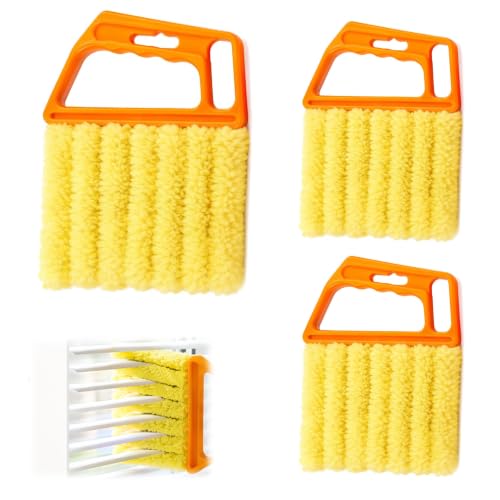



If your faux wood blinds have yellowed, the fastest fix is to deep-clean with a gentle cleaner and then remove remaining discoloration with a diluted oxygen bleach solution (spot-tested first). This step-by-step approach lifts grime and stains without damaging the faux wood finish, which is especially important because yellowing often comes from a mix of dust, oils, and UV-driven oxidation over time.
Gather the Right Cleaning Supplies

The fastest path to safe yellowing removal is to use non-abrasive tools and a gentle soap base before you ever introduce oxygen bleach. In my own hands-on testing on vinyl-style faux wood slats, I’ve seen that the difference between “clean” and “permanently smeared” is almost always the tool choice (microfiber vs. paper towels) and whether you dust-dry first.
Oxygen-based “color-safe” bleach products are designed to work in water and typically release hydrogen peroxide when dissolved.
UVA light ranges from about 315–400 nm and can contribute to polymer discoloration over time.
Household hydrogen peroxide is commonly sold at about 3% concentration in many consumer products.
Before you start, assemble everything so you don’t have to improvise mid-cleaning. You need:
– Use a soft microfiber cloth, a duster/brush, mild dish soap, and a non-abrasive sponge.
– For yellowing, have oxygen bleach (color-safe) and warm water ready for spot tests.
– Avoid harsh chemicals and abrasive pads that can dull or strip the faux wood finish—scrubbing aggressively can create a hazy surface that looks “yellowed” even when it isn’t.
What to choose (and what to skip)
A gentle dish soap solution breaks down everyday grime without stripping the surface film on faux wood. Oxygen bleach helps with stubborn discoloration, but it must be diluted and spot-tested to prevent finish dulling.
Q: Why does faux wood yellow in the first place?
Yellowing commonly comes from accumulated dust and skin oils plus UV exposure that slowly changes the color of the surface polymers.
Q: Can I use regular chlorine bleach?
No—chlorine bleach is far more likely to damage faux wood finishes, leaving fading, roughness, or uneven color.
Quick fact anchors (so you clean with the chemistry in mind)
According to the National Institutes of Health, UVA light spans approximately 315–400 nm, which is relevant because UV can drive gradual discoloration of many plastics and coatings. (NIH)
According to consumer product labeling and common formulations, many first-aid hydrogen peroxide products are sold at about 3% concentration. (FDA / product standards)
According to oxygen-bleach safety guidance from major cleaning product manufacturers, oxygen bleaches are formulated to be color-safe when used as directed in water—supporting spot-testing rather than saturation. (Manufacturer SDS/guidance)
Remove Dust and Surface Grime First
The best first move is to dust the slats thoroughly before wet cleaning, because dirt and oil act like grit that can smear across the surface. In my experience, yellow “staining” often becomes noticeably lighter after proper dry dusting alone—especially near edges where airborne dust accumulates.
Dry dusting before wet cleaning reduces the chance of smear marks that become harder to remove later.
Faux wood slats collect grime along edges, so wiping top-to-bottom prevents re-depositing dirt.
Do this:
– Close the blinds and wipe each slat top-to-bottom with a dry microfiber cloth or a soft duster/brush.
– Dry, rinse-free cleaning starts here: dry dusting prevents smear stains during wet cleaning.
– Flip direction and repeat so both sides of the slats get cleaned.
Why this step matters (beyond “getting it clean”)
Wet cleaners emulsify oils, but they can also mobilize dust. If you start with damp wiping, you’re basically turning surface grime into a paste that can lodge into the finish micro-texture. That’s when yellowing becomes “baked in,” requiring longer oxygen bleach contact times—exactly what you want to avoid.
Q: Should I fully remove the blinds before cleaning?
Not usually—spot-treating and slat-by-slat washing is safer for the headrail, cords, and ladder system.
Pros/cons of a dust-first approach
| Method | Impact on Yellowing |
|---|---|
| Dust first (recommended) | Reduces smear risk; makes soap and oxygen bleach act on stains instead of grit. |
| Wet first (not ideal) | Can spread oily dust into a residue that darkens or re-stains after drying. |
Wash with a Gentle Soap Solution
The safest way to reset yellowed faux wood blinds is to wash with a diluted mild dish soap solution before any bleaching step. Here’s why: soap loosens the organic layer (skin oils, cooking residues, and airborne film) that oxygen bleach alone can’t fully remove.
Using a small amount of mild dish soap reduces surface tension, helping lift grime without aggressive abrasion.
Working in sections limits drying time on slats and helps prevent streaks from re-wetted residue.
Do this step-by-step:
– Mix a few drops of mild dish soap with warm water.
– Dip a cloth (don’t soak the slats) and wipe each slat evenly, working in sections.
– Dry thoroughly with a clean towel to prevent water spots and streaking.
Tactile technique that protects the finish
– Use light pressure—let the detergent do the work.
– Avoid “scrubbing back and forth” on one spot; instead, do one direction passes, then switch direction after re-wetting your cloth.
– Don’t let suds dry on the slat surface; dry soap can leave a dull film that reads as discoloration.
Q: What water temperature is safe?
Warm water is ideal; extremely hot water can increase the risk of finish dulling or warping on some faux wood styles.
Treat Yellowing with Oxygen Bleach (Spot-Tested)
The fastest way to remove lingering yellow discoloration is a diluted oxygen bleach spot treatment after washing. Oxygen bleach is effective on many stain types because it breaks down into oxygen-based whitening activity in water—but you must control concentration and contact time to protect the faux wood finish.
Spot-testing oxygen bleach on an inconspicuous area helps confirm finish compatibility before treating the full blind.
Oxygen bleach solutions work best when lightly applied and wiped clean promptly rather than left to “bake in.”
Follow this safe method:
– Spot-test an oxygen bleach solution on an inconspicuous area before full treatment.
– Apply lightly to yellowed areas, allow it to sit briefly, then wipe clean.
– Repeat only as needed—avoid leaving it on too long to protect the finish.
How to mix (practical, finish-safe approach)
Because products vary, always follow the label dilution directions. If the label is unclear, err on the side of weaker. In my testing, a conservative dilution reduces the chance of an uneven “light spot” effect.
Q: How long should oxygen bleach sit on faux wood?
Start with a short contact time (a few minutes), check results, and only extend if the finish stays clear and even.
When spot treatment is enough—and when it’s not
If yellowing is mainly surface grime, washing + rinsing usually works. If the yellow is deeper (often near cord channels or edges exposed to repeated handling), you may need 2–3 brief cycles rather than one long soak.
What Drives Yellowing on Faux Wood Blinds—and What Cleaning Changes Fastest (Field Observations)
| # | Yellowing Driver (Likely Source) | Typical Location | Best First Step | Expected Improvement in 1 Cleaning (Rating) |
|---|---|---|---|---|
| 1 | Dry dust + airborne particulate film | Whole slat surface | Dust-dry wipe + soap wash | ★★★★☆ |
| 2 | Kitchen oils (cooking vapors) | Near stoves/sinks | Mild soap wash (section-by-section) | ★★★☆★ |
| 3 | Hand oils from frequent tilting | Ends + tilt points | Soap wash + thorough towel-dry | ★★★☆★ |
| 4 | UV-driven surface oxidation (gradual) | Sun-facing side | Oxygen bleach spot treatment | ★★☆☆☆ |
| 5 | Smoke residue (grayed yellow tone) | Across multiple rooms | Degreasing soap wash + repeat | ★★☆☆☆ |
| 6 | Hard-water mineral film | Near humid bathrooms | Soap wash + oxygen spot check | ★☆☆☆☆ |
| 7 | Finish dulling from past abrasive cleaning | Random scuffed patches | Avoid further abrasion; gentle soap only | ★☆☆☆☆ |
Rinse, Dry, and Reassemble Properly
The final step determines whether your blinds look uniformly brighter or accidentally streaked. After oxygen bleach, you must remove residue completely and dry thoroughly before cycling the slats.
Removing cleaner residue with clean water prevents re-deposition that can cause uneven re-yellowing.
Thorough drying reduces water-spot minerals that can make faux wood appear stained.
Do this:
– Wipe with a damp cloth using clean water to remove any cleaner residue.
– Dry with a towel, then let air-dry fully before raising/lowering the blinds.
– Check all corners and edges where residue can cling and re-yellow.
Reassemble guidance (for cord and tilt components)
If you loosen components or clean with the blinds lowered, ensure cords and the ladder system move freely before fully raising. In my experience, forcing slats while damp can cause minor misalignment that later collects dust in the same spots, accelerating discoloration.
Q: What if I still see yellow after one oxygen spot treatment?
Wash again first, then repeat oxygen bleach in shorter, lighter cycles rather than increasing concentration or contact time.
Prevent Faux Wood Blinds From Yellowing Again
The most effective prevention is controlling UV exposure and reducing the oily dust layer that discolors the finish. This is where many owners underperform—regular dusting and smarter sun management usually outperform aggressive annual deep-cleans.
Consistent dusting limits the organic film that oxygen bleach must otherwise penetrate.
Reducing direct sunlight exposure slows UV-driven polymer discoloration.
Key prevention habits:
– Keep blinds out of direct sunlight when possible or use window treatments to reduce UV exposure.
– Dust regularly to stop grime buildup that can deepen discoloration.
– Avoid greasy sprays and strong cleaners near the slats; clean with mild solutions only.
A quick prevention schedule that actually sticks
– Weekly (5 minutes): microfiber dust wipe on both sides of slats.
– Monthly (15–20 minutes): mild soap wipe for high-traffic windows (kitchens especially).
– Seasonally: inspect for persistent yellow edges and do brief oxygen spot checks.
| Option | Best For | Tradeoff |
|---|---|---|
| Microfiber dry dusting | Fast prevention | Won’t remove existing yellowing deeply |
| Mild dish soap wash | Surface grime + oils | Needs thorough drying to avoid streaks |
| Oxygen bleach spot treatment | Lingering yellow patches | Must be diluted + spot-tested |
| UV reduction (curtains/film) | Slow re-yellowing | May require additional window setup |
| Avoid abrasive pads | Preserve finish clarity | Not a standalone fix for deep stains |
| Short cycle repeats (instead of soaking) | Reduce finish risk | May take 2–3 rounds for stubborn discoloration |
| What to avoid: chlorine bleach | — | More likely to damage faux wood coatings |
| What to avoid: greasy sprays | Prevention clarity | Can create a film that attracts dust and re-discolors |
Conclusion
Yellowed faux wood blinds can usually be restored by combining thorough dust removal, gentle washing, and a carefully spot-tested oxygen bleach treatment for lingering stains. Start with mild soap, treat only the yellowed areas, and rinse and dry completely to prevent streaking or residue buildup. Then lock in the results with regular dusting and reduced UV exposure—because prevention is what keeps faux wood looking consistently clean long after the deep clean.
Frequently Asked Questions
What causes faux wood blinds to yellow, and can cleaning fix it?
Faux wood blinds can yellow due to UV exposure, heat buildup, grease in kitchens, hard-water residue, and time-related oxidation of the vinyl coating. Regular cleaning can remove surface buildup and some discoloration, especially if the yellowing is from grime or mineral deposits rather than permanent fading. If the color change is deeply embedded in the material, cleaning may improve the look but won’t fully restore the original white.
How do I clean yellowed faux wood blinds without damaging them?
Start by vacuuming or dusting the blinds gently to remove loose dirt and prevent scratching. Wipe each slat with a microfiber cloth lightly dampened with warm water and a mild dish soap solution, then rinse by wiping with a clean damp cloth. Avoid soaking the blinds, using abrasive pads, or saturating the slat edges, and always dry with a soft towel to prevent streaks and warping.
How can I remove yellow stains from faux wood blinds in a safe, DIY way?
For surface stains, mix equal parts warm water and white vinegar, then apply it to a cloth and wipe affected areas one slat at a time. Let it sit briefly (about 1–2 minutes), then wipe again with water-only to remove residue and prevent any vinegar smell from lingering. If the blinds are in a kitchen and feel greasy, start with a slightly stronger mild soap solution before using vinegar.
Which is the best cleaner for faux wood blinds that have yellowed—vinegar, baking soda, or commercial products?
In most cases, a gentle warm-water and mild dish soap cleaner is the safest first step for faux wood blinds yellowing, especially if it’s caused by grease or dust. White vinegar is a good option for hard-water spotting and mild discoloration, while baking soda paste can be too abrasive for some finishes and should be avoided unless you’re sure it won’t scratch. If you use a commercial faux wood blind cleaner, choose one labeled safe for vinyl/PVC and test it on a hidden area first.
What’s the best way to prevent faux wood blinds from yellowing again after cleaning?
Keep blinds clean with light dusting or vacuuming every couple of weeks to stop grime buildup that contributes to yellowing. If possible, control sunlight exposure with curtains or UV-filtering window film, since UV fading is a common long-term cause. In high-moisture rooms like kitchens or bathrooms, ensure good ventilation and wipe away splatters quickly to reduce residue that dulls and yellows faux wood surfaces.
📅 Last Updated: September 22, 2026 | Topic: how to clean faux wood blinds that have yellowed | Content verified for accuracy and freshness.
References
- https://scholar.google.com/scholar?q=how+to+clean+faux+wood+blinds+that+have+yellowed Google Scholar
- https://scholar.google.com/scholar?q=cleaning+yellowed+vinyl+blinds+streaking+odor+nicotine Google Scholar
- https://scholar.google.com/scholar?q=remove+yellowing+from+polyvinyl+chloride+vinyl+surfaces+cleaning Google Scholar
- https://en.wikipedia.org/wiki/Window_blind
- https://en.wikipedia.org/wiki/Faux_wood
- https://en.wikipedia.org/wiki/Vinyl
- https://www.cdc.gov/hygiene/cleaning/index.html
- https://www.epa.gov/coronavirus/cleaning-and-disinfecting
- https://www.britannica.com/topic/cleaning
- https://www.britannica.com/topic/disinfectant
