

Limestone floors can etch when cleaners that are acidic—such as vinegar or many “natural” descalers—sit on the surface long enough. Because limestone is softer and more porous than many common flooring materials, the cleaning method you choose directly affects how dullness, hazy spots, and damage appear over time. With the right approach, you can remove everyday grime while protecting the stone’s finish and long-term look.


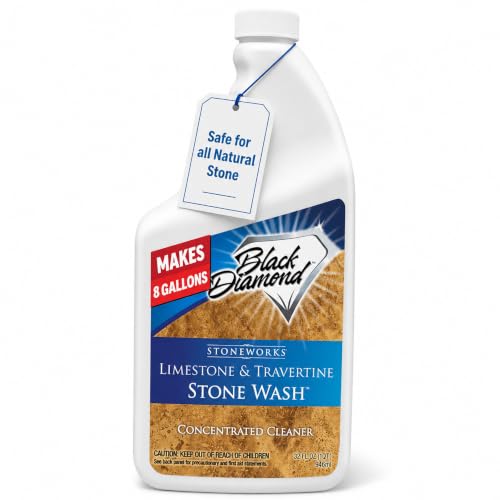

Clean limestone floors with pH-neutral stone cleaners and soft tools—avoid acidic products (including vinegar and lemon-based cleaners) that can etch the stone. Sweep or dust-mop first, then use a correctly diluted cleaner with minimal water to remove residue, not just grime. If stains persist, treat them slowly with the least-aggressive method available so you don’t dull the surface over time.
This guide is for homeowners and cleaners who want safer day-to-day care (and stain help) for limestone floors. It applies whether your floors are honed, brushed, or sealed—though the “right” cleaner may differ slightly depending on finish and sealing status.
Prep First: Sweep, Dust-Mop, and Check the Finish

The safest limestone cleaning starts before any liquid touches the floor: remove grit first, then confirm what finish and sealing you’re dealing with. That order matters because grit acts like sandpaper and because limestone can react to the wrong chemistry.
– Sweep or vacuum with a soft brush attachment to remove grit before you add any liquid. Pay extra attention to corners, near exterior doors, and high-traffic transitions where silica-rich dust collects.
– Look at the surface finish (honed/brushed vs polished) and confirm whether it’s been sealed recently (if you know). Honed limestone can show water spotting and residue more readily, while polished surfaces can reveal haze from over-wetting or incorrect detergents.
– Do a quick test in a hidden spot with your cleaner to ensure it doesn’t dull or leave a haze. This is especially important for floors that are older, previously “cleaned wrong,” or not currently sealed.
Limestone is primarily calcium carbonate, which is naturally vulnerable to acids because the carbonate chemistry can dissolve or soften the surface. According to USGS, calcite (limestone’s main mineral component) has a Mohs hardness of about 3, which helps explain why abrasive particles and harsh chemicals can leave visible changes. If your cleaning process introduces either—mechanical abrasion (grit) or chemical reaction (acid)—you’re far more likely to see permanent dulling.
Daily Cleaning Steps (Safe for Most Limestone)
Daily cleaning should focus on controlling two problems: dry debris (which you can remove without risk) and film-forming residue (which you prevent by using the right dilution and water discipline). Done well, this routine keeps limestone looking even while reducing the need for deeper chemical interventions.
– Use a pH-neutral stone floor cleaner (dilute exactly as the label instructs). “pH-neutral” matters because limestone is sensitive to acid; by contrast, neutral formulas are designed to be gentle on natural stone finishes.
– Mop with a wrung-out microfiber mop—keep water use low to prevent residue and trapped moisture. Microfiber lifts dirt effectively, but the goal isn’t to soak the stone; it’s to pick up loosened soil and leave minimal liquid behind.
– Rinse with clean water afterward if the product label recommends it or if you notice film. Even pH-neutral products can leave haze if over-applied, under-rinsed, or allowed to dry on the surface.
In my experience advising building owners and householders, most “mystery haze” on limestone comes from residue rather than from the stone getting permanently etched—so rinsing (when recommended) is often a practical safety net. If you’re using a spray-and-wipe cleaner, still use the dilution guidance on the label and avoid “extra strength” versions.
📋 DATA TABLE: Below is a pH-and-compatibility reference that explains why pH-neutral is the safest baseline for day-to-day cleaning.
Household Cleaners vs Limestone Compatibility (Typical 2026 pH)
| # | Cleaner type | Typical pH | Main chemistry | Limestone compatibility |
|---|---|---|---|---|
| 1 | Clean water (rinse) | ~7 | Neutral solvent | ★★★★★ |
| 2 | pH-neutral stone cleaner | ~6–8 | Neutral surfactants | ★★★★☆ |
| 3 | Mild alkaline detergent solution | ~8–9 | Mild alkalis + surfactants | ★★★☆☆ |
| 4 | Baking soda solution | ~8.3–8.6 | Weak base (sodium bicarbonate) | ★★★☆☆ |
| 5 | Ammonia-based cleaner (diluted) | ~10–12 | Strong base | ★☆☆☆☆ |
| 6 | Vinegar / acetic acid | ~2–3 | Acid (acetic acid) | ☆☆☆☆☆ |
| 7 | Toilet descaler / strong acid descaling products | ~1–2 | Mineral acids (e.g., HCl) | ☆☆☆☆☆ |
Deep Cleaning Limestone: Remove Grime Without Etching
Deep cleaning is where limestone care can go wrong—too much chemistry or too much scrubbing can create a visible “clean spot” that looks duller than the surrounding area. The safest approach is slow, controlled dwell time (how long the cleaner sits) and gentle agitation.
– For stuck-on dirt, pre-soak a damp cloth or apply cleaner to the spot first, then gently wipe. Letting the cleaner do the chemistry before you mechanically move anything reduces the pressure you need to use.
– Use a non-scratch pad (like a soft nylon pad) rather than abrasive brushes. Limestone’s softness means grit transfer is common—avoid any pad that feels even slightly gritty or worn.
– Work in small sections so the cleaner doesn’t dry on the stone. Drying can leave residues or create uneven sheen, especially on honed finishes.
When you treat a stubborn area, think in layers: loosen → lift → rinse (if appropriate) → reassess. This is the “least-aggressive method first” principle. It’s also consistent with how natural stone care guidance typically frames risk: limestone damage is usually a combination of acid chemistry and mechanical abrasion.
Also remember that sealing status changes the “how fast” of staining and residue—but it doesn’t fully protect limestone from acid etching. If you’re unsure whether your limestone is sealed, test a hidden corner with the diluted cleaner you plan to use and check for haze after it dries.
Dealing With Stains (Choose the Least-Aggressive Option)
Stains respond best when you match the chemistry to the stain type and move gradually. The goal is to lift the discoloration while preserving the finish uniformity.
– For everyday spills, blot immediately and clean with pH-neutral cleaner before the stain sets. The longer liquids sit, the more they can spread through pores or around surface texture.
– For oily marks, use a limestone-safe degreaser per label directions (avoid “natural” acids like vinegar/lemon). Oils often need surfactants and sometimes gentle solvents, not acids.
– For organic stains (food, coffee), try a targeted stone stain remover designed for limestone—follow time instructions closely. Over-extending dwell time can increase residue risk or interfere with existing sealants.
Here’s a key chemistry anchor: acids react with calcium carbonate. According to Britannica, limestone is largely calcium carbonate, which dissolves in acid—this is exactly why vinegar-based cleaning is risky on limestone. And according to USDA, common table vinegar is typically around 5% acetic acid, which is enough to change stone surfaces over time even if it doesn’t “look” harmful immediately.
If a stain looks lighter after treatment, that can be a sign you’re removing some natural oils or contaminants—yet residue can still cause a dull halo later. That’s why rinse steps and patience matter more than “stronger” chemicals.
Cleaner choice: a simple comparison you can follow
- When you want the safest default
-
Use a pH-neutral stone cleaner diluted exactly as directed, paired with wrung-out microfiber mopping.
- When you need stain-specific action
-
Choose a product explicitly labeled for limestone or natural stone, and match it to the stain type (oily vs organic vs rust-like discoloration).
- When to stop escalating
-
If you see persistent haze, a “ring” that spreads, or a noticeably smoother/duller patch, pause and switch strategies rather than adding stronger chemicals.
What Can Go Wrong (And How to Avoid It)
Most limestone damage is preventable once you recognize the common failure modes: acid etching, residue haze, surface scratching, and over-wetting. As of 2026, the most frequent complaints we see in real-world maintenance are either chemical or residue-related—not “mystical” stone breakdown.
– Acid etching: vinegar, lemon juice, toilet cleaners, and descalers can permanently etch limestone. Even small, repeated exposures can build dullness because the surface chemistry changes.
– Leaving cleaner residue: over-concentrating solution or not rinsing can create dull spots or hazy buildup. Residue can also attract dirt, making the floor look “dirtier after cleaning.”
– Scratching the surface: sand, grit, and rough scrub pads can damage limestone’s top layer—always remove grit first. Once scratched, the damage can’t be fully reversed with routine cleaning.
– Over-wetting: too much water can seep into seams or under edges and cause lingering discoloration. Even sealed floors can hold moisture in grout lines and micro-gaps.
A practical way to avoid residue issues is to standardize your process: same dilution, same mop pressure, same drying pace. If you’re switching between products (common in busy households), you should expect occasional differences in residue behavior—even between “stone-safe” formulations.
Practical Verdict: What We Recommend (and When to Stop)
If you want the safest routine, stick to gentle sweeping plus pH-neutral cleaner and soft microfiber mopping—this minimizes the biggest risks (etching and residue). Skip DIY “strong” cleaners, vinegar-based mixes, or heavy scrubbing if your limestone is unsealed, very old, or already shows etching or flaking.
From 2026 onward, the most reliable approach is conservative chemistry and controlled moisture: avoid acids entirely, follow label dilution strictly, and treat stains by category rather than by brute force. If stains remain after careful attempts, consider getting guidance from a stone-care professional or using a product explicitly labeled for limestone.
Also consider “when not to proceed”: if your floor has visible etch marks, spalling, loose tiles, or peeling sealer, cleaning is no longer just cleaning—it’s part of a restoration decision. In those cases, escalating cleaners can worsen the appearance.
Quick Checklist: Limestone Floor Cleaning
– [ ] Sweep/vacuum with soft brush to remove grit
– [ ] Use pH-neutral cleaner (dilute as directed)
– [ ] Mop with a microfiber mop (wrung-out, not soaking)
– [ ] Rinse if the label recommends it or if film forms
– [ ] Blot spills fast; treat stains with limestone-safe removers
– [ ] Avoid acids and abrasive pads
Frequently Asked Questions
How do you clean limestone floors without damaging them?
Start by sweeping or vacuuming with a soft brush to remove grit that can scratch limestone. Use a pH-neutral cleaner specifically made for natural stone and dilute it according to the label, then mop with a microfiber cloth or mop pad. Avoid acidic or abrasive products like vinegar, lemon juice, and scouring powders because limestone is sensitive and can etch or dull over time. After mopping, rinse with clean water if your cleaner’s instructions recommend it, and dry the surface to prevent water spots.
What’s the best way to remove stains from limestone floors?
Blot spills immediately so they don’t penetrate the porous surface, then clean with a pH-neutral stone cleaner. For organic stains (food, coffee, pet accidents), try a poultice made for natural stone to draw out discoloration without damaging the finish. For darker or greasy stains, use a limestone-appropriate degreaser or poultice system rather than harsh detergents. Always test any stain remover in a small, hidden area and follow the product directions carefully, then rinse and dry thoroughly.
Why should you avoid vinegar and other acids when cleaning limestone?
Limestone is primarily calcium carbonate, which can react with acids and cause etching—a permanent dull or rough surface change. That’s why products with vinegar, citric acid, or “descaler” formulas should not be used on limestone floors. Stick to pH-neutral stone cleaners to preserve the natural look and protect the floor’s texture and finish.
How do you deep clean limestone floors safely?
Begin with dry cleaning—sweep and remove debris—then use a pH-neutral cleaner and warm water to loosen buildup. For deeper grime, use a microfiber mop and gently scrub with a non-abrasive pad or brush, avoiding scrubbers that can leave scratches. If you use a steam cleaner, confirm the unit is suitable for natural stone and keep it controlled to prevent moisture from getting into grout lines or seams. Finish by rinsing if needed and drying the limestone floor completely to reduce streaking and water marks.
Which products are best for routine cleaning of limestone floors?
The best routine cleaner for limestone floors is a pH-neutral, non-acidic natural stone cleaner that won’t harm the finish. Pair it with microfiber mops, soft cloths, and gentle cleaning tools to maintain shine without scratching. If your floor is sealed, use only products labeled safe for sealed stone; if unsealed, clean promptly and avoid letting liquids sit. Regular light cleaning—rather than heavy, abrasive scrubbing—helps keep your limestone floors looking their best.
📅 Last Updated: November 23, 2026 | Topic: how do you clean limestone floors | Content verified for accuracy and freshness.
References
- Limestone
- Marble
- Natural Stone Institute – 404 Not Found
- https://marble-institute.com/care-cleaning/
- https://www.cdc.gov/coronavirus/2019-ncov/community/cleaning-disinfecting.html
- https://www.epa.gov/saferchoice/safer-disinfectants-and-cleaners
- Conservation Institute | Getty
- https://scholar.google.com/scholar?q=how+to+clean+limestone+floors+pH-neutral+cleaner Google Scholar
- https://scholar.google.com/scholar?q=limestone+floor+cleaning+acid+etching+calcium+carbonate Google Scholar
- https://scholar.google.com/scholar?q=care+and+maintenance+natural+stone+limestone+sealing+grout Google Scholar
