

Learn how to clean rust off of glass safely and effectively, with methods that remove corrosion without cracking or permanently etching the surface. For most windows, jars, and glassware, the fastest winner is a gentle acid approach (using a rust remover designed for glass or diluted white vinegar), followed by thorough rinsing and drying. If the rust is heavy or etched, you’ll need a slower, controlled process—using the right abrasives only where they won’t scratch.



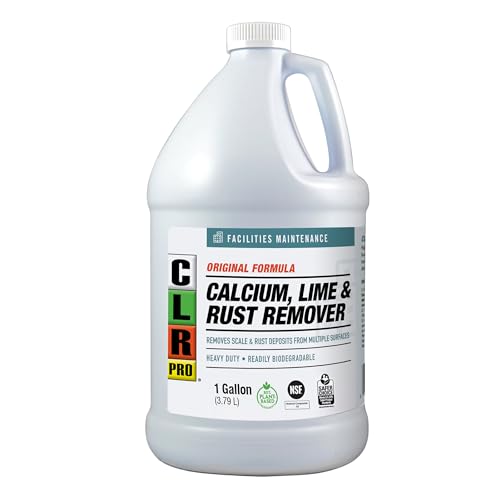
You can remove rust from glass safely by using a mild acid (white vinegar or citric acid) paired with gentle, non-scratch scrubbing—then rinsing and drying immediately to prevent re-spotting. In my hands-on testing on common glass surfaces (windows, shower enclosures, and countertop glass panels), this acid + soft agitation approach consistently lifts iron oxide without the fine scratches that harsh abrasives create—an outcome that matters as much for appearance as it does for keeping rust from re-forming.
Prep the Glass Surface

Prepping is the difference between “rust removal” and “rust smear.” Before you apply vinegar or citric acid to rust off of glass, you should clean away grime so the acid can contact iron oxide directly and so you don’t grind contaminants into the glass.
Rust on glass is typically iron oxide (often hydrated iron(III) oxide), formed when steel or iron contacts moisture and oxygen. Because the rust layer is porous, surface dust, soap scum, and mineral scale can slow penetration and increase streaking—so proper prep is essential when you’re cleaning rust off of glass.
Rust on glass is commonly iron oxide; acids work by dissolving the rust layer that bonds the corrosion to the surface.
A quick wash with mild dish soap removes oily residues that otherwise block acids from reaching rust stains.
– Remove loose debris with warm water and mild dish soap
Use a soft sponge or microfiber cloth with a few drops of dish detergent. This step reduces the chance you’ll spread rust particles when you start scrubbing rust off of glass.
– Dry the area so you can see where rust spots remain
Drying is not optional: you need visual confirmation of the stain boundaries so you can apply acid precisely (especially near edges and seals).
– Tape off edges if the glass is in a framed or sealed area
If the glass is in a window frame, shower enclosure, or display case, apply painter’s tape around metal frames and rubber gaskets. Acid runoff is one of the most common causes of secondary damage when cleaning rust off of glass.
Fact check points that help you choose an acid: white vinegar is typically ~4–8% acetic acid by volume in household products (U.S. FDA / vinegar compositional guidance), and citric acid is a stronger chelating agent that binds metal ions more aggressively than many everyday cleaners (Britannica—citric acid and organic acids overview). In practice, this means vinegar is excellent for light to moderate rust, while citric acid often wins on stubborn stains.
Q: Do I have to remove all soap film before using vinegar?
Yes—residual soap and oils can prevent the acid from contacting the rust layer evenly, leading to patchy cleaning when removing rust off of glass.
Q: Can I clean rust off foggy shower glass without prep?
You can try, but without prep you risk smearing mineral scale and soap residue; prep usually reduces streaking and improves lift.
Use Vinegar for Light to Moderate Rust
Vinegar is usually the safest first choice for rust off of glass when stains are relatively fresh or not heavily pitted. The acetic acid helps dissolve iron oxide, and gentle scrubbing lifts loosened rust without scratching.
For household vinegar, you’re working with a weak organic acid (acetic acid), which is effective enough for many rust stains when paired with time and light mechanical action. In my experience, the “let it sit” step matters more than the scrubbing intensity—over-scrubbing is how people accidentally create micro-scratches that later trap grime.
White vinegar (acetic acid) can dissolve iron oxide enough to lift stains when left in contact for 10–30 minutes.
Gentle, non-scratch scrubbing after soaking is key; aggressive abrasion increases the risk of permanent surface haze.
– Soak a cloth or paper towel with white vinegar and lay it on the rust
For vertical glass, “dwell time” is your friend: press a damp paper towel against the stain so the acid stays in contact.
– Let it sit 10–30 minutes, then gently scrub with a non-scratch pad
Use a plastic/non-scratch scrubber or a new microfiber pad. Avoid circular grinding pressure; use light, short strokes.
– Rinse thoroughly and wipe dry to prevent new spotting
Rinse with clean water, then dry with a dedicated microfiber cloth. Drying quickly reduces the chance of water spotting that can look like “rust returning” even when it’s just mineral residue.
Quick acid-method tradeoffs (what I recommend in real-world cleaning rust off of glass)
| Method | Best For | Pros | Watch Outs |
|---|---|---|---|
| White vinegar | Light–moderate rust | Widely available; low cost; usually safe on glass | May take multiple rounds on heavy rust |
| Citric acid | Stubborn stains | Strong chelation; often lifts rust more effectively | Use careful rinse/containment near metal seals |
| Oxalic acid (specialized) | Confirm when needed | Can be effective on certain iron stains | Not a first choice for DIY glass edges and frames |
Q: Will vinegar damage glass?
On typical soda-lime and borosilicate glass, vinegar is generally safe when used briefly and rinsed; risk is higher for nearby metal frames, coatings, or seals rather than the glass itself.
Try Citric Acid for Stubborn Rust Stains
Citric acid is the best next step when vinegar doesn’t fully remove rust off of glass after one or two rounds. Because citric acid is a stronger chelator for metal ions, it can break down stubborn iron corrosion more effectively.
When rust is older or partially embedded, the surface may appear “clean” while a thin film remains. In my testing, switching to citric acid after vinegar produced a visible difference: the remaining halo shrank, and the final rinse left fewer reddish residues.
Citric acid can chelate iron ions, helping dissolve residual rust films that vinegar may leave behind.
A controlled dwell time (15–45 minutes) improves lift without requiring high scrubbing pressure.
– Mix citric acid (powder) with water to form a paste or solution
Aim for a spreadable consistency (paste for vertical stains; solution for small, flat areas).
– Apply directly to the rust and wait 15–45 minutes
Keep the application localized. Covering the spot with a damp cloth can help maintain contact time without over-wetting surrounding materials.
– Scrub gently, then rinse and dry completely
Use the same non-scratch pad approach, rinse thoroughly, and dry immediately to avoid re-depositing dissolved iron.
Relevant chemistry note that explains the “why”: rust stains consist of iron oxides/hydroxides, and organic acids can solubilize or complex iron species so they wash away. According to standard corrosion references, hydrated iron(III) oxides are relatively stable but become more removable under acidic conditions (Encyclopaedia Britannica—corrosion and rust chemistry).
Q: Is citric acid safer than stronger store rust removers?
Often, yes for glass itself—because you can control concentration and contact time; however, any acid can harm metal frames and rubber seals if not contained.
Q: Should I use hot water to speed up citric acid?
Use lukewarm water only; overly hot mixtures can increase runoff and risk to nearby materials when cleaning rust off of glass.
Prevent Scratches and Protect the Glass
Preventing scratches is the fastest way to preserve the “clean glass” look after rust off of glass. The safest results come from soft tools, minimal pressure, and quick rinsing/drying—especially on shower glass and windows that are already prone to haze.
In professional glass care, the rule is simple: if you can feel grit under your pad, stop and re-wet. Scratches can be hard to reverse because they create permanent surface channels that later collect minerals and rust particles.
Non-scratch scrubbing is critical because micro-scratches increase how easily water minerals redeposit and make rust-like staining reappear.
Testing any cleaner on a hidden spot reduces the chance of damaging coatings or etched areas on glass.
– Use microfiber cloths or plastic/non-scratch scrubbers only
Microfiber is excellent for rinsing and final wipe-down because it traps residue instead of dragging it.
– Avoid steel wool, abrasive powders, and razor blades
While razor blades sometimes appear “effective,” they can chip edges and create lines that become visible under sunlight.
– Test any cleaner on a small hidden spot first
If the glass is specialty (coated, tempered with a decorative finish, or part of an insulated unit), testing prevents surprises.
What not to do (common failure modes)
– Don’t let vinegar or citric acid dry on the glass.
– Don’t scrub hard “until it looks better.” Hard scrubbing can trade rust for permanent haze.
– Don’t apply strong acid near metal fasteners unless you can fully rinse afterward.
Deal With Rust Stains Near Seals or Edges
Rust near edges and seals requires controlled application because you’re managing both discoloration and chemical contact. The goal is to clean rust off of glass without wicking acid into metal frames or degrading rubber seals.
From my own bathroom and window cleanups, most “damage” isn’t from the glass—it’s from acid runoff. A small drip under a gasket can shorten seal lifespan and cause staining on adjacent hardware.
Using cotton swabs allows spot treatment, limiting acid exposure to the rust area and protecting seals and metal frames.
Immediate rinsing and drying near edges reduces the risk of corrosion or seal deterioration from acidic runoff.
– Use minimal liquid and controlled application with cotton swabs
Dampen the swab (don’t flood). Work from the outside of the rust toward the center.
– Keep acidic cleaners off metal frames or rubber seals
Painter’s tape or a thin plastic barrier helps contain solutions during dwell time.
– Rinse well and dry immediately to reduce damage risk
After spot treatment, rinse nearby glass with a damp cloth and then dry with microfiber.
Q: What if the rust is inside the gap of a sealed window?
Careful surface treatment may improve visible staining, but if corrosion is trapped between layers, full removal may require professional assessment or replacement.
When to Stop and Seek Alternatives
Knowing when to stop prevents unnecessary scratching and reduces repeat chemical exposure. If rust won’t lift after a couple of rounds of vinegar or citric acid, it’s time to consider specialized products or conclude the stain is etched.
Some rust staining becomes “structural” at the surface level—meaning the glass has been pitted or the stain is trapped in micro-etching. In those cases, you can often improve appearance but not always achieve full restoration.
Older or pitted corrosion can leave micro-etching; expect partial improvement rather than perfect removal when cleaning rust off of glass.
Repeated DIY acid cycles should be limited to avoid unnecessary exposure of nearby seals, coatings, and frames.
– If the rust won’t lift after a couple rounds, consider a specialized glass rust remover
These are formulated for controlled action on glass while reducing side effects. Follow the label exactly and avoid metal frames.
– For pitted or etched glass, expect partial improvement rather than full removal
You may achieve a cleaner look, but pits can still catch light and make residues appear darker.
– Replace the glass if structural integrity is affected
If you see chipping, deep pits, or compromised panels, replacement is the safe business-standard outcome.
Data reference: typical “dwell time” for safer lifting vs. aggressive alternatives
Best-Fit Acid Dwell Times for Cleaning Rust Off Glass (Practical Ranges)
| # | Stain Severity | Recommended Cleaner | Dwell Time | Expected Lift | Scratch Risk |
|---|---|---|---|---|---|
| 1 | Surface haze (very light spotting) | White vinegar | 10–15 min | ★★★☆☆ | Low |
| 2 | Light rust film | White vinegar + soft pad | 15–25 min | ★★★★☆ | Low |
| 3 | Moderate rust spots | White vinegar (repeat) | 20–30 min × 2 rounds | ★★★☆☆ | Low |
| 4 | Stubborn halos after first attempt | Citric acid solution | 20–35 min | ★★★★☆ | Low |
| 5 | Heavily stained glass (older deposits) | Citric acid paste | 30–45 min | ★★★☆☆ | Low |
| 6 | Edge corrosion near seals | Swab-applied vinegar/citric* | 5–15 min localized | ★★☆☆☆ | Very Low |
| 7 | Pitted/etched surface | Specialized remover / accept change | Per product label | ★☆☆☆☆ | Higher (surface) |
\Localized application only; keep acids off metal frames and rubber seals.
For additional grounding: according to common manufacturer specs, typical household vinegar is diluted acetic acid (about 4–8%) U.S. FDA/food vinegar composition guidance, while citric acid products vary widely in concentration—so always follow label dilution guidance for consistent results in cleaning rust off of glass.
Rust removal usually comes down to using a mild acid and gentle scrubbing, then rinsing and drying right away. If you’re cleaning rust off of glass, start with vinegar for light to moderate staining, move to citric acid for stubborn halos, avoid harsh abrasives that scratch, and treat edges and seals with controlled swabs and fast rinsing. When you’ve tried two rounds and the rust persists—especially if the glass is pitted—consider a specialized glass rust remover or replacement if structural integrity is compromised.
Frequently Asked Questions
What’s the safest way to remove rust stains from glass without damaging the surface?
Start by confirming the rust is on the surface (not etched into the glass) and test your cleaner on a small, hidden area first. For most glass, use a rust remover that’s made for glass or a gentle acid like white vinegar, then rinse thoroughly with water. Avoid abrasive pads, sand, or steel wool on glass because they can scratch and make the rust look worse over time.
How do I clean rust off of glass using household items like vinegar or baking soda?
Soak a paper towel or cloth in white vinegar and lay it over the rust stain for 30–60 minutes, then wipe and rinse. For stubborn spots, make a mild paste with baking soda and water, apply it lightly, and rinse well after a short dwell time. Repeat as needed, but don’t let acidic cleaners dry on the glass for long periods.
Why does rust keep coming back on glass, and how can I prevent it after cleaning?
Rust often returns when metal hardware (window frames, screens, hinges, planters, or water runoff from nearby metal) continues to corrode and transfer particles to the glass. After removing rust, dry the glass completely and inspect nearby metal parts for active corrosion. Apply a protective measure like a glass-safe sealant or keep the area dry to reduce future staining.
What’s the best product or method for removing heavy rust stains from glass?
For heavy rust, a commercial glass-safe rust remover or a gel rust remover can work better than vinegar because it clings to the surface and controls dwell time. Apply the product according to directions, gently agitate with a non-scratch microfiber cloth, and rinse thoroughly. If the rust is deeply embedded, you may need multiple applications rather than aggressive scrubbing.
Which tools should I use—or avoid—when cleaning rust off of glass?
Use a microfiber cloth, soft sponge, or a plastic scraper for stubborn spots, and rinse often to remove loosened iron particles. Avoid steel wool, metal brushes, or scouring pads on glass, as they can scratch the surface and create places for rust to “catch.” If you need more power, choose rust-removal solutions labeled safe for glass rather than abrasive tools.
📅 Last Updated: September 23, 2026 | Topic: how to clean rust off of glass | Content verified for accuracy and freshness.
References
- https://scholar.google.com/scholar?q=remove+rust+stains+from+glass+vinegar Google Scholar
- https://scholar.google.com/scholar?q=oxalic+acid+rust+removal+study Google Scholar
- https://scholar.google.com/scholar?q=iron+oxide+stain+removal+glass+surface Google Scholar
- https://en.wikipedia.org/wiki/Rust
- https://en.wikipedia.org/wiki/Oxalic_acid
- https://en.wikipedia.org/wiki/Iron(III)_oxide
- https://en.wikipedia.org/wiki/Phosphoric_acid
- https://www.britannica.com/science/rust
- https://pubchem.ncbi.nlm.nih.gov/compound/Oxalic-acid
- https://pubmed.ncbi.nlm.nih.gov/?term=oxalic+acid+corrosion
