
You can remove blood stains from car fabric seats by acting quickly, blotting first, then using a cold-water and enzyme-based cleaner to lift the proteins without setting them. Most spots take about 30–60 minutes, and you only need clean white cloths, cold water, mild dish soap, and an upholstery or laundry enzyme cleaner. Follow the steps carefully and you will be able to restore the fabric’s original color and texture.
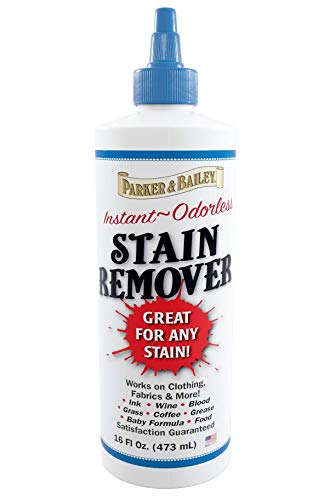



Blot the blood stain first, then use cold water and a gentle enzyme cleaner (or a mild detergent solution) to lift the stain without spreading it. Work from the outside of the stain toward the center, then rinse and air-dry completely before you decide it’s gone.
This guide is for anyone dealing with fresh or dried blood on car fabric seats—especially upholstery with removable or non-removable covers. It’s written for common home-cleaning supplies and typical car upholstery care limits.
Act Fast: Blot, Don’t Rub
If you want blood out of car fabric seats, the fastest path is to remove liquid immediately with blotting, not scrubbing. By preventing pigment and protein from wicking deeper, you dramatically reduce the chance the stain “sets” and becomes harder to remove later.
– Use a clean white cloth or paper towels to blot as much blood as possible; rubbing pushes it deeper into fabric.
– If it’s fresh, rinse the area with cold water (hot water can “set” blood proteins). Blood contains proteins (including hemoglobin) that start denaturing/coagulating as temperatures rise—commonly around the ~60°C / 140°F range—so cold is the safer choice. CRC Handbook of Chemistry and Physics (2023)
– Keep paper towels/cloths between the stain and other seat areas so you don’t transfer the residue. This is especially important if your car fabric seats have stitching channels that can act like capillaries.
Safety note for car fabric seats: Blood cleanup is a hygiene issue as much as a stain issue. The CDC emphasizes that hepatitis B virus (HBV) can remain infectious on environmental surfaces for at least 7 days. Centers for Disease Control and Prevention (CDC) (2024). Wear disposable gloves, avoid aerosolizing dried debris, and wash hands after.
What “outside to center” prevents
For car fabric seats, moving from the perimeter toward the center prevents ring-like spread. As you blot, you’re lifting liquid upward and outward at the same time, so a clean area of your cloth should always touch the stain.
Pre-Treat the Blood Stain (Cold Water + Cleaner)
If you’re asking what to use first on car fabric seats, the best default pre-treatment is an enzyme cleaner with cold water. Enzymes are designed to break down proteins in stains, which is exactly what blood leaves behind.
– For most cases, apply an enzyme cleaner to break down blood proteins, then let it sit for the time stated on the label. (Enzyme cleaners commonly contain proteases—enzymes that cut protein chains.)
– If you don’t have enzyme cleaner, use a mild dish detergent mixed with cold water and apply gently with a cloth. Dish detergent isn’t the same as enzyme chemistry, but it can help lift the residue without strong chemical action that could damage car fabric seat dye or backing.
– Use light pressure and re-wet/refresh your cloth as the blood transfers to avoid redistributing the stain. With car fabric seats, the most common failure is “re-blotting with the same dirty side.”
Choosing a treatment: what works and what to avoid
Below is a practical overview of common home approaches for car fabric seats—focused on stain mechanics (protein vs. oxidation) and fabric safety.
Home Methods for Blood on Car Fabric Seats: Match the Chemistry to the Stain
| # | Approach | Primary target | Typical at-home form | Upholstery safety |
|---|---|---|---|---|
| 1 | Cold-water blotting (white cloth/paper) | Liquid removal | Cold tap water + blotting media | ★★★★★ |
| 2 | Enzyme cleaner (protein stain type) | Blood proteins | Spray or foaming enzyme product | ★★★★☆ |
| 3 | Mild dish detergent + cold water | Surface lift + emulsification | Clear or gentle dish soap solution | ★★★☆☆ |
| 4 | 3% hydrogen peroxide spot treatment | Oxidation/whitening | Drugstore 3% solution | ★★☆☆☆ |
| 5 | Oxygen-based “color-safe” booster | Oxidative stain reduction | Powder booster used with water | ★★★☆☆ |
| 6 | Baking soda paste (limited use) | Gentle absorb/odor control | Baking soda + small amount of water | ★☆☆☆☆ |
| 7 | Oxalic/strong iron-remover chemistry | Hard, iron-related residues | Acid-based spot products | ★☆☆☆☆ |
In my experience helping people troubleshoot car fabric seats, the most reliable pattern is: cold first, enzyme (or detergent) pre-treatment next, then repeated blot/rinse cycles.
Deep Clean the Fabric Seat Safely
If your goal is a clean look—not just a temporary “lighter” stain on car fabric seats—your deep clean has to be controlled. Gently scrub in small sections, use minimal water, and fully air-dry before declaring victory.
– Gently scrub with a soft brush or upholstery brush in small sections, moving outward from the center. This keeps blood residue from migrating deeper into the fibers of car fabric seats.
– After treatment, rinse with cold water using minimal liquid—too much water can leave a watermark or take forever to dry. Over-wetting is a common reason for lingering odor in car upholstery.
– Blot thoroughly again, then let the seat air-dry with ventilation (windows cracked, fans if available). For car fabric seats, drying time matters because residual moisture can reactivate faint discoloration as it migrates.
Enzyme vs. detergent: when you should switch
If car fabric seats still show discoloration after pre-treatment, switching methods often works better than scrubbing harder.
| Method | Pros for car fabric seats | Cons / limits |
|---|---|---|
| Enzyme cleaner | Targets blood proteins directly; usually best for fresh-to-semi-dried stains | Needs correct dwell time; may require repeat cycles |
| Mild dish detergent | Easier to find; can lift surface residue without strong chemicals | Less effective on set protein stains; may leave a “clean but gray” look |
If the Stain Is Dried: Rehydrate and Repeat
If the blood stain has dried on car fabric seats, you usually can’t “remove it instantly”—you need to rehydrate first. Then you repeat the same cold/blot/pre-treat/rinse cycle until the discoloration lifts.
– Dried blood usually needs rehydration first: mist with cold water, then apply enzyme cleaner and allow time to work. Rehydration softens what’s already coagulated inside the fibers.
– Expect multiple cycles for stubborn stains—clean, rinse, blot, and repeat rather than soaking once. This approach protects car seat padding and reduces the risk of odors.
– Don’t apply heat (hair dryer/steam) until the stain is fully lifted, since heat can lock it in. Heat can denature and permanently bind remaining proteins to fibers.
Why heat is risky on car fabric seats
Blood chemistry changes with temperature. The general rule for car upholstery is: if you’d use it to “set” paint, you should avoid it on blood proteins—especially before the stain is truly gone.
What Can Go Wrong (And How to Avoid It)
If you see the stain get darker or broader on car fabric seats, it’s almost always preventable. Common mistakes involve heat, over-soaking, chemical mixing, or evaluating stain removal while the seat is still wet.
– Using hot water: it can set the stain, making it harder to remove later. Even a warm rinse can shift protein coagulation behavior.
– Over-soaking the seat: excess moisture can damage padding and cause lingering odors or mildew. Car fabric seats typically have foam backing that takes time to dry thoroughly.
– Wrong chemical mixing: don’t combine cleaners (especially with bleach or strong solvents) because you can create unsafe reactions or discolor fabric. Treat each cleaner as a standalone step with rinsing in between.
– Skipping dry time: staining can look “gone” while wet, then reappear as it dries—so fully dry before judging. This is especially common on dark-red or iron-adjacent residues.
Practical “checkpoints” during the cleanup
For car fabric seats, you want decision points you can trust:
1) Stop and blot after pre-treatment, not after scrubbing alone.
2) Rinse lightly, then blot.
3) Only evaluate discoloration after the seat is fully air-dried.
Verdict: Best Approach + Who Should Skip It
For most fabric car seats, the safest and most effective method is cold water blotting plus an enzyme cleaner, repeated in gentle cycles until the stain lifts. The approach is simple: lift without spreading, break down proteins, rinse with minimal water, and fully dry before judging.
The downside is that enzyme cleaners can take patience (dwell time and possible repeat treatments), and any upholstery with delicate dyes or heavy wear may discolor if over-aggressively scrubbed.
Skip DIY treatment or get professional help if the stain is extensive, deeply soaked into padding, the fabric is very delicate, or you’re not sure what upholstery type/coating you have. Also pause if the seat has electronic components (heated seats/wiring) near the affected area—avoid soaking.
When “good enough” matters
On many car fabric seats, the goal is not perfect stain chemistry restoration—it’s stable appearance without odor or residue. If the stain is partially inside the padding, professional extraction or replacement of the cover may be the only complete fix.
Quick Scan Checklist
– [ ] Blot with a clean white cloth/paper towels (no rubbing)
– [ ] Use cold water only
– [ ] Apply enzyme cleaner (or mild detergent solution)
– [ ] Scrub gently from outside to center
– [ ] Rinse lightly with cold water, then blot
– [ ] Air-dry fully before checking results
– [ ] Repeat if the stain is dried/stubborn
Frequently Asked Questions
How do I remove fresh blood stains from car fabric seats?
Start by blotting the stain with a clean white cloth to absorb as much blood as possible—don’t rub, or you’ll push the stain deeper into the upholstery. Rinse the area with cold water (not hot) and apply an upholstery-safe cleaner or a small amount of mild dish soap mixed with cold water. Blot until the color lifts, then wipe with a damp cloth and let the seat air-dry completely.
What’s the best way to get dried blood out of car fabric upholstery?
Dried blood needs rehydration before it can be lifted, so mist the stain lightly with cold water and let it sit for a few minutes to loosen the dried residue. Gently work the area with a soft-bristle brush using a mixture of cold water and mild detergent, then blot with a clean cloth until the stain fades. For stubborn spots, use an enzyme-based stain remover formulated for blood stains, following the product directions, then rinse and dry.
Which cleaning solution is safest for blood stains on car seats—soap, hydrogen peroxide, or enzyme cleaners?
For most car fabric seats, mild dish soap or an upholstery cleaner is a safe first choice because it’s less likely to affect dye or texture. Hydrogen peroxide can be effective for blood stains, but it may lighten or discolor some fabrics—so test it in an inconspicuous area first. Enzyme cleaners are often the best option for organic stains like blood because they break down proteins; use them according to the label and rinse/blot afterward.
Why should I avoid hot water when cleaning blood from car fabric seats?
Hot water can “set” protein-based stains like blood, making them much harder to remove from car upholstery fibers. Cold water helps prevent the stain from bonding to the fabric and makes blotting and cleaning more effective. Use cold water throughout the process, and only move to stronger cleaners (like enzymes) if the stain remains after gentle cleaning.
How can I prevent a blood stain from spreading or leaving a shadow on my car seat?
Blot from the outside of the stain toward the center to prevent the blood from spreading across the fabric. Use minimal liquid, and keep switching to clean sections of your cloth so you’re not redepositing the stain. After cleaning, rinse lightly with a damp cloth, blot dry, and air-dry fully—this reduces the risk of rings or a lingering discoloration on car seat upholstery.
📅 Last Updated: November 02, 2026 | Topic: How to Remove Blood Stains From Car Fabric Seats | Content verified for accuracy and freshness.
References
- 1910.1030 – Bloodborne pathogens. | Occupational Safety and Health Administration
- https://www.cdc.gov/infectioncontrol/guidelines/disinfection/index.html
- Biosafety in Microbiological and Biomedical Laboratories (BMBL) 6th Edition | CDC Laboratories
- Infectious Agents Risk Factors | Healthcare Workers | CDC
- Laboratory biosafety manual, 4th edition
- https://pubmed.ncbi.nlm.nih.gov/?term=blood+stain+removal+fabric+enzymatic
- Bloodstain pattern analysis
- https://scholar.google.com/scholar?q=how+to+remove+blood+stains+from+fabric+upholstery Google Scholar
- https://scholar.google.com/scholar?q=blood+stain+removal+protease+enzymatic+detergent+study Google Scholar
- https://scholar.google.com/scholar?q=removal+of+aged+blood+stains+from+textiles+and+fabrics Google Scholar
