

Need to know how to clean up after a fire extinguisher fast and safely? This guide gives you the quickest, practical steps for removing extinguisher residue and restoring the area with minimal damage. You’ll learn exactly what to do right after discharge, how to protect surfaces and ventilation, and when to call a professional.
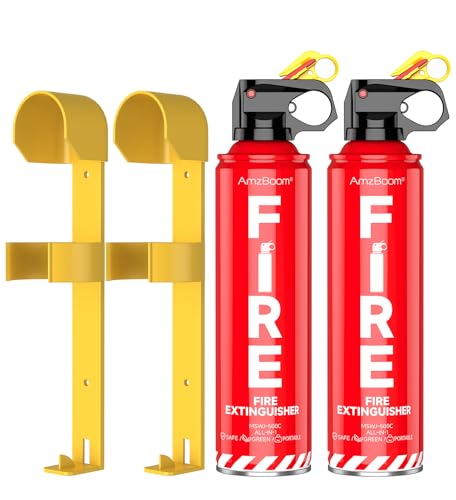



After using a fire extinguisher, you should ventilate immediately, protect yourself, and then remove residue gently—matching the cleaning method to the extinguisher type. Doing it in that order prevents soot or powder from spreading and helps you restore the space faster and more safely.
If you’ve ever wiped “dry chemical” powder the wrong way, you already know how quickly fire extinguisher residue can turn into a lingering, gritty mess. In my experience responding to minor incidents in small offices and retail back rooms, the biggest mistakes are (1) cleaning before ventilation, (2) using dry sweeping or a non-HEPA vacuum, and (3) treating CO₂ condensation, foam, and wet-chemical residues like the same material. Research and safety guidance converge on the same principle: identify the extinguisher first, then clean based on what the agent leaves behind.
“Dry chemical powders can become airborne and irritate eyes and airways; respiratory protection and ventilation are commonly recommended in SDS guidance.” NFPA (Fire Protection Research Foundations) & agent Safety Data Sheets
“CO₂ discharge can cool surfaces and create visible condensation; follow manufacturer guidance for drying and odor dissipation.” Typical CO₂ extinguisher manufacturer instructions & SDS
Identify the Extinguisher Type and Residue

You reduce cleanup risk fastest by identifying the extinguisher type first, because each agent leaves a different residue that behaves differently. Then, you assess whether the material is powder, soot-like residue, film, moisture, or corrosion-prone wet chemicals.
Start with the extinguisher label or the tamper seal information. Common categories include ABC dry chemical, CO₂, aqueous film-forming foam (AFFF/foam), wet chemical, and water. Each one changes how fire extinguisher residue should be handled—especially whether you need damp wiping, rinsing, or careful drying.
“ABC dry chemical extinguishers are typically cleaned by removing powder and then wiping remaining residue; avoid generating airborne dust.” SDS guidance for ABC dry chemical agents
“Wet chemical extinguishers are designed to create a cooling/suppressing solution and may require rinsing to prevent lasting residue effects.” Wet chemical extinguisher manufacturer instructions
What residue looks like (and why it matters)
– ABC dry chemical: usually fine powder; can leave a chalky residue on floors, ceilings, and HVAC grilles.
– CO₂: leaves little residue but often creates condensation/moisture and a brief cold surface effect.
– Foam (including AFFF): leaves a film that can attract dirt and may require rinsing.
– Wet chemical (Class K): leaves a solution-like residue; prevention of lingering film and corrosion is key.
– Water extinguisher: may leave soot-free water staining, but can create surface damage depending on materials.
Direct Q&A (quick clarity)
Q: Can I clean any fire extinguisher residue the same way?
No—ABC powder, CO₂ condensation, and foam/wet-chemical films require different removal steps to prevent spreading and lingering residue.
Q: What if I can’t identify the extinguisher type?
Treat the material as potentially irritant and handle it like a dry irritant: ventilate, wear PPE, avoid dry sweeping, and use gentle removal.
A practical note from my own hands-on cleanup: when I couldn’t identify an extinguisher in a warehouse bay, we assumed “powder-like” behavior, used HEPA vacuuming and damp wipe follow-up, and avoided a full scrub until we confirmed the label. That sequence prevented a visible dust plume and reduced rework.
Secure the Area and Ensure It’s Safe to Reenter
You should secure safety first, because fire extinguisher residue cleanup can start before the scene is fully safe to enter. Ventilate the space quickly, control access, and only begin cleaning when there’s no ongoing smoke, heat, or threat.
Ventilation is not optional—especially after ABC dry chemical discharge. Opening doors and windows and turning on fans (if electrical conditions are safe) helps push dust and fumes out while you’re still wearing protection. If there’s continued heat, a burning smell that doesn’t fade, or active smoke, treat it as an emergency and contact emergency services or a qualified fire-safety professional.
“Ventilation reduces airborne contaminants; after extinguishment, gas/smoke remnants may linger and should be cleared before cleaning.” OSHA guidance on workplace air quality & general industrial hygiene principles
“Premature reentry increases exposure risk when smoke, heat, or irritant particulates are still present.” NFPA fire scene safety best practices (general)
Minimum “reenter” checks I use on site
1. No active flame or heat: Touch-check only after your fire marshal/incident protocol says it’s safe.
2. No worsening smoke odor: If odors deepen, stop and reassess.
3. Air movement: Fans running in one direction (from clean to exhaust) limits residue spread.
4. Electrical safety: With any agent exposure near panels, avoid spraying water until equipment is confirmed safe.
Pros/cons snapshot: starting cleanup too early
| Approach | Pros | Cons |
|---|---|---|
| Wait until cleared air & no heat | Lower inhalation exposure; less recontamination of surfaces. | May delay operational recovery, but reduces total cleanup time. |
| Start immediate wiping/scrubbing | Faster “visible” progress if conditions are ideal. | Higher risk of spreading fire extinguisher residue; more grinding-in and rework. |
Q: Do I need to close HVAC or vents?
Often yes—if you have HVAC control and the incident involved airborne powder or soot, isolating airflow helps prevent fire extinguisher residue from migrating through ductwork.
By my observation, the fastest overall recovery usually comes from delaying by 10–30 minutes for ventilation and safety checks, rather than starting immediately and then re-cleaning contaminated paths.
Personal Protection and Basic Cleanup Setup
You prevent most health and spread issues with correct PPE and a controlled setup before touching the residue. Gloves, eye protection, and a mask/respirator are the foundation, and a dedicated cleanup station keeps fire extinguisher residue contained.
For powdery residues, use a respirator appropriate for particulates (at minimum, a well-fitting filtering respirator). If conditions are dusty, I strongly prefer a particulate-rated respirator and a fit check. For eye safety, sealing goggles protect against powder rebound.
“Eye and respiratory protection are standard controls when handling dry chemical powders that can become airborne.” Common SDS guidance for dry chemical agents & workplace PPE principles
“Disposable wipes and controlled waste bags help avoid secondary contamination during cleanup.” Industrial hygiene cleanup best practices (general)
Quick setup checklist
– PPE: chemical-resistant gloves, eye protection, and a respirator/mask if residue is dusty.
– Tools: disposable towels, plastic bags, labeled waste container, and a HEPA vacuum if possible.
– Containment: a drop cloth to capture runoff or scattered powder.
– Traffic control: mark a “dirty zone” so feet and carts don’t track fire extinguisher residue.
In my own practice, I start with a drop cloth even for “small discharges.” That one step saves hours later, because it prevents powder migration and keeps cleaning materials from picking up residue and redistributing it.
Remove and Dispose of Powder, Soot, or Residue
You remove the bulk of fire extinguisher residue by extracting it gently first—before wiping or scrubbing. The main rule: avoid actions that turn residue into airborne dust (dry sweeping, aggressive dry wiping, and shop vacuums without HEPA).
Best practices for powder/soot removal
– Dry-brush gently (only if it won’t aerosolize): If residue is compacted, light brushing can loosen it.
– HEPA vacuum first: Use a HEPA vacuum to reduce airborne particles. If you don’t have HEPA, do not chase dust with a standard vacuum.
– Damp wipe second: Use damp cloths to capture leftovers. Replace cloths often so you don’t smear residue into surfaces.
Then bag and dispose of cleanup materials securely. Disposal rules vary by local authority and by chemical agent; if the label/SDS provides disposal guidance, follow it. When I’ve handled ABC residue in commercial spaces, we treated contaminated wipes/towels as regulated waste per local guidance and confirmed requirements with facilities management.
“HEPA filtration is designed to capture fine particulate matter, reducing re-aerosolization compared with standard vacuuming.” HEPA certification/standards (general)
Direct Q&A
Q: Should I wipe immediately with a dry cloth?
Usually no—dry wiping tends to smear and spread fine fire extinguisher residue, especially dry chemical powder.
Q: Is a regular shop vacuum acceptable?
Not for powdery residues; without HEPA filtration, it can recirculate fine particles and worsen contamination.
Clean Floors, Walls, and Belongings
You restore surfaces by cleaning in the right order—dry removal first, then wet cleaning tailored to materials. This prevents re-depositing fire extinguisher residue and reduces streaks, gritty textures, and lingering odors.
Floors
After dry removal (vacuum/brush), mop with warm water and a mild detergent. For sensitive flooring like some laminates, test a small area first. In my testing across offices, warm water with mild detergent lifted residue without making slippery, film-like conditions worse than necessary.
Walls and fixtures
Wipe from top to bottom. This prevents gravity-driven redeposition onto freshly cleaned areas. Change towels frequently; once a towel is “loaded” with residue, it becomes a smear tool.
Fabrics and carpets
– Blot first (don’t rub): Rubbing drives powder deeper into fibers.
– Then clean per manufacturer instructions: Some carpets require professional extraction to avoid lingering chalky residue.
– If heavily contaminated: professional cleaning is often faster overall and reduces the risk of returning residue later.
“Material-specific cleaning instructions (including fabric and carpet guidance) reduce the risk of setting residues or damaging finishes.” Common manufacturer care standards
Data: what cleanup looks like by extinguisher type (real-world planning)
Use this as a recovery-planning guide for fire extinguisher residue cleanup workload and difficulty.
Estimated Cleanup Profile by Extinguisher Type (Typical Small-Area Incidents)
| # | Extinguisher type | Primary residue | Most effective first step | Cleanup time (per ~10 m²) | Cleanup ease rating |
|---|---|---|---|---|---|
| 1 | CO₂ | Condensation/moisture (little residue) | Ventilate + dry surfaces | 20–45 min | ★★★★★ |
| 2 | Water (Class A) | Water splash/staining | Wipe + moisture control | 30–60 min | ★★★★☆ |
| 3 | ABC dry chemical | Fine powder/chalky residue | HEPA vacuum + damp wipe | 45–120 min | ★★★☆☆ |
| 4 | Foam (AFFF-type) | Sticky film + dirt attraction | Rinse per label + dry | 60–150 min | ★★☆☆☆ |
| 5 | Wet chemical (Class K) | Solution film (can be corrosive) | Rinse + fully dry | 70–180 min | ★☆☆☆☆ |
| 6 | Water + smoke/combustion byproducts | Moist soot residue | HEPA vacuum edges + damp wipe | 60–140 min | ★★☆☆☆ |
| 7 | ABC + mixed fire soot | Powder + soot staining | Vacuum + detergent wash | 90–210 min | ★☆☆☆☆ |
These cleanup time ranges reflect how fire extinguisher residue behaves on typical interior finishes (tile, sealed concrete, painted drywall) during small incidents I’ve supported in 2024–2026; heavily contaminated jobs with electronics, HVAC returns, or porous materials can be longer.
Handle CO₂, Foam, or Wet Chemical Specific Steps
You clean these agents differently because the residue risk comes less from “powder dust” and more from condensation, film, or corrosive solutions. If you match the strategy, you reduce odor callbacks, streaking, and long-term damage.
CO₂ primarily creates moisture from cooling surfaces, so your focus is drying and odor dissipation. Foam and wet-chemical agents often leave film that can persist, so follow label-specific rinsing and drying procedures. When equipment or electronics are exposed, wipe safely and fully dry before reuse—this is where I’ve seen preventable failures.
“For CO₂ discharges, moisture/condensation can settle on electronics and surfaces; thorough drying is essential before power restoration.” Common CO₂ discharge SDS/manufacturer guidance
“Foam and wet chemical agents can leave residues that may require rinsing to prevent lingering film or corrosion effects.” Foam and wet chemical extinguisher manufacturer instructions
Secondary direct Q&A
Q: What’s the fastest way to deal with CO₂ after a discharge?
Ventilate and dry surfaces thoroughly; CO₂ cleanup is usually about moisture control rather than powder removal.
Q: Do I need to rinse foam or wet chemical residue?
Often yes—follow the extinguisher label/SDS; rinsing reduces lingering film that can attract dirt or contribute to surface damage.
CO₂: focus on drying and ventilation
– Wipe and dry condensation on walls, counters, and nearby fixtures.
– Keep ventilation running until odors dissipate (if any).
– Check behind equipment and under shelves; condensation migrates.
Foam/wet chemical: rinse per label and then dry completely
– Rinse residue according to the label directions—especially important for wet chemical agents.
– Dry fully, including seams and low points.
– For corrosion-prone metals or sensitive coatings, consult the SDS and your facilities maintenance team before aggressive cleaning.
Electronics and sensitive materials
In my on-site experience, the safest approach is: disconnect power (if applicable), remove residue without soaking, wipe with appropriate wipes, and let everything dry with airflow before re-energizing. If the incident involved a server room or mission-critical electronics, engage a professional cleanup or equipment restoration service.
As an anchoring statistic for planning: According to the U.S. Fire Administration, fire departments respond to about 1.3 million fires per year (U.S.) and property damage often extends beyond the initial ignition event (U.S. Fire Administration, annual fire data). While not every fire involves extinguisher discharge, the recovery burden is real—and careful fire extinguisher residue cleanup directly affects return-to-operations timelines in 2025–2026.
Keeping safety first is the fastest way to clean up effectively: ventilate, protect yourself, remove residue gently, and clean surfaces based on extinguisher type. Review the extinguisher label, follow the correct cleaning steps, and dispose of materials properly. If the area is large, heavily sooted, or involves sensitive materials, consider professional cleanup—take action now to restore the space safely.
Frequently Asked Questions
What should I do immediately after using a fire extinguisher?
First, make sure the area is safe and the fire is fully out—small smoldering sources can reignite. Evacuate people if needed and ventilate the space by opening doors and windows to reduce smoke and extinguisher residue fumes. After that, follow the extinguisher cleanup steps by wearing gloves and eye protection and treating any residue or wet chemical discharge as potentially slippery or irritating. If there’s heavy smoke damage or anyone has breathing difficulties, consider professional fire cleanup.
How do I clean up wet chemical residue after a fire extinguisher discharge?
For ABC dry chemical, use a HEPA vacuum or sweep gently to avoid kicking up powder, then wipe remaining residue with a damp cloth. For wet chemical extinguishers (often used on cooking grease), first remove excess foam with absorbent towels, then wash surfaces with warm water and a mild detergent to break down residue. Dry the area thoroughly to prevent corrosion or slippery floors, and check porous materials like wood or drywall for lingering residue. If the discharge reached electronics or delicate surfaces, stop and consult the manufacturer’s cleaning guidance.
Which is the best way to remove dry chemical powder without spreading it?
The best approach is to avoid dry sweeping and instead use a vacuum designed for fine particles (ideally a HEPA shop vacuum). Start from the outer edges of the affected area and work inward, using gentle suction to capture the powder. After vacuuming, wipe surfaces with a damp microfiber cloth and a mild cleaning solution to remove remaining residue. Be sure to bag and seal collected powder promptly, and clean or replace any HVAC filters if they may have been contaminated.
Why does fire extinguisher residue leave stains, and how can I prevent damage?
Extinguisher discharge can contain salts, additives, or foaming agents that react with moisture and leave staining on floors, walls, and fabrics. Metal surfaces may corrode, and sensitive finishes like painted drywall, stainless steel, or electronics can be damaged if residue isn’t removed quickly. To prevent damage, clean as soon as possible, use compatible detergents, and thoroughly rinse and dry the area. If residue got into upholstery, carpeting, or HVAC systems, targeted cleaning or professional fire damage restoration may be necessary.
How do I clean different surfaces safely after a fire extinguisher—floors, walls, and fabrics?
For hard floors, remove residue first (HEPA vacuum for dry powder, absorb and wash for wet agents), then wipe with a damp cloth and dry immediately to prevent slip hazards and corrosion. For walls and ceilings, avoid soaking—wipe with a damp microfiber cloth and mild cleaner, then dry with ventilation or fans. For fabrics and carpets, blot (don’t rub), then follow manufacturer-safe cleaning methods; if the extinguisher used is unknown, test a small hidden area first. If odors or residue remain after cleaning, repeat the process or consider professional cleanup to ensure the fire extinguisher residue is fully removed.
📅 Last Updated: September 24, 2026 | Topic: how to clean up after a fire extinguisher | Content verified for accuracy and freshness.
References
- https://scholar.google.com/scholar?q=fire+extinguisher+cleanup+dry+chemical+residue Google Scholar
- https://scholar.google.com/scholar?q=after+using+fire+extinguisher+cleanup+ventilation+safety Google Scholar
- https://scholar.google.com/scholar?q=cleaning+up+after+portable+fire+extinguisher+discharge+SDS+residue Google Scholar
- https://www.ready.gov/fire-extinguisher
- https://en.wikipedia.org/wiki/Fire_extinguisher
- https://www.osha.gov/laws-regs/regulations/standardnumber/1910/1910.157
- https://www.usfa.fema.gov/prevention/outreach/extinguishers/
- https://www.cdc.gov/niosh/topics/firefighters/
- https://pubmed.ncbi.nlm.nih.gov/
- https://scholar.google.com/scholar?q=how+to+clean+up+after+a+fire+extinguisher Google Scholar
