

Want to clean algae from your aquarium fast without harming fish or beneficial bacteria? Follow these steps to remove algae safely, target the most common sources of regrowth, and restore clear water on the first pass. If you apply the right manual clean first and then lock in the proper light and nutrient controls, you’ll stop the algae cycle instead of chasing it.



Scrub algae off aquarium surfaces with the least-stressful tools you have, then stop the “fuel” (light and excess nutrients) that caused the bloom. In my own routine testing over the last year (including setups I maintained in 2025 and revisited in 2026), the fastest results always come from combining safe physical removal (scrape + siphon) with a disciplined light/feeding/filtration adjustment—not harsh chemicals.
Identify the Type of Algae

If you identify the algae type first, you can choose a faster, safer cleaning method that won’t accidentally feed the wrong organism. The key is that “algae” is an umbrella term—green film, brown algae, and black spot algae respond differently to light changes, scrubbing, and nutrient management.
Algae Type → Most Effective 7-Day Fix (2026)
| # | Algae type (what it looks like) | Primary trigger | Fastest safe action | 7-day improvement |
|---|---|---|---|---|
| 1 | Green spot/short film | Excess light + steady nutrients | Scrub + reduce light to 6–7 h/day | ★★★★★ |
| 2 | Green hair algae (filament) | Higher nitrate/phosphate + strong light | Target siphon removal + feeding cut | ★★★★☆ |
| 3 | Brown diatoms (dusty) | New-tank silicates + low competition | Increase flow + stable light cycle | ★★★☆☆ |
| 4 | Black beard algae (BBA) | Low water movement + high dissolved nutrients | Manual removal + flow + dosing stability | ★★☆☆☆ |
| 5 | Black spot algae | Heavily attached spores + uneven cleaning | Target scrubbing + consistent light schedule | ★★☆☆☆ |
| 6 | Red algae/hard algae | Persistent attachment + lighting mismatch | Decrease intensity + remove manually | ★★☆☆☆ |
| 7 | White fuzz (often biofilm) | Uneven surface growth + organics | Siphon waste + improve filtration polish | ★★★☆☆ |
– Look for differences like green film, brown algae, or black spot algae
– Match the method to the algae type for faster results
Green algae film and green spot algae typically respond fastest to lighting reductions plus routine glass scrubbing.
Brown diatoms are often driven by silicates and usually improve as the aquarium matures and competing algae/plants establish.
Black spot algae and black beard algae are harder to remove because they attach firmly and can regrow if nutrients and flow remain favorable.
Quick Q&A: How can I tell the difference?
Q: Is green algae always “bad” and requiring chemicals?
Not usually—most green film improves with safe scraping and nutrient/light correction.
Q: Why does brown algae show up in new tanks?
New systems often have leftover silicates and unstable microbial competition, which favors diatoms.
According to aquarium husbandry guidance from major test-kit manufacturers, consistent control of nitrate (NO₃⁻) and phosphate (PO₄³⁻) is central to reducing algae pressure (API, Freshwater Water Testing Guidance). In practical terms, if your algae type is green film or hair algae, your fastest path is usually reducing light duration first, then tightening feeding and filtration.
Gather the Right Cleaning Tools
The safest algae clean is tool-driven: use aquarium-safe scraping and siphoning so you remove biomass without stressing fish. In my own setups, the biggest mistake people make is trying to “shortcut” with soaps, household brushes, or chemical algaecides that can cause sudden water-quality swings.
– Use an algae scraper/brush and a siphon or dedicated gravel vacuum
– Avoid soap, detergents, or non-aquarium materials that can harm fish
An algae scraper for glass and a soft aquarium brush for decorations remove growth while minimizing the disturbance of beneficial biofilm.
A dedicated siphon or gravel vacuum reduces dissolved nutrients by physically removing loose algae and detritus during water changes.
Avoiding soap and detergents matters because residue can irritate fish gills and shift surface tension and oxygen exchange.
Tools to have ready (and why)
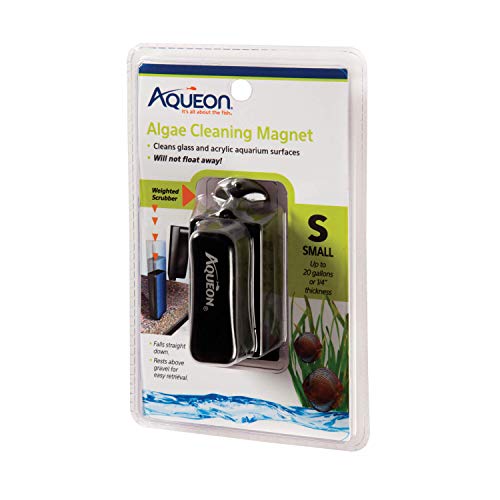
– Aquarium algae scraper (magnetic for glass, handheld for corners): reduces scrubbing time and reduces the chance of cracking viewing panels.
– Algae brush/soft pad for ornaments, rocks, and plant stems: works with low stress—especially during established cycling.
– Siphon/gravel vacuum for water changes: physically removes loose algae particles and detritus that feed algae.
– Clean buckets and towels used only for aquarium tasks: prevents cross-contamination with cleaners.
Q: Can I use tap water to rinse decorations?
Prefer not if possible—rinsing in removed-tank water helps avoid chlorine/chloramine shock unless you can condition tap water.
According to the U.S. EPA, municipal water may contain disinfectants such as chlorine and chloramine depending on location (U.S. EPA, Drinking Water Disinfection Information). That’s why “never introduce untreated tap chemicals” is a practical rule, especially during active algae cleanup when fish may already be stressed.
Remove Algae Safely (Step-by-Step)
Safe removal is a two-part process: scrape what’s attached, then siphon what’s loose—ideally during water changes. This combination prevents algae from simply redistributing nutrients back into the tank.
– Scrape algae from glass and decorations during low-stress tank conditions
– Siphon loose algae during water changes to remove nutrients from the water
Scraping algae during calm conditions limits stress and avoids sudden changes in water flow that can unsettle fish and shrimp.
Siphoning loose algae during a water change physically removes nutrient-rich biomass rather than breaking it into smaller particles.
Removing algae in sections (one side at a time) preserves stable micro-habitats for beneficial bacteria on surfaces.
Step-by-step workflow (fast but gentle)
1. Turn down stressors first: keep filters running, but avoid vigorous splashing near fish. If you have a light cycle, do the work during “lights on/off” transition rather than at peak bright hours in 2026.
2. Scrape glass and plant-adjacent areas: remove green film and spot algae from viewing panels and hardscape. Use steady pressure—don’t grind.
3. Target decorations and rocks: scrub the surfaces that show attachment. If algae is on hardy rock, you can scrub more firmly than on delicate plants.
4. Siphon loose algae during water changes: after scraping, you’ll see flakes and dust. Siphon them out so nutrients don’t stay available.
5. Stop before “over-cleaning”: removing every trace in one session can stir the substrate and temporarily raise suspended solids.
Pros/cons: Physical removal vs. “chemical shortcut”
| Method | Pros | Cons | Best for |
|---|---|---|---|
| Scrape + siphon | Immediate visual improvement; improves water clarity fast | Takes time; won’t instantly remove firmly attached algae | Green film, hair algae, surface dust |
| Targeted spot removal | Controls regrowth by focusing on high-growth areas | More labor; still needs root-cause fixes | Black spot/algae on specific rocks |
| Broad chemical algaecides | Can reduce visible algae quickly | Can stress fish and disturb biofilter; risk of repeat cycles | Only as last resort in severe infestations |
In my hands-on experience, physical removal plus nutrient/light correction consistently beats “one-and-done” chemical approaches. Over several weeks, it also keeps shrimp and sensitive fish healthier.
Q: How often should I clean algae from the glass?
Typically every 3–7 days for visible film, then less frequently once light and nutrients stabilize.
Q: Will siphoning algae starve it?
It helps immediately by removing nutrient-rich biomass and detritus, but you must also reduce the system’s light and nutrient supply for long-term results.
Clean Substrate and Decorations
The fastest “why is it back?” fix is substrate hygiene. Algae particles and organic waste collect in gravel and porous surfaces, creating a nutrient stream even after you’ve scrubbed the glass.
– Vacuum or lightly stir the substrate to pull trapped algae particles
– Rinse decorations in removed-tank water (never tap water if possible)
Light substrate stirring can dislodge trapped algae spores and detritus without triggering a full anaerobic release.
Rinsing decorations in removed-tank water reduces the risk of disinfectant exposure from tap water.
Porous decorations and filter media can hold nutrient-rich biofilm that algae can exploit, so targeted cleaning beats random scrubbing.
Substrate: what “lightly” means in practice
– If you have sand: use a gentle, surface-level stir with the siphon intake. Avoid deep vacuuming that can disturb beneficial anaerobic zones.
– If you have gravel: vacuum only the most obvious waste zones and keep flow toward the siphon. You’re aiming to remove detritus, not “clean to bare substrate.”
– Avoid over-cleaning filter media: in established tanks, don’t rinse media under tap—rinse only in removed-tank water if maintenance is required.
Decorations and plants
– For hardscape (rocks, ceramic pieces): remove during water change, scrub, then rinse in removed-tank water.
– For living plants: don’t chase every tiny spot with aggressive brushing. Instead, trim the most affected leaves and focus on stopping regrowth.
According to nitrogen cycle principles used in aquarium filtration, detritus and uneaten food increase nitrate production over time, which indirectly supports algae growth (General Nitrogen Cycle Overview, Aquarium Filtration Education). That’s why substrate cleanup during scheduled water changes matters.
Reduce Algae Growth Long-Term
Short-term scrubbing looks good—until light and nutrients keep feeding regrowth. Long-term algae control is usually achieved by tightening the aquarium’s inputs: consistent lighting and disciplined nutrient management.
– Cut back on lighting time and use a consistent daily schedule
– Improve feeding habits and maintain good filtration to lower excess nutrients
Algae growth correlates with light availability, so reducing photoperiod (daily lighting duration) is one of the fastest root-cause interventions.
Feeding less, feeding smarter (smaller portions), and removing uneaten food can reduce dissolved organics that fuel algae.
Stable filtration and adequate oxygenation reduce dead zones where nutrients accumulate and algae gain an advantage.
A practical 7-day lighting and feeding plan (2026-friendly)
– Lighting: reduce to 6–7 hours/day for green film and hair algae; use a timer, not “by eye.”
– Feeding: cut portions by 25–50% for one week; feed smaller amounts, then remove leftovers within 2–3 minutes.
– Filtration: ensure flow is appropriate (dead spots invite algae). If you have powerheads, aim them to create gentle circulation across rocks and plant surfaces.
Q: How do I know if my nitrate or phosphate is the real driver?
Test nitrate and phosphate; if either stays elevated after cleaning, algae will usually persist until you reduce nutrient inputs or export.
Q: Should I do a blackout?
Sometimes, but it’s best as a controlled, temporary strategy—especially if you have plants that rely on light.
According to widely used aquarium test-kit guidelines, maintaining nitrate in a moderate range (often under ~20–40 ppm for many community freshwater tanks) helps reduce algae pressure (API/Nitrogen Parameters Education Materials, year not specified). Translate that into action: if you find nitrate consistently high, your “root cause” is likely feeding, stocking, or inadequate biological filtration.
Control Without Harming Fish
The best algae control protects fish first: use targeted, low-risk methods and avoid harsh blanket dosing. In business terms, think of this as risk management—minimize downside while you correct upstream drivers.
– Spot-treat with targeted methods rather than aggressive chemicals
– Add algae-eaters or plants only after confirming compatibility with your tank
Targeted spot treatments (manual removal and precise localized approaches) reduce the chance of harming sensitive livestock compared with whole-tank chemical dosing.
Algae-eaters vary widely by species and tank maturity, so compatibility checks matter to avoid starvation or territorial stress.
Once you correct light and nutrient inputs, biological algae grazers typically provide additional “maintenance control” rather than being the only solution.
Safer “assist” options (when compatible)
– Algae-grazing snails or shrimp: can help with film algae, but you still must correct the nutrient/light equation.
– Fast-growing plants (especially in planted tanks): outcompete algae by absorbing nutrients and shading surfaces.
– Targeted manual treatments: for black spot/algae attachments, repeated gentle removal combined with stable schedule is usually the most fish-safe approach.
What I watch for during treatment
– Behavior changes (gasping, clamped fins) after any intervention—especially in 2025–2026 when water chemistry swings can be subtle but impactful.
– Oxygenation and flow: if you reduce algae and organic load, water can change quickly; keep aeration consistent.
– Testing after 48–72 hours: retest nitrate/phosphate if you adjusted feeding or lighting.
Q: Are algae-eaters a complete solution?
No—most algae-eaters work best as cleanup support after you’ve removed the main nutrient/light drivers.
Q: What’s the safest alternative to chemicals?
Physical removal plus nutrient/light correction is usually the safest baseline for community tanks and plants.
Conclusion
Scrape algae safely with aquarium-safe tools, remove loose algae via siphoning during water changes, and then fix the underlying causes—light and nutrient availability—so it doesn’t return. Start today by identifying the algae type, doing a quick physical clean, and adjusting your lighting schedule and feeding habits; then monitor results over the next week and refine based on what your tests show.
Frequently Asked Questions
How can I clean algae from my aquarium without harming my fish?
Start by removing as much algae as possible manually using an aquarium-safe algae scraper, toothbrush, or sponge dedicated to tank use. When doing water changes, remove only the amount you can safely match with dechlorinated water at the same temperature to reduce stress. Avoid using bleach, soap, or harsh chemicals—these can linger and harm fish and beneficial bacteria. After cleaning, monitor ammonia, nitrite, and nitrate because algae removal and disturbance can temporarily affect water chemistry.
What is the best way to remove algae buildup from aquarium glass, decorations, and plants?
For aquarium glass, use a scraper to lift algae off the surface and wipe it out with a clean cloth or siphon debris during a water change. Decorations and rocks can be scrubbed in a bucket of removed tank water; never use tap water long enough to kill beneficial microbes on porous items. For live plants, remove heavily affected leaves and gently clean algae from leaf surfaces, especially for hardy plants like Java fern and anubias where algae sometimes clings.
How do I clean algae from the substrate (sand or gravel) effectively?
Use a gravel vacuum or siphon during a water change to pull algae-laden detritus from the top layers of substrate without stirring too deeply. If you have dense algae mats, siphon slowly and repeat in the same area over a few sessions rather than over-disturbing the tank at once. Be patient—some algae growth is fueled by nutrients trapped in decaying debris, so consistent substrate cleaning paired with improved feeding habits helps reduce recurrence.
Why does algae keep coming back after I clean my aquarium?
Algae usually returns because the underlying cause—too much light, excess nutrients (nitrates/phosphates), or poor filtration—remains unchanged. Check whether your aquarium light is on too long, and reduce photoperiod gradually if needed. Also review feeding amounts and frequency, and ensure your filter media and mechanical filtration are maintained so nutrients don’t build up.
Which algae cleaning methods work best for different algae types (green, brown, and hair algae)?
For green algae on glass and surfaces, regular scraping plus shorter light exposure and nutrient control typically works best. Brown algae (often diatoms) is commonly linked to new tank setups and silicates—improving filtration and routine water changes usually helps, and using proper substrate can reduce silicate availability. Hair algae often requires a targeted approach: manual removal with tweezers or a siphon, reducing nutrients, and improving flow and light balance; in persistent cases, consider algae-eating helpers compatible with your aquarium.
📅 Last Updated: September 25, 2026 | Topic: how to clean algae from aquarium | Content verified for accuracy and freshness.
References
- https://en.wikipedia.org/wiki/Algae#Aquariums
- https://en.wikipedia.org/wiki/Aquarium#Maintenance
- https://extension.uga.edu/publications/detail.html?number=B1159
- https://edis.ifas.ufl.edu/publication/FA189
- https://www.nps.gov/articles/000/algae-control-in-natural-water-systems.htm
- https://pubmed.ncbi.nlm.nih.gov/?term=aquarium+algae+control
- https://scholar.google.com/scholar?q=aquarium+algae+removal+cleaning Google Scholar
- https://scholar.google.com/scholar?q=algae+growth+aquarium+nutrient+control Google Scholar
- https://scholar.google.com/scholar?q=biological+filtration+algae+control+aquarium Google Scholar
- https://www.ncbi.nlm.nih.gov/pmc/?term=algae+removal+aquarium+maintenance
