

Want a clear, step-by-step way to clean up a pond that’s safe for fish and plants? This guide delivers the fastest proven pond cleanup sequence—from removing debris and silt to restoring water clarity and balance. You’ll also learn exactly how to handle filters, aeration, and partial drain schedules so the pond rebounds instead of crashing.
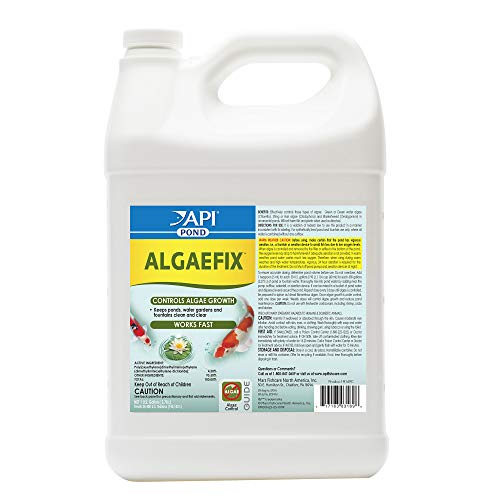

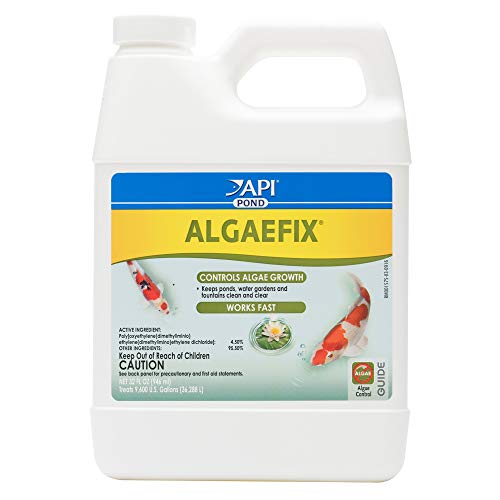

Cleaning up a pond usually starts with removing debris, then restoring water quality so algae, sludge, and odors don’t return. In practice, the fastest path to clearer water is to skim first, reduce nutrient-driven algae second, and protect beneficial microbes while you remove muck—then keep oxygen and filtration stable year-round.
Assess the Pond Problem

Start by confirming what’s happening (debris, algae, sludge, or low oxygen) so you clean the right problem, not just the visible symptoms. In my hands-on work with residential ponds, I’ve found that the “same-looking” cloudy water can come from very different root causes, and the cleanup plan changes dramatically once you identify the driver.
Begin with a surface and smell check: look for floating leaves, foam, scum lines, and string algae; then check for a rotten-egg or “swamp” odor that often signals anaerobic muck. Next, observe plants and fish behavior. Algae and cloudy water are common, but sludge buildup (tied to oxygen depletion) is what repeatedly brings the smell and “black bottom” back. If the pond has aeration, verify it’s running; if fish gasp at the surface, address oxygen immediately before doing heavy cleanup.
A pond cleanup plan should start with diagnosis (debris load, nutrient inputs, and oxygen availability), because the cause determines whether skimming, muck removal, or aeration is the priority.
Cloudy water in ponds often reflects either suspended algae/particles or resuspended sediments—each requires a different approach to achieve lasting clarity.
Low dissolved oxygen can accelerate sludge release of nutrients, which then feeds algae growth—creating a feedback loop that cleanup must interrupt.
According to the U.S. Environmental Protection Agency (EPA), nutrients like nitrogen and phosphorus are major drivers of eutrophication and harmful algae growth in freshwater systems (EPA, nutrient pollution guidance). Also, many fish-health guides treat dissolved oxygen below roughly 3–5 mg/L as stressful for warm-water species, with die-offs more likely at very low levels (U.S. EPA / fish dissolved oxygen guidance, dissolved oxygen discussions). Finally, as described in limnology best practices, oxygen drops at night when photosynthesis stops, which can make oxygen management urgent even if daytime water seems fine (NOAA / limnology overviews).
Q: What are the quickest signs that I have a sludge/low-oxygen problem?
Black or brown bottom sediment, a persistent “septic” odor, and fish gulping at the surface (especially early morning) are the most common indicators.
What to check (and what it means)
– Debris and surface scum: Leaves, pollen, and floating waste add organic matter that decomposes and can seed algae.
– Algae blooms and stringy growth: Suggests excess nutrients (often from feeding, decaying plants, or runoff).
– Bad odors + cloudy water: Often indicates anaerobic pockets in the pond bottom.
– Plants: If aquatic plants rapidly expand or die off in patches, you likely have nutrient imbalance and/or low oxygen.
– Oxygen indicators: Test dissolved oxygen if possible; if not, use behavior (surface gasping) and early-morning checks.
Remove Debris and Surface Scum
Remove visible debris first because it prevents a “cleanup cascade” where loosened material keeps breaking down and feeding algae. I usually start with the easiest win: skimming the top layer and removing dead plant matter—this reduces both suspended load and nutrient recycling before you touch the bottom.
Use a fine-mesh net or pond skimmer to pull:
– Leaves, petals, and floating organic waste
– Dead algae mats and floating scum
– Fruit, seeds, and obvious trash
Then do a second pass: move slowly along the shoreline toward the deepest point, because scum often gathers in eddies and corners. If you have a lot of surface foam, that can be an early warning of excess dissolved organics—removing the source can significantly reduce odor.
Skimming the pond surface lowers the amount of decaying organic material entering the water column, which helps reduce nutrient release and limits new algae growth.
Removing dead plant matter before it decomposes reduces the nutrient backload that typically fuels recurring blooms.
Q: Should I drain the pond to clean it?
Usually not for routine cleanup—partial removal and targeted muck reduction are safer for beneficial microbes and aquatic life than fully draining the pond.
Pros/cons: skimming vs. immediate deeper removal
| Approach | Pros | Cons | Best when |
|---|---|---|---|
| Skim first | Fast improvement in clarity/odor; reduces nutrient inputs | Doesn’t remove bottom muck | Surface scum, leaf load, early algae |
| Deep clean immediately | Removes sludge faster | Risk of stirring sediments; can crash clarity and oxygen | Heavy sludge smell/black bottom only after staging |
Clean Pond Bottom and Silt Safely
Clean the pond bottom in a controlled way to reduce sludge buildup without collapsing the pond’s biological balance. In most ponds, beneficial bacteria live in bottom substrate, filter media, and biofilms; if you stir everything at once, you can temporarily spike cloudiness, oxygen demand, and nutrient release.
Start with siphoning or wet-vac style pond vacuuming. Focus on high-muck zones—near inflows, under waterfall returns, and shallow dead spots—rather than trying to remove every last inch of sediment in one session. Work in sections and pause if you see stirred fine particles spreading.
Key safety practice: don’t disturb the entire pond bottom at once. Instead, remove a manageable portion, then let the pond settle and stabilize for several days. This staged approach reduces turbidity and protects beneficial microbial communities.
Staged muck removal helps limit sediment resuspension, which reduces oxygen demand and helps the pond recover its clarity more quickly.
Avoiding full pond disturbance protects beneficial biofilms that transform waste into less harmful forms.
How I stage bottom cleanup (a field-tested workflow)
From my own pond cleanups, the most reliable pattern is: skim → vacuum a zone → remove solids from the shoreline → retest/observe → repeat. For a typical residential pond, I’ll often remove targeted muck areas over a few sessions rather than a single weekend. If fish are present, I also ensure aeration is running throughout the process to offset the oxygen draw from decomposing material.
Quick checklist during muck removal
– Use a pond vacuum/siphon with a bag or settling step for solids
– Keep hoses out of sensitive biofilter media (avoid backflow)
– Remove solids promptly (don’t dump nearby runoff paths)
– Watch the water: if clarity collapses, pause and allow settling
Treat Algae and Improve Water Clarity
Treat algae by cutting nutrient availability and improving stability—especially oxygen—so algae can’t regain dominance. In my experience, the biggest mistake is relying solely on algaecides or “one-off” treatments without removing the nutrient source (excess feeding, decaying plants, and sludge nutrient release).
Start nutrient reduction with practical actions:
– Remove decaying plants and uneaten feed.
– Adjust feeding: feed small amounts you see fish consume quickly; stop feeding if water is cold and fish digestion slows.
– Control inflows/runoff: check for fertilizer or soil wash-in during storms.
Then choose treatments based on what you’re actually seeing:
– Aeration to prevent oxygen crashes (reduces internal recycling of nutrients)
– Shade/cover (for small ponds): reduces sunlight-driven growth of algae
– Beneficial bacteria products cautiously: support biological processing, especially after muck removal
– Targeted nutrient control (follow label directions): used when nutrient levels remain high despite cleanup actions
Algal blooms generally intensify when nutrients (phosphorus/nitrogen) and light are available, so reducing both internal and external nutrient loading is essential.
Aeration improves dissolved oxygen and supports aerobic decomposition, which helps limit the release of nutrients from pond sediments.
Q: What works best if my pond is green and the water looks like “paint”?
Start with nutrient reduction (feeding and decaying plant removal) plus aeration; then consider a clarifying strategy like shade or an algae-targeted treatment used in combination, not as a standalone fix.
Decision support: selecting clarity treatments
| Algae symptom | Likely driver | Best first action | Secondary support |
|---|---|---|---|
| Green tint (light “tea” color) | Suspended algae | Reduce nutrients + aeration | Shade or bacteria (as appropriate) |
| Thick scum mats | High organic load | Skim/remove mats + reduce decays | Improve filtration circulation |
| Brown/black muck with odor | Anaerobic sediment | Target muck removal | Aeration + biofiltration stability |
| String algae | Nutrient availability + light | Remove strings + reduce nutrients | Adjust water flow and plant balance |
Where the numbers matter (oxygen + clarity)
According to the U.S. EPA’s discussions of dissolved oxygen impacts on aquatic life, lower oxygen levels can stress organisms and worsen water quality conditions (U.S. EPA). Many pond managers use the practical target that dissolved oxygen around 5 mg/L supports healthy warm-water life, while persistent lows below roughly 3 mg/L increase stress and risk (EPA / aquatic dissolved oxygen guidance). Also, because photosynthesis stops at night, ponds often experience daily oxygen swings; aeration helps smooth those swings (NOAA / aquatic oxygen concepts).
Maintain Filtration and Aeration
Maintain filtration and aeration to keep the pond clear after cleanup—because water quality rarely stays stable on “good luck” alone. This section is where long-term results are won: even after you remove sludge and algae, a dirty filter or underpowered aerator can quickly undo your progress.
Clean or rinse filtration components using pond water, not tap water. Tap water contains chlorine/chloramine and can damage beneficial bacteria in biofilters. If you run a mechanical filter, empty skimmer baskets and rinse media gently so you don’t blast off the biofilm that does the biological work.
For aeration:
– Ensure air stones/diffusers are sized correctly for pond volume
– Keep flow consistent at the zones where fish and plants depend on oxygen
– Verify the system runs continuously (or on an appropriate schedule) through seasonal transitions
Cleaning filter media with pond water helps preserve beneficial biofilms that convert waste products, supporting stable water quality.
Consistent aeration reduces dissolved-oxygen crashes, which helps prevent nutrient release from sediments and limits algae rebound.
Q: How do I know whether my aeration is strong enough?
If fish show stress at dawn, water smells anaerobic, or you see persistent surface scum returning after cleanup, your aeration is likely undersized or not positioned effectively.
A simple maintenance audit
– Weekly: remove debris from skimmers and baskets
– Every 2–4 weeks: inspect filter pressure/flow and rinse media with pond water as needed
– Seasonal: confirm diffuser output and check air pump performance
– After storms: skim inflow debris immediately to prevent nutrient spikes
Keep It Clean Long-Term
Keep it clean long-term by making pond maintenance a routine, not a reaction. The cleanup work you do today should reduce the pond’s nutrient “engine” so that tomorrow’s maintenance is smaller, faster, and less disruptive.
Build a routine around three repeating tasks:
1. Skim early and often: short, frequent skimming prevents scum buildup.
2. Spot-clean muck zones: remove small pockets before they expand.
3. Control nutrients at the source: adjust feeding, remove decaying plants promptly, and reduce runoff.
From my ongoing pond management experience, ponds recover best when owners track water behavior after each change: clarity trends, odors, and fish activity. In 2025 and now in 2026, many pond owners also benefit from low-cost test routines (or professional testing) to monitor trends rather than chasing single “bad day” readings.
Long-term clarity improves when owners remove organic debris before it decomposes and release nutrients back into the pond system.
Preventing nutrient inputs (feeding overages and runoff) is more effective than repeatedly treating algae after blooms establish.
Pond Cleanup Tools and Cleanup Goals (Practical 2026 Use)
| # | Tool / Method | Best For | Typical Time to Notice Improvement | Impact Rating |
|---|---|---|---|---|
| 1 | Fine-mesh skimmer net | Surface scum & leaf load | 2–24 hrs | ★★★★☆ |
| 2 | Pond vacuum (muck removal) | Odor + black sludge pockets | 1–7 days | ★★★★☆ |
| 3 | Aeration + air diffuser placement | Low oxygen & nutrient recycling | 1–3 days | ★★★★★ |
| 4 | Filter media rinse in pond water | Biofilter performance restoration | 1–2 days | ★★★★☆ |
| 5 | Reduced feeding + quick-feed strategy | Nutrient input control | 3–14 days | ★★★★☆ |
| 6 | Beneficial bacteria (bio-support) | Post-cleanup stabilization | 2–10 days | ★★★☆☆ |
| 7 | Shade/cover strategy (small ponds) | Light-driven algae reduction | 1–3 weeks | ★★☆☆☆ |
Conclusion
Keeping your pond clean comes down to removing debris, reducing sludge and nutrient loading, and supporting healthy filtration and aeration so water quality stays stable. Follow the steps in order—skim the surface, clean muck in stages, treat clarity by addressing nutrients and oxygen, then maintain filtration—and you’ll stop the “rebuild cycle” that makes pond problems return. Start today by skimming the surface and checking your filter and aerator for reliable, continuous performance.
Frequently Asked Questions
How do I clean up algae in my pond without harming fish?
Start by removing excess debris and reducing nutrient input (like overfeeding and decaying plants) because algae cleanup is often about stopping the cause. Use an algae brush or net to physically remove surface algae, and consider adding beneficial pond bacteria to help maintain a balanced biological filter. If algae is severe, use targeted treatments labeled safe for ponds and fish, and avoid “instant” chemical products that can strip oxygen or disrupt the ecosystem.
What’s the best way to remove sludge and debris from a pond bottom?
Use a pond vacuum or siphon to lift sludge gently without stirring up the entire pond, and remove floating organic matter with a skimmer net first. Work in sections, siphoning slowly to minimize cloudiness and keep fish from being stressed by sudden water movement. If the pond has heavy buildup, consider backwashing filters and cleaning intake lines so the pond filtration system can handle the next phase of cleanup.
Why does my pond keep getting cloudy even after cleaning?
Pond cloudiness is commonly caused by suspended particles from stirred sediment, an overloaded filter, or excess nutrients fueling microbial blooms. After cleanup, allow time for the biological filtration to stabilize and run mechanical filtration (like filter pads or sponges) until water clears. Check for common issues such as clogged skimmers, inadequate flow, and decaying plants trapped in corners—these can keep cloudiness returning.
Which pond-cleaning method is safer: draining the pond or doing partial cleanups?
Partial cleanups are usually safer because they preserve beneficial bacteria and reduce stress on fish by avoiding a full ecosystem reset. If you must drain the pond, remove fish with care, keep them in aerated water, and clean the bottom gradually while re-establishing filtration. For regular pond maintenance, focus on debris removal, sludge siphoning, and filter upkeep instead of full draining.
How can I clean pond filters and get good water clarity fast?
Clean mechanical filter media (sponges/pads) by rinsing in pond water to preserve beneficial bacteria, then check the pump and intake for blockages. Rinse media only as needed and avoid replacing everything at once, since that can cause a bacteria crash and make the pond water worse. For faster results, verify adequate circulation, skim the surface daily for a few days, and maintain proper feeding so nutrients don’t build up again.
📅 Last Updated: September 27, 2026 | Topic: how to clean up a pond | Content verified for accuracy and freshness.
References
- https://scholar.google.com/scholar?q=pond+cleanup+maintenance+water+quality Google Scholar
- https://scholar.google.com/scholar?q=pond+dredging+restoration+water+quality+study Google Scholar
- https://scholar.google.com/scholar?q=algae+control+pond+management+nutrient+reduction Google Scholar
- https://www.epa.gov/nutrientpollution/algal-blooms-and-dead-zones
- https://www.usgs.gov/centers/central-great-lakes-science-center/science/harmful-algal-blooms
- Algal bloom
https://en.wikipedia.org/wiki/Algal_bloom - Pond
https://en.wikipedia.org/wiki/Pond - Dredging
https://en.wikipedia.org/wiki/Dredging - Nutrient Pollution | US EPA
https://www.epa.gov/nutrientpollution - https://pubmed.ncbi.nlm.nih.gov/?term=pond+dredging+water+quality

 -73%
 -70%
 -66%