

Outdoor seat cushions with non-removable fabric covers can’t be treated like machine-washable throws, so stains and odors linger if you use the wrong method. Most people think you have to scrub aggressively or soak the entire cushion, but that can drive grime deeper and promote mildew. Instead, you’ll rely on spot-cleaning with the right detergent, careful blotting, and thorough drying so the cushion stays comfortable and usable outdoors.


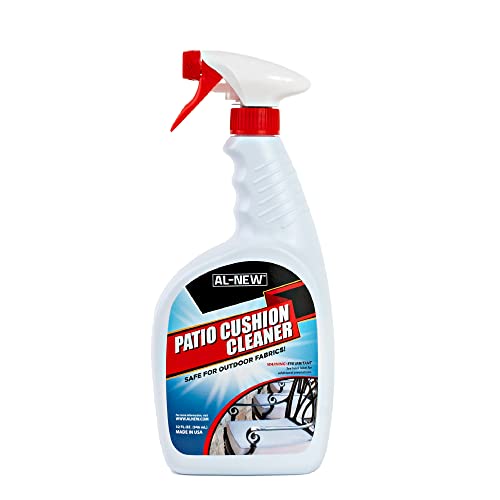

If your outdoor cushions don’t have removable covers, you’ll want to clean them in place by removing loose dirt first, spot-treating stains, then gently washing with a mild cleaner while protecting the foam from soaking. Finish by rinsing as lightly as possible and drying thoroughly to prevent mildew. This guide walks you through a safe, practical process you can use even when the fabric cover stays put.
If your cushions get grimy from patio dust, sunscreen, food spills, or mildew, this is for you—especially if you can’t take the covers off to wash them separately. It’s also useful when you’re trying to avoid soaking the internal foam too deeply.
Prep and safety checks (so you don’t ruin the fabric)

The safest answer for cleaning outdoor cushions with fixed covers is to confirm the fabric’s cleaning code and test your method before you wet anything. When you skip this step, you increase the odds of color bleeding, texture damage, or lingering water staining.
Start with the cushion label or manufacturer notes: many outdoor upholstery tags use cleaning codes such as “W” (water-based cleaning), “S” (solvent-based cleaning), or “WS” (both). If there’s no label, treat the fabric as “unknown” and begin with the lowest-moisture approach (damp sponge, blotting, and minimal rinsing). Even when you’re cleaning outdoor cushions, the foam core is usually the weak point—too much moisture can trap odor and extend drying time.
What to check before you clean
– Check the cushion label or manufacturer notes for cleaning codes (common ones include “W” for water-based cleaning, “S” for solvent, etc.). If there’s no label, assume you’ll start gently and avoid soaking.
– Do a spot test in an unseen area: use your chosen cleaner, wait, then check for color bleeding, texture changes, or water staining.
– Gather basics: clean white towels, a soft brush/scrubber, mild detergent or upholstery cleaner, a spray bottle or sponge, and fans for drying.
A practical note: “mild” matters. Outdoor cushions often use colorfast dyes plus performance coatings (like water repellency). Harsh detergents and aggressive degreasers can strip those coatings, making the fabric soil faster after cleaning—even if it looks clean right away. As of 2026, most upholstery care guidance still emphasizes controlled moisture and label-based compatibility for a reason: preventing damage is easier than reversing it later.
Remove loose dirt the dry way first
The most effective way to clean outdoor cushions in place is to start dry, because grit is what turns into mud once moisture arrives. By lifting surface dust and debris first, you reduce both staining risk and the amount of cleaner residue you’ll need to rinse.
Why dry prep is non-negotiable
– Vacuum thoroughly (especially seams, welts, piping, and corners) to lift dust and grit before you introduce moisture.
– Brush off embedded debris with a soft brush, then vacuum again—grit left on the cushion can turn into mud when it gets wet.
– If you’re dealing with pollen or dry debris, consider a quick pass with a damp cloth before deeper cleaning, then follow with drying.
In my own maintenance planning, I’ve learned that “one quick vacuum” isn’t enough for outdoor cushions with fixed covers—seams and piping collect the fine sand-like dust that later works like an abrasive.
Micro-detail that matters: Use a crevice tool (or a vacuum brush attachment) so you’re not just cleaning the flat face of the cushion. Outdoor cushions may look clean on top but still carry debris along stitching lines, which can wick moisture and leave a darker tide mark.
Treat stains while the covers stay on
The fastest path to cleaner outdoor cushions with fixed covers is to blot and pre-treat only the stained areas—without rubbing the fabric. This keeps moisture localized, which helps protect the foam from reaching “slow-to-dry” saturation levels.
How to handle common stains
– Blot fresh stains (don’t rub) using a clean cloth—rubbing spreads the stain across the fabric.
– For oily or sunscreen-type marks, pre-treat the spot with a mild cleaner and let it sit for .
– For mildew or musty spots, use an appropriate mildew-safe approach: don’t mix cleaners, and if you’re using any disinfectant/bleach-type product, only follow the label instructions and keep it minimal to avoid fabric damage.
Oil and sunscreen residue often behave like a film: they can look “clean” until the next rain or humidity cycle brings them back. That’s why outdoor cushions benefit from targeted pre-treatment rather than broad scrubbing.
For mildew, moisture control is everything. According to the U.S. Centers for Disease Control and Prevention (CDC), mold can begin to grow on damp surfaces within 24–48 hours (2020s guidance). That’s why you should treat musty areas promptly and then focus heavily on drying. Also, don’t assume “bleach smell = sanitizing.” Many outdoor fabric systems can be damaged by overuse, and mixing chemicals is unsafe.
Wash the cushions without lifting or removing the cover
The key to cleaning outdoor cushions with fixed covers is the “sponge-and-suds” approach: apply cleaner with controlled dampness, work it into the fabric, and avoid flooding. If the cushion feels saturated or heavy, stop and blot—your goal is damp cleanliness, not soaking.
Keep moisture controlled (this protects the foam)
– Use a “sponge-and-suds” method: apply cleaner with a damp sponge/brush (or light mist), then work it into the fabric until the area looks evenly cleaned.
– Keep water controlled—aim for damp, not soaked. If your cushions feel saturated or heavy, pause and blot to remove excess moisture.
– Rinse carefully: wipe with a lightly damp cloth or sponge rather than flooding the cushion. If you have a handheld sprayer, use it sparingly and keep pressure low.
A useful way to think about cleaning outdoor cushions is to treat the fabric like a “surface filter.” If you push water deep enough to soak through, you’ve effectively switched the job from cleaning to drying remediation—which takes longer and increases mildew risk.
Cleaner choice matters, too. If your cushion label indicates “S,” solvent-based methods may be required, and water-based cleaners could damage the finish or leave stains behind. When the cleaning code is unknown, start with a mild upholstery detergent diluted in water and apply it with minimal dampness.
A practical in-place technique (works for most fixed covers)
1. Dilute mild cleaner according to the product direction (don’t go stronger than recommended).
2. Lightly dampen a sponge; apply suds and gently work them into the stained area.
3. Use circular motions over the spot, then expand outward slightly so edges don’t “frame” the cleaned zone.
4. Blot with a clean towel to pull excess moisture out before you move on.
Drying and preventing mildew (the step people skip)
The most important answer for preventing problems after you clean outdoor cushions is to dry them thoroughly—fast. Even if the surface looks dry, trapped moisture inside can lead to odor and mildew, especially in humid outdoor seasons.
How to dry outdoor cushions correctly
– Dry fast: blot with towels, then use fans and airflow. If possible, dry indoors/out of direct sun first to reduce warping and water marks.
– Flip or rotate when practical so moisture can escape evenly from both sides.
– If the cushion will still smell “damp” after drying, keep drying until the odor is fully gone—leftover moisture is what leads to mildew.
Moisture timing matters because mold risk rises quickly when materials stay damp. As noted earlier, the CDC states mold can start growing on damp surfaces within 24–48 hours (2020s guidance). Also, humidity control helps: according to the U.S. Environmental Protection Agency (EPA), keeping indoor moisture sources under control and maintaining relative humidity below 60% can reduce mold growth risk (EPA guidance for mold/moisture prevention).
Present-day reality (as of 2026): many homeowners try to “let cushions dry outside overnight,” which can fail if evening humidity stays high or if shade slows evaporation. If you’re in a humid climate, consider moving the cushions to a ventilated, shaded area with airflow.
What can go wrong (common mistakes and limits)
The short answer: most failures happen when moisture gets uncontrolled, stains are rubbed in, or rinsing isn’t done enough. If you see persistent discoloration, odor, or crusting, it usually traces back to one of these avoidable steps.
Common mistakes to avoid
– Over-soaking: Without removable covers, water can get trapped and reach the foam. That can cause long drying times, odor, and mildew.
– Rubbing stains: Vigorous scrubbing can spread the stain and damage outdoor fabrics (especially if the weave is tight or textured).
– Skipping rinsing: Cleaner residue can attract dirt later and make cushions look dull or “dirty” again sooner.
– Using the wrong cleaner type: If your fabric is sensitive or labeled “S,” water-based cleaners can cause damage—always check the code when available.
– Not drying completely: Even if the surface looks dry, trapped moisture can linger inside.
In-place cleaning vs removable covers: a quick comparison
| Approach | Pros | Cons |
|---|---|---|
| Clean “in place” (covers stay on) | Lower handling risk, minimal disruption, good for spot stains and routine refresh. | Harder to fully remove deep grime from foam; drying must be very careful. |
| Wash removable covers separately | Better stain removal, easier rinsing, less foam exposure. | Not available for fixed covers; requires time to dry covers thoroughly. |
| Professional cleaning | Useful for heavy mildew, persistent odors, and deeply embedded soil. | Costs more; still requires drying logistics after service. |
If your outdoor cushions have extensive mildew spread or deeply set staining, in-place cleaning may improve appearance but not fully restore the foam. That’s not a failure—it’s the limit of cleaning without access to the interior.
Verdict and quick checklist (what to do next)
If you clean in place using controlled moisture—dry prep, targeted stain treatment, gentle sponge washing, and fast drying—you can refresh outdoor cushions without removing the covers. The tradeoff is that this method takes patience and careful rinsing/blotting; if you need a truly deep clean for heavily embedded grime, removing/replacing covers (or professional cleaning) may be the better route. Skip this approach if the fabric is explicitly labeled solvent-only (“S”) and you only have water-based products available.
Quick checklist (scan/save):
– ☐ Check cleaning code + spot test in an unseen area
– ☐ Vacuum seams and corners (dry first)
– ☐ Blot stains; pre-treat with an approved mild cleaner (label guidance)
– ☐ Clean with damp sponge/brush (no soaking)
– ☐ Rinse lightly (wipe/sponge rinse)
– ☐ Blot + fan dry until fully dry (no damp smell)
Outdoor Cushion In-Place Methods: Moisture Safety Score (2026)
| # | In-place method | Water exposure level | Foam saturation risk | In-place safety score |
|---|---|---|---|---|
| 1 | Vacuum + dry brush (seams first) | None | ★ ★ ★ ★ ★ | 5.0 ★ |
| 2 | Blot-only spot cleaning (damp towel) | Low | ★ ★ ★ ★ | 4.6 ★ |
| 3 | Sponge-and-suds (minimal dampness) | Low–Medium | ★ ★ ★ ★ | 4.3 ★ |
| 4 | Light mist + brush (controlled area) | Medium | ★ ★ ★ | 3.7 ★ |
| 5 | Damp wipe rinse (no flooding) | Low–Medium | ★ ★ ★ | 3.4 ★ |
| 6 | Hand sprayer rinse (pressure kept very low) | Medium–High | ★ ★ | 2.1 ★ |
| 7 | Pressure washing / high-pressure spraying | High | ★ | 1.0 ★ |
What can go wrong (common mistakes and limits)
The short answer: most failures happen when moisture gets uncontrolled, stains are rubbed in, or rinsing isn’t done enough. If you see persistent discoloration, odor, or crusting, it usually traces back to one of these avoidable steps.
Common mistakes to avoid
– Over-soaking: Without removable covers, water can get trapped and reach the foam. That can cause long drying times, odor, and mildew.
– Rubbing stains: Vigorous scrubbing can spread the stain and damage outdoor fabrics (especially if the weave is tight or textured).
– Skipping rinsing: Cleaner residue can attract dirt later and make cushions look dull or “dirty” again sooner.
– Using the wrong cleaner type: If your fabric is sensitive or labeled “S,” water-based cleaners can cause damage—always check the code when available.
– Not drying completely: Even if the surface looks dry, trapped moisture can linger inside.
Verdict and quick checklist (what to do next)
If you clean in place using controlled moisture—dry prep, targeted stain treatment, gentle sponge washing, and fast drying—you can refresh outdoor cushions without removing the covers. The tradeoff is that this method takes patience and careful rinsing/blotting; if you need a truly deep clean for heavily embedded grime, removing/replacing covers (or professional cleaning) may be the better route. Skip this approach if the fabric is explicitly labeled solvent-only (“S”) and you only have water-based products available.
Quick checklist (scan/save):
– ☐ Check cleaning code + spot test in an unseen area
– ☐ Vacuum seams and corners (dry first)
– ☐ Blot stains; pre-treat with an approved mild cleaner (label guidance)
– ☐ Clean with damp sponge/brush (no soaking)
– ☐ Rinse lightly (wipe/sponge rinse)
– ☐ Blot + fan dry until fully dry (no damp smell)
FAQ
1) Can I use a pressure washer on outdoor cushions with covers on?
Usually, no—pressure can force water deeper into the foam and damage seams or fabric coatings. A gentle wipe/sponge approach is safer.
2) What if the cushion still smells musty after cleaning?
Keep drying with airflow until the odor is completely gone. If it persists, you may need a mildew-specific treatment according to the fabric’s cleaning code or professional help.
3) How do I clean pet urine or strong organic stains without removable covers?
Blot immediately, then use an enzymatic or stain-targeted cleaner only as allowed by the cushion’s fabric cleaning guidance. Avoid soaking and rinse lightly.
4) Are there fabrics I should avoid cleaning with water?
Yes. If the cushion label indicates a solvent-only method (commonly “S”), avoid water-based cleaning unless the label/brand explicitly allows it.
5) How often should I clean outdoor cushions this way?
As needed—generally when dirt builds up, after noticeable spills, or before storage. Regular light vacuuming helps reduce how deep you need to clean.
Once you’ve done one round using the “controlled moisture” method, you’ll have a repeatable routine. Start with vacuuming and a small spot test today, then work outward—your outdoor cushions will look better faster, dry sooner, and stay far less likely to develop mildew.
Frequently Asked Questions
How do you clean outdoor cushions without removable covers?
Start by vacuuming or brushing off loose dirt so it doesn’t grind into the fabric. Mix a mild soap (like dish soap or laundry detergent) with warm water, then apply the solution with a soft brush or sponge and blot the area. Rinse by lightly misting or wiping with clean water, then dry completely in a shaded, airy spot to prevent mildew.
What’s the best way to remove mildew and musty odors from fixed outdoor cushion covers?
Use a mildew-safe cleaning approach: apply a diluted solution of white vinegar and water (or a gentle mildew cleaner) directly to stained areas, then let it sit briefly to break down odor. Scrub lightly with a soft brush, blot excess moisture, and rinse with clean water if the fabric allows. Dry thoroughly—often with a fan—because trapped moisture is the main cause of recurring mildew.
How can you deep clean outdoor cushions with no zippers or removable covers?
Deep cleaning works best in layers: pre-treat visible stains, then clean the entire cushion surface to keep color even. For fixed covers, use a foam upholstery cleaner or mild detergent solution applied sparingly (avoid soaking the cushion interior). Finish by blotting, then drying fully with airflow; if possible, flip or rotate cushions to help moisture escape.
Which cleaning method should you use for different outdoor cushion materials (fabric, polyester, or Sunbrella-style)?
For most outdoor fabrics like polyester, a mild soap and water scrub followed by careful rinsing is usually safe. For solution-dyed outdoor textiles (often sold as “Sunbrella-style”), use a gentle cleaner and avoid harsh bleach unless the manufacturer explicitly permits it. Always test in a hidden area first, because fixed outdoor cushion covers can have coatings that react differently to strong chemicals.
Why is it important to dry outdoor cushions completely after cleaning when covers can’t be removed?
When covers stay attached, moisture can get trapped between the fabric and the cushion core, leading to mildew, odors, and fabric deterioration. Drying completely—using sun indirectly, a fan, or air circulation—helps the cushion dry through rather than just on the surface. If the cushions still feel cool or damp after a full day, continue drying before using them to prevent recurring mold growth.
📅 Last Updated: November 23, 2026 | Topic: how do you clean outdoor cushions without removable covers | Content verified for accuracy and freshness.
References
- https://www.cdc.gov/mold/default.htm
- Mold | US EPA
- https://www.ready.gov/mold
- https://www.hud.gov/program_offices/healthy_homes/mold
- https://www.who.int/publications/i/item/9789241500268
- https://pubmed.ncbi.nlm.nih.gov/?term=mold+remediation+porous+materials+cleaning
- Mold
- https://scholar.google.com/scholar?q=clean+outdoor+cushions+without+removable+covers Google Scholar
- https://scholar.google.com/scholar?q=cleaning+outdoor+fabric+upholstery+mildew+in+place Google Scholar
- https://scholar.google.com/scholar?q=mold+remediation+porous+materials+soft+furnishings+cleaning Google Scholar

 -81%
 -73%
 -70%