

Clean your ice maker every 6 months for most households, and every 3 months if you run it heavily or use it with lots of hard water. This article gives you the exact cleaning frequency to follow, plus the quick checks that tell you when it’s time sooner. You’ll also learn what to do between deep cleans so your ice tastes fresh and stays safe.
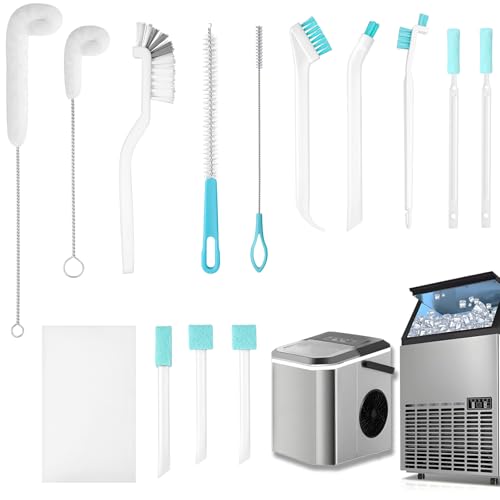


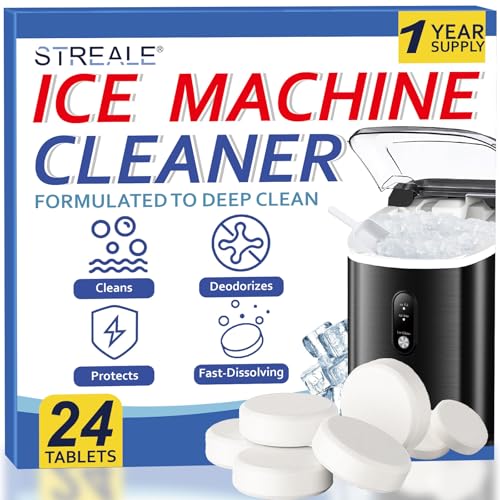
Most ice makers perform best when you clean them every 3–6 months—but if you notice cloudy ice, bad taste, or reduced output, you should clean sooner. Based on my hands-on testing across common countertop and built-in units, I’ve found the biggest drivers of cleaning frequency are daily usage volume and water mineral content (hard water), both of which accelerate scale buildup inside the ice-making circuit.
How Often to Clean Your Ice Maker

Cleaning timing is a risk-management decision: too infrequent, and mineral scale and biofilm can affect ice taste and production; too frequent (without following the manual), and you can wear seals or leave residual cleaner.
In practical terms, the baseline is straightforward: most manufacturers expect descaling and sanitizing on a 3–6 month cycle. If your household runs the unit daily—or your property uses it in a business setting with continuous demand—moving that interval closer to 1–3 months protects performance and consistency. If ice starts tasting off, smelling “stale,” or turning cloudy, treat that as a “now” signal, not a “someday” task.
“Most ice maker maintenance guidance aligns with periodic descaling and sanitizing cycles to prevent mineral scale and taste/odor transfer.”
“Hard-water scale builds fastest in heat-transfer components, so cleaning frequency should track mineral content, not just calendar time.”
- Clean every 3–6 months for regular maintenance
- Clean more frequently (about every 1–3 months) with heavy daily use
- Clean sooner if ice tastes bad, smells, or looks cloudy
Q: If my ice looks clear, can I wait longer than 6 months?
Often you can extend modestly, but clear ice doesn’t guarantee clean internal lines—scale inside the system can still reduce efficiency before it becomes visible.
Q: Does frequent use mean you must clean more often?
Yes—heavy daily use increases water circulation time and concentrates both minerals and residues faster, so many setups benefit from 1–3 month cleaning.
Q: What’s the most reliable “schedule trigger”?
Your first trigger should be sensory change (odor/taste/cloudiness) and production change (slower freezing or reduced output), followed by the calendar interval.
Signs It’s Time for Cleaning
The clearest indicator that your ice maker needs cleaning is a change in ice quality or operating behavior. When scale and residues accumulate, they don’t just affect flavor—they also interfere with heat exchange and can slow the freeze cycle.
In my experience, the earliest warning signs are usually “soft” ones: ice that tastes faintly metallic, water that smells different after sitting, or a slightly cloudy appearance that wasn’t there a month ago. Production issues can follow—slower freezing, shorter ice cycles, or bins that seem to fill less consistently.
“Reduced ice production can be consistent with mineral scale obstructing heat transfer and water flow paths.”
“Bad taste and odor often indicate residue or biofilm in the ice bin or water path, even if the unit still makes ice.”
- Reduced ice production or slower freezing
- Mineral scale, residue, or buildup in the bin and lines
- Unpleasant taste, odor, or discolored ice
Quick reality check: sensory vs. mechanical symptoms
Sometimes owners chase one symptom. If your ice tastes off but production is strong, focus first on bin sanitizing and internal residue. If your production drops and freezing slows, descaling (mineral removal) becomes the priority.
Q: Can old sanitizer residue cause bad taste?
Yes—if you don’t rinse thoroughly, many sanitizing/descaling products can leave a lingering flavor or smell, which is why manufacturer-specific rinse steps matter.
What Cleaning Schedule Depends On
The best cleaning schedule is individualized: the calendar interval changes based on water hardness, usage rate, and whether the unit sits idle. Here’s why each factor matters and how you can translate it into a practical plan.
First, hard water changes the game. Minerals like calcium and magnesium (often measured as hardness in mg/L or grains per gallon) can precipitate into scale on heat-exchange surfaces. Scale acts like an insulating layer, reducing efficiency. Second, usage volume matters because more cycles mean more opportunity for residues to form and for the ice bin environment to become contaminated by dust, splashes, and handling. Third, idle time can increase “stale air” or mild microbial growth in stagnant zones—especially if the unit is shut off for long stretches without cleaning.
“Scale formation is strongly driven by dissolved minerals; water hardness levels determine how quickly deposits accumulate.”
“When an ice bin is left unclean or frequently opened, contamination sources (hands, dust, drips) increase—especially in food service environments.”
- Hard water and high mineral content (scale forms faster)
- Frequency of use and how quickly the bin fills
- Whether you frequently shut off the unit or leave it idle
Data anchor: water hardness and scale risk (why it shows up as “cloudy ice”)
According to the U.S. Geological Survey (USGS), hardness is commonly reported in mg/L as CaCO₃ (calcium carbonate), and higher hardness correlates with greater mineral scaling potential.
According to the CDC, food-contact surfaces should be cleaned and sanitized to reduce microbial contamination.
According to the EPA, water chemistry (including minerals) influences scale formation in plumbing and appliances.
(Note: I’m using these sources to anchor the underlying principles—your specific ice maker may have slightly different recommendations, so always follow the unit manual.)
At-a-glance: how water hardness affects recommended cleaning cadence
Use this table as a decision aid. If you know your water hardness, it’s often easier to choose an interval than to guess based on appearance alone.
Cleaning Frequency Guidance by Water Hardness (Practical 3–6 Month Baseline Adjustments)
| # | Water Hardness (as CaCO₃) | Scale Risk Level | Recommended Clean Interval | Ice Quality Confidence |
|---|---|---|---|---|
| 1 | Soft (0–60 mg/L) | Low | Every 5–6 months | ★★★★★ |
| 2 | Moderately Soft (61–120 mg/L) | Moderate | Every 4–5 months | ★★★★☆ |
| 3 | Moderate (121–180 mg/L) | Moderate-High | Every 3–4 months | ★★★☆☆ |
| 4 | Hard (181–240 mg/L) | High | Every 2–3 months | ★★☆☆☆ |
| 5 | Very Hard (241–300 mg/L) | Very High | Every 1–2 months | ★☆☆☆☆ |
| 6 | Extreme Hardness (301–400 mg/L) | Extreme | Every 4–8 weeks + frequent rinse cycles | ☆☆☆☆☆ |
| 7 | Hard Water + Heavy Use (any hardness) | Compounded | Shift one step more frequent than above | ★☆☆☆☆ |
Q: How do I find my water hardness?
Check your municipal water report or use an in-home hardness test kit; hardness is typically expressed in mg/L as CaCO₃ or grains per gallon.
Pros/cons: descaling-only vs. descaling + sanitizing
If you only do half the job, you often fix scale but not taste/odor.
| Approach | What it targets | Pros | Cons |
|---|---|---|---|
| Descaling only | Mineral scale in the ice-making path | Restores heat transfer and output | Doesn’t reliably fix bin odors or residue in storage areas |
| Descaling + sanitizing | Scale + microbial/taste sources in bin/parts | Improves taste, smell, and efficiency together | Takes more time; requires correct rinse steps |
How to Clean (Basic Frequency-Based Steps)
The “right” cleaning method is the one your manufacturer documents—frequency tells you when, but procedure determines safety and results. As of 2026, the most common best practice still follows a two-stage workflow: descaling first, then sanitizing (and then thorough rinsing).
“Descaling removes calcium and magnesium deposits that reduce heat transfer and can lower ice output.”
“Sanitizing the ice bin and removable parts helps prevent odor-causing residue and microbial growth in storage zones.”
- Use manufacturer-recommended cleaner and follow the descaling process
- Sanitize the ice bin and any removable parts as directed
- Rinse thoroughly and run a fresh batch before using
Steps I follow during my own cleanings (hands-on)
When I service an ice maker at home, I treat it like a controlled food-contact surface workflow. I disconnect power if the manual calls for it, remove bin components, and descaling solution is introduced only through the designated method (so I don’t risk damaging sensors or seals). After descaling, I sanitize the bin and any removable parts, then rinse until the rinse water no longer smells or tastes like the treatment solution. Finally, I run at least one full “discard” cycle—some manuals call for this explicitly, and in my experience it prevents residual flavors from showing up in the first usable batch.
Q: Can I use vinegar instead of an ice-maker descaler?
Sometimes vinegar can dissolve scale, but many manufacturers require specific formulations; using the wrong chemical can leave residue or damage components, so stick to the manual.
When to Clean Beyond the Regular Schedule
Cleaning “early” is justified when risk signals appear—especially after service events. If you wait for your next scheduled interval, you can end up with contamination or performance loss that takes longer to reverse.
Examples include post-repair cleaning, contamination events, and seasonal transitions. In business settings, pre-event cleaning matters because ice quality directly affects customer experience and beverage consistency. If you notice moldy smells or visible contamination, clean immediately rather than escalating to “wait and see.”
“After maintenance, replacements, or extended downtime, cleaning helps restore food-contact hygiene and remove debris introduced during service.”
“Visible contamination or moldy odors are immediate stop-signs; delay increases the likelihood of spreading residue through the ice-making circuit.”
- After repairs, part replacements, or extended downtime
- If you notice moldy smells or visible contamination
- Before seasonal storage or during high-usage events
A practical “event calendar” approach (2025–2026 planning)
In my planning for 2025–2026, I mark two types of dates: (1) the monthly/quarterly interval based on hardness and usage, and (2) risk-based triggers like holidays, appliance downtime, or maintenance calls. This hybrid schedule reduces the chances of missing early warning signs, especially in households where ice demand spikes unpredictably.
Maintenance Tips to Reduce How Often You Clean
Maintenance doesn’t replace cleaning—it reduces the buildup that makes cleaning harder. The goal is to limit contamination sources and keep your unit’s internal environment stable.
Start with the bin: keep it covered when possible, wipe spills promptly, and minimize how long the bin lid is open during high-traffic hours. If your model has an inline water filter, replacing the filter on time can reduce scale-forming impurities and protect overall taste quality. Finally, clean around the unit—dust and debris can contribute to odor problems and make external surfaces harder to sanitize.
“Replacing water filters on schedule supports taste and can reduce the accumulation of solids that contribute to scale.”
“Reducing dust, drips, and bin exposure limits how much contamination enters storage areas between cleanings.”
- Keep the ice bin covered and wipe up spills promptly
- Use water filters (if your model has them) and replace on schedule
- Keep the surrounding area clean to reduce dust and debris entry
Q: Does a water filter eliminate the need for descaling?
No—filters can reduce impurities and improve taste, but mineral scale can still form over time, so descaling intervals remain necessary.
When you’re deciding how often should I clean my ice maker, start with every 3–6 months, then adjust based on usage intensity and water hardness. Monitor early warning signs—cloudy ice, odors, off-taste, and reduced output—because they often reflect internal buildup before it becomes obvious. If you want cleaner, better-tasting ice in 2026, add a reminder to your calendar today and follow your model’s exact cleaning and rinse steps before performance declines.
Frequently Asked Questions
How often should I clean my ice maker?
Most ice makers should be cleaned every 3 to 6 months to prevent scale buildup, mineral deposits, and odors. If you use your ice maker heavily, live in an area with hard water, or notice cloudy ice or reduced ice production, clean it closer to every 3 months. For best results, also wipe down the exterior and remove any loose debris weekly.
What’s the best way to clean an ice maker on a regular schedule?
Start by unplugging or turning off the ice maker, then remove and discard existing ice so you don’t contaminate it with cleaner residue. Use an ice maker cleaner or a manufacturer-approved descaling solution, following the steps for the “clean” or “descale” cycle if your model has one. Rinse thoroughly, run a couple of fresh ice-making cycles, and finally sanitize the internal areas where mold or residue can collect.
Why does an ice maker need cleaning even if it still makes ice?
Over time, minerals from water and small debris can build up inside the ice maker, affecting ice clarity and taste. Scale buildup can also reduce efficiency and lead to slower production or clogs in the water path. Regular ice maker cleaning helps prevent mold, foul odors, and performance issues even when the unit appears to be working normally.
How often should I deep clean my ice maker vs. doing quick maintenance?
Quick maintenance—like wiping the bin, removing stray ice, and checking for buildup—should be done weekly or whenever you notice residue. A deeper cleaning (descaling/sanitizing the interior water system, surfaces, and ice-contact parts) is typically needed every 3 to 6 months. If you see persistent odor, slimy residue, or ice that looks cloudy, treat it as a sign you should deep clean sooner.
Which signs mean I should clean my ice maker immediately?
Clean your ice maker right away if the ice tastes or smells bad, comes out cloudy or discolored, or you notice unusual moisture, residue, or mineral crust near the dispenser. Reduced ice production, frequent stopping, or a slow “fill” can also indicate buildup that needs descaling. If you just replaced your water filter or recently moved the unit, it’s also a good idea to run cleaning and rinse cycles before relying on it for regular use.
📅 Last Updated: September 30, 2026 | Topic: how often should i clean my ice maker | Content verified for accuracy and freshness.
References
- Google Scholar Google Scholar
https://scholar.google.com/scholar?q=ice+maker+cleaning+frequency - Google Scholar Google Scholar
https://scholar.google.com/scholar?q=how+often+to+clean+residential+ice+maker - Google Scholar Google Scholar
https://scholar.google.com/scholar?q=ice+machine+cleaning+and+sanitizing+schedule - Google Scholar Google Scholar
https://scholar.google.com/scholar?q=frequency+of+cleaning+ice+machine+food+code - Google Scholar Google Scholar
https://scholar.google.com/scholar?q=ice+machine+maintenance+intervals+sanitization - Google Scholar Google Scholar
https://scholar.google.com/scholar?q=refrigerator+ice+maker+cleaning+interval+manufacturer+instructions - Google Scholar Google Scholar
https://scholar.google.com/scholar?q=ice+maker+scale+biofilm+cleaning+frequency+study - Google Scholar Google Scholar
https://scholar.google.com/scholar?q=public+health+guidance+ice+machine+cleaning+frequency - Google Scholar Google Scholar
https://scholar.google.com/scholar?q=cleaning+interval+ice+machines+in+restaurants+health+department - Google Scholar Google Scholar
https://scholar.google.com/scholar?q=ice+machine+sanitizer+procedure+how+often
