

Smelly leather sandals can be restored to a fresh, wearable pair by removing sweat and odor from the leather and lining. Follow a simple routine of dry brushing, gentle cleaning, targeted odor treatment, and conditioning, with nothing more than a soft cloth or brush and mild cleaner. Most people can finish the cleaning in about 30 minutes, then let them dry completely so the smell does not return.



If your leather sandals smell, the fix is to remove surface grime first, then dry and deodorize the leather safely (usually with a gentle cleaner and a targeted deodorizer). This article walks you through a step-by-step cleaning process that reduces odor at the source—without damaging the leather or making the smell “set” in. The goal is straightforward: clean what’s on the surface, eliminate moisture that feeds odor, and treat any odor trapped in straps, seams, and removable liners.
If you wear leather sandals often (especially in sweaty or humid conditions), or you’ve noticed a musty “old foot” smell that won’t go away after airing them out, this guide is for you. As of 2026, this is still the most dependable approach recommended by practical leather-care principles: minimize moisture during cleaning, fully dry before deodorizing, and condition only after everything is dry.
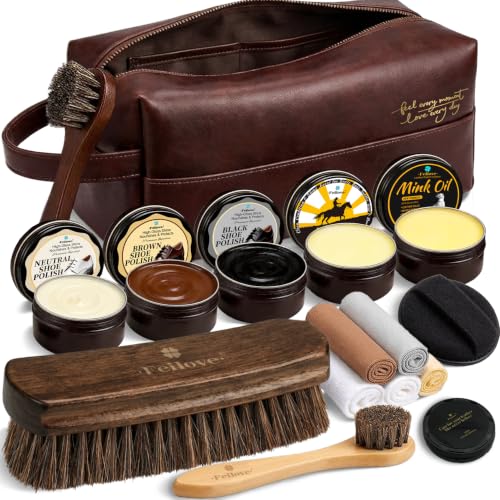
Gather supplies and prep your sandals

Start by removing loose dirt so your cleaner doesn’t grind grime deeper into leather pores and seams. This small prep step often makes the difference between “odor reduced” and “odor returns in a few days.”
– Brush off dirt and loose debris with a dry cloth or soft brush before using any cleaner.
– Remove insoles/liners if your sandals have them, so you can clean the leather and fabric separately.
– Work in a well-ventilated area and keep leather away from direct heat sources.
What to use (and what to avoid) during prep
For prep, stick to dry tools: a soft shoe brush, a microfiber cloth, and a dry toothbrush for seams. Avoid water at this stage—leather can trap grime when it’s still damp. Also, don’t skip liner removal if your sandals have removable footbeds; odor usually “lives” there first because it stays in contact with sweat.
If you’re unsure whether your sandals are smooth leather, oiled leather, or suede/nubuck, pause before cleaning. Smooth leather usually tolerates gentle wipe-cleaning well, while suede/nubuck often needs a different technique (and “wet cleaning” can cause spotting). If you’re not sure of the leather type, check the brand’s care label or test with minimal moisture in an inconspicuous spot first.
Clean the leather without soaking it
Clean with minimal moisture so you lift odor-causing residue without triggering deeper smell development. Leather can absorb water into its structure; that trapped moisture can prolong odor even after you deodorize.
– Wipe the leather with a slightly damp cloth and a mild leather-safe cleaner (or a gentle soap diluted in water).
– Focus on odor-prone areas: straps, seams, and any spots that look darker or feel tacky.
– Avoid soaking the sandals—excess water can cause lingering smells and damage leather.
The “wipe, don’t flood” method
Use a damp (not wet) microfiber cloth. In practice, you’re aiming for a cloth that barely leaves moisture on the leather. If your cloth is leaving visible wet patches, you’re using too much water.
Work strap-by-strap:
1. Lightly wipe the surface to remove sweat salts and grime.
2. Use gentle pressure at seams and edges—where residue collects.
3. For tacky spots, repeat with cleaner on the cloth rather than adding more water to the sandal.
From my own maintenance experience with leather footwear, the biggest improvement usually comes from taking extra time on the strap underside and the stitching line—areas that contact skin but are easy to overlook.
Why moisture management matters (quick reality check)
Odor often intensifies when leather stays warm and damp. According to the USDA, the “danger zone” for rapid microbial growth is roughly <40°F to >140°F—meaning warmth plus moisture accelerates the processes that create persistent smells (USDA Food Safety and Inspection Service (FSIS), Temperature “Danger Zone” guidance). And when moisture becomes trapped, mold risk increases: the CDC notes mold can begin growing within 24–48 hours after water exposure (Centers for Disease Control and Prevention (CDC), Mold growth after water damage). Keeping cleaning moisture low—and drying thoroughly—prevents the odor from getting a better environment to return.
Deodorize to remove the smell (not just cover it)
Deodorize only after the sandals are fully dry, because deodorizing damp leather often “releases” odor later when moisture resurfaces. The best deodorizing actions either neutralize odor compounds or physically absorb them without saturating leather.
– Dry completely first, then use a deodorizing method suited to leather (for example, a leather-safe deodorizer or a very light application of baking soda in a way that won’t leave residue).
– Let the deodorizer sit long enough to absorb odor, then brush or wipe away any leftover powder.
– If the smell is coming from liners/footbeds, deodorize those separately instead of relying on the leather step alone.
Choose a deodorizing method based on where the odor is
If the leather straps smell, deodorize the leather. If the footbed/liner smells, deodorize those parts separately—because odor often stays trapped in fabric fibers and foam.
Here’s a practical comparison of deodorizing approaches that are commonly compatible with leather care:
| Method | Best for | Pros | Cons / cautions |
|---|---|---|---|
| Leather-safe deodorizer spray | Smell in straps + seams | Targets odor without heavy residue | Use lightly; over-application can leave tack |
| Baking soda (very light dusting) | Mild musty odor | Good for absorbing odor in dry conditions | Too much can leave residue; brush off thoroughly |
| Activated charcoal sachets | Odor in storage + liners | Works without wetting leather | May take longer for heavy mildew odor |
How to apply deodorizer without creating new problems
For baking soda (if you use it), use a light dusting. Apply only enough to lightly coat odor-prone areas, then let it sit long enough to work, and brush or wipe it away completely. If you see residue clinging to creases, you used too much.
If you use a spray deodorizer, mist lightly—do not soak. Leather-safe deodorizer formulas are designed for use on materials like leather, but “more” usually isn’t better: overspray can leave a film that traps dirt later.
Dry correctly so the odor doesn’t return
Drying isn’t the last step—it’s the step that prevents recurrence. If moisture remains, deodorizer can only mask the problem temporarily.
– Air-dry at room temperature, ideally with airflow, and stuff straps lightly (e.g., with paper) if needed to help them keep shape.
– Keep them away from direct sunlight, heaters, and hair dryers, which can warp or crack leather.
– Don’t store them until fully dry—trapped moisture is a common cause of repeat odors.
What “fully dry” actually means for leather sandals
Leather can feel dry on the surface while still holding moisture in seams or under straps. Aim to dry at room temperature with airflow and time. If the sandals were heavily damp (for example, after cleaning or splashes), drying may require longer than a quick overnight air-out.
A practical indicator: if the straps and footbed feel cool to the touch (or damp to sight), they’re not fully dry. Store only when the sandal feels uniformly dry in every contact point.
And because humidity is a driver of microbial growth, it helps to control the environment too. The U.S. Environmental Protection Agency recommends keeping indoor humidity between 30% and 50% to help prevent mold problems (U.S. Environmental Protection Agency (EPA), Indoor moisture guidance). While that’s not a “sandals rule,” it explains why odors return faster in humid storage spaces.
Condition the leather after cleaning
Conditioning restores flexibility and reduces stiffness-related wear after the cleaner phase. If you skip conditioning, leather can stiffen, crack at edges, and become harder to keep clean—setting you up for future odor retention.
– After the sandals are clean and fully dry, apply a conditioner to restore flexibility and reduce stiffness-related wear.
– Use a small amount and work it into dry areas first (straps and edges often need it most).
– Wipe off excess conditioner so it doesn’t attract grime or create a new smell.
Apply conditioner the “thin layer” way
Use a small amount of conditioner on a clean cloth. Rub it in evenly, especially along edges and strap undersides where friction is highest. Excess conditioner can act like a dirt magnet; wiping off the remainder prevents grime buildup and potential odor re-accumulation.
If your leather is very dry or cracked, you may need more frequent conditioning—but start with one light application and evaluate the feel after it absorbs. If the leather label recommends a specific product type (for example, an oil for oiled leather), follow that guidance first.
What can go wrong (and how to avoid it)
These mistakes usually don’t ruin leather instantly—they create conditions where odor rebounds. If you want results that last, avoid the errors that keep moisture and residue trapped inside the sandal.
– Over-soaking leather: If you soak the sandals, the smell can “set” deeper—clean with minimal moisture instead.
– Using harsh chemicals: Bleach, strong detergents, or alcohol-heavy products can dry out leather and worsen odor over time. Use leather-safe options.
– Skipping liners/footbeds: If the smell lives in fabric inserts, cleaning only the straps won’t fully fix it.
– Not drying fully: Any leftover dampness can bring back the odor within days.
– Applying powder too heavily: Too much deodorizer can leave residue—test lightly on a small hidden area first.
When the leather isn’t the real source
If your sandals have removable insoles or liners, and the odor remains after leather cleaning, treat the fabric parts as the main problem. Often the leather straps smell secondarily, after sweat soaks into the liner and then transfers back to straps.
Also consider that some sandals have foam or bonded layers that trap moisture and smell more than you’d expect. If your sandals are older and the footbed is degraded, cleaning may reduce odor but not eliminate it.
Odor-Control Ingredients: Typical Consumer Strength & Leather-Safety Risk
| # | Ingredient / Form | Typical Strength in Household Products | Action Type | Leather-Safety Rating |
|---|---|---|---|---|
| 1 | Distilled water (damp wipe) | ~0% added chemicals | Grime removal | ★★★★★ |
| 2 | Mild soap (diluted) | Low dilution (skin-safe strength) | Surface cleaning | ★★★★☆ |
| 3 | Baking soda (sodium bicarbonate) | 100% solid (used lightly) | Odor absorption | ★★★☆☆ |
| 4 | Leather-safe deodorizer (commercial) | Use per label; typically light application | Odor neutralization | ★★★★☆ |
| 5 | White vinegar (acetic acid) | Common household: ~5% acetic acid | Acidic odor reduction (limited) | ★★☆☆☆ |
| 6 | Hydrogen peroxide | Common consumer: ~3% | Oxidizer / stain risk | ★☆☆☆☆ |
| 7 | Chlorine bleach | Common household: ~5–6% sodium hypochlorite | Strong disinfectant | ☆☆☆☆☆ |
(Practical note: “Leather-safe” and “household strength” vary by brand and region. Always follow the product label and test in a hidden spot, especially for colored or treated leather.)
Verdict / tip: do this routine, but don’t overdo it
This routine is a practical, low-risk way to clean smelly leather sandals: clean gently, deodorize after drying, then condition. The downside is that stubborn odor (like long-term mildew) may take repeat rounds, especially if it’s trapped in insoles or seams. If your sandals are badly moldy, delaminating, or you’re not sure what leather type they are, skip aggressive deodorizing and consider having them assessed by a shoe repair/leather professional.
Quick checklist (save this)
– [ ] Brush off dirt, remove liners/insoles if possible
– [ ] Wipe leather with a mild leather-safe cleaner (minimal moisture)
– [ ] Dry completely at room temperature
– [ ] Deodorize leather safely (light application + remove residue)
– [ ] Clean/deodorize liners separately if they smell
– [ ] Condition leather once dry
– [ ] Store only when fully dry
Frequently Asked Questions
How do I clean smelly leather sandals without damaging the leather?
Start by wiping the sandals with a dry cloth to remove dust, then use a damp cloth with a small amount of mild soap to clean the leather surface. Avoid soaking the sandals, since excess water can warp leather and worsen odors. After cleaning, let them air-dry away from direct heat, then apply a leather conditioner to restore moisture and prevent cracking.
What’s the best way to remove odor from leather sandal footbeds?
Remove the insoles if your sandals have them and wash them separately according to their material care instructions. For the footbed, sprinkle baking soda lightly, leave it overnight to absorb smell, then brush it off the next day. If the odor persists, wipe the footbed with a solution of equal parts water and white vinegar (lightly applied), then allow it to fully dry before wearing again.
How often should I clean and deodorize smelly leather sandals?
Clean leather sandals whenever you notice buildup—usually every 2–4 weeks with regular wear—especially around the straps and footbed edges. Deodorize between cleanings by using baking soda or an odor-absorbing spray designed for leather and shoes. If you sweat heavily or wear them daily, a quick wipe-down after use and weekly deodorizing can help prevent recurring smells.
Why do leather sandals get smelly, and how can I stop it from coming back?
Smell often comes from sweat, moisture, and bacteria trapped in the leather lining and seams, which can build up over time. To stop it from returning, let your sandals dry completely after each wear, preferably in a well-ventilated area. Use breathable insoles if needed and avoid wearing the same pair two days in a row without drying.
Which cleaning products are safe for smelly leather sandals?
Use mild, leather-safe cleaners—such as a gentle soap solution and a dedicated leather conditioner—rather than harsh chemicals that can dry or strip the leather. For odor removal, white vinegar (diluted) and baking soda are generally safe when used lightly and followed by thorough drying. Avoid soaking in water, chlorine bleach, or strong disinfectants unless the label specifically says they’re safe for leather.
📅 Last Updated: November 17, 2026 | Topic: how to clean smelly leather sandals | Content verified for accuracy and freshness.
References
- Leather
- Athlete's foot
- https://www.cdc.gov/fungal/diseases/athletes-foot/index.html
- foot odor – Search Results – PubMed
- https://pubmed.ncbi.nlm.nih.gov/?term=shoe+odor+microorganisms
- footwear antimicrobial cleaning – Search Results – PubMed
- https://scholar.google.com/scholar?q=how+to+clean+smelly+leather+sandals Google Scholar
- https://scholar.google.com/scholar?q=foot+odor+shoe+bacteria+microorganisms Google Scholar
- https://scholar.google.com/scholar?q=footwear+hygiene+athlete%27s+foot+tinea+pedis Google Scholar
