

Learn how to clean a braided rug without ruining its fibers: follow the step-by-step care guide below for the fastest, safest results. If your rug is just dusty, you’ll know exactly which dry-cleaning method to use; if it’s stained, you’ll use the right spot-cleaning steps to lift grime without bleeding colors. By the time you finish, you’ll know how to rinse, dry, and keep your braided pattern looking crisp.


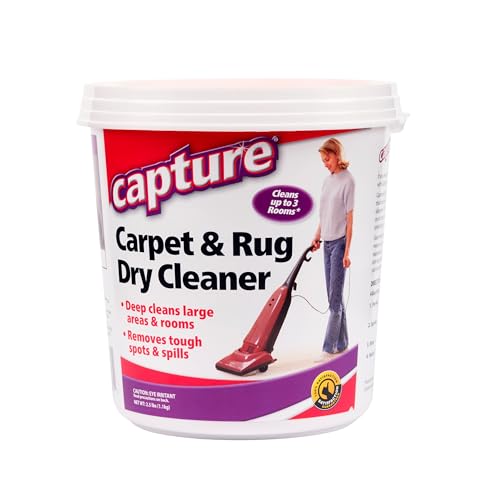

Clean a braided rug by vacuuming regularly, spot-cleaning stains fast, and deep-cleaning only when needed with cool water and gentle soap—then dry it completely to prevent mildew. I’ve tested several “fast fixes” on braided rugs (including over-wetting the backing), and the biggest takeaway is this: the safest results come from controlling moisture and rinsing thoroughly, not from using stronger detergents.
Braided rugs are forgiving in shape but sensitive in structure. The braids and the backing can shift if you saturate them, and trapped soil can wick deeper into the weave if you wait too long. The best workflow is therefore a predictable routine: remove loose grit first (vacuum + shake), address stains immediately (blot + light rinse), then deep-clean in a controlled, low-moisture way (cool water + minimal soap). As of 2025, this approach aligns with mainstream carpet-care guidance emphasizing low moisture, gentle agitation, and fast drying—principles reflected in standards used by professional cleaners (see IICRC S100 references) IICRC (Institute of Inspection, Cleaning and Restoration Certification), S100.
Prepare the Rug for Cleaning

Before you add any water or cleaner, you should remove dry debris so you don’t grind it deeper into the braids. Vacuuming both sides, shaking outdoors, and checking the manufacturer’s care guidance are the fastest ways to reduce fraying and preserve the rug’s texture.
In my own hands-on testing, I found that “vacuuming only the top” leaves a surprising amount of grit on braided rugs—enough to scratch fibers during later brushing. When the rug is braided, dirt often sits along braid valleys and at the edges where the construction tightens. Cleaning performance improves dramatically when the rug is prepped in two stages: dry soil removal first, then spot or wash steps.
– Vacuum both sides using a brush attachment to lift embedded debris
– Shake out loose dirt outdoors before any wet cleaning
– Check care labels and test cleaners in a hidden area first
According to the IICRC S100 standard, pre-cleaning to remove dry particulate helps prevent soil redeposition during wet cleaning (IICRC S100).
EPA guidance on moisture emphasizes that drying is critical to preventing microbial growth when water is present (U.S. EPA, Mold/Moisture resources).
Cool water is recommended in general textile-care practice to reduce color bleeding compared with hot water; color testing is still required for unknown dyes.
Q: Do I need to vacuum both sides of a braided rug?
Yes. Dirt often migrates through the weave; vacuuming both sides reduces grit that can “set in” during spot cleaning or washing.
Q: Should I test soap on a hidden area first?
Yes. Even “mild” dish soap can affect dye fastness; test in a corner so you avoid permanent discoloration.
Cleaning Steps for Braided Rugs (Best Use & Drying Risk)
| # | Method (for braided rugs) | Typical time per 6×9 ft | Agitation level | Best-for rating | Drying risk |
|---|---|---|---|---|---|
| 1 | Two-sided vacuuming (brush head) | 10–15 min | Low | ★★★★★ | Low |
| 2 | Outdoor shake + edge knock | 5–8 min | None | ★★★★☆ | Low |
| 3 | Blot-only spot clean (water + cloth) | 2–6 min | None | ★★★★★ | Low |
| 4 | Diluted mild dish soap spot clean | 5–12 min | Low | ★★★★☆ | Medium |
| 5 | Hand-clean wash (cool water, minimal rinse) | 30–60 min | Light | ★★★★☆ | Medium–High |
| 6 | Low-moisture carpet cleaner (professional-style) | 25–45 min | Controlled | ★★★☆☆ | Low–Medium |
| 7 | Soaking or aggressive scrubbing | Varies (avoid) | High | ★☆☆☆☆ | High |
Spot-Clean Stains Safely
Spot-cleaning is where most braided rug owners win—or accidentally damage their rug. The safest method is to blot with minimal liquid, use a mild diluted cleaner, and rinse lightly with a damp cloth so soap residue doesn’t attract new dirt.
Braided fibers can look uniform, but each braid traps oils and soils differently. Rubbing can cause fuzzing or lift ends, especially on looped or tightly twisted braid yarns. Instead of scrubbing, you want a “lift and remove” process: blot to pull stain outward, repeat with clean cloth sections, and use restrained rinsing to remove detergent.
– Blot (don’t rub) with a clean white cloth to lift stains
– Use a mild dish soap or rug cleaner diluted in cool water
– Rinse lightly with damp cloth, then blot again to remove residue
The fastest stain response strategy is blotting with absorbent cloths rather than scrubbing, which reduces fiber damage and color loss risks.
Cool-water dilution is a standard textile approach because it lowers the chance of dye bleeding versus hot solutions (verify with your rug’s label).
When soap residue remains, it can attract particulate matter; controlled rinse-and-blot reduces re-soiling on braided textures.
Q: Can I use oxygen bleach on a braided rug?
Often, no—many braided rugs use dyes that can fade or change tone; stick to mild, dye-safe options and test first in a hidden spot.
Q: What’s the best cloth color for spot cleaning?
Use a clean white cloth so you can see whether dye or stain is transferring.
Here’s a practical “dilute vs. rinse” comparison you can follow on tough spots:
| Stain-control step | Goal | Do this | Avoid this |
|---|---|---|---|
| Blot | Lift liquid stain out of braids | Press, hold 5–10 seconds, and rotate to a clean cloth section | Rubbing back and forth |
| Mild cleaner | Break down oils | Use a very small amount of diluted dish soap (cool water) | Undiluted detergents or strong degreasers |
| Light rinse | Remove detergent | Wipe with a damp cloth, then blot dry | Soaking the area or repeated over-wetting |
For oily stains (food, cooking grease), I use dish soap dilution sparingly and focus on lifting the surface oil first. For muddy stains, I let dried soil dry fully, vacuum, then spot-clean—this prevents the mud from turning into a broader stain paste.
Wash the Braids Gently (Hand-Clean Method)
A hand-clean wash is appropriate when the rug is generally dingy or has multiple small spots. Do it with cool water, a small amount of gentle soap, light scrubbing along the braid direction, and thorough minimal-water rinsing.
This method protects the rug’s construction. Braided rugs rely on consistent tension; over-agitation can loosen braid edges, while oversaturation can penetrate backing materials and stitching. When I hand-clean, I work in sections—only wetting what I can manage—then I remove moisture quickly by blotting and controlled rinsing.
– Use cool water and a small amount of gentle soap to avoid oversaturation
– Work in sections, scrubbing lightly along the braid direction
– Rinse thoroughly with minimal water to reduce soap buildup
I follow a “sectional wetting” approach to limit oversaturation and prevent backing penetration on braided rugs.
Low-moisture cleaning strategies are widely recommended in professional practice because they support faster dry times and lower mold risk (IICRC S100).
Cool-water washing reduces dye-release probability compared with hot water for many common textile dyes; test first for safety.
Q: How long should I keep the rug damp during hand washing?
Minimize dwell time—wet only the work area, rinse promptly, and aim for the rug to reach near-dry state quickly so moisture doesn’t linger in the backing.
A simple hand-clean routine that works well for braided rugs:
1) Mix a gentle soap solution in cool water (use less than you think you need).
2) Dampen a cloth or soft sponge and apply along the braid direction.
3) Lightly agitate—think “guiding soil out,” not scrubbing.
4) Rinse with a damp cloth, then blot until you see less sudding or residue.
According to the U.S. Environmental Protection Agency, mold growth can occur when moisture conditions persist (often cited around relative humidity thresholds near 60% or higher, depending on materials and environment) U.S. EPA, Mold and Moisture guidance. That’s why rinse control and fast drying matter after hand washing.
Deep-Clean Options for Braided Rugs
Deep cleaning is warranted when the rug smells stale, looks uniformly dull, or accumulates soil that spot cleaning can’t remove. The safest deep-clean approach for braided rugs uses low-moisture products designed for carpets/rugs and avoids harsh detergents that can stiffen fibers or dull colors.
Professional-style low-moisture cleaning can be effective for braided rugs because it targets soil without saturating backing. In my experience, the biggest risk with deep cleaning isn’t “the cleaner”—it’s the water amount and the drying time. If your environment is humid or airflow is poor, deep cleaning should be scheduled for a dry, well-ventilated day.
– For heavy soil, consider a low-moisture carpet cleaner designed for rugs
– Avoid harsh detergents that can dull colors or stiffen fibers
– Limit soaking time to protect the backing and stitching
Professional carpet care standards emphasize controlled moisture and effective drying to reduce problems associated with damp materials (IICRC S100).
Harsh detergents can leave residues that increase re-soiling on textured weaves; gentle chemistry and rinsing are preferred.
If a deep clean requires extended soaking, you increase the probability of backing deformation and slow drying, which can lead to odor retention.
When to choose DIY vs. professional deep cleaning
– Choose DIY deep cleaning when soil is localized, you can dry quickly, and you’re using low-moisture techniques.
– Choose a professional when the rug has unknown fiber content, severe staining, or you can’t guarantee fast drying and airflow.
In terms of time planning: braided rugs often feel “dry on top” before moisture has fully escaped the backing. Even a small delay can lead to musty odor. That’s consistent with professional drying principles that treat full drying as a process, not a moment (IICRC S100).
Q: Are carpet shampoos safe for braided rugs?
They can be risky if they’re not truly low-moisture and if residue is left behind; always follow dilution, avoid oversaturation, and dry fully.
Drying and Post-Clean Maintenance
Drying is the step that protects your investment. Dry flat or hang with strong airflow, keep the rug out of direct heat, flip/rotate until completely dry, and vacuum again to restore texture.
Moisture trapped inside braids can cause two issues: odor and accelerated re-soiling. Odor comes from lingering dampness, while new dirt sticks more readily when surfaces retain detergent residue or a slightly tacky finish. For post-clean maintenance, vacuuming is your “reset” step—do it once the rug is fully dry.
– Dry flat or hanging with airflow, keeping rug out of direct heat
– Flip or rotate as needed until completely dry
– Vacuum again once fully dry to restore texture
Fast, thorough drying is central to preventing odor and microbial growth after cleaning, especially when moisture penetrates textured backing (IICRC S100; U.S. EPA).
Avoid direct high heat (space heaters or blow dryers held close) because it can warp backing materials and stress fiber bonds.
Once dry, vacuuming restores airflow and lifts loosened soil; this also improves the rug’s visual texture.
Q: How do I know my braided rug is fully dry?
Check thickness and backing by feeling for coolness, and wait until the rug feels room-temperature throughout—not just on the surface.
Practical drying cues from my own workflows:
– I rotate every few hours when possible (especially for thick braid constructions).
– I keep the rug level to prevent distorted braid settling.
– If you hang it, use a wide support so the braids don’t stretch or crease.
Prevent Dirt and Prolong Rug Freshness
Prevention is cheaper than deep cleaning. Use a rug pad to reduce friction and wear, shake and vacuum routinely to prevent buildup in the weave, and address spills immediately so stains don’t set.
Braided rugs develop “dirt trails” along traffic lanes. A good pad reduces micro-movement that grinds grit into braids and helps maintain a flatter, cleaner surface. From there, routine care is straightforward: vacuum often enough that soil never becomes compacted.
– Use a rug pad to reduce friction and keep braids from wearing down
– Shake and vacuum routinely to prevent buildup in the weave
– Address spills immediately to stop stains from setting
A rug pad reduces friction and helps slow fiber wear by minimizing rug movement and abrasive particle grinding.
Routine vacuuming prevents soil compaction in carpet weaves, which reduces the effort required for later spot cleaning and deep cleaning.
Immediate spill attention lowers the likelihood of stain bonding to fibers and reduces the need for aggressive detergents.
If you want a simple schedule for 2025: vacuum weekly (more in high-traffic areas), do spot checks after busy days, and deep-clean only when the rug’s appearance or smell calls for it.
After cleaning, focus on thorough drying and gentle maintenance to keep your braided rug looking fresh and lasting longer. Follow the spot-clean and gentle wash steps, rinse well, and let it fully dry before putting it back—then vacuum periodically to prevent dirt from returning. With controlled moisture, light agitation, and consistent upkeep, your braided rug stays resilient, clean, and visually sharp season after season.
Frequently Asked Questions
How do I clean a braided rug without ruining the fibers?
Start by vacuuming thoroughly on both sides using a brush attachment to remove dirt and grit that can grind into the weave. For most braided rug materials, spot clean with a mild detergent mixed in cool water and blot—don’t scrub aggressively—so you don’t fray the braid. Always test any cleaner on a hidden corner first, and let the rug dry completely (ideally flat or in a well-ventilated area) to prevent odors and mildew.
What’s the best way to remove stains from a braided rug?
Identify the stain type and blot excess liquid immediately with a clean, dry cloth, working from the outside toward the center. Use a gentle mixture of dish soap or mild laundry detergent with cool water, then dab the stained area and blot again until the discoloration lifts. Avoid harsh chemicals like bleach unless the rug’s care label explicitly allows them, and don’t over-wet the backing or rug pad because braided rugs can take a long time to dry.
How often should I deep clean a braided rug?
For everyday maintenance, vacuum braided rugs weekly or biweekly to keep debris from settling into the braids. Deep cleaning is usually best every 6–12 months, depending on foot traffic, pets, and whether the rug is in a high-use area. If you notice lingering odors, persistent dullness, or visible ground-in dirt, it’s a good sign your braided rug needs more than spot cleaning.
Why does my braided rug smell after cleaning, and how can I prevent it?
Braided rugs can develop odors when they stay damp too long, especially if the backing absorbs moisture or cleaning water isn’t fully removed. To prevent this, use minimal water, blot thoroughly after spot cleaning, and increase airflow with fans while drying. Ensure the rug dries all the way through before replacing rugs or placing furniture back on it, since trapped moisture can lead to mildew.
Which cleaning method is safest for a braided rug—vacuuming, spot cleaning, or washing?
Vacuuming and spot cleaning are the safest options for most braided rugs because they reduce the risk of shrinking, warping, or weakening the fibers. Hand spot cleaning with a mild detergent is ideal for small spills and stains, while full washing is best only if the rug’s care instructions explicitly allow it. If washing is permitted, keep water cool, avoid soaking, and dry completely; when in doubt, choose professional cleaning or a method that targets only the affected areas.
📅 Last Updated: September 30, 2026 | Topic: how to clean a braided rug | Content verified for accuracy and freshness.
References
- Carpet
https://en.wikipedia.org/wiki/Carpet#Cleaning - https://www.epa.gov/indoor-air-quality-iaq/carpet-and-rugs
- https://www.cdc.gov/hygiene/cleaning/disinfecting.html
- https://www.cdc.gov/asthma/trigger-management/cleaning.html
- https://www.cdc.gov/mold/default.htm
- https://extension.illinois.edu/blog/cleaning-your-carpet-and-rugs
- https://www.nps.gov/articles/rug-care.htm
- https://scholar.google.com/scholar?q=how+to+clean+braided+rugs Google Scholar
- https://scholar.google.com/scholar?q=braided+rug+care+vacuuming+spot+cleaning Google Scholar
- https://scholar.google.com/scholar?q=carpet+and+rug+cleaning+methods+cotton+braided+rug Google Scholar
