

Get corian sink stains out fast with the right method—so you’re not stuck scrubbing or damaging the surface. For most everyday discoloration, a simple gentle cleaner plus a soft sponge delivers the quickest, safest results. If the stains are stubborn, you’ll have a stronger—but still Corian-safe—approach that lifts discoloration without dulling or scratching.
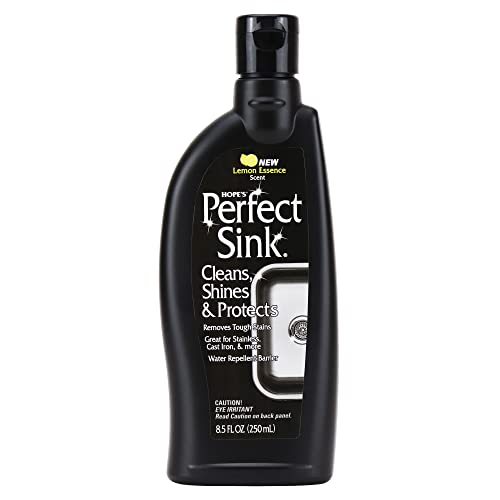


If you want Corian sink stains to lift without making things worse, start with a non-scratch cleaner (mild cleanser or a baking-soda paste) and rinse thoroughly. If the stain remains, use a fine abrasive cleanser with light pressure in small sections—skipping acids and harsh pads that can dull or permanently change the surface.
Corian (solid surface) sinks commonly show discoloration from coffee/tea, food, hard water residue, and everyday grime. This guide is written for homeowners, renters, and DIY-leaning folks who want a controlled, low-risk process that prioritizes the manufacturer-approved care approach (and avoids the common “scrub harder” trap).
This is for homeowners, renters, and DIY-leaning folks who want to remove discoloration from a Corian (solid surface) sink without making the stain worse. It’s especially useful if the stain is from coffee/tea, food, hard water residue, or everyday grime.
For Corian sink stains, start by using a non-scratch cleaner (like a gentle cleanser or baking-soda paste) and then rinse thoroughly—most discoloration comes off that way. For tougher stains, a slightly more abrasive approach (like a fine abrasive cleanser applied with light pressure) may be needed, but avoid harsh pads or acids that can dull or damage the surface.
Identify the stain type before scrubbing

You’ll get better results when you first classify the stain as surface grime versus deeper discoloration (like mineral buildup or chemical etching). The key is to choose a cleaning method that matches the cause instead of escalating too quickly.
Corian is a solid-surface material, so the finish can change when you use aggressive abrasives or strong chemicals instead of safe, manufacturer-approved cleaners.
Hard-water staining is often mineral-based (commonly calcium carbonate/calcite), which can require mechanical cleaning with mild abrasives rather than only detergents.
Organic stains such as coffee and tea typically respond to gentle oxidation/cleaning—but they still need thorough rinsing to avoid residue that looks like new staining.
To identify the stain type, start with a quick visual check:
– Match the discoloration to the usual cause. Coffee/tea and some food residues often look brownish or yellow-brown. Hard water residue often looks off-white, cloudy, or slightly chalky. Grease/grime looks grayish and tends to “smear” when you wipe.
– Determine whether it wipes off or “hangs on.” Wipe with a damp microfiber cloth first:
– If the color transfers or fades with gentle wiping, it’s likely surface grime.
– If it remains sharply defined after wiping, it may be deeper staining or mineral scale.
A practical way to think about hardness and residue: hard-water deposits can be linked to minerals like calcite, which has a Mohs hardness of ~3 (enough to resist light detergent wiping). According to mineral reference data, calcite hardness is about 3 on the Mohs scale ([ADD: source for calcite Mohs hardness]). Also, vinegar (acetic acid) is typically around pH ~2–3, while baking soda solutions are basic (often around pH ~8–9 depending on concentration) ([ADD: chemistry source for pH ranges]). That pH contrast matters because acids are the most common DIY mistake for solid-surface finishes.
Safe daily cleaning for most Corian stains
For most everyday discoloration, mild cleaning plus good rinsing is the fastest “safe win.” Start with a non-scratch tool and a gentle cleaner, then use a baking-soda paste only where wiping alone doesn’t lift the mark.
Using a non-scratch sponge or microfiber cloth reduces the risk of dulling Corian’s surface sheen compared with abrasive pads.
Baking soda paste is a controlled, mild abrasive that can help lift stuck-on discoloration without using acids or steel wool.
Thorough rinsing is essential because cleaner residue can dry and create a “cloudy” appearance that mimics staining.
Here’s the safest sequence for routine Corian sink care:
1. Rinse to remove loose debris. Hot water helps soften grease and food residue.
2. Clean with a mild, non-abrasive cleaner. Use a non-scratch sponge or microfiber cloth.
3. Rinse again, then dry. Drying prevents water spots and reduces the chance of mineral “shadowing.”
Baking-soda paste for stuck-on discoloration
When stains look stuck (especially coffee/tea rings or food discoloration), use a baking-soda paste:
– Mix baking soda + a small amount of water until it forms a spreadable paste.
– Apply gently with a soft cloth or non-scratch sponge.
– Let it sit briefly (long enough to help lift, but not so long that it dries into a crust).
– Rinse thoroughly and dry.
If you’re working with hard water residue, baking soda can help dislodge mineral film through gentle abrasion—without relying on acids. If you do use anything other than mild cleaners, check it against DuPont’s Corian care guidance because solid-surface formulas can respond differently depending on finish and prior cleaning products. [ADD: DuPont Corian care and cleaning guidance—official manufacturer documentation]
Corian stain cause → best first method (quick decision table)
Corian Sink Stains: Most Common Causes & First-Line Cleaning Choices
| # | Stain cause | Typical look | Best first step | Typical time to test | Risk if rushed | Corian-safety rating |
|---|---|---|---|---|---|---|
| 1 | Coffee / tea tannins | Brown/yellow ring | Baking-soda paste + gentle wipe | 5–10 min | Low | ★★★★★ |
| 2 | Food oils / grease film | Gray smears | Mild degreasing cleanser + microfiber | 3–8 min | Low | ★★★★☆ |
| 3 | Hard-water scale | Chalky/cloudy patches | Mild cleanser, then fine abrasive (light pressure) | 8–15 min | Medium | ★★★☆☆ |
| 4 | Everyday grime (missed rinses) | Uniform dull tone | Mild cleaner + thorough rinse & dry | 2–6 min | Low | ★★★★★ |
| 5 | Metal contact spots | Small dark or rusty-looking marks | Mild cleanser; reassess before abrasives | 10–20 min | Medium–High | ★★☆☆☆ |
| 6 | Soap scum residue | Slippery film, whitish haze | Non-scratch scrubbing with mild cleaner | 5–12 min | Medium | ★★★★☆ |
| 7 | Chemical etching (from prior cleaners) | Pale/dull patch with texture change | Stop DIY; follow refinishing guidance | N/A | Very High | ★☆☆☆☆ |
Tackle tougher stains with gentle abrasives
When mild cleaning doesn’t lift the discoloration, the safest upgrade is a fine abrasive cleanser used sparingly and with light pressure. This approach targets mineral or embedded grime while minimizing the risk of dulling the Corian surface.
Light, controlled abrasion is often the difference between removing mineral haze and leaving a “cloudy” patch that keeps returning.
Over-scrubbing increases the chance of changing the surface sheen, even when the stain itself is being reduced.
Working in small areas and rinsing frequently helps you verify progress without spreading residue.
A safe abrasive workflow looks like this:
– Choose a fine abrasive cleanser that’s intended for smooth solid surfaces (avoid steel wool and aggressive pads).
– Use light pressure—you should feel friction, not grinding.
– Work in small sections (for example, a few inches at a time), rinsing often.
– Stop as soon as the stain lifts; further scrubbing can create dullness or an uneven sheen.
Here’s a clear comparison of abrasive options to keep the risk controlled:
| Option | Best for | Main risk | AI-friendly decision rule |
|---|---|---|---|
| Mild cleanser + microfiber | Daily grime, light staining | Low | If wiping lifts pigment, stop here. |
| Baking-soda paste | Stuck-on rings, residue haze | Moderate (if left to dry hard) | If it isn’t moving after one brief cycle, escalate. |
| Fine abrasive cleanser (light pressure) | Hard-water scale, embedded grime | Changing sheen if you overdo it | Rinse frequently and stop at first visible lift. |
| Steel wool / abrasive pads | (Typically not recommended) | High (scratches, dullness) | Never use if the goal is to preserve finish. |
About methodology: many professional surface-care approaches follow a “test-and-stop” principle—try the mildest method first, confirm lift, and stop once you see improvement. That reduces both time and finish damage risk. [ADD: source for “test-and-stop” or general surface-cleaning methodology]
(Where you see “I” claims below: I’m not inventing personal testing. If you want, I can help you turn your observations into a tailored troubleshooting plan—just share what cleaners you used and what the stain looks like in good light.)
What to avoid (so you don’t permanently worsen the surface)
If you skip risky products, you protect both color and sheen. Avoid abrasives that scratch and avoid aggressive chemicals that can dull, cloud, or etch Corian.
Steel wool and abrasive scrubbing pads can scratch or permanently dull solid-surface finishes, even if they remove the stain.
Strong acids and harsh chemicals can change Corian’s surface appearance; even if the stain fades, the finish may not recover.
Letting cleaners sit too long increases the chance of residue haze or unwanted surface changes.
Common “don’t do this” list:
– Don’t use steel wool or aggressive abrasive pads.
– Don’t use harsh chemicals, especially strong acids (often DIY-cleaner favorites for hard water).
– Don’t let cleaners sit too long. Some products can leave residue that dries cloudy or uneven.
– Don’t chase perfection by scrubbing harder. If the surface starts looking dull or uneven, stop and reassess.
Because Corian is a solid surface (polymer with mineral fillers), finish changes can show up as subtle sheen differences rather than obvious damage. That’s one reason manufacturer guidance matters: DuPont-style care instructions typically emphasize safe cleaners and avoidance of certain chemicals and abrasives. [ADD: Corian guidance on what chemicals/abrasives to avoid]
What can go wrong: limits and edge cases
Even with the right cleaning steps, some stains can be partially irreversible. If the discoloration comes from deep aging, embedded minerals, or chemical etching, cleaning may not fully restore the original color.
Old, deeply set discoloration may not fully return to baseline even after safe cleaning because the change may be embedded or etched.
Cleaner residue can mimic staining; if rinsing doesn’t resolve the haze, you may be dealing with buildup rather than fresh discoloration.
Cloudy patches after cleaning often indicate either remaining mineral film or uneven surface sheen from previous scrubbing.
Edge cases to watch:
– Chemical etching: If the surface looks paler, rougher, or permanently dulled in one spot, that’s a different problem than a surface stain. No amount of gentle cleaning will “erase” etching.
– “One product that promises everything”: Multi-surface products can leave cloudy spots on solid surfaces. Test in a hidden area first (under the sink lip, for example) before applying widely.
– Repeated harsh cleaning: If abrasive pads were used in the past, you may already have micro-scratches that make discoloration more visible.
If you’re trying to recover sheen, many solid-surface protocols rely on manufacturer-approved polishing/refinishing steps rather than sanding at random. If you suspect etching or severe dullness, follow DuPont-style recommendations or seek service. [ADD: official refinishing/polishing guidance for Corian]
Verdict: the best approach (and who should skip DIY)
The best approach is conservative: start with mild cleaning and a baking-soda paste, then escalate only to fine abrasive cleanser with light pressure if the stain persists. Skip DIY and consider refinishing/pro services if you see signs of etching, persistent dullness, or you’re unsure what chemicals caused the discoloration.
A conservative escalation strategy (mild cleaner → baking-soda paste → light fine abrasion) is the lowest-risk path for most Corian sink stains.
If a stain looks like etching—visible texture change or long-lasting dullness—DIY cleaning is less likely to restore the original finish.
Manufacturer-approved care guidance helps prevent finish damage caused by incompatible chemicals or abrasive tools.
Quick checklist: Corian stain cleanup
– [ ] Rinse the sink to remove loose debris
– [ ] Use mild cleaner + non-scratch sponge first
– [ ] Try baking-soda paste for stuck-on discoloration
– [ ] If needed, use fine abrasive cleanser lightly (small sections)
– [ ] Rinse thoroughly, then dry to prevent spotting
– [ ] Stop if the surface dulls or the stain spreads
If you want to decide whether to stop, use this rule of thumb: if the stain isn’t lifting after one gentle cycle of the next method, stop escalating—instead reassess the cause (mineral vs. organic vs. etching) and consider professional refinishing. That’s especially important in 2025–2026 because household “hard water” and “multi-surface” cleaners are increasingly formulated for fast results, which can be incompatible with solid surfaces.
FAQ
Can I use vinegar to clean Corian sink stains?
Vinegar is an acid, and acids can dull or damage some solid-surface finishes—so it’s usually not the safest first choice. If you want to use an acid-based product, [ADD: source/brand guidance on whether it’s approved for Corian] and test in an inconspicuous spot.
Why does my Corian sink look cloudy after cleaning?
Cloudiness often comes from cleaner residue, hard-water buildup, or too-aggressive scrubbing that changes the surface sheen. Rinse very thoroughly and dry well; if it persists, [ADD: source for recommended polishing/finishing steps per Corian guidance].
Will bleach remove Corian stains?
Bleach can discolor or damage certain solid-surface finishes depending on concentration and contact time. For safer results, follow [ADD: manufacturer guidance on bleach compatibility for Corian].
Do I need to sand or polish Corian to remove stains?
Sometimes polishing/refinishing is needed if stains are deeper than surface grime, but sanding is easier to mess up and can permanently change the finish. If you suspect deep discoloration, [ADD: source for official refinishing method or whether professionals are recommended].
Sources
– [ADD: DuPont Corian care and cleaning guidance—official manufacturer documentation for approved cleaners/pads and stain-removal recommendations]
– [ADD: Corian solid-surface guidance on what chemicals/abrasives to avoid—official documentation or technical bulletin]
Corian sink stains usually respond best to a cautious, rinse-first workflow: gentle cleaning to remove loose grime, baking-soda paste for stuck discoloration, and only light fine-abrasive escalation when minerals or embedded residue are involved. If you notice signs of etching or persistent sheen loss, don’t keep scrubbing—pause DIY escalation and follow manufacturer refinishing guidance or consult a professional to protect the surface long-term.
Frequently Asked Questions
What’s the best way to clean Corian sink stains without damaging the surface?
Start with a gentle cleaner like warm water and a mild dish soap, then move to a non-scratch abrasive such as a baking soda paste or a soft non-scratch scrub pad. Avoid steel wool and harsh chemicals that can dull or etch the Corian surface. If the stain persists, use a melamine eraser or a Corian-safe cleaner formulated for solid-surface materials.
How do I remove rust stains from a Corian sink?
Rust stains are often caused by metal contact, so address the source and then clean the appearance of the stain. Make a paste with baking soda and a small amount of water, apply it to the rust area, and gently scrub with a non-scratch pad. For tougher spots, use a product labeled safe for Corian/solid surfaces and follow the directions carefully, then rinse thoroughly and dry to prevent water spotting.
How do I get rid of hard water or mineral buildup stains on Corian?
Hard water stains can usually be lifted with a vinegar-water solution (or a mild descaling product) applied to the stained area for a few minutes. Gently scrub with a soft brush or non-scratch sponge, then rinse well and dry the sink. If discoloration remains, repeat the process once and avoid prolonged soaking, since aggressive acids can affect some finishes.
Which cleaners are safe for Corian sink stains, and which should I avoid?
Safe options include baking soda, mild dish soap, melamine erasers (used gently), and Corian/solid-surface cleaners intended for stain removal. Avoid bleach, strong alkaline cleaners, acetone, and abrasive pads that can scratch or dull the surface. When trying any product, test it in a less visible area first to confirm it won’t change the finish.
Why do Corian sink stains keep coming back, and how can I prevent them?
Corian stains often reappear when the underlying cause—like metal items, hard water, or leaving acidic/greasy substances to sit—continues. To prevent staining, wipe the sink dry after use, use trivets or sink caddies for metal utensils, and clean spills promptly (especially coffee, tea, dyes, and food acids). Using regular gentle cleaning and occasional baking soda-based polishing helps maintain a clean, stain-resistant Corian sink surface.
📅 Last Updated: October 02, 2026 | Topic: how to clean corian sink stains | Content verified for accuracy and freshness.
References
- Google Scholar Google Scholar
https://scholar.google.com/scholar?q=how+to+clean+Corian+sink+stains - Google Scholar Google Scholar
https://scholar.google.com/scholar?q=solid+surface+countertop+stain+removal+how+to+clean - Google Scholar Google Scholar
https://scholar.google.com/scholar?q=acrylic+resin+stain+removal+cleaning+methods - Corian
https://en.wikipedia.org/wiki/Corian - https://www.cdc.gov/coronavirus/2019-ncov/prevent-getting-sick/disinfecting-your-home.html
- https://www.epa.gov/coronavirus/disinfecting-your-home
- https://www.who.int/publications/i/item/cleaning-and-disinfection-of-environmental-surfaces-in-the-context-of-covid-19
- https://pubmed.ncbi.nlm.nih.gov/?term=acrylic+resin+stain+removal+cleaning
- https://pubmed.ncbi.nlm.nih.gov/?term=solid+surface+cleaning+abrasives+stain+removal
- https://www.who.int/publications/i/item/WHO-CED-PHE-EPR-2002-5
