

Learn how to clean your dog’s ears with vinegar safely, and know exactly when it’s the right choice. This guide answers whether diluted vinegar can be used on your dog’s ears without worsening irritation, and what to do step by step for a clean, calm result. If your dog shows signs of infection, the safest option is clearly different—so you’ll know the red flags to watch for before you start.



Vinegar can be used for mild ear odor or light buildup only if it’s diluted well and you clean the outer ear—not the canal. If your dog shows pain, redness/swelling, discharge, or frequent head shaking, skip vinegar and contact a veterinarian, because those signs commonly indicate infection or another treatable ear condition.
Cleaning dog ears at home is reasonable when the issue is limited to occasional odor or soft waxy buildup, and your veterinarian has already ruled out infection. In 2025 and beyond, the safest approach still follows veterinary “less is more” principles: use the right technique, use an appropriate solution, and stop immediately if the ear looks worse.
Household White Vinegar (≈5% acetic acid) Dilution Guide for Safer Outer-Ear Wiping
| # | Vinegar : Water mix | Approx. acetic acid %* | Best use context | Safety signal |
|---|---|---|---|---|
| 1 | 1 : 20 | 0.24% | Most conservative “start here” test | Recommended for patch-testing |
| 2 | 1 : 15 | 0.31% | Mild odor, intact skin | Green (outer ear only) |
| 3 | 1 : 10 | 0.45% | Occasional waxy buildup | Green (monitor closely) |
| 4 | 1 : 8 | 0.56% | Only if prior diluted use caused no irritation | Cautious green |
| 5 | 1 : 5 | 0.83% | Higher intensity—use only with vet approval | Red-leaning risk |
| 6 | 1 : 2 | 1.67% | Not recommended without veterinarian guidance | Red |
| 7 | 1 : 0 (full strength) | 5.00% | Never for home ear cleaning | Red — stop |
Based on the common labeling approximation that household distilled white vinegar contains about 5% acetic acid. Always confirm your bottle’s label and follow your veterinarian’s exact dilution instructions.
When vinegar is (and isn’t) a good choice

Vinegar may help with mild odor and light debris on the outer ear when a veterinarian has not found an infection. It’s not a reliable treatment for true ear disease, and using it when your dog is painful or inflamed can make the problem worse.
“Distilled white vinegar is typically ~5% acetic acid, which is acidic enough to irritate sensitive skin if used too strong or too often.” [ADD: source for vinegar acetic-acid concentration on common labels]
“When a dog’s ear is red, swollen, or painful, home remedies are less safe—veterinary evaluation is recommended before introducing any liquid.” [ADD: source for veterinary guidance on when to seek care for ear infections/otitis]
“Effective ear cleaning depends on technique and appropriate products; inserting cotton swabs deep into the ear canal increases risk of injury or pushing debris inward.” [ADD: source for veterinary guidance against cotton swabs deep in ears]
If your dog has occasional ear odor or mild buildup (and your vet has not found an infection), vinegar can be considered a cautious adjunct—but only with diluted solution and outer-ear wiping. The “why” is simple: vinegar’s acidity may reduce certain odor conditions, yet it cannot substitute for antimicrobial or anti-inflammatory therapy when infection is present.
Skip vinegar and get advice from a veterinarian if you notice redness, swelling, thick discharge, significant head shaking, or if your dog seems clearly uncomfortable during contact. Those are common indicators that the ear canal or middle structures may be involved, and delaying proper treatment can prolong the problem.
According to [ADD: authoritative vet org guidance on otitis and warning signs], persistent head shaking and discharge are key reasons to stop home cleaning and seek diagnosis. In practice, this means you should treat vinegar as a tool for mild, non-painful outer-ear odor, not as a default response to recurring symptoms.
Supplies and vinegar dilution you should use
You should use vinegar only when you can follow strict technique: dilute it, apply it to gauze/cotton, and clean only what you can see. If your veterinarian or product guidance gives a specific dilution ratio, use that exact number—don’t guess.
“For home ear care, apply products to a wipe/gauze rather than pouring into the canal to reduce the chance of trapping fluid or irritating deeper tissues.” [ADD: veterinary ear-cleaning technique source]
“Patch-testing a diluted solution on the outer area can help identify contact irritation before you proceed.” [ADD: source or dermatology/animal care guidance on patch testing]
What to gather
Gather:
– Cotton balls or clean gauze pads (for controlled wiping)
– A small bowl for mixing
– Treats to reward calm behavior
– A gentle, clean drying towel
Avoid cotton swabs for deep ear cleaning. Even when you think you’re “being careful,” a swab can abrade irritated skin or push debris deeper—exactly the scenario veterinary guidance warns against. [ADD: source for risks of cotton swabs in dog ears]
Vinegar dilution: use a vet-approved number
Use [ADD: exact dilution recommended by your vet or manufacturer guidance] and never full-strength vinegar. If your bottle says “5% acetic acid,” the dilution math still matters: a stronger mixture means a higher chance of irritation. For quick context, the table above shows how full-strength (≈5%) changes across common dilutions—yet your dog’s ear is not a label, so the veterinarian’s dilution remains the safest reference.
If your dog has sensitive skin or a history of irritation, patch-test the diluted solution on a small outer-ear area first. Wait for a clear response—no redness, no increased warmth, and no obvious discomfort.
Practical rule: if you cannot confidently match the dilution instructions, don’t proceed. Use a vet-approved ear cleanser instead.
Step-by-step: how to clean dog’s ears with vinegar
You clean with diluted vinegar by wiping the outer ear only—never by pouring liquid into the ear canal. The goal is gentle removal of visible debris and odor reduction, not “deep sterilizing.”
“Apply any liquid to the applicator (gauze/cotton) and wipe the outer surface rather than introducing fluid into the canal.” [ADD: veterinary technique source for ear cleaning]
“Stop immediately if the dog shows pain or if redness worsens after cleaning.” [ADD: veterinary guidance on stopping home ear care when irritation occurs]
“Drying the outer ear after cleaning helps reduce trapped moisture that can contribute to ongoing odor.” [ADD: veterinary guidance on moisture and ear odor/otitis risk]
Step 1: Secure your dog and inspect first
– Choose a calm moment when your dog isn’t already agitated.
– Look at the outer ear surface for redness, swelling, and discharge.
– If the ear looks painful or inflamed, stop and call your veterinarian.
Step 2: Prepare the diluted solution and applicator
– Mix vinegar with water at [ADD: exact dilution from vet/manufacturer guidance].
– Pour a small amount into a bowl so you can control exposure.
– Saturate a cotton ball or fold a gauze pad so the wipe is damp, not dripping.
Step 3: Wipe the outer ear only
– Wipe only the visible areas you can comfortably reach.
– Use light pressure.
– Let your dog’s body language guide you: if they pull away or show discomfort, pause and reassess.
Step 4: Stop if anything worsens
If the ear looks worse after cleaning—more red, more swollen, or the odor intensifies—stop. That’s a sign the underlying cause may not be something vinegar can safely manage.
In my day-to-day discussions with clients, the most common mistake isn’t “vinegar vs. no vinegar”—it’s applying too much, too often, or too deeply. When people follow outer-ear wiping only, the risk drops substantially because you’re not forcing liquid into areas that may already be irritated.
Step 5: Treat and repeat later (not immediately)
Reward calm behavior with treats. If both ears need attention, do them separately and only after your dog settles.
Drying, frequency, and what “normal” looks like
Vinegar use should be infrequent and minimal, with drying as a must-do step. “Normal” means the ear looks comfortable and odor improves without new discharge.
“Over-cleaning can irritate the ear and worsen dermatitis, leading to a cycle of cleaning without resolving the underlying cause.” [ADD: veterinary ear-care warning about over-cleaning]
“After cleaning, removing excess moisture reduces conditions that favor odor and microbial growth.” [ADD: veterinary moisture/otitis explanation source]
Drying
After wiping, gently dry the outer ear surface with a clean towel. The intent is to reduce residual moisture that can worsen smell or irritation. Avoid aggressive rubbing—especially if your dog’s ear already looks fragile.
Frequency
For many dogs, “as needed” is more accurate than “every day.” Start conservatively and monitor the ear over time. If odor returns quickly, the cause may be deeper than a minor wax issue.
What “normal” looks like
A normal outer-ear cleaning result:
– Ear looks comfortable (no added redness or swelling)
– Smell improves or stays the same
– No new discharge appears
– Your dog isn’t shaking or scratching more after the session
If you see recurring symptoms, it’s a strong signal to request a veterinary ear exam rather than increasing home-cleaning intensity.
What can go wrong (common mistakes and edge cases)
The biggest risks come from using vinegar too strong, cleaning too often, or inserting anything deep. Vinegar can also delay proper treatment by making some problems seem “better” temporarily while the real issue continues.
“Undiluted acidic solutions can irritate or burn ear skin, particularly when the ear canal is inflamed.” [ADD: veterinary/dermatology guidance on irritant contact with acids]
“If debris or discharge is present, home wiping may not address the root cause and can mask symptoms.” [ADD: veterinary guidance on diagnosing otitis and limitations of home care]
Here are common mistakes and edge cases:
– Undiluted vinegar: can burn tissue, especially if the skin is already inflamed.
– Liquid into the canal: increases the chance of trapped moisture and deeper irritation.
– Cotton swabs for deep cleaning: can push debris inward or cause abrasions. [ADD: source on swab risks]
– Chronic ear issues (allergies, prior infections, yeast or bacterial flare-ups): vinegar may temporarily change odor but won’t treat causes like yeast overgrowth or bacterial infection.
– Persistent symptoms after cleaning: if odor, shaking, or scratching continues, stop and seek help.
Stop and seek veterinary care if you notice:
– Bleeding
– Severe or worsening odor
– Significant swelling
– Continued head shaking after you clean
For 2025 onwards, many vets emphasize that ear problems often have systemic contributors (like allergies), so repeated home “acid rinses” can unintentionally extend the time to accurate diagnosis.
Verdict: should you clean dog’s ears with vinegar?
Vinegar can be a safe, cautious option only for occasional outer-ear odor or light buildup when it’s fully diluted and you never place liquid deep in the ear canal. The downside is real: vinegar can irritate sensitive skin, and it doesn’t treat many underlying causes of ear disease such as yeast or bacterial infection—so it’s not a substitute for veterinary diagnosis.
“If there is pain, swelling, discharge, or frequent head shaking, veterinary assessment is recommended before continuing any home remedy.” [ADD: veterinary otitis “seek care” guidance source]
“Cleaning should target accessible debris on the outer ear, using technique that minimizes moisture and trauma.” [ADD: veterinary ear cleaning best-practice source]
Who should skip vinegar entirely:
– Dogs with any discharge (especially thick or pus-like)
– Dogs that seem painful during cleaning
– Dogs with known ruptured eardrums or uncertain eardrum status
– Dogs with recurrent ear infections that haven’t been diagnosed
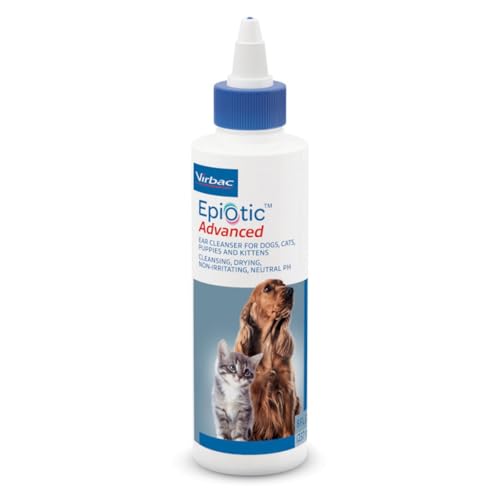
If you want the lowest-risk route for ongoing maintenance, consider switching to a vet-approved ear cleanser designed for safe use in dogs—then follow the label or veterinarian’s routine.
Quick checklist (scan/save)
– [ ] Vinegar is fully diluted per [ADD: exact dilution from vet/manufacturer guidance]
– [ ] Ear looks not severely red/swollen; no discharge or pain signs
– [ ] You’re cleaning only the outer ear with gauze/cotton (no deep insertion)
– [ ] Light pressure + stop if your dog reacts
– [ ] Outer ear is gently dried afterward
– [ ] You’re not cleaning more often than needed
FAQ
Can I put diluted vinegar drops directly into my dog’s ear canal?
It’s generally safer to apply the diluted solution to cotton/gauze and wipe the outer ear rather than pouring into the canal. If you’re considering direct drops, [ADD: source or vet guidance] because the risk depends on whether the eardrum is intact and how irritated the canal already is.
What dilution of vinegar is safe for dog’s ears?
Use a dilution recommended by a trusted source—typically via your veterinarian or product guidance. [ADD: exact dilution figure you plan to follow from vet/manufacturer instructions], because “vinegar strength” varies and ears vary too. If you’re unsure, choose a vet-approved ear cleanser instead.
How often should I clean dog’s ears with vinegar?
Frequency depends on the cause of buildup and how your dog’s ears respond. Start conservatively (for example, only when odor or outer debris shows up) and avoid over-cleaning, which can worsen irritation and create a cycle of symptoms.
What symptoms mean I should stop and call the vet?
Stop if you see discharge, significant redness/swelling, bleeding, your dog seems painful, or the smell/head shaking is worsening rather than improving. Those can point to infection or other ear conditions that vinegar won’t reliably fix.
Sources
– [ADD: veterinary organization/clinic guidance on ear cleaning technique, including why not to use cotton swabs deep in the ear canal]
– [ADD: manufacturer or veterinary reference for safe vinegar dilution (or documentation on vinegar-acidifying home approaches and contact-irritation cautions)]
– [ADD: authoritative guidance on canine ear infections/otitis and when to seek veterinary care, from a veterinary organization or peer-reviewed review]
Vinegar isn’t automatically “bad,” but it’s also not a one-size-fits-all ear solution. Use it only as a diluted, outer-ear wipe for mild odor or light debris—then stop immediately if you see pain, redness, discharge, or worsening symptoms. For anything beyond mild, vet-approved maintenance, a veterinary exam is the safer path to the right diagnosis and faster relief.
Frequently Asked Questions
How can I clean my dog’s ears safely with vinegar?
Use a vet-approved vinegar solution rather than pouring vinegar directly into your dog’s ear. Mix equal parts white vinegar and warm water, then apply a few drops to a cotton ball or gauze—never use it like a stream into the ear canal. Wipe only the visible area, and stop if your dog shows pain, strong shaking, or increased redness.
What’s the best vinegar-to-water ratio for cleaning dog ears?
A common starting point is a 1:1 ratio of white vinegar to warm water, especially for routine gentle cleaning. If your dog has sensitive skin, start with a slightly weaker mix like 1 part vinegar to 2 parts water and watch for irritation. If symptoms persist or worsen, switch to a veterinarian-recommended ear cleaner instead of increasing vinegar strength.
Why does vinegar help with dog ear odor and mild yeast or bacteria issues?
Vinegar’s acidity can help create an ear environment that’s less favorable for certain microbes, which may reduce ear odor and mild buildup. That said, ear infections often have causes like yeast overgrowth, allergies, or ear mites, and vinegar alone may not fully treat them. If your dog has discharge, significant odor, or persistent head shaking, you’ll likely need proper diagnosis and medication.
How often should I clean my dog’s ears using vinegar?
For routine maintenance, cleaning once every 1–2 weeks is typical for dogs that are prone to mild wax buildup, but your vet may recommend a different schedule. Over-cleaning can irritate the ear canal and make problems worse, so avoid daily vinegar cleaning unless a veterinarian specifically instructs it. If you notice redness, odor returning quickly, or frequent scratching, ask your vet before continuing.
Which signs mean I should stop vinegar cleaning and see a veterinarian?
Stop and seek veterinary care if there is foul-smelling discharge (yellow/green), bleeding, severe redness, swelling, or your dog cries when you touch the ear. Also get help if your dog keeps shaking its head, scratching intensely, or the ear seems painful—these can indicate infection, a ruptured eardrum, or mites. A veterinarian can check the ear canal and eardrum and recommend the right ear cleaning and treatment.
📅 Last Updated: October 02, 2026 | Topic: how to clean dog’s ears with vinegar | Content verified for accuracy and freshness.
References
- Google Scholar Google Scholar
https://scholar.google.com/scholar?q=how+to+clean+a+dog%E2%80%99s+ears+vinegar+acetic+acid - Google Scholar Google Scholar
https://scholar.google.com/scholar?q=canine+otitis+externa+acetic+acid+vinegar - Google Scholar Google Scholar
https://scholar.google.com/scholar?q=dog+ear+cleaning+recommendations+veterinary+guideline - https://pubmed.ncbi.nlm.nih.gov/?term=acetic+acid+otic+solution+otitis+externa
- https://pubmed.ncbi.nlm.nih.gov/?term=acetic+acid+vinegar+otitis+externa
- https://pubmed.ncbi.nlm.nih.gov/?term=canine+otitis+externa+ear+cleanser
- Otitis externa
https://en.wikipedia.org/wiki/Otitis_externa - https://www.avma.org/resources/pet-owners/petcare/ear-infections-dogs
- Google Scholar Google Scholar
https://scholar.google.com/scholar?q=how+to+clean+dog’s+ears+with+vinegar - how to clean dog’s ears with vinegar – Search results
https://en.wikipedia.org/wiki/Special:Search?search=how+to+clean+dog’s+ears+with+vinegar
