

What happens to your faucet spout when you never clean it? Over time, mineral deposits, soap scum, and trapped debris build up inside and around the outlet, which can lead to reduced water flow, uneven spray patterns, unpleasant odors, and even accelerated wear on internal components. Learning what this buildup does—and why it matters for everyday water quality—helps you decide when cleaning is necessary before small changes become ongoing problems.
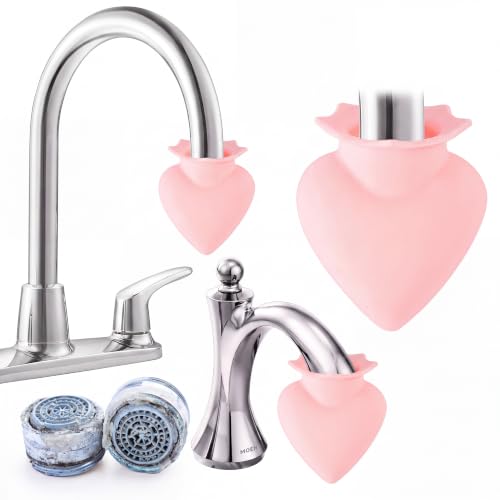



If you never clean the spout on your faucet, mineral buildup, biofilm (“slime”), and bacteria can accumulate and start affecting both the water and the faucet itself. Over time, this gunk can clog the aerator, reduce water flow, discolor water, and leave unpleasant odors or taste. This article breaks down the most common risks, what changes to look for, and how to clean it effectively without damaging finishes.
If you have hard water, notice slower flow, or see visible residue around the spout, this is especially relevant. It’s also a good read if you share a home with kids, older adults, or anyone with higher sensitivity to water quality—because a dirty faucet spout doesn’t just look unsightly; it can change how water behaves at the point you drink, cook, and rinse.
What builds up when you don’t clean the spout

If you skip faucet spout cleaning, deposits build up fastest right where water exits—at the spout tip, aerator, and small crevices. Even when water looks clear, the faucet spout can still develop a film because minerals and microbes prefer wet surfaces and slow-drying zones.
– Minerals and scale: Hard water deposits form crusty buildup that’s harder to remove the longer it stays. Hardness is commonly expressed as milligrams per liter (mg/L) as calcium carbonate (CaCO₃), and the category ranges matter because scale forms more readily as hardness rises U.S. Environmental Protection Agency (EPA).
– Biofilm and “slime”: A thin organic layer can develop on faucet spout surfaces—especially near areas where water repeatedly wets and dries. Biofilm is a sticky community of microorganisms embedded in an extracellular matrix, which is why it can persist even when the faucet spout “looks clean.”
– Debris in the aerator/spout opening: Sediment and particles can get trapped in the faucet aerator screen, then become “glued” in place by minerals. This creates a feedback loop: more debris = more buildup = more clogging.
To connect this to real-world water conditions, here’s what common hardness levels can mean for faucet spout scaling risk:
Hard Water Levels and Faucet Spout Scaling Risk (US Hardness Bands)
| # | Hardness (grains/gal) | as CaCO₃ (mg/L) | EPA band | Spout scale risk |
|---|---|---|---|---|
| 1 | 1.0 gpg | 17.1 | Soft (0–60 mg/L) | ★★☆☆☆ |
| 2 | 3.0 gpg | 51.3 | Soft (0–60 mg/L) | ★★☆☆☆ |
| 3 | 5.0 gpg | 85.5 | Moderately hard (61–120 mg/L) | ★★★☆☆ |
| 4 | 7.0 gpg | 119.7 | Moderately hard (61–120 mg/L) | ★★★☆☆ |
| 5 | 9.0 gpg | 153.9 | Hard (121–180 mg/L) | ★★★★☆ |
| 6 | 13.0 gpg | 222.3 | Very hard (≥181 mg/L) | ★★★★☆ |
| 7 | 20.0 gpg | 342.0 | Very hard (≥181 mg/L) | ★★★★★ |
Hardness conversions: 1 grain/gal (gpg) ≈ 17.1 mg/L as CaCO₃ U.S. Geological Survey (USGS). EPA hardness bands: Soft (0–60), Moderately hard (61–120), Hard (121–180), Very hard (≥181 mg/L) U.S. Environmental Protection Agency (EPA).
How it can affect your water and daily use
If you never clean the faucet spout, the impact shows up in everyday performance first: flow, appearance, and sometimes odor. What starts as a minor film can become a functional problem because scale and biofilm collect right where water is aerated and distributed.
– Reduced water flow: Mineral deposits and debris can partially clog the aerator, making rinsing, filling, and cleaning slower. When the faucet spout is restricted, you may also notice a weaker “sheet” pattern and a greater risk of sputtering.
– Discoloration or cloudy water: Mineral buildup can leave pale spots, hazy residue, or a lingering film on glassware. While some cloudiness can be air-related, persistent residue after running water is a strong sign the faucet spout has deposits.
– Off odors/taste (sometimes): Biofilm-related smells are more likely when water sits unused longer stretches. If a faucet spout smells noticeably different after weekends or vacations, the likely culprit is organic growth in the aerator or at the spout tip—not the rest of your plumbing.
A key detail: the faucet spout doesn’t have to look dirty to behave differently. Biofilm can be thin and slippery, while mineral scale can be nearly transparent until it accumulates in thicker rings around the outlet.
Problems for the faucet itself (and nearby plumbing)
If you keep ignoring spout cleaning, the faucet components—especially the aerator—take the hit. The faucet spout is designed as a controlled “end point,” so anything that builds there eventually affects how easily the system operates.
– Aerator clogs over time: Many aerators are removable and made of fine mesh, so buildup can trap sediment and gradually reduce output. Even if the water pressure remains normal at the shutoff valve, a dirty aerator can make it feel like your plumbing has failed.
– Staining and finish damage risk: Deposits can etch certain finishes or bond tightly enough that later cleaning becomes more abrasive. Chrome, brushed nickel, and specialty coatings may tolerate only gentle acids and soft tools—aggressive scrubbing can dull or scratch the faucet spout finish.
– Potential leaks and wear (indirectly): Buildup can interfere with how small internal parts move or seal. While minerals don’t “create” a leak by themselves, they can increase stress on gaskets or make maintenance harder—especially on older faucets.
From a practical standpoint, the faucet spout is also where homeowners try to “quick fix” with stronger cleaners. That’s risky: the more you fight a bonded mineral ring, the more likely you are to damage finishes or dislodge seals improperly.
When “it looks clean” still isn’t clean
If the faucet spout looks fine, you might still be dealing with biofilm or hidden mineral deposits. This is common because the most problematic buildup often forms in internal crevices, around the aerator’s channels, and at the spout tip where droplets cling.
– Residue can be invisible: Water can appear clear while a biofilm layer remains on internal surfaces. After you run the faucet, the visible water may look normal, but the next user—especially after days of non-use—may notice film or odor.
– Buildup concentrates where water hits: The spout tip, aerator, and any crevices around the outlet collect deposits first. This can create a subtle “ring” effect: you only see it once you wipe the area with a white cloth.
– Changes after long non-use: If you leave water unused for days, the risk of temporary odor or film can increase. That pattern usually points to faucet spout stagnation and localized microbial growth rather than a whole-home water quality issue.
A helpful quick check: after running water for 30–60 seconds, wipe the spout outlet and nearby sink surface with a dry white paper towel. If the towel picks up a faint residue, the faucet spout cleaning is overdue—even if everything looked “mostly fine.”
What can go wrong with cleaning (common mistakes to avoid)
If you try to clean the faucet spout too aggressively, you can cause finish damage or make buildup harder to remove later. The most common issue isn’t that cleaning “doesn’t work,” but that it’s done in a way that harms the surface and creates maintenance problems.
– Using harsh abrasives on finishes: Scrubbing pads or strong cleaners can damage chrome, nickel, or coated surfaces—match the product to the faucet type.
– Mixing chemicals accidentally: Don’t combine cleaning agents unless the label explicitly allows it; some combinations can produce harmful fumes.
– Ignoring small parts: If you only wipe the outside and never address the aerator/spout opening, buildup can keep returning.
Here’s a material-friendly way to think about cleaning choices. Instead of reaching for the strongest chemical, use a controlled, finish-safe approach—especially in 2026, when more faucets have protective coatings.
| Cleaning approach | White vinegar soak | Citric-acid descaler |
|---|---|---|
| 1) Primary target | Calcium carbonate scale | Mineral scale + mild surface films |
| 2) Works on biofilm | Helps loosen; may need mechanical brushing | Helps loosen; still benefits from wiping/brushing |
| 3) Finish risk (typical) | Low when diluted and rinsed | Low when used as directed |
| 4) Odor during cleaning | Vinegar smell; ventilate | Milder than strong bleach; ventilate |
| 5) Rinsing requirement | Rinse thoroughly after descaling | Rinse thoroughly after use |
| 6) Tool compatibility | Toothbrush/soft cloth (finish-safe) | Toothbrush/soft cloth (finish-safe) |
| 7) Best for aerators | Yes, especially removable screens | Yes, especially for stubborn scale |
| 8) Typical time sensitivity | Longer soak can help; avoid overexposure | Follow label dwell time to avoid finish issues |
| 9) Safety notes | Don’t mix with bleach/other cleaners | Don’t mix with bleach/other cleaners |
| 10) Maintenance frequency role | Great for routine spout/aerator upkeep | Great for periodic deeper descaling |
| Best For | Ongoing prevention on most common finishes | Heavier scale buildup when vinegar alone isn’t enough |
To keep this practical: if you remove the aerator, soak it only as long as needed, then use a soft toothbrush to gently lift loosened debris. If your faucet spout is not removable, clean the outlet area carefully and avoid forcing tools into tight openings.
Verdict / tip: what to do instead, and who should skip certain methods
Regularly cleaning the spout (and the aerator when you can) is a low-effort way to prevent slow flow, scale, and the “mystery residue” that builds up where water exits. That said, if you’re dealing with a specialty finish (e.g., delicate coatings) or older faucet parts that seem brittle, skip aggressive scrubbing and use gentler, finish-safe cleaning approaches. In 2026, many faucet warranties and finish-care guides emphasize “non-abrasive” cleaning—so always follow your manufacturer’s instructions for faucet spout cleaning before you try stronger descalers.
If you suspect a larger plumbing issue (recurring discoloration, frequent odor, or persistent low pressure that doesn’t match aerator condition), focus on diagnosing the source rather than only cleaning the faucet spout. Also, if you’re seeing repeated slimy growth even after consistent cleaning, consider whether stagnant water, underused fixtures, or the aerator design itself is driving the problem.
Finally, be honest about risk: chemical descalers and acids can damage finishes, and over-soaking can loosen internal components. When in doubt, start with a mild approach, rinse thoroughly, and verify flow and appearance after the first cleaning cycle.
Quick checklist: spout cleaning warning signs
– Notice slower water flow from the faucet
– See white/cloudy deposits at the spout tip or around the aerator
– Detect an unusual odor or taste, especially after the faucet hasn’t been used
– Spot discoloration, slimy film, or residue on sink surfaces after running water
– Water sprays unevenly or sputters from the spout
Frequently Asked Questions
What happens if you never clean the spout on your faucet?
If you never clean the faucet spout, mineral scale, soap scum, and bacteria can build up in the waterway and along the aerator and nozzle. Over time, this can cause reduced water flow, sputtering or uneven spray, and visible spotting or discoloration on fixtures. Some people may also notice a musty or “off” taste and increased exposure to germs when you use the tap frequently.
How can buildup in the faucet spout affect water pressure and flow?
Deposits like limescale and sediment can clog the aerator screen and partially block the internal spout openings, leading to low water pressure and a weak stream. You may also see intermittent dripping, a spray that fans irregularly, or water that takes longer to come through. Regular cleaning helps remove these blockages so your faucet continues to deliver consistent flow and prevent further buildup.
Why does faucet spout grime cause dirty-looking water spots or stains?
When minerals from hard water and residue from soap or toothpaste accumulate at the spout, they leave behind white, gray, or rust-colored spots as water dries. These deposits can also trap grime, making the buildup harder to remove and more likely to spread to nearby surfaces like the sink and countertop. Cleaning the spout and aerator removes the residue that contributes to stains and keeps fixtures looking cleaner.
Which contaminants can grow in an unclean faucet spout, and how risky is it?
A damp, dirty aerator area can harbor bacteria and biofilm, especially where water sits between uses. While the risk depends on household water conditions and how often the faucet is used, neglected spouts may increase germ exposure, particularly in homes with vulnerable individuals. The safest approach is to clean the spout regularly and address any persistent odor, discoloration, or buildup that suggests contamination.
What’s the best way to clean a faucet spout to prevent future buildup?
For most kitchen and bathroom faucets, remove and soak the aerator in a vinegar solution (or a manufacturer-approved descaler) to dissolve mineral buildup and improve flow. Use a soft brush or microfiber cloth to scrub the spout outlet and any visible residue, then rinse thoroughly and reassemble. If buildup is heavy, repeat the process and consider routine maintenance—such as quick monthly cleanings—to prevent scale and grime from accumulating in the future.
📅 Last Updated: November 08, 2026 | Topic: What Happens If You Never Clean the Spout on Your Faucet? | Content verified for accuracy and freshness.
References
- About Legionnaires' Disease | Legionella | CDC
- Basic Information about Lead in Drinking Water | US EPA
- Guidelines for drinking-water quality, 4th edition
- faucet aerator biofilm – Search Results – PubMed
- premise plumbing biofilm drinking water – Search Results – PubMed
- Biofilm
- Limescale
- https://scholar.google.com/scholar?q=uncleaned+faucet+spout+bacteria+biofilm Google Scholar
- https://scholar.google.com/scholar?q=faucet+aerator+biofilm+study Google Scholar
- https://scholar.google.com/scholar?q=drinking+water+tap+biofilm+premise+plumbing Google Scholar
