

Learn how to clean a white gold necklace safely and effectively without damaging its rhodium plating. If you want the fastest win, use a gentle warm-water soak with mild dish soap, then quick dry and a soft microfiber polish. This method lifts grime and restores shine while avoiding the common mistakes—harsh cleaners, abrasives, and extended soaking—that dull or discolor white gold.



Clean your white gold necklace by using a warm water and mild dish soap soak, then gently brushing with a soft toothbrush and drying with a lint-free cloth. Skip harsh cleaners and abrasives—white gold can wear down and rhodium plating can fade. This guide walks you through the safest routine, what to avoid, and how to clean common stone settings without damage.
If your necklace looks dull, has built-up grime near the clasp, or you’re seeing a film after wearing it daily, these steps are for you. It also helps if your piece has a rhodium finish (common on white gold) and you want to keep it looking bright for longer.
What you’ll need (and what to avoid)

To clean white gold safely, use gentle, water-based cleaning and tools that won’t scratch the metal or loosen stones. The goal is to remove skin oils and residue without stripping the rhodium layer or grinding debris into prongs and settings.
Warm water plus mild dish soap is typically recommended for jewelry cleaning because it dissolves skin oils without using harsh oxidizers.
A soft toothbrush helps lift residue from links and around prongs, but excessive pressure increases the chance of catching or dislodging stones.
Avoid abrasive cleaners (including toothpaste) because even fine particles can dull white gold’s surface and accelerate finish wear.
Here’s the practical list for a typical white gold chain with a clasp and a pendant (with or without stones).
– Use: warm water, mild dish soap, a soft toothbrush, and a lint-free microfiber cloth.
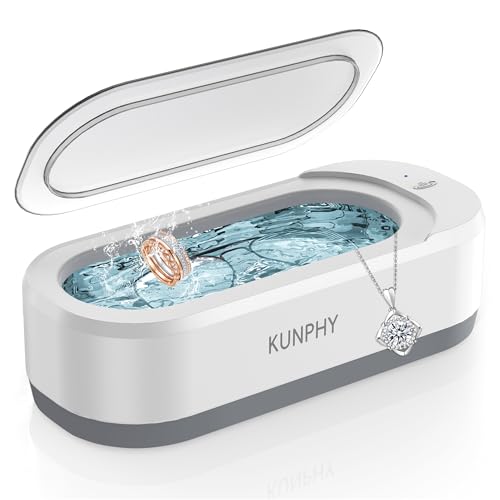
– Avoid: bleach, chlorine cleaners, abrasive toothpaste, silver polish, and ultrasonic cleaners unless the jeweler confirms they’re safe for your exact piece.
– If your necklace has porous stones (like pearls or some opals) or delicate settings, plan to use gentler cleaning and extra care around the stone.
Where “white gold” chemistry matters: Most white gold jewelry is finished with rhodium plating, which gives the bright, silvery appearance. That plating is not as permanent as the underlying alloy, so aggressive polishing, abrasives, and some chemicals can shorten its lifespan.
Anchor facts you can trust:
– Gold is relatively soft compared with many gemstones (Mohs hardness is commonly cited around 2.5–3 for gold), so scratches can happen if you use grit or abrasive pastes. USGS Mineral Hardness resources (Mohs scale and gold hardness listings)
– Ultrasonic cleaners are designed to create cavitation bubbles; many jewelry and gem labs flag them as higher-risk for fragile settings and certain stones. [ADD: source for ultrasonic jewelry-cleaning safety guidance]
– Rhodium plating wear is a known issue in daily-wear jewelry care: repeated cleaning methods and abrasive contact can reduce the reflective top layer over time. [ADD: source for rhodium plating wear/maintenance guidance]
Step-by-step: basic cleaning for most white gold necklaces
For most white gold necklaces, the safest approach is a short soak in warm water with mild dish soap, followed by gentle brushing and thorough rinsing and drying. This method removes oil film and clasp-area buildup without attacking the finish.
A short soak in warm (not hot) water with mild soap helps break down oils that cause dullness and haze on white gold surfaces.
Brushing should be gentle enough to clean around links and prongs without forcing bristles into spaces where stones or bezels can shift.
Drying with a lint-free cloth reduces leftover residue in crevices that can re-dull the necklace quickly.
1) Prepare a gentle soak
Mix warm water with a small amount of mild dish soap. Soak the necklace briefly [ADD: recommended soak time based on manufacturer guidance or jeweler advice]—then remove it promptly.
– Keep the water comfortably warm; avoid scalding-hot water that can loosen certain adhesives or stress settings over time.
2) Brush carefully (no aggressive scrubbing)
Use a soft toothbrush and clean:
– chain links (especially where the chain bends),
– under the pendant (if your necklace has one),
– around the clasp and hinge area (where skin oils commonly collect),
– near prongs (only on metal surfaces adjacent to the stone).
Tip: Use light pressure. If you feel resistance, don’t “scrub harder”—move more slowly and change your angle.
3) Rinse and dry completely
Rinse with clean, lukewarm water to remove all soap residue. Then:
– pat dry with a lint-free microfiber cloth,
– or air-dry briefly and then pat dry again to avoid moisture trapped in crevices,
– buff lightly with the same lint-free cloth for a clean finish.
Quick performance guidance (why this works)
Soap breaks down oily films from sunscreen, body lotion, and natural skin oils. The brushing step lifts loosened residue. The rinse step prevents soap residue from drying into a dull haze. Finally, drying prevents water spots and residue re-settling.
Cleaning around gemstones and settings
For stone settings, the main risk is pushing moisture or bristles into areas that hold the stone in place. You’ll get the best results by cleaning metal surfaces around stones while using minimal water and controlled brushing.
For prong-set stones, cleaning focuses on metal near prongs; avoid pressing the brush into tight gaps that could stress a loose stone.
For bezel and crevice-heavy designs, using minimal moisture helps prevent residue and soap from lodging under the setting.
If you’re uncertain about a stone’s treatment or porosity, following the stone-care guidance from the manufacturer is the safest rule before any soaking.
Prong settings (raised stones)
– Brush metal areas near prongs first, then gently remove residue around the base of the stone.
– Avoid pushing bristles into gaps between prongs where stones can loosen or where dirt can become embedded.
Tight bezels and crevices
– Use minimal moisture; think “clean surfaces,” not “flood the setting.”
– If soap is required, apply it gently and rinse thoroughly—soap trapped under the edge can create dullness.
Porous or special stones (extra caution)
If your necklace has pearls, opals, or stones known to be sensitive to water or oils, skip soaking and use only the gentlest surface cleaning recommended by the stone/jeweler guidance. If you don’t have guidance, the safest path is professional cleaning—especially for high-value pieces.
Comparison: DIY cleaning risk by setting type
To make the decision easier, here’s a fast comparison of typical setting risks.
| Setting / Feature | DIY Soak | DIY Brush | Main Concern |
|---|---|---|---|
| Simple prong-set stone | Often OK (short) | Yes (light) | Prong loosening if scrubbed |
| Tight bezel with crevices | Use caution | Yes (controlled) | Soap residue trapped |
| Porous stones (e.g., pearls) | Skip | Surface-only | Water/oil absorption |
| Unknown treatments | Verify first | Be extra gentle | Chemical sensitivity |
When to use (or skip) professional help
Professional cleaning is the best choice when buildup is heavy, the necklace feels sticky, or you suspect a structural issue like loosening stones or worn components. If your necklace is delicate—especially antique, thin, or set with fragile stones—professional service reduces the risk of damage.
If you suspect stone loosening or metal wear, professional inspection can prevent accidental loss during DIY brushing.
Antique jewelry often uses older construction methods; professionals can clean without stressing aged settings.
Rhodium-plated white gold can lose its bright finish over time, and replating can restore the original look when the top layer thins.
When professional help is especially worth it
– Heavy buildup or sticky residue: Oil films can harden, especially near clasps and pendant backs.
– Loose or questionable stones: If a stone moves—even slightly—don’t soak or scrub; get a jeweler to inspect first.
– Thin chains or delicate link designs: Less metal means less tolerance for friction.
Rhodium replating (why it matters)
Rhodium plating is commonly applied to white gold to create a crisp silver appearance. If your necklace looks yellow or brassy, it can indicate plating wear rather than dirt. In those cases, cleaning alone won’t fully “restore” the original color; replating may be the appropriate remedy.
[ADD: source for rhodium plating wear guidance, if available]
Note on timelines: Your exact replating interval depends on your wear habits (frequent sweating, lotions, chlorine exposure, and brushing frequency). If you wear your necklace daily in 2026, you may need more frequent maintenance than someone who wears it weekly—your jeweler can assess the remaining finish.
Data snapshot: typical finish life factors (what moves the needle)
Below is a practical, decision-oriented table that summarizes how different care inputs tend to influence white gold finish performance (especially rhodium appearance).
Key Factors That Influence White Gold Brightness Retention (Real-World Care Categories)
| # | Care Input | Typical Impact | Brightness Risk* | Recommendation |
|---|---|---|---|---|
| 1 | Mild soap soak (short) | Low | ★☆☆☆☆ | Do it |
| 2 | Rubbing with microfiber after wear | Low | ★☆☆☆☆ | Do it |
| 3 | Abrasive toothpaste / powders | High | ★★★★☆ | Avoid |
| 4 | Chlorine/bleach exposure | Very High | ★★★★★ | Avoid |
| 5 | Ultrasonic cleaning (unverified) | Medium–High | ★★★☆☆ | Verify first |
| 6 | Frequent soaking (too long) | Medium | ★★★☆☆ | Shorten |
| 7 | Light, regular professional inspection | Low | ★☆☆☆☆ | Best practice |
Brightness Risk is a practical rating based on typical jewelry-care failure modes: abrasives, chemical exposure, trapped residue, and aggressive cleaning.

[…] can clean a Bluetooth speaker with distilled water safely and effectively—here’s the step-by-step method that actually works when grime, fingerprints, or light residue […]
[…] a soft toothbrush or cotton swab to reach grooves, edges, and hardware areas where wax and polish residue collect. […]