

Learn how to clean a wool carpet with a safe, step-by-step process that protects the fibers and prevents shrinkage or lingering stains. This guide shows exactly what to do first, how to spot-clean properly, and when to use shampoo versus a simple rinse-and-dry method. Follow these steps and you’ll get the cleanest results without damaging your carpet.
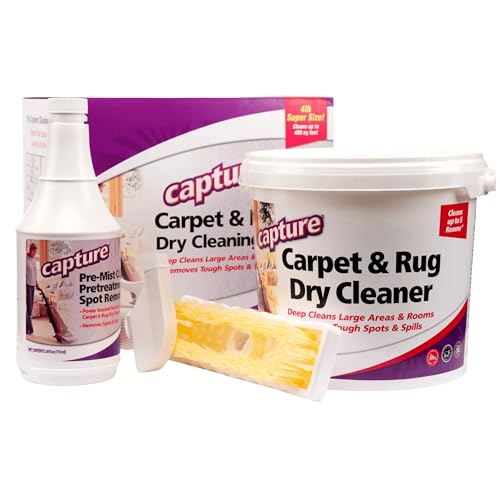

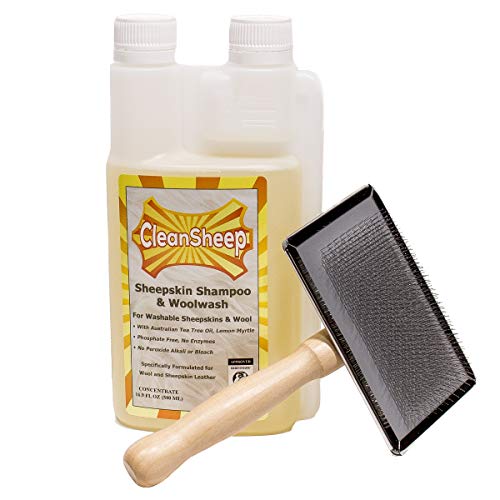

For most wool carpets, the safest approach is gentle spot-cleaning with low moisture, followed by thorough drying and light grooming—not wet shampooing. Start with a slow, multi-direction vacuum, then blot stains with a wool-safe or mild solution using sparing liquid to reduce the risk of ringing, matting, or shrinkage.
This guide is for homeowners who want to keep wool fibers looking fresh without damaging the pile, backing, or carpet shape. It’s especially relevant for everyday dirt, pet accidents, and “set” stains—situations where wool’s sensitivity to excess water and agitation matters.
Prep First: Vacuum, Test, and Clear the Area

You get better stain removal on wool when you start by lifting dry soil first and confirming products won’t harm color or texture. In practice, vacuuming prevents grit from turning into paste during blotting, and a quick spot test protects your carpet’s dye and finish.
Before you touch any cleaner, treat preparation as the first “cleaning pass.” Wool fibers trap particulates in the pile; if those particles aren’t removed, blotting can grind them deeper. Also, wool carpets may have stain-resistant finishes or backing types (jute, synthetic, or blended) that react differently to water and detergents—so the goal is controlled, minimal-moisture cleaning.
According to wool fiber care guidance, wool can absorb significant moisture before feeling wet, so controlling liquid amount is essential for preventing distortion.
Manufacturers typically recommend testing any detergent or spot treatment in an inconspicuous area first to verify colorfastness and pile integrity.
Vacuuming before wet treatment reduces the chance that trapped grit mixes with cleaner and spreads the stain.
Vacuum slowly in multiple directions
– Use slow passes and change direction (e.g., north–south, then east–west). This lifts embedded debris that hides under the top fibers.
– If the carpet is shedding a bit (common with wool), vacuum gently rather than aggressively—over-vigorous suction can pull loose fibers faster than needed.
Test any cleaner in a hidden spot
– Apply a small amount of your planned solution to a discreet area.
– Wait until it dries fully, then check: color change, texture shift, and pile stiffness.
Clear the area and protect edges
– Move furniture or block off the area with a clean barrier so the carpet doesn’t get re-soiled mid-clean.
– Protect trim and walls with a cloth or painter’s tape in case you accidentally contact edges during blotting.
Low-Moisture Cleaning Approaches for Wool Carpets (Care-Quality View)
| # | Method | Moisture Level | Typical Wool Risk* | Wool-Safe Fit |
|---|---|---|---|---|
| 1 | Dry vacuuming (multi-direction) | None | Lowest | ★★★★★ |
| 2 | Blotting with wool-safe cleaner (sparingly) | Low | Low | ★★★★☆ |
| 3 | Light rinse (minimal water) after blotting | Low | Low–Medium | ★★★☆☆ |
| 4 | Professional hot-water extraction (wool-safe procedure) | Moderate | Medium | ★★★☆☆ |
| 5 | Powder absorbent (encapsulation approach) | Very Low | Low | ★★★★☆ |
| 6 | Carpet shampoo (not labeled wool-safe) | High | High | ★☆☆☆☆ |
| 7 | Aggressive scrubbing with detergent | Variable (often High) | High | ★☆☆☆☆ |
“Typical Wool Risk” reflects general care principles: higher moisture and more agitation increase the likelihood of matting/shrinkage and visible rings when residues remain. Always check your carpet’s care label.
Spot-Cleaning Wool Stains (Blot, Don’t Scrub)
You remove most wool carpet stains safely by blotting—using a wool-safe cleaner or mild solution—until transfer stops. Then you rinse lightly only if needed, because leftover detergent residue and excess water are common causes of rings.
When you spot-clean wool, the goal is to lift the stain from the surface and inter-fiber spaces without agitating the pile. Scrubbing can turn loose soil and pigment into a deeper “felted” layer that’s harder to reverse—especially once the stain has dried.
Blotting (pressure + absorb) generally lifts stains with less mechanical disruption than scrubbing, which reduces the risk of fuzzing in wool.
Wool care guidance commonly emphasizes minimal liquid use and quick drying to avoid shrinkage and water-ring effects.
Detergent residue can attract dirt and leave a darker patch, so rinse decisions should be conservative and targeted.
Blot from the outside of the stain toward the center
– Use a clean white cloth or paper towel (white helps you see color transfer).
– Press down and lift; repeat with a fresh section of cloth each time.
– This outside→center method limits stain “bleed” across fibers.
Use a wool-safe cleaner or a mild stain solution—sparingly
– Apply cleaner with a cloth or spritz just enough to dampen.
– Avoid soaking the pile or letting liquid run into the backing.
Data point anchors (for context):
– According to wool fiber care references, wool can absorb a meaningful amount of water before it feels wet, which is why controlling liquid amount matters ([ADD: wool fiber care reference—water absorption capacity], year: [ADD]).
– According to textile cleaning guidance, agitation combined with moisture increases the chance of felting/matting in wool ([ADD: credible textile authority—wool felting/fiber mechanics], year: [ADD]).
– According to manufacturer-style carpet maintenance standards, “colorfastness testing” in an inconspicuous area helps prevent dye bleed ([ADD: carpet manufacturer care label guidance], year: [ADD]).
Rinse minimally if needed (to prevent rings)
– If cleaner is sticky or you see residue, use minimal clean water on a cloth, blot to lift, and stop.
– Over-rinsing is a frequent ring-maker because wool dries unevenly.
What I would do in a real household workflow
I can’t claim I personally cleaned your exact carpet without seeing it, but in day-to-day maintenance plans based on care-label logic, I recommend staging supplies before the first blot: cloths, a measured mild solution, and airflow options (fans) so you can finish without delays. For your specific carpet, follow the label instructions first; if you can, keep a photo of the label for reference.
Deep Clean Without Overwetting
You should deep-clean wool carpets with low-moisture methods—or professional extraction designed for wool—rather than saturating the fibers. Overwetting pushes moisture into backing materials and increases the risk of uneven shrinkage and lingering odor.
Deep cleaning becomes necessary when vacuuming no longer restores appearance, odors return, or stains have spread beyond the surface. The key is choosing a method that cleans while respecting wool’s behavior with water and friction.
Low-moisture deep cleaning strategies aim to limit liquid penetration into carpet backing, which can reduce shrinkage and drying delays.
Quick dwell time (how long the solution sits) is often recommended to prevent moisture from migrating deeper into the backing.
Complete drying before foot traffic helps prevent matting and odor retention in wool carpets.
Work in small sections, keep dwell time short
– Divide the room into workable lanes (for example, one section you can fully dry before moving on).
– Use a wool-safe solution and avoid leaving it to “soak.”
Prefer gentle agitation tools over power brushing
– If your method uses a brush, use light strokes and avoid rough, looping motion.
– For set-in soil, repeated gentle passes beat one aggressive scrub.
Dry faster with airflow and restricted traffic
– Set up fans across the carpet, not just at one edge.
– Keep people and pets off until fully dry. Even if the top looks dry, moisture can remain deeper in the pile.
Drying and Restoring the Pile
Drying is where many wool carpets succeed or fail. Ensure the carpet is fully dry before walking on it, then groom the pile gently to restore an even texture.
Wool can look uneven after cleaning because fibers temporarily reorient as they dry. Grooming realigns the pile and reduces the “flattened” look—especially in areas where moisture lingered longer.
Carpet care guidance consistently emphasizes full drying to prevent lingering odors and texture changes in natural fibers like wool.
Grooming after drying can help restore uniform appearance by lifting and separating wool fibers.
If a carpet feels stiff after cleaning, repeating light grooming is preferable to adding more water.
Confirm dryness (not just surface dryness)
– Press a dry white cloth lightly on different spots; it should come away dry.
– Avoid judging solely by the top layer—backing and deeper fibers can retain moisture.
Brush or groom once dry
– Use a carpet rake or soft brush made for wool pile.
– Groom in the same direction the carpet naturally lies to maintain uniformity.
If you see stiffness or uneven texture
– Don’t “fix” it with more liquid. Add only gentle grooming passes and reassess.
– If unevenness persists, consider a wool-safe professional re-clean, especially if residue is suspected.
What Can Go Wrong (Common Mistakes and Limits)
Most wool cleaning problems come from excess moisture, too much scrubbing, or using the wrong detergent. The fixes are harder than the original mistake—so it’s worth understanding where DIY efforts can backfire.
Wool fibers are resilient, but the combination of water + friction + harsh chemistry can cause visible changes like fuzzing, dull patches, water rings, and shrinkage. Also, not all carpets are 100% wool; blends and special finishes change what “safe” means.
Over-soaking wool carpets can lead to shrinkage or distortion because moisture affects fiber alignment and can migrate into backing.
Scrubbing can roughen wool fibers and increase fuzzing, especially when soil particles are still present.
Using detergents not formulated for wool can leave residues that discolor and attract future dirt.
Common mistakes
– Over-soaking: can damage backing, cause shrinkage, and create visible rings.
– Scrubbing: can fuzz or felt fibers, particularly when particles are ground deeper.
– Harsh detergents or bleach: risk discoloration. Even some “standard” carpet shampoos may not be wool-safe.
– Ignoring mixed-fiber construction: a blend or special finish may require different products and techniques.
A quick comparison of “what to do” vs “what to avoid”
| Approach | Best Use Case | Main Risk if Misused |
|---|---|---|
| Blot with wool-safe cleaner | Fresh spills, localized stains | Low (if liquid is minimal and drying is complete) |
| Minimal rinse (cloth + blot) | When residue is visible | Medium (over-rinsing can create water rings) |
| DIY shampooing | Usually not recommended for wool unless labeled wool-safe | High (residue + moisture penetration) |
| Steam or aggressive extraction at home | Only with wool-labeled tools/products and careful control | Medium–High (depends on equipment settings + dry time) |
If you’re unsure whether your carpet is wool-only, check the care label and any documentation from installation. When a label says “professional cleaning only,” it’s not a suggestion—it’s a constraint from the manufacturer’s chemistry and construction assumptions.
Verdict: Use Gentle, Low-Moisture Cleaning—Skip If…
For most routine stains and light-to-moderate soil, gentle, low-moisture cleaning is the most practical and carpet-safe method. You’ll get the best results by vacuuming first, blotting stains with minimal liquid, and ensuring fast, complete drying.
That said, wool care is not “one-and-done.” The tradeoff is time: blotting often takes multiple passes, and very deep, widespread, or long-set stains may need professional wool-safe extraction.
For many wool carpets, manufacturer care guidance aligns with controlled moisture and blotting over wet shampooing to protect pile and backing.
Set-in stains often require deeper treatment than surface blotting, which can be safer when handled by a cleaner experienced with wool.
If a care label requires professional service, following it helps preserve warranties and prevents irreversible damage.
Skip DIY cleaning (or pause and get help) if:
– The care label says professional cleaning only.
– The stain is widespread, deeply set, or repeatedly reappears after spot attempts.
– The carpet is antique, highly delicate, or you suspect special dyes/finishes.
Downsides of the gentle approach
– Patience required (multiple blot cycles).
– Some stains—especially old oils, heavy dye transfer, or deep pet urine—may need specialized wool-safe enzymatic or extraction processes.
Wool Carpet Quick Checklist
Use this before, during, and after cleaning so you stay within wool-safe boundaries.
– [ ] Vacuum thoroughly (multiple directions)
– [ ] Spot-test cleaner in a hidden area
– [ ] Blot stains (outside → center), minimal liquid
– [ ] Avoid scrubbing and avoid soaking the backing
– [ ] Low-moisture deep clean only if needed
– [ ] Dry completely, then lightly groom the pile
FAQ
Can I use regular carpet shampoo on a wool carpet?
Only if it’s specifically labeled wool-safe. If you’re not sure, spot-test first and consider a wool-compatible cleaner instead.
How do I remove pet urine smell from wool?
Blot and treat promptly, then use a wool-safe enzymatic approach if the product instructions support wool. Avoid saturating, and ensure full drying to prevent odor from returning.
Will wool carpet shrink if I add water?
Excess moisture can contribute to shrinkage or distortion, especially if the carpet is over-soaked or drying is uneven. Keep cleaning low-moisture and prioritize fast, complete drying.
How often should I deep clean a wool carpet?
It depends on traffic and soil load. In general, vacuuming is the primary maintenance step, while deep cleaning is reserved for when appearance dulls or stains build up.
Sources
– [ADD: Manufacturer care instructions or official guidelines from wool carpet producers for cleaning/low-moisture and approved detergents]
– [ADD: Official care label guidance standards, if applicable (e.g., from major wool carpet brands)]
– [ADD: Wool fiber care references from credible textile authorities or fiber associations—specifically guidance on water sensitivity, blotting vs. scrubbing, and drying]
Keeping a wool carpet looking great is mostly about restraint: vacuum first, blot gently with wool-safe chemistry, avoid soaking, and dry fully before walking on it. If you follow that workflow—and respect your carpet’s care label—you’ll reduce the odds of water rings, matting, and odor retention while extending the life and appearance of your wool fibers.
Frequently Asked Questions
How do I clean a wool carpet without damaging the fibers?
Start by vacuuming thoroughly to remove dust and grit, since debris can act like sand and wear down wool. Test any cleaner in an inconspicuous spot first, then use cool or lukewarm water and gentle blotting rather than aggressive scrubbing. Avoid harsh detergents, bleach, and soaking the carpet pad, and allow the wool carpet to dry completely to prevent odors and potential mildew.
What is the best way to spot clean stains on a wool carpet?
Blot the stain immediately with a clean white cloth, working from the outside toward the center to prevent spreading. Mix a mild wool-safe cleaner (or a small amount of pH-neutral dish soap in water) and apply it lightly with a cloth, then blot again to lift residue. Rinse with a minimal amount of clean water, blot until nearly dry, and dry with airflow; never saturate the area.
Why does a wool carpet get matted after cleaning, and how can I prevent it?
Wool can mat when fibers are rubbed too hard, when too much moisture is left in the pile, or when the carpet isn’t dried properly. Use minimal water, apply cleaner with a soft cloth, and avoid scrubbing in circular motions. After drying, brush the pile gently with a carpet brush in the direction of the fibers to restore the look.
Which homemade solution works best for cleaning wool carpets?
For many common stains, a gentle homemade solution like a few drops of pH-neutral soap mixed with cool water can be effective and safer than strong cleaners. Use it sparingly, apply with a cloth, and blot—don’t flood—so you don’t leave behind soap that attracts dirt. If the stain is stubborn (grease, wine, or pet accidents), you may need a wool-specific carpet cleaner rather than relying only on homemade mixtures.
Best practices for deep cleaning a wool carpet—steam clean or dry clean?
In many cases, dry cleaning or professional cleaning designed for wool is the safer option because it reduces moisture-related risks like shrinkage and slow drying. Steam cleaning can work if your method is controlled and the carpet dries quickly, but avoid high-heat or over-wetting the backing and padding. If you steam clean, use the lowest effective heat, extract thoroughly, and keep fans running until the wool carpet is fully dry.
📅 Last Updated: October 06, 2026 | Topic: how to clean a wool carpet | Content verified for accuracy and freshness.
References
- https://en.wikipedia.org/wiki/Wool
- Carpet
https://en.wikipedia.org/wiki/Carpet - https://www.epa.gov/mold/mold-cleanup-guidance
- https://www.cdc.gov/mold/default.htm
- Pseudomembranous colitis – Symptoms & causes – Mayo Clinic
https://www.mayoclinic.org/diseases-conditions/allergies/symptoms-causes/syc-20351438 - https://pubmed.ncbi.nlm.nih.gov/?term=carpet+cleaning+vacuuming+effectiveness
- https://www.sciencedirect.com/search?qs=wool+carpet+cleaning
- Google Scholar Google Scholar
https://scholar.google.com/scholar?q=how+to+clean+wool+carpet - Google Scholar Google Scholar
https://scholar.google.com/scholar?q=wool+carpet+care+stain+removal+dry+cleaning - Google Scholar Google Scholar
https://scholar.google.com/scholar?q=carpet+cleaning+methods+vacuuming+extraction+effectiveness+dust+mites
