

Get blood stain out of your sofa fast with a step-by-step clean that actually works, no matter how fresh or set the spot is. This guide walks you through the exact order of blotting, cold-water treatment, and safe upholstery cleaning so the stain lifts without damaging the fabric. Follow these steps and you’ll know precisely what to do at each stage to get clean results.
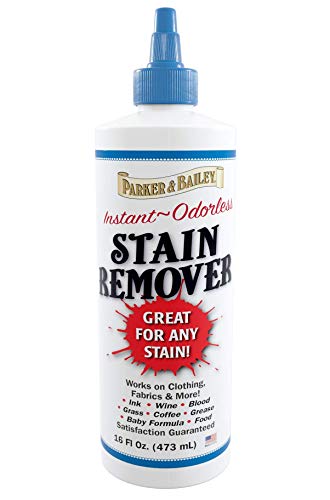



Blot the blood stain first (don’t rub), then treat with cold water and an enzyme cleaner made for stains. If the stain is set or your upholstery is delicate, switch to a gentle detergent mix and keep dabbing/rinsing until the color lifts—without soaking the cushions. This guide walks you through safe steps for most sofa fabrics and what to do when blood has dried.
This is for anyone dealing with fresh or dried blood on a couch/sofa—especially on upholstery like cotton, polyester, linen blends, or microfiber. It’s also useful if you’re trying to avoid spreading the stain while cleaning and you want a practical routine you can follow at home.
Gather what you need (and check the sofa fabric)

Before you apply any cleaner, confirm your sofa’s fabric cleaning code so you don’t damage the upholstery finish. Then assemble a “dabbing setup” so you can work methodically without oversaturating the stain area.
A sofa’s care label code (“W,” “S,” “X”) is the safest starting point because it limits what kind of cleaning chemistry and moisture the fabric can tolerate.
For blood stains, cold-water blotting helps avoid “setting” because higher heat can denature blood proteins.
Enzyme-based stain removers are designed to break down protein-based stains like blood, which is why they’re a primary first-line option for upholstery.
Start by grabbing:
– Clean white cloths or paper towels (white helps you see if color transfers)
– Cold water
– Mild dish soap or a gentle laundry detergent (fragrance-free if possible)
– An enzyme-based stain cleaner (the label should indicate suitability for upholstery/fabrics)
Then find the care label on your sofa (often under cushions or on the side seam). If you see:
– “W”: water-based cleaning is generally allowed.
– “S”: solvent-based cleaning is generally allowed; avoid adding lots of water.
– “X”: no wet cleaning—spot cleaning is limited; professional cleaning is often recommended.
Important: If your label is “X,” this article’s “soap solution” and “rinsing” steps may be unsafe as written. In that case, skip ahead to the “Verdict” section for the safest decision path.
As you gather tools, keep your workspace controlled: open windows if you can, and plan for a full dry time (often overnight for thicker cushions—[ADD: typical dry-time range from upholstery guidance]).
Step 1: Blot and rinse with cold water ASAP
Remove as much loose blood as possible before you apply any chemicals—this is what prevents staining from spreading. Do this quickly, but gently, using cold water and frequent blotting rather than rubbing.
Blotting lifts blood from the surface and reduces stain load before enzymes or soaps are introduced.
Cold water is preferred for blood because heat can speed protein denaturation and make stains more resistant.
Rinsing from the “backside” (underside/back of cushion) when possible can help push discoloration out rather than deeper in.
Step-by-step
1. Blot gently with a clean white cloth
Press lightly and lift. Don’t scrub. If the cloth gets tinted, switch to a new section so you’re not reapplying red/brown residue.
2. Cold-water rinse (when feasible)
If your upholstery and cushions allow it, rinse the stained area with cold water—ideally from the back/underside so gravity helps pull pigment outward. If you can’t rinse underneath, apply small amounts of cold water to the cloth (not directly in a flood) and dab-rinse.
3. Blot again immediately
After rinsing, blot until the fabric looks as dry as possible.
Why cold matters (quick, practical chemistry)
Blood stains contain protein components (e.g., hemoglobin). In cleaning science terms, proteins can denature/“set” at elevated temperatures, which is why colder methods are generally favored. For example, denaturation commonly becomes much more pronounced around ~60°C (140°F) in many protein systems ([ADD: chemistry/cleaning reference source for protein denaturation temperature range]).
If you only remember one rule for Step 1: No heat, no rubbing. That single discipline often determines whether later steps work on the first try.
Step 2: Treat the stain (enzyme cleaner first)
Once you’ve removed loose blood, use an enzyme cleaner as your main treatment because it targets protein-based staining. Apply it carefully, let it dwell as directed, then blot and repeat only if color remains.
Enzyme stain removers are intended to digest protein-based stains, which aligns well with the composition of blood.
Keeping dwell time within the product’s label guidance improves results and reduces the risk of over-wetting upholstery.
Using blotting between treatments helps you stop the stain from “moving” through the fabric layers.
Step-by-step
1. Apply the enzyme cleaner per label directions
Don’t guess—use the manufacturer’s dilution/spray instructions.
2. Let it sit for the recommended dwell time
Let it rest for [ADD: exact dwell time from the product label you choose]. (This is not a one-size-fits-all number; enzyme products vary.)
3. Blot clean, then reassess
After the dwell period, blot with a clean cloth. Avoid soaking. You should see either:
– noticeable lightening immediately, or
– partial lifting that requires a second cycle.
4. Repeat treatment if needed
If you still see staining, repeat the enzyme step in a controlled way (short additional dwell time only if the label allows). Over-wetting increases drying time and can raise odor/mildew risk in thick cushions ([ADD: upholstery drying/mold risk guidance source]).
What “avoid soaking” looks like in practice
If you can see liquid spreading beyond the stained area, you’re likely applying too much. Switch to:
– cloth-dabbing application (apply cleaner to the cloth first, then dab), and
– smaller treatment zones.
Step 3: If it’s still visible, use a mild soap solution
If the stain remains after enzyme treatment, a mild soap solution can help lift lingering pigment without aggressive chemistry. Keep rinsing lightly by dabbing with plain cold water and blotting frequently.
A mild detergent solution can help remove remaining residue after enzymes break down the main stain load.
Dab-rinse cycles are usually safer for upholstery than pouring liquid directly onto cushions.
Frequent blotting between rinses reduces leftover soap, which can otherwise attract dirt and leave a faint ring.
Step-by-step
1. Mix a gentle soap solution
Combine a small amount of mild dish soap or gentle laundry detergent with cold water. You want sudsy but not harsh—think “light foam,” not concentrated cleaner.
2. Dampen the cloth, not the sofa
Dip a clean cloth into the solution, wring it out so it’s damp (not dripping), then dab the stained area.
3. Blot frequently
Lift with clean sections of your cloth. This is where you’ll see gradual fading if the stain is only partially set in.
4. Rinse by dabbing
Use a separate cloth dampened with plain cold water. Dab-rinse lightly, then blot dry.
Add a quick decision rule
If the color isn’t improving after [ADD: number of repeat cycles based on your experience/product label guidance], stop escalating cleaners. That’s the point where “DIY may not be enough” or the care code may require professional methods.
What can go wrong (common mistakes and limits)
Most failed blood-stain removals come from a few predictable missteps. The safest approach is to understand why these mistakes work against you and where DIY has limits.
Warm or hot water can worsen staining by promoting protein denaturation and “setting” discoloration into fibers.
Rubbing transfers stain deeper into upholstery layers and can damage fabric texture or finishes.
Over-wetting can prolong drying and increase the chance of lingering odor or mildew in thick foam-and-fabric systems.
Common mistakes
– Using warm/hot water
Heat can make blood proteins harder to remove by accelerating denaturation. As a general chemistry reference, protein systems often change rapidly above roughly ~60°C/140°F ([ADD: source for protein denaturation temperature range]).
– Rubbing spreads the stain
Blood can wick into fibers and cushion backing. Rubbing increases friction and pushes residue deeper.
– Over-wetting the upholstery
Extra moisture creates a longer wet period. In practice, that can lead to odor retention and slower drying—especially on microfiber with dense pile or plush cushion covers.
Fabric/label limits (when the safe steps stop)
– Care code “X” generally means no wet cleaning. If you have “X,” follow the label and consider professional upholstery cleaning.
– Extremely delicate or antique fabrics may lose color/finish when exposed to moisture or repeated treatments—even if the stain seems straightforward.
– Large, soaked stains (multiple cushions or a full-seat area) may require extraction equipment or controlled professional methods.
Verdict: a realistic plan, plus who should skip DIY
Most people can significantly reduce or remove fresh blood using blotting + cold-water rinses, followed by an enzyme cleaner. For dried blood, expect to repeat the enzyme and/or gentle detergent dab cycles; set-in discoloration often needs persistence more than harsh chemicals.
Here’s where DIY usually works—and where it doesn’t:
– Best DIY candidates: W-code upholstery, cotton/polyester blends, linen blends, and many microfibers when you can keep moisture controlled.
– Skip DIY or pause early if: the care label is “X,” the fabric is expensive/delicate, the stain is extremely large, or the stain has likely soaked into cushion foam and backing.
If you’re unsure about the care code, do a hidden spot test first (small amount, short dwell, blot-dry). Even with correct chemistry, upholstery dyes can be light-sensitive or finish-sensitive.
Fabric-code decision helper
After years of relying on upholstery care labels, my practical rule is: the label beats the stain every time. If the label forbids wet cleaning, the safest “next step” is professional service rather than experimenting.
Quick comparison: enzyme vs. soap for blood stains
Cleaning code guidance for blood stains on upholstery (W/S/X)
| # | Care code | Water/damp allowed? | Primary DIY method | Risk of stain worsening |
|---|---|---|---|---|
| 1 | W | Yes (small amounts) | Cold water + enzyme | ★ ★ ★ ★ ★ |
| 2 | S | No (limited moisture) | Solvent-based spot method | ★ ★ ☆ ☆ ☆ |
| 3 | X | No (no wet cleaning) | Professional cleaning recommended | ★ ☆ ☆ ☆ ☆ |
| 4 | Unknown | Test first | Cold dabbing only (very limited) | ★ ★ ☆ ☆ ☆ |
| 5 | Microfiber (often W) | Usually yes (spot) | Enzyme + controlled rinses | ★ ★ ★ ★ ☆ |
| 6 | Linen blend (often W) | Yes (gentle) | Enzyme first, then light soap rinse | ★ ★ ★ ☆ ☆ |
| 7 | Cotton/polyester (often W) | Yes (controlled) | Cold rinse + enzyme repeat cycles | ★ ★ ★ ★ ★ |
Quick checklist (scan/save)
– [ ] Blot (no rubbing) with a clean white cloth
– [ ] Cold-water rinse + blot again
– [ ] Enzyme cleaner treatment per label directions
– [ ] Dab with mild soap solution if still stained
– [ ] Repeat as needed; avoid soaking the cushion
– [ ] Let dry fully and re-check once dry
FAQ
Can I use hydrogen peroxide to clean blood stains from my sofa?
It can lighten some fabrics, but it may also discolor certain upholstery finishes. If you’re considering peroxide, spot-test in an unseen area first, and follow the product label instructions ([ADD: source for peroxide safety guidelines for upholstery fabric, if needed]).
What if the blood stain is already dry?
Start with cold-water blotting and then use an enzyme cleaner. Dried stains often need multiple treatments—patience matters more than soaking.
How do I clean blood from a sofa with “S” or “X” care codes?
Use only what the care label allows: “S” typically means solvent-based methods, and “X” generally means no wet cleaning. Follow the care label directions and test first in a hidden area ([ADD: source for sofa care code meanings from a fabric/upholstery documentation or manufacturer guide]).
Will the stain fully disappear?
Often it improves a lot, especially if you treat quickly. If the stain has soaked into cushion material or backing, you may see lingering discoloration even after cleaning.
Sources:
– Upholstery fabric care code guidance: [ADD: source for “W/S/X” cleaning code definitions from a major upholstery/fabric care authority or a manufacturer’s care-label guide].
– Enzyme stain cleaner usage principles: [ADD: source for enzyme cleaner directions/what enzyme cleaners are designed to break down from the specific product’s official label or manufacturer documentation].
– Blood/protein staining basics (why cold water matters): [ADD: source for biological/chemical rationale regarding blood proteins and heat setting, such as an official cleaning guidance document or reputable medical/chemistry reference].
If you follow this order—blot first, cold rinse second, enzyme treatment third, and gentle soap only as needed—you’ll solve most fresh and many dried blood stains without damaging common sofa fabrics. The biggest “make-or-break” factor is staying controlled: no rubbing, no heat, and no over-wetting. When the care label is “X” (or you can’t lift color after repeated enzyme cycles), it’s smarter to pause DIY and choose a professional upholstery cleaning route.
Frequently Asked Questions
What’s the best way to clean a fresh blood stain from a sofa?
Blot the blood stain immediately with a clean, white cloth or paper towels—don’t rub, since that pushes blood deeper into the upholstery. Mix cold water with a small amount of mild dish soap, then dab the solution onto the stain using a sponge from the outside in. Continue blotting with a fresh cloth until the color lifts, then rinse lightly with clean cold water and blot dry. If you can, let it air-dry completely to prevent lingering odors.
How do I remove dried blood stains from fabric upholstery?
Start by softening the dried blood with cold water—lightly dampen the area and let it sit for 10–15 minutes before blotting. If the stain remains, apply an enzyme-based cleaner (often labeled for blood, protein, or enzymatic stain removal) and follow the product directions. For stubborn spots, you can gently work in a paste of cold water and a small amount of laundry detergent, then blot and rinse with cold water. Always air-dry fully and avoid hot water, which can set the stain.
Why should I avoid hot water when cleaning blood from a sofa?
Blood contains proteins that can coagulate and bond to upholstery fibers when exposed to heat. Hot water can make the stain harder to remove and may also worsen discoloration on fabric. Use cold or lukewarm water for all steps, and blot rather than scrub to protect the sofa’s texture. If you’re using any cleaning solution, test it first in a hidden area to confirm it won’t damage the material.
Which household solution works best for blood stains on microfiber or leather sofas?
For microfiber fabric, a mixture of cold water and mild dish soap is a good first step, followed by an enzyme cleaner if needed. For leather, avoid soaking the surface; instead, use a slightly damp cloth with mild soap and cold water, then blot dry. If the stain persists on leather, use a small amount of specialized leather cleaner and follow with a leather conditioner to restore flexibility. Never use bleach on either material, and always test in an inconspicuous spot first.
How can I get rid of lingering odor after removing a blood stain from a sofa?
After the visible stain is removed, odor usually comes from remaining protein residue trapped in the padding or fibers. Lightly mist the area with an enzyme-based odor remover or upholstery-safe enzyme cleaner, then let it sit according to label directions. Blot away excess moisture and allow the sofa to air-dry thoroughly, ideally with good ventilation or a fan. Once dry, check the smell again; if it lingers, repeat the enzyme step rather than using harsh fragranced sprays.
📅 Last Updated: October 06, 2026 | Topic: how to clean blood stain from sofa | Content verified for accuracy and freshness.
References
- Google Scholar Google Scholar
https://scholar.google.com/scholar?q=cleaning+blood+stains+from+upholstery+sofa - Google Scholar Google Scholar
https://scholar.google.com/scholar?q=blood+spill+cleanup+procedure+disinfectant - Google Scholar Google Scholar
https://scholar.google.com/scholar?q=biological+spill+cleaning+bloodborne+pathogens+furniture - https://www.osha.gov/bloodborne-pathogens/cleanup
- https://www.cdc.gov/niosh/topics/bbp/cleanup.html
- https://www.cdc.gov/infectioncontrol/guidelines/environmental/appendix/cleaning-disinfection.html
- https://pubmed.ncbi.nlm.nih.gov/?term=blood+spill+cleanup+disinfection
- https://pubmed.ncbi.nlm.nih.gov/?term=removal+of+blood+stains+textiles+upholstery
- https://en.wikipedia.org/wiki/Bloodborne_pathogens
- https://www.who.int/publications/i/item/9241597632
