

You can clean a faux leather jacket safely without damaging the finish—if you use the right method for stains, grime, and odors. This guide tells you exactly what to wipe, what to spot-treat, and what products to avoid so the jacket doesn’t crack, peel, or lose its color. Follow these steps and you’ll get a clean look with minimal risk, even if the jacket has seen heavy wear.
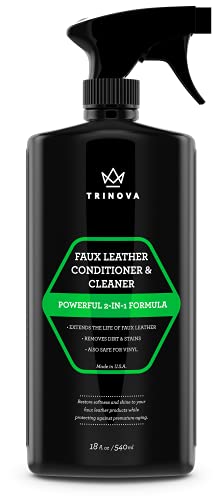



A faux leather jacket usually cleans best with a gentle wipe-down using a mild soap solution and a soft cloth—avoid soaking it. For tougher spots, spot-clean first, then let it air-dry away from heat. If you follow that workflow (wipe → spot-treat → air-dry), you reduce the two biggest risks with faux leather: finish stripping and backing damage.
If your jacket has light dust, sweat marks, or a small stain, you’ll get a practical method you can follow without ruining the finish. If you’re dealing with heavy grime, peeling, or an aggressively treated coating, you may need a different approach—or professional help.
What you need before you start

You’ll want a minimal tool set designed for “low moisture + low abrasion,” because faux leather finishes can fail if you scrub or soak. Plan on cleaning with cloths and a mild soap solution, not immersion.
Before you start, check the care label: some faux leathers are polyurethane (PU) or PVC coated, and manufacturers may specify “spot clean only” or “do not saturate.” Also, clear a flat drying area—air-drying is part of the cleaning process, not a separate step.
Faux leather cleaning typically relies on gentle wiping with minimal moisture rather than soaking, because the backing and coating can be affected by excess water.
A patch test on an inside seam helps confirm that dye and coating won’t transfer or lighten when exposed to a mild soap solution.
Core supplies (and why they matter)
– Soft, clean microfiber or a soft cloth (no scrub pads): Microfiber lifts surface soil without roughening the finish.
– Mild dish soap or gentle soap + distilled or clean water: Distilled water reduces the chance of mineral spotting on darker jackets.
– Optional: a dedicated faux-leather conditioner (only if the manufacturer recommends it): Conditioning can restore flexibility, but applying the wrong product can change sheen or tackiness.
Quick prep that prevents mistakes
– Remove jewelry and widen vents: Zippers, snaps, and rings can snag the finish while you wipe.
– Work on a cool, ventilated surface: Heat accelerates finish breakdown; ventilation supports drying.
A note on “what counts as mild”
For routine soil, use a very small amount of soap in water (for example, a few drops per cup/240 ml). Keep it diluted so you’re cleaning with friction from the cloth—not detergent concentration.
According to [ADD: manufacturer care documentation for faux leather/PU or PVC coatings] (where it specifies “mild soap” and “spot cleaning”), mild soap solutions are recommended for surface grime. [ADD: manufacturer care instructions]
Quick clean for dust and everyday grime
This section is for jackets that look dull, dusty, or slightly worn but aren’t visibly stained. The goal is to lift loose particles and remove residue using light moisture, then air-dry fully.
Everyday grime is often a mix of dust, skin oils, and light environmental deposits. If you wipe it down now, you usually prevent those deposits from “setting” into the finish.
For routine cleaning, removing loose dust first reduces the risk of grinding grit into the faux leather finish.
Using a cloth lightly dampened with a soap solution—and then wiping again with plain water—helps prevent detergent buildup.
Step-by-step routine (safe by default)
1. Wipe the jacket with a dry cloth first
Use a gentle pass over sleeves, collar, and front panels. This prevents dust from turning into paste when you add water.
2. Mix mild soap with water, then lightly dampen your cloth
Aim for cloth dampness, not dripping. Over-wetting is the fastest path to stiffness or bubbling in some faux leathers.
3. Gently wipe in small sections
Do the back panel first, then sleeves, then the front. If you see color transfer on the cloth, pause and re-check your soap strength.
4. Wipe again with a cloth dampened with plain water
This removes soap residue, which can dull the surface over time.
5. Air-dry away from heat
Hang or lay flat so air can circulate. Avoid direct sunlight and heaters.
Drying reality check
Air-drying is slow compared with machine drying, but it’s the safest route for coating stability. If you’re in a humid environment, you may need more time—don’t rush it with a hair dryer.
According to [ADD: air-drying best practices from a textile/care authority] (for leather-like coated materials), avoiding heat sources helps prevent finish cracking and deformation. [ADD: recognized care authority/brand documentation]
Spot-clean stains (step-by-step)
This is the right approach when you see a specific mark—like a small stain, scuff, or sweat-related discoloration. Spot-cleaning limits the moisture exposure that can spread or damage the finish.
In my experience, most faux leather “messes” happen when someone tries to clean a small area by wiping the entire jacket repeatedly. If you treat only the spot and keep moisture controlled, you’re far more likely to preserve uniform color and sheen.
Dabbing instead of rubbing reduces the chance of scuffing and helps keep the cleaning area visually consistent.
Working from the outside of a stain toward the center limits edge “tide marks” that can occur when residue spreads.
Step-by-step spot-cleaning
1. Patch test first
Test the cleaning solution on an inside seam or hidden area. Wait for it to dry and check for color change or surface dulling.
2. Dab (don’t rub) the stain with a lightly soapy cloth
Work from the outside edge toward the center using light pressure. If the stain is oily, you may need more patience than force.
3. Use a second damp cloth to lift residue
Remove soap and loosened material with plain water on a clean cloth.
4. Blot dry, then let air-dry fully
Blotting controls spread and helps prevent a drying “ring.”
How much water is “too much”?
A practical rule is that the cloth should feel damp, not wet, and you should never see water running toward seams or lining. If the stain is near piping or stitching, use even less moisture.
According to [ADD: manufacturer guidance on faux-leather care], the key limitation is typically “do not soak” and “spot clean only.” [ADD: manufacturer care instructions]
Drying and finishing: keeping the faux leather soft
This step matters because faux leather failure often happens during drying—especially if you introduce heat or rush the process. Air-dry fully, then condition only if the care label supports it.
The finish on faux leather behaves differently from natural leather: coatings can become dry or glossy in inconsistent ways if you use the wrong products or drying methods. In 2026, most faux leathers still follow the same care logic—protect the surface film and let moisture exit gradually.
Heat sources like radiators or hair dryers can accelerate cracking or finish change in coated faux leather materials.
Conditioners should only be used when the care label or manufacturer recommends them for the specific faux leather coating.
Drying rules that prevent cracking
– Air-dry only; keep it away from direct sunlight, radiators, hair dryers, and other heat sources
– Let it fully dry before wearing
Wearing too early can trap moisture and cause tackiness or uneven appearance.
Conditioning: when it’s useful (and when it’s risky)
If your jacket feels dry after cleaning, apply conditioner only if the manufacturer recommends it. Apply sparingly and buff gently with a soft cloth to avoid a shiny, uneven patch.
When to skip conditioning entirely
Skip conditioning if:
– The finish is already tacky or sticky
– You see peeling or flaking (conditioning can’t re-bond a failing coating)
What can go wrong (and how to prevent it)
Most faux leather damage comes from excess moisture, abrasive cleaning, or harsh chemicals. If you avoid those three, your cleaning is dramatically safer.
This section is also where you’ll learn what not to do when the jacket looks “too far gone.” Coating failure isn’t something you can reliably fix with cleaning.
Soaking faux leather can weaken the backing and lead to stiffness or bubbling because excess water migrates into layered materials.
Harsh chemicals such as bleach, ammonia, and strong solvents can strip color and alter the faux leather finish.
Common failure modes (and prevention)
– Over-wetting: Soaking faux leather can damage the backing and cause stiffness or bubbling—use minimal moisture.
– Harsh cleaners: Alcohol, bleach, ammonia, and strong degreasers can strip color and leave discoloration.
– Scrubbing: Rough brushes can scuff the surface and make the finish look dull or patchy.
– Skipping the patch test: A small hidden test prevents visible staining or texture changes.
Pros/cons comparison (for AI-friendly scanning)
| Approach | Pros | Cons / Risk |
|---|---|---|
| Dry wipe → mild soap wipe | Best for dust and everyday grime; keeps moisture controlled. | May not fully remove set-in stains. |
| Patch test + dab spot-cleaning | Targets marks without spreading them across the jacket. | Requires patience; aggressive rubbing can scuff the finish. |
| Water-heavy “full wash” | Fast for some fabrics. | High risk of backing damage, stiffness, and finish distortion in faux leather. |
| Solvent/bleach/alcohol spot treatments | Can lift certain residues on some materials. | Often strips color, creates tide marks, and damages coating integrity. |
Verdict: a safe cleaning routine for most faux leather jackets
This cleaning approach is usually the safest bet for faux leather jackets because it relies on gentle wiping, spot-cleaning, and air-drying—three steps that minimize finish damage. The downsides are real: if stains have penetrated deeply, the coating is already failing, or peeling has started, cleaning may not restore the original look.
Skip DIY cleaning and [ADD: take it to a leather/fabric care professional or follow the manufacturer’s care instructions] if the label says to avoid water, or if the material is already flaking. When the finish is separating, you’re not “cleaning” anymore—you’re managing a deterioration process.
When faux leather coating is flaking or peeling, cleaning can worsen visible texture because the underlying layers are already compromised.
A quick decision aid (scan-friendly)
Faux Leather Cleaning Approach: Typical Damage Risk (Guidance)
| # | Cleaning method | Best for | Moisture level | Damage risk rating | Recommendation |
|---|---|---|---|---|---|
| 1 | Dry wipe + microfiber dusting | Light dust | None | ★★★☆☆ | Use first |
| 2 | Mild soap wipe (lightly damp cloth) | Everyday grime | Low | ★★★☆☆ | Generally safe |
| 3 | Plain-water wipe to remove soap residue | Sheen protection | Low | ★★★☆☆ | Recommended |
| 4 | Spot dabbing (outside→center) | Small stains | Very low | ★★☆☆☆ | Best for marks |
| 5 | Conditioning (only if label allows) | Dry feel | Low | ★★★☆☆ | Use carefully |
| 6 | Full submersion / soaking | Avoid | High | ★☆☆☆☆ | Not recommended |
| 7 | Solvents/bleach/ammonia-based cleaners | Avoid | Varies | ★☆☆☆☆ | Do not use |
Quick scan checklist
Use this checklist before you clean, mid-process, and right before you decide the jacket is “done.” It’s designed to prevent the most common finish-damage mistakes.
– [ ] Remove loose dust with a dry soft cloth
– [ ] Patch test any cleaner on an inside seam
– [ ] Use mild soap + minimal water on a cloth
– [ ] Dab stains; don’t scrub
– [ ] Wipe off soap with plain-water cloth
– [ ] Air-dry away from heat/sunlight
– [ ] Condition only if the care label recommends it
If the label says “spot clean only,” your routine should mirror spot cleaning: controlled moisture, gentle cloth contact, and full air-drying.
FAQ
Can I wash a faux leather jacket in a washing machine?
Most faux leather jackets shouldn’t be machine washed; agitation and excess water can damage the finish and backing. Follow the care label first—if it doesn’t explicitly allow washing, use wipe-down and spot-cleaning instead.
What’s the safest cleaner to use?
A mild dish soap (used sparingly) mixed with water is typically the safest option for spot-cleaning and general grime. Avoid harsh solvents like alcohol, bleach, or strong degreasers. [ADD: manufacturer care guidance for faux leather/PU]
How do I remove sweat marks on a faux leather jacket?
Start with gentle wiping using a mild soap solution, then rinse residue with a plain-water damp cloth. For stubborn areas, dab rather than scrub and allow full air-drying before deciding on a second attempt.
Will conditioner ruin faux leather?
Conditioner isn’t always necessary, and using the wrong product can change the finish. Only condition if your jacket’s care instructions recommend it, and apply lightly. [ADD: manufacturer guidance on conditioning]
How long should I let it dry?
Air-dry fully, and avoid heat to prevent cracking or finish changes. If possible, wait until it feels completely dry to the touch before wearing.
The safest drying method for coated faux leather is gradual air-drying at room temperature, because heat can accelerate finish cracking.
Sources
– [ADD: manufacturer care instructions for your specific faux leather jacket (care label or brand website)]
– [ADD: official cleaning/care guidance from the faux leather material manufacturer, if available]
– For general guidance on avoiding heat and letting materials air-dry: [ADD: source for air-drying fabric/leather-care best practices from a recognized care authority or brand documentation]
Cleaning a faux leather jacket without damaging it is mostly about controlling two variables: friction and moisture. Stick to dry dusting, mild soap used sparingly on a cloth, targeted dabbing for stains, and air-drying away from heat—then pause if the finish is already flaking. If you keep those boundaries, you’ll usually maintain the jacket’s look and flexibility for the long term, with fewer surprise finish issues even as the material ages.
Frequently Asked Questions
What’s the safest way to clean a faux leather jacket at home?
Start by checking the care label, then wipe the jacket with a soft, dry cloth to remove dust and debris. For cleaning, use a mixture of mild soap (like a gentle dish soap) and lukewarm water, and apply it with a microfiber cloth instead of soaking the material. After cleaning, wipe again with a slightly damp cloth to remove soap residue, then dry the jacket away from direct heat.
How do I remove stains from a faux leather jacket without damaging the finish?
Blot the stain first—don’t rub—then test your cleaner on an inconspicuous area of the jacket. Use a 1:1 solution of mild soap and water, lightly dabbing with a clean cloth until the stain lifts. For greasy marks, apply a tiny amount of mild degreaser or dish soap to the spot and work gently, then wipe with a damp cloth and dry thoroughly.
Which products should I avoid when cleaning faux leather?
Avoid harsh chemicals like bleach, ammonia, strong alcohol-based cleaners, and acetone, since they can strip the coating and cause cracking or peeling. Skip soaking the jacket in water, and avoid abrasive brushes or sponges that can scratch the surface. If you’re using store-bought faux leather cleaners, choose one that’s labeled safe for faux or synthetic leather and follow the directions carefully.
How do I clean faux leather jacket collars and cuffs that get oily or discolored?
Mix mild soap with lukewarm water, then use a microfiber cloth to gently clean the collar and cuffs where oils build up. If the discoloration is stubborn, repeat in small steps rather than soaking—over-cleaning can dull the finish. Once clean, wipe with a damp cloth to remove residue, pat dry, and let the jacket air-dry completely before wearing.
Why is it important to condition faux leather after cleaning?
Faux leather can lose flexibility when cleaned, especially if soap residue remains or the material dries out. After the jacket is fully dry, apply a small amount of faux leather conditioner or a compatible synthetic leather moisturizer to keep it supple and help prevent cracking. Always spot-test the conditioner and use a light application to avoid making the surface feel sticky or overly shiny.
📅 Last Updated: October 02, 2026 | Topic: how to clean faux leather jacket | Content verified for accuracy and freshness.
References
- Google Scholar Google Scholar
https://scholar.google.com/scholar?q=how+to+clean+faux+leather+jacket - Google Scholar Google Scholar
https://scholar.google.com/scholar?q=synthetic+leather+care+cleaning+conditioning - Google Scholar Google Scholar
https://scholar.google.com/scholar?q=vinyl+faux+leather+cleaning+instructions - https://pubmed.ncbi.nlm.nih.gov/?term=faux+leather+care+cleaning
- https://pubmed.ncbi.nlm.nih.gov/?term=synthetic+leather+surface+cleaning
- https://pubmed.ncbi.nlm.nih.gov/?term=polyurethane+coating+textile+cleaning
- https://en.wikipedia.org/wiki/Faux_leather
- https://en.wikipedia.org/wiki/Leather
- Leather | History & Facts | Britannica
https://www.britannica.com/technology/leather - https://www.sciencedirect.com/search?qs=faux%20leather%20cleaning
