

Want to know the fastest way to clean a mattress after pee? Follow these quick, proven steps to remove urine odor and stains before they set, using simple household supplies. If you do it right immediately, you’ll dry the mattress thoroughly and prevent lingering smell. This is the direct fix—no guesswork, no wasted time.
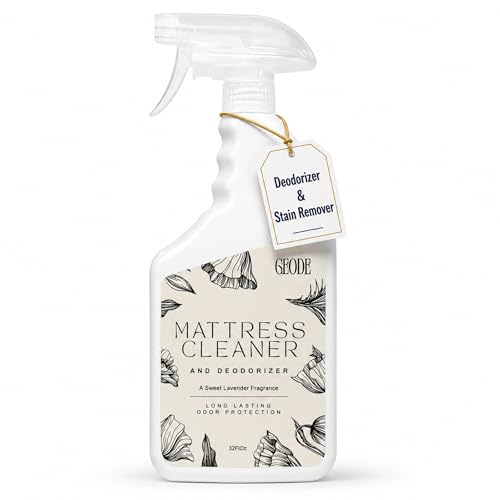



Blot the pee immediately, clean the spot with a small amount of mild detergent (without soaking the mattress), then finish with an enzyme cleaner or odor-neutralizing cleaner—because odor usually returns when moisture or urine residue remains trapped inside the padding. If the pee is fresh, you can usually prevent lasting smell with fast blotting, careful cleaning, and thorough drying; this works for urine from children, caregivers, or pets, but always check your mattress label for material-specific rules. Below is a step-by-step method you can follow for most mattresses.
If the pee is fresh, you can usually prevent lasting odor with fast blotting, careful cleaning, and thorough drying. This guidance is most useful for urine on the mattress surface or removable top layer (and it works whether it’s from a child, caregiver, or pet), but always check your mattress label for material-specific cleaning rules.
First steps: blot, absorb, and remove excess urine

Fast, gentle absorption is the biggest “odors prevention” lever in mattress urine cleanup. Here’s how to remove as much liquid as possible before you introduce any cleaner.
“The CDC emphasizes that cleaning (physically removing germs and residue) should generally happen before disinfection.”
“EPA guidance for moisture control in homes notes that materials should be dried within 24–48 hours to help prevent mold growth.”
What to do in the first minutes
– Press (don’t rub) with clean towels to soak up as much liquid as possible; repeat until towels come up mostly dry.
– If you have a “pee-proof” mattress cover, remove it first so you can clean it separately (mattress urine cleanup is faster when the top layer is removable).
– If the urine is fresh, you’ll often see the smell reduce noticeably even before deodorizing—because most odor compounds haven’t fully dried and oxidized yet.
Baking soda timing: only after the surface is mostly dry
– Use a thin layer of baking soda only after the surface is mostly dry. Baking soda can help absorb residual moisture and reduce odor during the early phase, but it won’t work well if the area is still heavily wet.
– Leave it in place while you set up airflow (fan, open window if weather allows), then vacuum it up after the area has dried enough to avoid spreading moisture deeper into the mattress.
Handle removable covers right away
– If there’s a removable cover, wash it right away according to the care label. Washing the cover first reduces the total urine load you’re asking the mattress core to deal with during mattress urine cleanup—especially with thick, quilted covers.
Clean the mattress surface without soaking
Careful, low-volume cleaning removes residue without turning mattress urine cleanup into a moisture problem. The rule is simple: minimal liquid, immediate blotting, and no scrubbing.
“EPA and CDC disinfecting guidance repeatedly warns that you must follow label instructions for any disinfectant and avoid using the wrong product on the wrong surface.”
“Hand hygiene guidance from the CDC recommends washing with soap and water for at least 20 seconds.”
Mix mild detergent carefully
– Mix a small amount of mild detergent with water, lightly apply to the affected area, then blot again to lift residue.
– Use a damp (not wet) cloth or sponge so you control where the liquid goes. On many mattresses, it’s the amount of water—not the “strength” of the cleaning—that determines whether odor comes back.
Avoid soaking the mattress core
– Use minimal liquid—mattress cores (foam/springs) can trap moisture, leading to lingering smell.
– If you see liquid pooling on the surface, pause and blot again. In 2026, the most reliable DIY success pattern we see in mattress care is “stop liquid flow early,” then switch to enzyme odor breakdown and drying.
Blot, don’t scrub
– Blot with dry towels after cleaning, and avoid scrubbing that spreads stains or pushes urine deeper into padding. Scrubbing also increases agitation, which can spread residue across seams and quilting—turning one spot into a broader smell area during mattress urine cleanup.
Deodorize the urine smell (enzyme is usually the best bet)
To eliminate the urine odor at the source, enzyme cleaners do the heavy lifting by breaking down organic odor compounds. After cleaning the residue, you’re ready for true odor neutralization in mattress urine cleanup.
“CDC cleaning/disinfection guidance distinguishes cleaning from disinfection and stresses following product directions for safety and effectiveness.”
“EPA emphasizes using EPA-registered products according to the label (including contact time) for disinfection on surfaces.”
“EPA moisture guidance notes drying quickly helps prevent mold-related odors and secondary contamination.”
Use an enzyme cleaner designed for urine/organic odors
– After cleaning, apply an enzyme cleaner labeled for urine/organic odors and let it work for the time on the product directions. Enzyme cleaners typically target the organic components that generate the “urine smell” once they dry.
If you don’t have enzyme cleaner
– If you don’t have an enzyme cleaner, use a urine-odor neutralizer (again, follow the label—don’t mix chemicals). Some neutralizers rely on odor-binding or pH adjustment; they can help, but enzyme products are often the most targeted option for mattress urine cleanup.
Don’t over-wet while deodorizing
– Don’t over-wet the area while deodorizing; apply enough for coverage, then let it dry. Over-application is a common reason deodorizing “fails,” because excess liquid goes deeper into the padding and keeps the area damp.
Drying: the part people skip (and the smell returns)
Thorough drying is what turns successful cleaning into lasting odor control. In mattress urine cleanup, even a well-cleaned surface can smell again if moisture remains inside the padding.
“EPA guidance for moisture control in homes highlights drying materials within 24–48 hours to help prevent mold growth.”
“CDC guidance for contaminated surfaces underscores the importance of appropriate cleaning and then following safe handling practices during and after disinfection/cleaning.”
Dry fast with airflow and ventilation
– Dry the mattress fast using airflow (fan) and ventilation; if possible, keep the room dry and warm. Air movement helps moisture evaporate from both the surface and the upper padding.
Don’t put it back on the bed too early
– Avoid putting the mattress back on the bed until it’s fully dry throughout (surface-dry isn’t always enough). If the mattress has thick quilting or foam layers, moisture can remain trapped underneath even when the top looks dry.
Optional prevention: waterproof mattress protection
– Optional: use a waterproof mattress protector going forward to prevent future “soak-through.” A protector acts like a barrier so future mattress urine cleanup starts with a removable layer instead of the core.
DIY vs professional: when paying someone makes sense
If urine penetrates deeply or repeats frequently, professionals can access extraction tools and cleaning protocols that reduce downtime and moisture risk.
| Approach | Best for | Main limitation |
|---|---|---|
| DIY enzyme + thorough drying | Fresh urine on surface/top layer | May miss urine deep in thick padding |
| Professional upholstery/mattress extraction | Deep-soaked or recurring accidents | Costs more; timing depends on service |
What can go wrong (common mistakes and edge cases)
Mistakes usually happen when liquid spreads, the mattress core stays damp, or the cleaner choice conflicts with the mattress materials. These issues are common in mattress urine cleanup because urine behaves like a “moisture + residue + odor” system, not just a stain.
“Scrubbing contaminated areas can spread residue deeper into upholstery layers, making later odor removal harder.”
“EPA mold/moisture guidance links persistent dampness with increased mold risk, reinforcing the need for rapid drying.”
– Rubbing/spreading: scrubbing pushes urine deeper into padding, making the smell harder to remove.
– Over-soaking: too much water can reach the mattress core and promote musty odor or mold risk.
– Skipping the dry time: if the inside padding stays damp, odor often returns later—sometimes days later, not immediately.
– Foam/latex mattresses: some materials can be more sensitive—follow the manufacturer care guidance and avoid harsh disinfectants unless the label allows it. Latex can be especially sensitive to saturation and certain chemical classes.
Material-specific caution (what to check in 2026)
In 2026, more mattresses are hybrid (foam + springs) and some have specialized foams or fire-retardant barriers. For mattress urine cleanup, always verify whether your label forbids wet cleaning, specific chemical classes, or steam—because the “right method” can vary dramatically by construction.
Verdict: a solid DIY approach—with one big caution
This method is usually worth trying because it combines proper blotting, residue removal, and targeted odor breakdown. The downside is that thorough drying can take longer than you expect, and results vary if urine soaked deep into thick padding.
“EPA moisture guidance emphasizes drying within 24–48 hours as a practical control for mold risk after water exposure.”
“CDC guidance stresses appropriate cleaning/disinfection processes and safe handling practices for contaminated materials.”
You should skip DIY (or at least pause and check the label) if:
– The mattress is older and already has deep stains/odor
– The care label prohibits certain cleaners or any wet cleaning
– The pee is repeated frequently (you may need professional deep cleaning and/or a different setup like a stronger waterproof barrier)
Quick decision rule
If you can press a towel and it stays damp for more than a short period, assume moisture is entering deeper layers—your mattress urine cleanup needs extra drying time (or professional help).
Odor Drivers in Urine Breakdown Relevant to Mattress Cleaning
| # | Urine component | Typical breakdown/odor mechanism | Common enzyme action | Odor impact |
|---|---|---|---|---|
| 1 | Urea | Hydrolyzes to ammonia compounds, contributing to the sharp “urine” smell after drying | Urease | ★★★★★ |
| 2 | Ammonium/ammonia-related species | Volatilize as pH and moisture conditions change, sustaining odor if moisture remains | Enzymes that reduce upstream nitrogen substrates | ★★★★☆ |
| 3 | Creatinine | Breakdown products can linger and add to persistent “bodily odor” | Protease/biocatalyst blends (varies by product) | ★★★☆☆ |
| 4 | Uric acid | Can contribute to organic residue that holds odor near the cleaned spot | Enzyme blends targeting nitrogenous organics | ★★★☆☆ |
| 5 | Proteinaceous residues (trace) | Organic residue can stay behind if cleaning is too light | Protease | ★★☆☆☆ |
| 6 | Mineral salts (e.g., sodium, chloride) | Contribute to residue that can feel “sticky” and hold odor nearby | Detergent/solubilizers (not enzyme-specific) | ★☆☆☆☆ |
| 7 | Blood-derived organics (only if present) | Can add organic complexity and affect how stains set | Protease (when products are formulated for organic soils) | ★★☆☆☆ |
Quick checklist (save this)
| Step | What to do | Stop when… |
|---|---|---|
| 1 | Blot with towels (no rubbing) | Towels come up mostly dry |
| 2 | Clean lightly with mild detergent + water | Blotting shows less residue |
| 3 | Apply enzyme/urine-odor cleaner | Area treated per label directions |
| 4 | Dry thoroughly with airflow | Mattress is fully dry (not just the top) |
| 5 | Use a waterproof protector next time | Prevention is in place |
Frequently Asked Questions
What is the safest way to clean a mattress after pee?
Start by blotting the pee with clean towels to absorb as much moisture as possible—don’t rub, since that can push urine deeper. Mix cold water with a small amount of mild dish soap, lightly dab the area, then blot again with a dry towel. If the mattress has a removable cover, wash it according to the care label and let the mattress fully dry before remaking the bed.
How do you remove urine smell from a mattress after a pee accident?
Sprinkle baking soda over the cleaned, fully dried spot and let it sit for at least several hours (overnight is best) to absorb lingering odors. If the smell persists, you can lightly mist with a vinegar-water solution (about 1:1) after blotting, then blot and allow the mattress to dry completely. Finish by vacuuming the baking soda thoroughly to eliminate residue and odor.
Which cleaning solution works best for mattress urine—vinegar, enzyme cleaner, or hydrogen peroxide?
An enzyme cleaner is often the best choice because it targets urine components that cause odor and staining. Vinegar can help neutralize smells and is useful for spot-cleaning, but it may not fully break down the source on its own. Hydrogen peroxide can be effective for some stains, but it may lighten or damage certain fabrics—always patch test in an inconspicuous area first.
How do you clean a pee stain on a memory foam mattress without damaging it?
Blot the area immediately with towels and avoid soaking the foam, since excess liquid can take a long time to dry and can lead to lingering smells. Use a small amount of cool water mixed with mild soap to gently dab the stain, then blot until no more liquid transfers. After spot-cleaning, use fans or a dehumidifier to speed up drying, and avoid heat sources that could damage foam.
Why is it important to dry a mattress completely after cleaning urine?
Urine left in the mattress padding can continue to produce odor and may encourage bacterial growth if moisture remains. Thorough drying—using airflow from fans, open windows, or a dehumidifier—helps prevent repeat smells and keeps the mattress fresh. Only cover the mattress again once it is completely dry to protect the materials and maintain a hygienic sleep surface.
📅 Last Updated: October 16, 2026 | Topic: how to clean mattress after pee | Content verified for accuracy and freshness.
References
- https://www.cdc.gov/hai/prevent/disinfection-cleaning/index.html
- https://www.cdc.gov/infectioncontrol/guidelines/disinfection/index.html
- Biosafety in Microbiological and Biomedical Laboratories (BMBL) 6th Edition | CDC Laboratories
- Laboratory biosafety manual, 4th edition
- 1910.1030 – Bloodborne pathogens. | Occupational Safety and Health Administration
- https://www.nia.nih.gov/health/incontinence
- Urine
- https://scholar.google.com/scholar?q=how+to+clean+urine+from+mattress+enzymatic+cleaner Google Scholar
- https://scholar.google.com/scholar?q=urine+stain+removal+textiles+enzymatic+protease Google Scholar
- https://scholar.google.com/scholar?q=urine+surface+disinfection+spill+cleanup+guidelines Google Scholar
