

Cleaning a travertine tile floor requires specific techniques to preserve its natural beauty and durability. Start by sweeping or vacuuming the surface to remove debris, then follow with a gentle cleaning solution. In this guide, you’ll learn the best methods to keep your travertine tiles looking pristine, ensuring they maintain their elegant appearance for years.



Understanding Travertine Tile

Travertine is a natural stone that requires special care due to its unique properties. This sedimentary rock is formed from mineral deposits in hot springs, giving it a distinctive appearance and texture. Its porous nature allows it to absorb liquids, making it susceptible to stains and damage if not properly maintained. Therefore, understanding how to care for travertine tiles is crucial for homeowners who wish to keep their floors looking beautiful. Regular cleaning and proper sealing are essential to protect against moisture and stains, preserving the tile’s natural beauty.
Tools and Supplies Needed


To effectively clean a travertine tile floor, it’s essential to have the right tools and supplies. Here’s a list of items you’ll need for optimal cleaning:
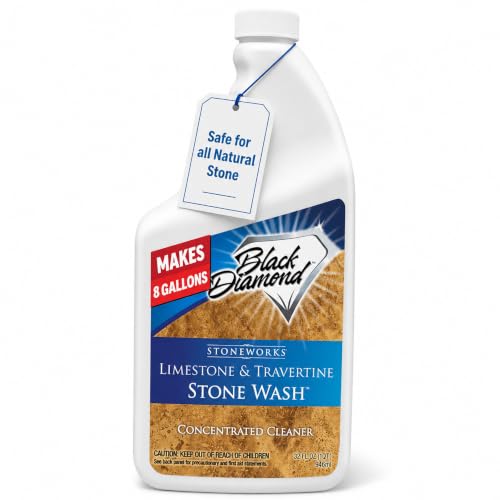
– Mild pH-neutral cleaner: Look for a cleaner specifically designed for natural stone. Avoid acidic or abrasive cleaners, as these can damage the surface of the travertine.
– Soft mop or cloth: A microfiber mop or soft cloth is ideal for cleaning, as it won’t scratch the surface of the tiles.
– Bucket: A sturdy bucket is necessary for mixing your cleaning solutions and rinsing the mop.
Having these tools at hand will streamline your cleaning process, making it efficient and effective.
Step-by-Step Cleaning Process

1. Sweep or Vacuum: Begin your cleaning routine by thoroughly sweeping or vacuuming the floor to eliminate dirt, dust, and debris. This step is crucial as it prevents scratching the surface during the cleaning process.
2. Prepare the Cleaning Solution: Mix the pH-neutral cleaner with warm water in a bucket, following the product instructions for the correct ratio. This ensures that the solution is effective without being harsh on the travertine.
3. Mop the Floor: Dip your soft mop into the cleaning solution, wring it out to avoid excess water, and mop the floor in sections. Rinse the mop frequently to avoid spreading dirt around.
Tools and Supplies Needed Table
Essential Tools for Cleaning Travertine Tile Floors
| # | Tool/Supply | Purpose |
|---|---|---|
| 1 | Mild pH-neutral cleaner | Cleans without damaging the tiles |
| 2 | Soft mop | Prevents scratches during cleaning |
| 3 | Bucket | For mixing cleaning solutions |
| 4 | Soft cloth | For drying and polishing |
| 5 | Stiff brush | For scrubbing tough stains |
| 6 | Water | For rinsing |
| 7 | Vacuum cleaner | For initial dirt removal |
Techniques for Deep Cleaning
For areas with stubborn stains or heavy dirt buildup, a deeper cleaning method may be necessary. Here are steps to effectively tackle these tougher challenges:
1. Spot Cleaning: For tough stains, apply the pH-neutral cleaner directly to the affected area. Allow it to sit for a few minutes, as this will help break down the stain.
2. Gentle Scrubbing: Using a soft brush or cloth, gently scrub the area in circular motions. Avoid using abrasive scrubbers that could scratch the surface.
3. Rinse Thoroughly: After scrubbing, rinse the area with clean water to remove any remaining cleaning solution. It is important to eliminate all residues to prevent buildup, which can lead to dullness or discoloration over time.
Following these techniques will help maintain the pristine condition of your travertine tiles, ensuring they remain a focal point in your home.
Sealing Travertine Tile
Sealing travertine tiles is a crucial step in their maintenance, as it provides a protective barrier against stains and moisture. Here are some key points to consider about sealing:
– Importance of Sealing: Because travertine is porous, it can absorb spills and stains if not sealed properly. Sealing helps to repel water and other substances, making it easier to clean and maintain.
– Application Frequency: It is advisable to apply a high-quality stone sealer every 1-2 years. This frequency can vary based on the amount of foot traffic and exposure to spills. Regular inspections can help determine when resealing is necessary.
– Choosing the Right Sealer: Select a sealer that is specifically designed for natural stone. Look for products that are breathable, allowing moisture to escape while preventing new moisture from entering.
Properly sealing your travertine tiles will enhance their longevity and preserve their natural beauty.
Maintenance Tips for Longevity
To ensure that your travertine tile floor looks its best for years to come, follow these maintenance tips:
– Regular Sweeping or Vacuuming: Make it a habit to sweep or vacuum your travertine floor at least once a week. This will prevent dirt from accumulating and scratching the surface.
– Immediate Spill Cleanup: Wipe up spills as soon as they occur. This quick action can prevent staining and keep your travertine looking pristine.
– Use Area Rugs: Placing area rugs in high-traffic areas can help protect your travertine tiles from scratches and wear. Ensure that the rugs have a non-slip backing to avoid accidents.
– Periodic Professional Cleaning: Consider having your travertine tiles professionally cleaned and resealed every few years to maintain their condition, especially if they experience heavy use.
By following these maintenance strategies, you’ll prolong the life and beauty of your travertine floor.
Troubleshooting Common Issues
Even with proper care, issues may arise with travertine tiles. Here are common problems and how to address them:
– Etching: This occurs when acidic substances, like vinegar or citrus, come into contact with the surface. To remedy etching, apply a fine polishing powder specifically designed for stone and buff the area gently.
– Dullness: Over time, travertine tiles may lose their shine. To restore the luster, use a stone polishing compound and a soft cloth, buffing until the desired shine is achieved.
– Stains: For stains that persist despite cleaning, consider using a poultice, which can draw out the stain. Apply the poultice according to the product instructions and allow it to sit for the recommended time.
By understanding these common issues, you can take proactive steps to keep your travertine tiles looking their best.
Bar Chart of Cleaning Effectiveness
Effectiveness of Cleaning Methods for Travertine Tile
Keeping your travertine tile floor clean and well-maintained enhances its natural elegance and extends its lifespan. By following these steps and tips, you can ensure your floors remain stunning for years to come. Start today by gathering your cleaning supplies and implementing these strategies to enjoy the beauty of your travertine tiles in your home.
Frequently Asked Questions
How do I properly clean travertine tile floors without damaging them?
To clean travertine tile floors, start by sweeping or vacuuming to remove dust and debris. Use a pH-balanced stone cleaner mixed with warm water, applying it with a soft mop or cloth. Avoid acidic cleaners, as they can etch and damage the surface. Rinse with clean water and dry the floor to prevent water spots.
What are the best cleaning products for travertine tile floors?
The best cleaning products for travertine tile floors are pH-neutral cleaners specifically designed for natural stone. Look for products that are labeled as safe for travertine or limestone, as they will effectively clean without causing damage. Always test a small area first to ensure compatibility.
Why is it important to use a pH-neutral cleaner on travertine tile?
Using a pH-neutral cleaner on travertine tile is crucial because travertine is a porous stone that can be easily damaged by acidic or alkaline substances. These harsh cleaners can etch the surface, leading to dullness and damage over time. A pH-neutral cleaner maintains the stone’s integrity and appearance.
How often should I clean my travertine tile floors?
You should clean your travertine tile floors at least once a week to prevent dirt buildup and maintain their shine. High-traffic areas may require more frequent cleaning, while less-used spaces can be cleaned bi-weekly. Regular maintenance helps prolong the life of the tile and keeps it looking beautiful.
Which methods are effective for removing stains from travertine tile floors?
Effective methods for removing stains from travertine tile floors include using a paste made of baking soda and water, applying it to the stain, and letting it sit for several hours before rinsing. For tougher stains, a commercial stone stain remover may be necessary. Always follow the manufacturer’s instructions and test in an inconspicuous area first.
References
- How to Remove 6 Different Kinds of Drain Stoppers
https://www.thespruce.com/how-to-clean-travertine-tile-2718786 - Google Scholar Google Scholar
https://scholar.google.com/scholar?q=cleaning+travertine+tile+floor - Google Scholar Google Scholar
https://scholar.google.com/scholar?q=travertine+tile+maintenance - Google Scholar Google Scholar
https://scholar.google.com/scholar?q=how+to+clean+natural+stone+tiles - Natural Stone Institute – 404 Not Found
https://www.naturalstoneinstitute.org/cleaning-maintenance/travertine/ - Page Not Found – Site Help – Mayo Clinic
https://www.mayoclinic.org/healthy-lifestyle/home-and-garden/expert-answers/cleaning-natural-stone/faq-20057848 - Travertine | Formation, Uses & Properties | Britannica
https://www.britannica.com/science/travertine - Google Scholar Google Scholar
https://scholar.google.com/scholar?q=how+to+clean+travertine+tile+floor - how to clean travertine tile floor – Search results
https://en.wikipedia.org/wiki/Special:Search?search=how+to+clean+travertine+tile+floor - https://www.ncbi.nlm.nih.gov/search/research-articles/?term=how+to+clean+travertine+tile+floor
https://www.ncbi.nlm.nih.gov/search/research-articles/?term=how+to+clean+travertine+tile+floor
