

If you’re wondering how to clean non-organic fruit safely, follow these washing steps that remove more surface dirt and pesticide residue than a quick rinse alone. The best approach uses cool running water plus a brief scrub and, when needed, a simple food-safe soak—focused on the produce’s skin and texture. This guide answers exactly what to do before you eat non-organic fruit, with clear, practical timing.



Rinse non-organic fruit under cool, running water, then scrub firmer produce (like apples) and dry it before eating. For most people, a good water rinse is the key step—avoid soap, bleach, or detergents, and only use a produce wash if the label explicitly says it’s safe and intended for food. If you buy conventional (non-organic) fruit and want to reduce dirt and residue before eating—especially when you’re packing lunches or serving kids—this guide walks you through practical, safe cleaning methods for different fruit types.
Quick washing steps for non-organic fruit

For most non-organic fruit, you can clean it safely and quickly by rinsing, scrubbing only when the surface needs it, and drying before cutting. If you do just one thing, make it a thorough rinse under cool, running water.
The FDA advises rinsing fruits and vegetables under running water to remove dirt and residues; it does not recommend using soap, bleach, or detergents on produce. FDA (Food Safety: Washing Fruits and Vegetables)
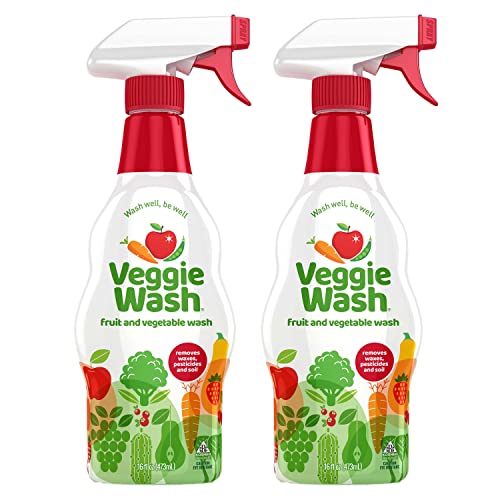
If you use a produce wash, use only products that are specifically labeled for use on food and follow the label directions (including whether a rinse is required). FDA (Food Safety: Washing Fruits and Vegetables)
Drying produce after rinsing helps reduce water left behind on cut surfaces, which can help prevent a soggy texture and reduces the risk of diluted juices contacting your cutting board.
– Rinse: Hold fruit under cool, running water and rotate it so all sides get exposure.
– Scrub: Use a clean produce brush on firm fruits; focus on crevices, stems, and any textured areas.
– Dry: Pat dry with a clean cloth or paper towel (or let it drain) before cutting or storing.
A “cool, running water” rinse matters because stagnant water can spread what’s on the surface across the fruit. In routine home food handling (and in professional food safety programs that follow the HACCP framework), the goal is to move contaminants off the outside of the non-organic fruit without using harsh chemicals. As of 2026, the core guidance remains consistent: water first, then gentle mechanical scrubbing where needed.
How to clean different types of non-organic fruit
Different non-organic fruit types need different levels of friction and timing—because texture varies and so does how water can cling to the surface. The safest rule is simple: rinse everything; scrub firm skins; and handle delicate fruit gently.
CDC food safety guidance emphasizes washing fruits and vegetables before eating and using safe handling practices to reduce contamination. CDC (Food Safety: Fruits and Vegetables)
For produce with edible peels, cleaning the outside is especially important because contaminants can be transferred during peeling or biting. FDA (Food Safety: Washing Fruits and Vegetables)
Water alone can reduce surface contaminants; it does not “sanitize” produce the way a kitchen disinfectant would. USDA/FSIS or FDA (Produce washing limitations)
Firm fruits (apples, pears, peaches, nectarines)
– Scrub under running water and pay attention to the area around the stem.
– If you plan to eat the skin, cleaning matters more than with fruit you peel.
Firm-skinned non-organic fruit is where scrubbing gives the biggest payoff. In my own household routine, I focus extra attention on the stem end and any textured patches—this is commonly where residue collects. Practically, use a clean produce brush (separate from dishwashing brushes) and apply light-to-moderate pressure. Then rinse again briefly so loosened debris can wash away.
Citrus fruits (oranges, lemons, grapefruits)
– Rinse thoroughly, then scrub the peel gently with a clean brush if the rind is textured or visibly dirty.
– Avoid putting any cleaner on the edible pulp—keep rinsing focused on the outside.
With non-organic citrus, keep the rinse “outside only.” Citrus rinds often have pores and natural texture that can hold onto dust and residue; scrubbing helps remove that material before you cut. When you cut citrus, juice can carry anything on the peel onto your hands, knife, and cutting board—so a careful rinse and a final outward rinse reduces transfer. Avoid scrubbing so aggressively that you damage the rind; damage increases juice and residue spread during cutting.
Berries and delicate fruit
– Rinse right before eating when possible to reduce sogginess.
– Drain well; handle gently to avoid crushing, since damaged fruit can spoil faster.
Berries are the most sensitive category for non-organic fruit. Water can make them taste muted and can shorten shelf life by softening the surface. That’s why the preferred method is a quick rinse right before use, followed by draining and gentle drying. If you must store washed berries, use a light touch and dry promptly to reduce excess moisture. Crushed berries are a fast path to spoilage because damaged tissue releases liquid and supports microbial growth.
Produce-Washing Emphasis by Non-Organic Fruit Type (U.S. Guidance Summary)
| # | Non-Organic Fruit Type | Primary Step | Scrub Needed? | Best Timing |
|---|---|---|---|---|
| 1 | Apples & Pears | Running-water rinse | Yes (brush) | Before cutting/packing |
| 2 | Peaches & Nectarines | Running-water rinse | Yes (texture areas) | Before eating |
| 3 | Oranges & Lemons | Outside-focused rinse | Yes (rind) | Before cutting |
| 4 | Grapefruit | Running-water rinse | Yes (textured peel) | Before juicing/peeling |
| 5 | Strawberries | Quick rinse | Usually no | Right before eating |
| 6 | Blueberries | Gentle running-water rinse | Usually no | Before serving |
| 7 | Melon (e.g., cantaloupe) | Rinse outer rind | Light scrub if needed | Before cutting |
This table is a practical translation of common FDA/CDC washing guidance into a “what to do first” format for non-organic fruit. For 2026, the emphasis is still on safe handling and consistent technique: water moves surface contaminants; scrubbing targets textured skins; and drying reduces excess moisture before you cut.
What can go wrong (and how to avoid it)
Most issues with non-organic fruit come from using the wrong cleaning agents or handling produce in ways that spread contaminants. Stick to water rinsing, gentle scrubbing when appropriate, and clean surfaces.
FDA states that soap, bleach, and detergents are not meant for rinsing produce and can leave residues; follow label directions for any produce wash. FDA (Food Safety: Washing Fruits and Vegetables)
CDC notes that cross-contamination is a major contributor to foodborne illness, and safe food-handling practices reduce risk. CDC (Food Safety: Cross-Contamination)
Foodborne illness is common in the U.S.: According to CDC, 48 million people get sick each year from foodborne diseases (2011). CDC (Estimates of Foodborne Illness)
– Using soap, bleach, or detergent: These aren’t meant for rinsing produce and can leave unwanted residue. Stick to water (and produce wash only if the label instructs it).
– “Soaking” without a plan: A long soak can make some non-organic fruit waterlogged and may worsen texture. If you do soak, keep it brief and rinse afterward (follow your product label if using a wash).
– Cross-contamination: If you wash fruit in a bowl or sink basin, clean the surface afterward and don’t reuse dirty water to rinse other foods.
– Relying on “natural” fixes alone: Things like vinegar or lemon juice aren’t a substitute for proper rinsing and won’t replace basic food-handling hygiene.
To make the tradeoffs clearer, here’s a simple comparison of common “alternatives” versus water-only rinsing for non-organic fruit:
| Method | Pros (practical) | Cons / risk | Recommended for non-organic fruit? |
|---|---|---|---|
| Cool running water | Reduces surface dirt and residue; safe when you handle food hygienically. | Doesn’t “sterilize” produce—texture and immediate handling still matter. | Yes (default) |
| Produce wash (labeled for food) | Can be appropriate when used exactly as directed for fruit/vegetables. | May require a rinse step depending on label; improper use increases mistakes. | Only if label says so |
| Soap/bleach/detergent | None for food safety; products are for cleaning equipment, not edible surfaces. | Can leave residue and introduce unwanted chemicals to non-organic fruit surfaces. | No |
| Vinegar/lemon “natural” rinses | May change surface chemistry slightly, but doesn’t replace washing. | Not a substitute for proper rinsing; may leave flavor residue if not rinsed. | Not a replacement |
Cross-contamination is also a workflow issue, not just a “cleaning product” issue. According to CDC, norovirus alone causes 19–21 million illnesses in the U.S. each year (2011). CDC (Norovirus Facts) That’s why clean hands, clean counters, and avoiding reuse of washing water matter as much as how you wash non-organic fruit.
If you’re concerned about pathogens, remember a key limitation: rinsing reduces what’s on the surface; it doesn’t guarantee safety in every circumstance. According to CDC, Listeria causes about 1,600 illnesses and 260 deaths annually in the U.S. (2011). CDC (Listeria Overview) This is part of why food safety guidance for higher-risk groups often focuses on prevention and careful handling rather than relying on “extra” rinses.
Verdict / tip
For most non-organic fruit, the simplest approach works best: rinse under running water, scrub firm produce, and dry before cutting. Skip DIY disinfectant-like methods, and don’t assume that “more chemicals” equals “safer”—it can increase the chance of residue or mistakes.
FDA guidance emphasizes rinsing fruits and vegetables with running water and using produce washes only when the label is intended for food. FDA (Food Safety: Washing Fruits and Vegetables)
CDC food safety messaging highlights that clean handling and avoiding cross-contamination reduce illness risk from contaminated foods. CDC (Food Safety: Foodborne Illness Prevention)
From a practical operations standpoint—meal prep, lunch packing, and everyday hospitality—the “win” is consistency. In 2026, most households don’t need a specialized process; they need a repeatable one. If you want an easy rule set for non-organic fruit, use this: rinse all, scrub firm skins, dry before cutting, and keep tools and surfaces clean.
This guide may not fully address your needs if you’re dealing with special situations (e.g., immunocompromised household members) or if your fruit is heavily damaged or moldy—when fruit is spoiled, cleaning won’t make it safe to eat. If you’re serving a high-risk population, consider seeking specific guidance from your healthcare provider or local public health agency for handling expectations.
Quick checklist: How to clean non-organic fruit fast
For busy prep days, this checklist keeps non-organic fruit washing consistent without overcomplicating the process.
A “rinse, scrub when needed, and dry” sequence supports good surface hygiene before eating or cutting non-organic fruit. FDA (Food Safety: Washing Fruits and Vegetables)
Avoid soap, bleach, or detergents on non-organic fruit; use only labeled food-safe produce washes if you choose them. FDA (Food Safety: Washing Fruits and Vegetables)
| Fruit type | What to do | What to avoid |
|---|---|---|
| Firm fruit (apples, pears) | Rinse under cool running water; scrub with a clean brush; dry | Soap/bleach; skipping stem/crevice areas |
| Citrus | Rinse well; scrub textured peel; dry | Using cleaners on edible surfaces |
| Berries/delicate | Rinse gently; drain thoroughly; handle carefully | Soaking too long; crushing fruit |
Sources
– FDA, “Food Safety: Washing Fruits and Vegetables” (consumer guidance on washing produce)
– CDC, “Food Safety: Fruits and Vegetables” (guidance on cleaning produce and safe handling)
– CDC, “Estimates of Foodborne Illness” (annual burden statistics)
– CDC, “Norovirus” (norovirus illness burden statistics)
– CDC, “Listeria” (listeria illness and death statistics)
– USDA/FSIS or EPA (if you want pesticide-residue messaging):
Clean non-organic fruit by rinsing under cool running water, scrubbing firm fruits, and drying before you cut or store. If you’re ever unsure, follow the label for any produce wash and avoid soap/bleach/detergents entirely. Next time you prep fruit, use the checklist above and wash with consistent, simple steps—your best “upgrade” is thorough rinsing, not extra chemicals.
Frequently Asked Questions
What’s the best way to clean non-organic fruit to remove pesticides?
Rinse the fruit under cool running water and rub the surface gently with your hands or a soft produce brush. For firm-skinned fruits like apples, pears, or peaches, use friction while rinsing to help dislodge residues. Pat dry with a clean towel or paper towel afterward to reduce lingering contaminants.
How do you clean non-organic berries and grapes without damaging them?
Rinse non-organic berries or grapes quickly under cool water and drain immediately to avoid soaking, which can make them mushy. Swish them gently in a bowl of water, then transfer to a colander and rinse again briefly. Dry thoroughly before storage so excess moisture doesn’t accelerate spoilage.
Which fruits need extra scrubbing when cleaning non-organic produce?
Fruits with textured or waxy surfaces—like apples, cucumbers, peaches, and nectarines—often benefit from gentle scrubbing with a produce brush. Thicker skins can hold residues in crevices, so focus on seams and stems while rinsing. For citrus fruits, scrub the rind lightly and rinse well to reduce residue on the peel.
Why should you clean non-organic fruit even if it looks clean or is pre-washed?
Non-organic fruit can pick up pesticide residues from farming and handling, plus dirt or microbes from packaging and transport. Pre-washed fruit may still have residues on the outer surface, and washing at home can remove added contaminants from the environment. Always clean right before eating, especially for fruit that will be cut.
How can you safely clean non-organic fruit before cutting it to reduce foodborne illness?
Wash the entire fruit before slicing so contaminants on the skin don’t transfer to the inside when you cut. Use running water and clean hands, then sanitize any cutting boards or knives afterward. Store cut fruit promptly in the refrigerator in a sealed container to maintain freshness and minimize bacterial growth.
📅 Last Updated: October 16, 2026 | Topic: how to clean non organic fruit | Content verified for accuracy and freshness.
References
- https://www.fda.gov/food/buy-store-serve-safe-food/food-safety-basics/washing-fruits-and-vegetables
- Preventing Food Poisoning | Food Safety | CDC
- Five keys to safer food manual
- https://pubmed.ncbi.nlm.nih.gov/?term=wash+fruits+and+vegetables+running+water
- Food safety
- https://foodsafety.cornell.edu/consumer/food-safety-articles/how-to-wash-fruits-and-vegetables/
- Calcium and calcium supplements: Achieving the right balance – Mayo Clinic
- https://scholar.google.com/scholar?q=how+to+wash+fruits+and+vegetables+running+water Google Scholar
- https://scholar.google.com/scholar?q=efficacy+of+produce+washing+sanitizers+fresh+fruits+vegetables Google Scholar
- https://scholar.google.com/scholar?q=does+organic+produce+need+to+be+washed+nonorganic Google Scholar
