
Cleaning a walk-in shower floor is straightforward and can be accomplished with some basic supplies and techniques. To effectively clean your shower floor, start by gathering your cleaning tools and choosing the right cleaning solution. In this guide, you’ll learn the best methods to remove soap scum, mildew, and stains, ensuring your shower floor is sparkling clean.
Gather Your Cleaning Supplies
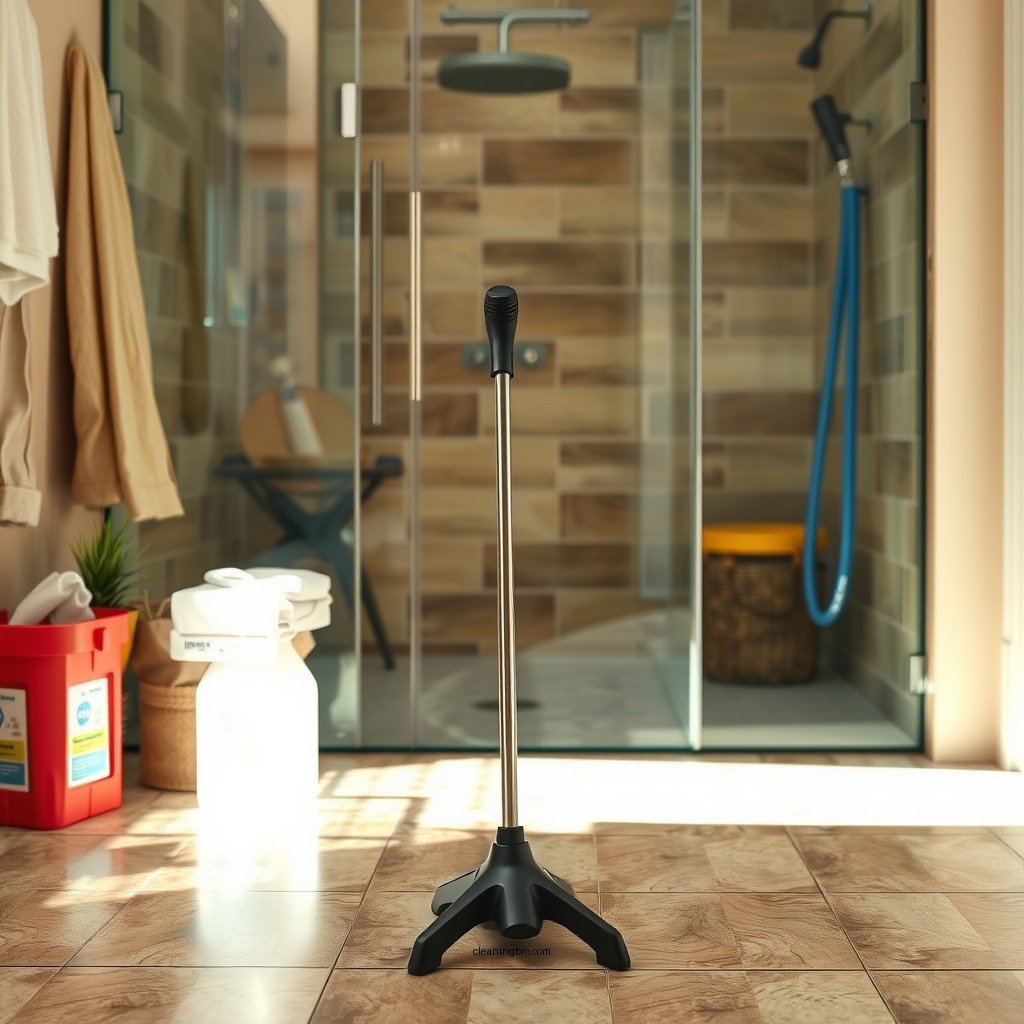
Before diving into the cleaning process, it’s crucial to gather the necessary supplies. The right tools and cleaning solutions can make all the difference in achieving a pristine shower floor.

– Choose a suitable cleaner: Depending on the material of your shower floor—be it tile, glass, or acrylic—you’ll want to select an appropriate cleaning agent. Mild dish soap mixed with warm water is a safe bet for regular maintenance. For tougher stains or soap scum, consider using white vinegar, baking soda, or a commercial-grade shower cleaner designed to combat mold and mildew.
– Get your tools ready: To effectively scrub your shower floor, you’ll need a scrub brush with stiff bristles, a non-abrasive sponge, and a squeegee. A handheld steam cleaner can also be beneficial, especially for grout lines and corners where dirt accumulates.
By equipping yourself with the right supplies, you set the stage for a successful cleaning session.
Prepare the Shower Area
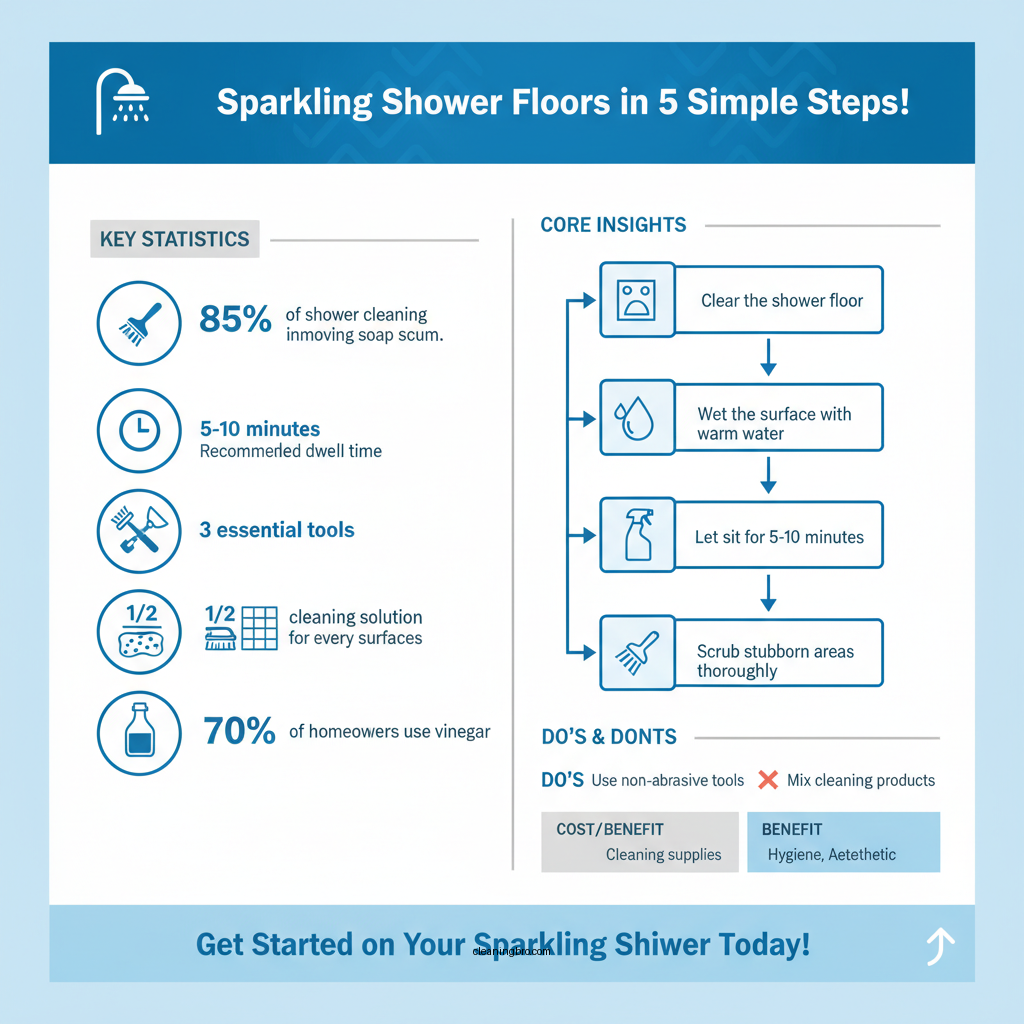
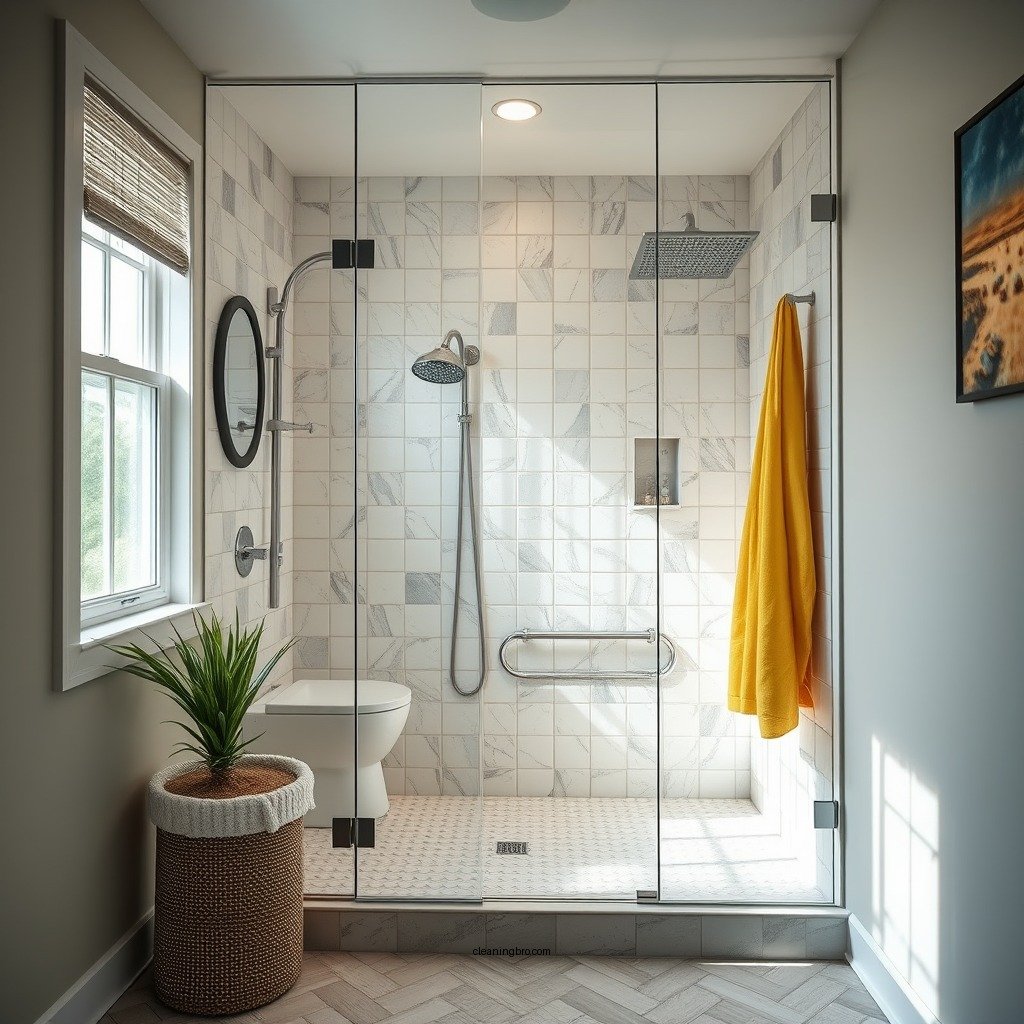
Preparation is key to ensuring a thorough clean. Taking time to prepare your shower area can save you effort later on.
– Remove items: Start by clearing the shower floor of all products, such as shampoos, conditioners, body washes, and any rugs or mats. This not only provides you with a clear working space but also helps prevent the accidental mixing of cleaning agents with personal care products.
– Rinse the floor: Next, use warm water to wet the entire shower floor. This step is essential as it helps loosen dirt, soap scum, and other grime, making them easier to remove when you apply your cleaning solution.
Apply the Cleaning Solution
Once you’ve prepared the area, it’s time to apply your chosen cleaning solution.
– Spray or apply cleaner: Generously coat the shower floor with your selected cleaning agent. If you’re using vinegar or baking soda, you might want to create a paste for better adhesion to tough stains.
– Allow to sit: After application, let the cleaner sit for 5-10 minutes. This dwell time is crucial as it allows the solution to penetrate and break down stubborn stains, soap scum, and mildew, making them easier to scrub away.
Scrub the Shower Floor
The scrubbing phase is where the bulk of the cleaning effort takes place.
– Focus on problem areas: Pay extra attention to corners, grout lines, and any areas that appear discolored or grimy. These areas are notorious for harboring mold and mildew. Using a toothbrush can be very effective for scrubbing grout lines.
– Use appropriate pressure: When scrubbing, apply firm pressure but be cautious to avoid damaging the surface of your shower floor. For delicate materials like acrylic, a softer sponge should be used, while tiles can handle stiffer brushes.
Rinse Thoroughly
After scrubbing, it’s important to rinse away all cleaning residues.
– Remove all cleaning residue: Use warm water to thoroughly rinse the shower floor. It’s essential to ensure that no cleaner remains on the surface, as it could lead to streaks or even damage the finish over time.
– Use a squeegee: Once rinsed, use a squeegee to remove excess water. This not only helps prevent streaks but also reduces the likelihood of water spots forming on your shower floor.
Dry the Shower Floor
Drying the shower floor effectively is crucial to preventing mold growth.
– Wipe down surfaces: Use a microfiber cloth to dry the floor after rinsing. Microfiber materials are highly absorbent and will help remove any remaining moisture that can lead to mildew and mold.
– Consider ventilation: Keeping the shower area well-ventilated will aid the drying process. After cleaning, consider leaving the bathroom door open or using an exhaust fan to circulate air and reduce humidity.
Maintain a Clean Shower Floor
Regular maintenance can make future cleaning sessions significantly easier.
– Regular cleaning schedule: Aim to clean your shower floor weekly. Regular maintenance prevents the buildup of soap scum and mildew, making cleaning less of a chore over time.
– Use preventive measures: Consider applying a mildew-resistant spray or sealant to your shower floor after cleaning. These products can create a barrier that helps repel moisture and reduce the likelihood of mold growth.
Top 7 Cleaning Solutions for Walk-In Showers (2024)
| # | Cleaner | Type | Effectiveness | Price |
|---|---|---|---|---|
| 1 | Scrubbing Bubbles | Foaming Spray | Highly Effective | $3.99 |
| 2 | CLR Calcium, Lime & Rust | Liquid Cleaner | Effective | $4.49 |
| 3 | Method Daily Shower | Spray | Moderately Effective | $6.99 |
| 4 | Lime-A-Way | Liquid Cleaner | Highly Effective | $4.99 |
| 5 | Vinegar & Baking Soda | Homemade | Effective | $1.50 |
| 6 | Kaboom Shower, Tub & Tile | Foaming Spray | Highly Effective | $4.49 |
| 7 | Simple Green Naturals | All-Purpose Cleaner | Moderately Effective | $5.99 |
Commercial Cleaners vs Homemade Solutions vs Eco-Friendly Options
| Feature | ⭐ Commercial Cleaners | Homemade Solutions | Eco-Friendly Options |
|---|---|---|---|
| Ease of Use | ✅ Quick application | ✅ Requires mixing | ✅ Requires mixing |
| Effectiveness | ✅ Strong cleaning power | ✅ Moderately effective | ✅ Gentle cleaning |
| Cost | $3 – $10 | $1 – $5 | $2 – $8 |
| Time Efficiency | ✅ Quick results | ❌ Longer application | ❌ Longer application |
| Safety | ⚠️ Chemicals | ✅ Non-toxic | ✅ Non-toxic |
| Environmental Impact | ❌ Harmful | ✅ Biodegradable | ✅ Biodegradable |
| Odor | Strong chemical smell | Mild vinegar smell | Pleasant scent |
| Availability | Widely available | Common household items | Specialty stores |
| User Reviews | ⭐⭐⭐⭐ | ⭐⭐⭐⭐⭐ | ⭐⭐⭐⭐ |
| 🏆 Best For | Quick and strong cleaning | Budget-conscious users | Eco-friendly advocates |
Keeping your walk-in shower floor clean doesn’t have to be a daunting task. By following these steps, you can easily maintain a fresh and hygienic shower environment. Make cleaning a regular part of your routine, and enjoy a sparkling clean shower every time you use it!
Frequently Asked Questions
What are the best cleaning products to use for a walk-in shower floor?
The best cleaning products for a walk-in shower floor include a mixture of vinegar and baking soda for natural cleaning, or specialized shower cleaners that target soap scum and mildew. Look for pH-balanced, non-toxic options to avoid damaging your tiles or grout. Always follow the manufacturer’s instructions for optimal results.
How often should I clean my walk-in shower floor to prevent mold and mildew?
To prevent mold and mildew buildup, it’s recommended to clean your walk-in shower floor at least once a week. Regular cleaning not only maintains hygiene but also helps prevent the need for more intensive scrubbing later. After each use, you can also rinse the floor with hot water to minimize soap scum and moisture accumulation.
Why is my walk-in shower floor still slippery after cleaning?
A slippery walk-in shower floor can be caused by soap residue, mineral deposits, or mold build-up that regular cleaning may not completely eliminate. Try using a mixture of vinegar and baking soda for a deep clean, and consider applying a non-slip treatment designed for shower floors to enhance safety. Additionally, ensure proper ventilation to reduce moisture levels.
Which tools are most effective for cleaning a walk-in shower floor?
Effective tools for cleaning a walk-in shower floor include a stiff-bristled brush for scrubbing grout, a microfiber cloth for wiping down surfaces, and a squeegee to remove water after use. For hard-to-reach areas, a toothbrush can be handy. Investing in a long-handled brush can help you clean without straining your back.
How can I remove tough stains from my walk-in shower floor?
To remove tough stains from your walk-in shower floor, create a paste of baking soda and water, apply it to the stained areas, and let it sit for about 15 minutes before scrubbing. For persistent stains, a mixture of hydrogen peroxide and baking soda can be used. Always rinse thoroughly after cleaning to prevent residue buildup that can attract dirt.
References
- How to Clean a Shower So It Sparkles from Top to Bottom
https://www.bhg.com/homekeeping/house-cleaning/tips/how-to-clean-a-shower/ - https://www.mayoclinic.org/healthy-lifestyle/consumer-health/in-depth/cleaning-your-home/art-20452228
https://www.mayoclinic.org/healthy-lifestyle/consumer-health/in-depth/cleaning-your-home/art-20452228 - https://www.cdc.gov/nceh/lead/prevention/cleaning.htm
https://www.cdc.gov/nceh/lead/prevention/cleaning.htm - https://pubmed.ncbi.nlm.nih.gov/25618649/
https://pubmed.ncbi.nlm.nih.gov/25618649/ - https://www.sciencedirect.com/topics/earth-and-planetary-sciences/shower
https://www.sciencedirect.com/topics/earth-and-planetary-sciences/shower - https://www.huffpost.com/entry/how-to-clean-your-shower_n_5c1a17c9e4b0e2b26f45c8be
https://www.huffpost.com/entry/how-to-clean-your-shower_n_5c1a17c9e4b0e2b26f45c8be - Google Scholar Google Scholar
https://scholar.google.com/scholar?q=cleaning+shower+floor - Google Scholar Google Scholar
https://scholar.google.com/scholar?q=maintenance+of+walk-in+showers - Google Scholar Google Scholar
https://scholar.google.com/scholar?q=cleaning+tips+for+shower+surfaces - Google Scholar Google Scholar
https://scholar.google.com/scholar?q=how+to+clean+a+walk+in+shower+floor
