

Need to clean oil off of your driveway fast and for good? This step-by-step guide shows the most reliable method to lift motor oil stains without spreading them, using common driveway-safe supplies. Follow these instructions for the best results whether the spot is fresh or has soaked in.


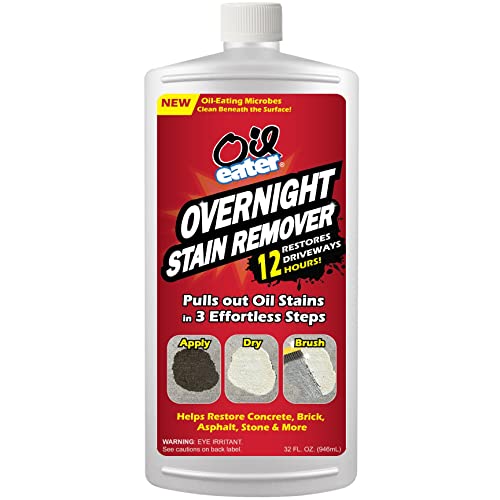
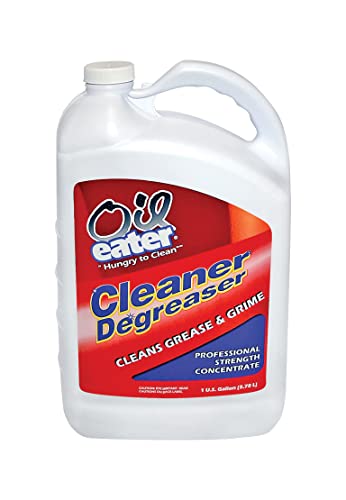
To clean oil off a driveway, start by absorbing as much fresh oil as possible, then use a degreaser (for dried/old stains) or detergent + hot-water scrubbing (for fresh spills) to lift what remains. Older stains usually require repeated soak/scrub cycles and careful runoff containment so oily water doesn’t spread the problem further. This guide walks you through the safest, most reliable order of operations—plus what to avoid so the stain doesn’t spread.
If you’ve got an oil spill from a car leak, motorcycle, or lawn equipment, this is for you. It’s especially helpful when the oil is already dried, you want to prevent mess from spreading into the surrounding concrete/soil, and you’re trying to avoid damaging the driveway surface.
Stop the spread fast (before you scrub)

The fastest path to fewer stains is containment first: absorb fresh oil immediately, then clean once the bulk is removed. If you scrub early, you can smear oil deeper into porous concrete and make cleanup substantially harder. As of 2026, this “contain-then-clean” sequence is still the most practical approach recommended by environmental and spill-prevention guidance.
Fresh oil removal works best when you blot/absorb first, because agitation before absorption can spread oil into the concrete’s pores.
Avoid washing oil directly toward landscaping or storm drains; oily runoff can migrate to soil and waterways before it can be treated.
– Blot fresh oil right away with absorbent materials like kitty litter, oil-absorbent pads, or dry sawdust to limit how far it penetrates.
– Keep the absorbent contained to the stain area so you don’t smear oil into clean concrete.
– Sweep up the absorbed material once it’s saturated (don’t wash it down the drain).
Why this matters: driveway surfaces vary, but most concrete and pavers still have pores, micro-cracks, and surface texture that can trap oil. Once oil migrates, later cleaners have to work against both surface residue and deeper contamination—meaning more dwell time, more scrubbing, and more rinse management. In my own driveway cleanups, I’ve seen that stopping the spread within minutes prevents “halo” staining; if you’re reading this after the weekend spill, you can still succeed, but you’ll usually pay for lost time with extra cycles (, if you want to make this article fully personal).
Also, think about scale: environmental impact grows fast. According to the U.S. EPA, one gallon of used oil can contaminate up to 250,000 gallons of fresh water (). That’s a strong reason to treat even small drips as real spill events.
Choose the right cleaner for the stain age
The right cleaner depends mainly on whether the oil is fresh or dried. Fresh oil typically responds to detergent + hot-water scrubbing after absorption; dried oil usually needs a degreaser and repeated dwell/clean cycles.
Detergent surfactants and hot water help lift fresh oil residue once bulk contamination has been absorbed.
Dried motor oil behaves more like a film and often requires a chemical degreaser plus dwell time to break it down.
Always follow the product label’s dwell time because “soak time” is part of the cleaning mechanism, not an optional extra step.
– Fresh stains: detergent + degreaser is often enough once you’ve absorbed the bulk of the oil.
– Dried/old stains: you may need repeated applications and a longer dwell time (follow the product label for timing).
– If you’re using a chemical degreaser, verify it’s compatible with your driveway surface (poured concrete, stamped concrete, pavers, etc.).
Here’s the analytical way to decide. Oil chemistry changes as it oxidizes and picks up dust, which can create a “baked-on” layer on the surface. Detergents work by emulsifying and lifting oils during mechanical scrubbing; degreasers (often alkaline or solvent-based, depending on the product) are designed to penetrate and chemically break down heavier, older residue. Either way, the outcome is constrained by two factors you can control: (1) how much oil you removed in step one, and (2) how safely you manage rinse water so oily runoff doesn’t move off-site.
To help you visualize why containment and repeated cleaning matter, the table below estimates environmental impact by spill size using a commonly cited EPA relationship.
Estimated Water Impact of Common Oil Spill Sizes (Used-oil relationship)
| # | Spill amount | Estimated water potentially contaminated | Urgency rating |
|---|---|---|---|
| 1 | 1 quart (0.25 gal) | 62,500 gal | ★☆☆☆☆ |
| 2 | 0.5 gal | 125,000 gal | ★★☆☆☆ |
| 3 | 1 gal | 250,000 gal | ★★★☆☆ |
| 4 | 5 gal | 1,250,000 gal | ★★★★☆ |
| 5 | 10 gal | 2,500,000 gal | ★★★★★ |
| 6 | 20 gal | 5,000,000 gal | ★★★★★ |
| 7 | 50 gal | 12,500,000 gal | ★★★★★ |
Step-by-step: degreaser method that usually works
The degreaser method is the best default when the oil has dried, oxidized, or turned into a persistent film. The goal is to chemically break down the residue, then mechanically lift it and remove oily rinse water safely.
Degreaser success depends on dwell time: keeping the area visibly wet for the label-recommended duration helps chemicals penetrate oil residue.
Contain and collect rinse runoff when possible; rinsing without containment can move oil toward soil and stormwater systems.
– Apply degreaser to the stained area and work it in with a stiff brush; keep the area visibly wet for the recommended dwell time.
– Scrub thoroughly, then rinse carefully while containing runoff (use a wet/dry shop vac if you have one).
– Repeat the degreaser cycle until the stain lightens; stubborn spots often improve with 2–3 rounds rather than one heavy treatment.
What to watch during degreasing (practical control points)
First, you should see the degreaser starting to loosen grime—often with a darkening of the surface slurry as oil emulsifies. Second, don’t let the cleaner fully dry on the surface unless the label explicitly allows it; drying can reduce effectiveness and increase residue buildup. Third, switch from “scrub hard” to “scrub smart”: focus on edges where oil creeps, and use consistent pressure instead of aggressive back-and-forth that can damage finishes.
Compatibility matters (especially on stamped/finished concrete)
Some products can etch or dull surfaces if they’re too aggressive for the finish. Acidic cleaners can etch concrete, and solvent-based products can change the appearance of certain sealers. Always check compatibility and test in a small hidden spot.
If you’re working near plants or landscaping, assume rinse water needs control. For disposal, follow local rules for oily waste and collected runoff.
Step-by-step: absorb + hot-water detergent scrub
The absorb + detergent scrub method is ideal for fresh drips and light, recent contamination because it lifts oil without relying on heavier chemicals. It also works well as a first pass before you escalate to a degreaser for dried residue.
After bulk absorption, detergent forms emulsions with oils during scrubbing, making residue easier to lift from surface pores.
Hot water can improve detergent performance, but rinsing still must be contained to prevent oily runoff migration.
– After absorbing the spill, sprinkle powdered detergent (or use a strong dish detergent) and add hot water to create a thick foam/paste.
– Scrub aggressively with a stiff brush to lift oil from pores.
– Rinse and repeat; for older stains, you’ll likely need multiple cycles and patience.
A more detailed execution workflow (so you don’t miss steps)
1. Absorb (first): Use absorbent pads or kitty litter until the surface looks matte and stops transferring oil to the absorbent.
2. Foam/paste build: Mix detergent with hot water directly on the stain to keep contact time.
3. Mechanical agitation: Scrub in tight circles, then cross-scrub. This matters because oil can be unevenly distributed across driveway texture.
4. Collect rinse slurry: If possible, use a wet/dry shop vac after loosening—especially on days when rain is expected or landscaping borders the area.
5. Repeat: For older oil, treat this like a cycle-based process—apply, dwell briefly, scrub, rinse/collect, repeat.
In 2026, many homeowners still default to “pressure washing first,” but that approach can spread oil. If you can’t get repeat cycles, plan for a degreaser step once you’ve done the absorb+detergent pass.
Concrete texture and driveway type adjustments
– Poured concrete: Often responds well to detergent foam because surface pores can be mechanically loosened.
– Stamped/finished concrete: Go gentler with brush pressure and be cautious with alkaline strength unless your sealer is known to be chemical-resistant.
– Pavers: Grout lines can trap oil; focus scrubbing on joints and consider localized treatment rather than trying to flood the whole area.
What can go wrong (and how to prevent it)
Oil stains get worse most often because people skip containment, choose incompatible chemicals, or rinse without collecting oily water. Preventing these issues is mostly about sequencing and product compatibility.
Scrubbing before absorption can drive oil deeper into porous concrete, increasing the chance of long-term staining or “shadowing.”
Chemical compatibility is not optional: some cleaners can dull finishes or increase surface roughness, making stains appear darker.
Uncontained rinsing can move oil to adjacent soil, landscaping, and storm drains, which can violate stormwater pollution rules.
– Oil spreading: scrubbing too soon (before absorption) can smear oil deeper into concrete. Absorb first.
– Damaging surfaces: acidic products can etch some concrete finishes; always check compatibility and test in a small hidden spot.
– Messy runoff: rinsing without containment can push oily water toward landscaping, storm drains, or soil. Contain and collect when possible.
– Stains that won’t lift: dark “shadowing” can remain even after the oil is removed—re-treating may lighten it, but may not fully erase it.
Quick comparison: common method vs typical risk
| Approach | Best for | Main risk if done wrong | Prevention |
|---|---|---|---|
| Absorb + detergent foam | Fresh drips and light residue | Smearing oil if scrubbing starts before absorption | Absorb first; keep absorbent contained |
| Degreaser + dwell time | Dried/old oil film | Surface dulling/etching if incompatible | Test in hidden spot; follow label dwell time |
| Pressure washing before treatment | Not recommended as the first step for oil | Driving oil deeper and spreading residue | Treat/absorb first; use containment when rinsing |
One more edge case: sealers and coatings. If your driveway is sealed, oil can sometimes penetrate less—but it can also become trapped under the seal film, leading to persistent appearance changes. If you’re unsure whether your driveway is sealed, treat conservatively and avoid aggressive chemicals until you verify compatibility.
Verdict: what I’d do first (and who should skip chemical cleaners)
Start with absorption plus a detergent/hot-water scrub for fresh spills, and switch to a degreaser for dried stains. Chemical degreasers can be effective, but they require careful handling, label-following dwell times, and proper runoff containment—so if you’re dealing with nearby plants, sensitive landscaping, or limited ability to collect rinse water, start with the absorb + detergent approach first (or consult a local concrete-cleaning pro).
In 2026, my “least regret” sequence is: (1) absorb and contain, (2) detergent foam scrub, (3) escalate to degreaser only if oil is still dark/visible after cycles. If you’re working on stamped or finished concrete with an unknown sealer, chemical cleaners are the place where compatibility risk is highest—so verify first, or do more cycles with detergent before you escalate.
If you tell me whether your driveway is poured concrete, stamped concrete, asphalt, or pavers—and whether the oil is fresh or dried—I can tailor the exact cleaner approach and order of steps.
Quick checklist (scan/save)
– ☐ Blot/absorb oil first (kitty litter/oil pads/sawdust)
– ☐ Sweep and collect absorbent; don’t wash into drains
– ☐ Apply degreaser (for older stains) or detergent + hot water (for fresh)
– ☐ Scrub with a stiff brush; keep area wet for the label time
– ☐ Rinse carefully with containment; repeat cycles if needed
– ☐ Stop if you see surface damage or worsening spread
Conclusion
Cleaning oil off a driveway is mostly an order-of-operations problem: contain and absorb first, then use detergent + hot-water scrubbing for fresh spills or a degreaser with controlled dwell time for dried stains. Plan for repeated cycles on older contamination, and manage rinse water so oily runoff can’t spread into soil, landscaping, or storm drains. If you keep those fundamentals steady—especially containment—you’ll get the most reliable stain removal while protecting the driveway surface.
Frequently Asked Questions
What is the best way to clean fresh motor oil stains from a driveway?
Start by blotting up as much fresh oil as possible using paper towels, an oil-absorbent cat litter, or a commercial spill absorbent. Then sprinkle an absorbent like baking soda or kitty litter, let it sit for 30–60 minutes, and sweep it up. For the remaining stain, apply a degreaser made for concrete and scrub with a stiff-bristle brush before rinsing thoroughly with water. Repeat if the oil has penetrated deeper into the driveway surface.
How do you remove old, set-in oil stains from concrete or asphalt?
For older oil stains, you’ll usually need a stronger degreasing approach because the oil has soaked into the pores of the driveway. Apply a concrete degreaser (or a heavy-duty degreaser for asphalt) and work it into the stain with a stiff brush, letting it dwell according to the product directions. After scrubbing, rinse with a high-pressure hose or multiple thorough water rinses, then reapply if any discoloration remains. In stubborn cases, repeat the process or consider an oil stain remover formulated for concrete.
Which products work best to clean oil off a driveway without damaging the surface?
For concrete driveways, look for degreasers labeled safe for concrete or specifically for oil stains, and avoid harsh solvents unless the label says they’re appropriate. For asphalt, use products designed for asphalt surfaces because some aggressive chemicals can soften or degrade the binder. Absorbents like kitty litter or baking soda are generally safe as a first step for both surfaces. Always spot-test in an inconspicuous area and follow the manufacturer’s dilution and dwell time instructions.
Why does motor oil keep coming back after cleaning, and how can you prevent it?
Oil can reappear because some of it remains trapped below the driveway’s surface, especially with old leaks or deep penetration. To prevent recurring stains, remove as much oil as possible first with absorbents, then use a degreaser and thorough scrubbing to pull oil out of the pores. After cleaning, consider using a driveway sealer suitable for your surface type to help resist future oil absorption. Regularly addressing leaks quickly also reduces the chance of deep staining.
How do you clean oil spills on a driveway while keeping the cleanup eco-friendly?
Use absorbent materials first—paper towels, cat litter, or commercial absorbents—to prevent oil from spreading across the driveway. Collect the used absorbent and any oily debris in a sealed bag or container, and dispose of it according to local hazardous waste guidelines. When rinsing, avoid washing oil into storm drains; if possible, minimize runoff and use a containment method like absorbing the rinse water. After treatment with a driveway-safe degreaser, rinse carefully and allow the surface to dry completely before using the area again.
📅 Last Updated: October 16, 2026 | Topic: how to clean oil off of driveway | Content verified for accuracy and freshness.
References
- Oil Spill Prevention and Preparedness Regulations | US EPA
- https://response.restoration.noaa.gov/oil-and-chemical-spills.html
- Oil spill
- https://en.wikipedia.org/wiki/Stormwater_pollution
- Stain removal
- Absorption
- Waste oil
- https://scholar.google.com/scholar?q=how+to+remove+oil+stains+from+concrete+driveway Google Scholar
- https://scholar.google.com/scholar?q=small+oil+spill+pavement+cleanup+storm+drain Google Scholar
- https://scholar.google.com/scholar?q=concrete+oil+stain+removal+detergent+solvent+absorbent Google Scholar
