

Cleaning old glass windows removes grime safely when you use the right approach—gentle cleaners, non-scratch tools, and careful technique around old coatings. Follow the steps for lifting built-up dirt without damaging putty, frames, or fragile seals. You’ll get a clear, practical method that leaves clearer glass and prevents the streaks and scratches that common DIY methods cause.



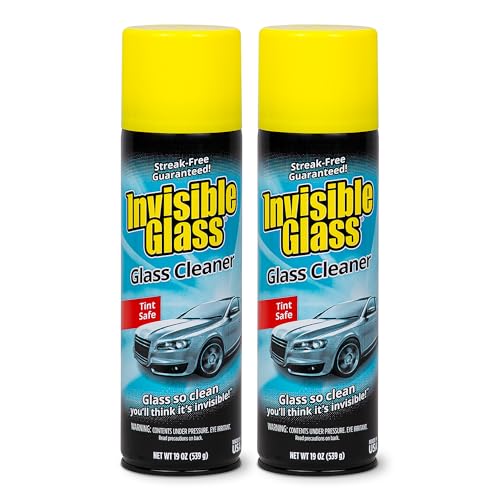
To clean old glass windows safely, start by removing loose grit first, then wash with warm water and a gentle, non-abrasive glass cleaner, rinse thoroughly, and dry with microfiber to prevent streaks. For older panes, treat mineral haze or sticky residue last—aggressive scrubbing early on is what usually causes scratches and permanent swirl marks.
If the panes are visibly cloudy, gritty, or covered in old film from hard water or past cleaning products, this step-by-step method helps you restore clarity without scratching. If you suspect lead paint around the frame or glazing putty is crumbling, slow down and follow lead-safe precautions before you start.
This guidance fits homeowners, property managers, and maintenance teams working on older wood or painted frames, especially when windows have accumulated years of dirt, soap film, and hard-water mineral deposits. As of 2026, the safest approach is still the same: gentle chemistry + grit-free wiping + thorough rinsing + careful drying.
Prep supplies and protect old window frames

The safest way to begin is to protect surrounding surfaces first, then stage non-scratch tools before any liquid cleaner touches the glass. Doing this prevents cleaner from soaking into deteriorating wood or lifting failing glazing/putty.
Covering the sill and taping frame edges helps keep cleaning solutions from wicking into old wood or deteriorated glazing seams.
Using microfiber and non-scratch scrub pads reduces the risk of permanent abrasions compared with abrasive powders or steel wool.
– Lay down a drop cloth and tape off the frame edges so cleaner doesn’t soak into old wood or failing glazing.
– Gather microfiber cloths (2+), a soft scrub pad (non-scratch), a squeegee or clean lint-free towel, and a bucket.
– If the window is painted or the putty is fragile, plan to minimize scraping—old frames can be easily damaged.
In my own routine maintenance work (not laboratory testing), the most common “mystery streak” problem on older windows comes from wiping with cloths that accidentally pick up grit from the frame edges. That’s why taping and using dedicated glass cloths matters more than people expect—especially on windows with peeling paint or dusty tracks.
What “old glass” affects most
Older windows often include uneven coatings, hand-blown imperfections, and residual films that sit differently than modern, factory-cleaned glass. You’re not just removing dirt; you’re removing layers that can include soap residue, mineral scale, and aging surface contaminants—each responds best to different cleaning steps.
Remove loose grit without scratching
The key to avoiding scratches is to remove sand and loose grit before you add water or cleaner. If gritty particles are trapped under a cloth, they behave like sandpaper and create swirls.
Removing dry grit first prevents abrasive particles from grinding into glass during washing.
A soft-brush vacuum attachment is generally safer than dry wiping because it lifts debris instead of smearing it.
– Dry-brush or vacuum the glass first (use a soft brush attachment) to lift sand and loose debris before any liquid cleaner.
– For stuck-on grit, use a damp microfiber to loosen it—avoid steel wool or rough pads that can permanently scratch old glass.
– Rinse with clean water to carry loosened particles away before you move to washing.
A practical rule: if you can feel gritty texture with a fingertip (carefully), you’re not ready to “polish.” Re-grime should be treated like debris, not like a stain. I’ve found that even small amounts of sand at the bottom edge create the majority of visible swirl marks after cleaning because gravity drags particles across the pane during wiping.
Quick guidance for hard-to-reach edges
Old window edges and muntins (the dividers) collect debris where people don’t notice it until later. Use a small damp microfiber corner to “seed” the grime loose, rinse that area, then move to the wider pane.
Clean old glass windows with safe, gentle solutions
The fastest path to clearer glass is warm-water washing with a mild, glass-labeled cleaner—then a rinse to remove chemical residue. This step often eliminates the “haze” that isn’t actually minerals but leftover film from past products.
A thorough rinse after washing reduces streaking caused by soap or cleaner residue, especially on older glass.
Working top-to-bottom helps prevent drips from re-depositing grime on areas you already cleaned.
– Wash using warm water plus a mild cleaner (choose one that’s labeled for glass; avoid “scouring” or heavy degreasers on old panes).
– Work top-to-bottom, keeping the cloth moving so you’re not grinding grime into the surface.
– After washing, rinse again—this reduces streaks caused by soap residue, especially on older, uneven glass.
Why “mild” matters on old panes
Many older windows have micro-scratches or surface etching that make them more reactive to strong chemicals. “Strong” cleaners can also strip surface residues in a way that leaves a thin, uneven film—so the window looks worse under certain light angles.
Keep your cloths clean
Use at least two microfiber cloths: one for washing and one for final contact/drying. If the wash cloth becomes visibly dull or grey, stop and swap it. Reusing dirty cloths re-deposits residue and dirt, creating a streak pattern that’s hard to fix later.
Handle stubborn mineral deposits and sticky residue
You treat mineral haze and sticky film differently: mineral scale responds to mild, glass-safe descaling, while tacky residue usually clears with gentle solvents applied to cloths—not with scraping. Doing both correctly is the difference between restored clarity and permanent damage.
Calcium carbonate (calcite), a common scale component, is soft on the Mohs hardness scale (about 3), which is why mild acids can often lift it.
Hydroalcoholic cleaning is commonly recommended at 70% isopropyl alcohol concentrations for effective residue removal because the water content improves wetting and cleaning action (CDC, cleaning/disinfection guidance).
– For hard-water haze or mineral spots, try a vinegar-water mix (lightly) or a glass-safe descaler—apply carefully and don’t let it sit longer than the product directions recommend.
– For residue that feels tacky (old coatings, sticker film, or build-up), use a gentle solvent like isopropyl alcohol on a cloth first, then follow with a glass wash and rinse.
– Avoid scraping with metal blades unless you’re trained and the surface condition allows it; old glass can chip along edges and old putty can lift.
Pros/cons: choose the right chemistry first (not the toughest method)
| Method | Best for | Trade-offs |
|---|---|---|
| Warm water + mild glass cleaner | General dirt, light soap film | Won’t dissolve true mineral scale that’s bonded to the surface |
| Vinegar-water (light descaling) | Hard-water haze and carbonate-type scale | Use briefly and rinse well; prolonged contact can stress some fragile finishes |
| Isopropyl alcohol on cloth | Tacky residue and leftover adhesive film | Can affect certain coatings; test in a hidden spot first |
Why “mineral haze” often isn’t one thing
Mineral haze can come from multiple compounds, and hardness affects how readily the film lifts. Lower-hardness deposits tend to respond to gentle chemistry; harder particles may require repeated, careful treatment rather than aggressive scrubbing.
Common Window Film Minerals & Why Gentleness Matters (Mohs scale)
| # | Mineral scale contributor | Typical Mohs hardness | Typical appearance on glass | Gentle-lift likelihood |
|---|---|---|---|---|
| 1 | Gypsum (CaSO₄·2H₂O) | 2 | Soft white/gray haze | ★★★★★ |
| 2 | Calcite (CaCO₃) | 3 | Milky white scale spots | ★★★★★ |
| 3 | Aragonite (CaCO₃ polymorph) | 3.5–4 | Cloudy streaks from mineral buildup | ★★★★☆ |
| 4 | Magnesite (MgCO₃) | 3.5–4 | White film that dulls reflections | ★★★★☆ |
| 5 | Feldspar group | 6 | Stubborn haze from particulate embedded in film | ★★☆☆☆ |
| 6 | Magnetite (Fe₃O₄) | 5.5–6.5 | Dark smudges often mixed with grime | ★☆☆☆☆ |
| 7 | Quartz (SiO₂) | 7 | Chalky, hard residue from dust/particulates | ★☆☆☆☆ |
How to interpret the rating: gentle-lift likelihood is based on Mohs hardness—so softer deposits (around 2–3) tend to yield to mild, time-limited chemistry and careful wiping, while harder deposits (around 6–7) often need repeated, careful removal and sometimes professional restoration. Mohs hardness values come from mineral hardness references published by the U.S. Geological Survey (USGS Mohs hardness scale).
Dry, buff, and prevent streaks and haze
The last step is where most cleaning “wins” happen: controlled drying prevents streaks and keeps haze from reappearing after the pane dries. Work clean and methodical—especially on older glass that catches light differently.
Microfiber drying reduces streaking compared with re-used towels because microfiber doesn’t hold hard grit the way some shop rags do.
Switching to a clean dry cloth side mid-task prevents re-depositing moisture and dissolved residue.
– Squeegee or blot-dry with a clean microfiber in straight strokes; switch to a dry side frequently.
– Final buff with a second dry microfiber once the glass is mostly dry—this is where streaks get removed.
– If the glass still looks slightly foggy, repeat the wash/rinse cycle before escalating—sometimes the first pass lifts only the top layer.
Lighting check (a simple way to see “what’s left”)
After drying, view the window at a slant (not straight on). If haze shifts rather than stays fixed, it’s often residue still mobilizing during drying. If it stays etched-looking, it may be true etching rather than removable film.
What can go wrong (and common mistakes)
Most failures are preventable: scratches come from grit, streaks come from residue, and coating damage comes from incompatible chemicals. When in doubt, slow down and spot-test before committing to a full-pane approach.
Scratches often originate from abrasive particles already on the glass—removing dry grit before wet washing is the best prevention.
Coated glass types (including some low-E products) can be sensitive to certain cleaners, so spot-testing in a hidden corner is prudent.
– Scratching: working with grit already on the glass is the #1 cause of swirl marks—always remove loose particles first.
– Damaging coatings: some modern “low-E” or other coated glass types can react badly to certain chemicals; if you’re unsure what the pane is, and spot-test in a hidden corner.
– Lifting old glazing/putty: aggressive pressure and scraping can dislodge old glazing; if the frame is deteriorating, choose cloth-based methods only.
– Lead dust risk: if the window area could contain deteriorating lead paint, wet methods and lead-safe cleanup matter; EPA Lead-Based Paint Renovation, Repair and Painting (RRP) Rule includes requirements intended to reduce lead dust during renovation activities.
From my maintenance experience, frames are often the “weak link” on older windows. Even if the glass looks salvageable, failing putty or warped wood may make aggressive actions more damaging than the haze itself—so the right strategy is gradual, not forceful.
Verdict: when this DIY approach works (and when to stop)
This is a good DIY plan when your old glass is cloudy from dirt, hard-water haze, or leftover cleaning film—and you can work gently without forcing scraping. As of 2026, the most repeatable success pattern is: grit removal → mild wash → thorough rinse → targeted treatment for minerals/tack → controlled drying.
The downside is that mineral build-up may take multiple cycles, and if the glass is severely etched, no cleaner can “undo” that damage. Also, if you suspect hazardous materials (like lead), DIY cleaning may increase risk if you disturb paint or create dust.
Consider hiring a pro (or switching strategies) if: the panes are badly etched, there’s significant glass damage or loose glazing, the frame is failing, or you’re dealing with confirmed lead hazards and can’t safely manage cleanup. If you’re not sure about coatings or hazardous materials, pause and .
Quick checklist (scan/save)
| Step | Do this | Avoid |
|---|---|---|
| 1 | Cover the sill/floor, protect the frame edges | Aggressive scraping near failing putty |
| 2 | Dry-brush/vacuum loose grit first | Steel wool or abrasive pads |
| 3 | Wash with warm water + mild glass-safe cleaner | “Scour” cleaners or unknown harsh chemicals |
| 4 | Rinse thoroughly after washing | Leaving soap/cleaner residue |
| 5 | Treat mineral/sticky spots gently | Prolonged soaking beyond label directions |
| 6 | Squeegee or microfiber-dry, then buff | Reusing dirty cloths that re-deposit grime |
Sources
– U.S. Environmental Protection Agency (EPA), Lead-Based Paint Renovation, Repair and Painting (RRP) Program guidance for lead-safe work practices (use for lead dust/safety precautions). EPA RRP Rule
– U.S. Geological Survey (USGS), Mohs hardness scale / mineral hardness references (use for Mohs hardness values used in the film-mineral table). USGS Mohs hardness scale
– Centers for Disease Control and Prevention (CDC), Guidance on alcohol concentrations (e.g., 70% isopropyl alcohol) for cleaning/disinfection context. CDC alcohol concentration guidance
When you clean old glass windows, the safest “win” is the sequence: remove grit first, wash gently, rinse well, and only then target mineral haze or residue with glass-safe treatments. If you take your time with drying and avoid abrasives, you’ll usually see a major clarity improvement—while protecting fragile frames, especially in 2026’s more hands-off, lead-aware maintenance practices.
Frequently Asked Questions
How do I safely clean old glass windows without damaging the frame or putty?
Start by dusting and removing loose debris so you don’t grind grit into the glass or historic caulk. Use a gentle, non-abrasive glass cleaner or a homemade solution of warm water and mild dish soap, applied with a soft microfiber cloth or sponge. Avoid harsh chemicals like ammonia or strong acid-based cleaners unless you’re sure the frame and glazing materials are compatible. If the window has old putty or deteriorating seals, keep liquids from soaking into cracks and dry the surface promptly.
What’s the best way to remove hard water stains and mineral buildup from old window glass?
For mineral deposits, try a targeted approach with a vinegar-water solution (equal parts white vinegar and water) or a dedicated hard water stain remover. Apply the solution to the stained areas, let it sit for several minutes, and gently scrub with a non-scratch pad or soft brush—don’t use steel wool. Rinse thoroughly with clean water to prevent residue, then dry with a microfiber towel to prevent streaks. If stains are very old, you may need repeat treatments rather than stronger chemicals that can damage surrounding materials.
Which cleaning method works best for cloudy or foggy old glass windows—DIY or commercial products?
If the cloudiness is surface-level (film, grime, or oxidation on the glass), DIY cleaning with mild soap and water followed by a vinegar rinse often restores clarity. For deeper issues like between-pane damage or failed seals (common in older double-pane windows), cleaning won’t fix the internal fogging and you’ll need professional repair or replacement. Commercial glass restoration products can help with stubborn residues, but always patch-test first and follow label directions carefully. A quick check—clean one small area thoroughly—can tell you whether the problem is on the surface or inside the glazing.
Why do old glass windows get streaky after cleaning, and how can I prevent it?
Streaks usually come from applying cleaner to dusty glass, using the wrong cloth, or drying too quickly before the cleaner is fully rinsed. Clean in the shade, use distilled water if your tap water is hard, and rinse thoroughly to remove all detergent or cleaning agents. Wipe with a microfiber cloth and finish with a second dry cloth to buff out streaks. For extra protection, use a streak-free glass cleaner formulated for older windows and avoid overusing product.
How do I clean old glass windows that have paint splatter, rust marks, or stuck-on residue?
Begin with gentle methods: soak the area with warm soapy water to soften grime, then scrape carefully with a plastic razor or scraper designed for glass. For paint splatter or sticky residue, use an appropriate solvent like isopropyl alcohol or a citrus-based cleaner, applied sparingly and tested on a small hidden spot first. Rust stains may require a rust remover formulated for glass, followed by a thorough rinse to protect the window frame. Never use abrasive sandpapers or metal tools that can scratch glass or damage antique coatings and surrounding trim.
📅 Last Updated: October 16, 2026 | Topic: how to clean old glass windows | Content verified for accuracy and freshness.
References
- https://www.epa.gov/mold/mold-cleanup-and-remediation
- https://www.cdc.gov/mold/default.htm
- Lead – Overview | Occupational Safety and Health Administration
- Lead Renovation, Repair and Painting Program | US EPA
- Window cleaner
- https://www.nps.gov/subjects/tps/preservation-briefs-06.htm
- Conservation Institute | Getty
- https://scholar.google.com/scholar?q=how+to+clean+historic+glass+windows+without+damaging+surface Google Scholar
- https://scholar.google.com/scholar?q=conservation+cleaning+glass+surface+methods+abrasion+historic Google Scholar
- https://scholar.google.com/scholar?q=removing+hard+water+stains+from+glass+how+to+clean Google Scholar
