

Learn how to clean vomit from a mattress with a step-by-step process that removes the mess, odor, and lingering bacteria fast. If you need a clear winner for vomit cleanup, this guide shows the quickest effective order of actions—from blotting and disinfecting to fully drying—so you can stop the smell and protect your bed. Follow these steps and you’ll know exactly what to do when vomit hits, not what to try and hope works.
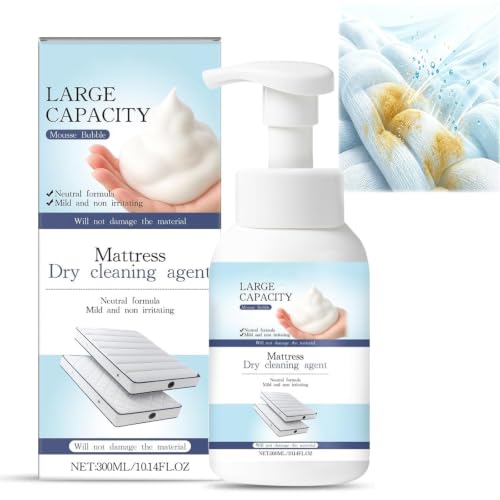



Blot up vomit right away, then clean the mattress area with an enzyme cleaner (or a mild detergent solution), and finally deodorize and fully dry the mattress. The fastest way to prevent lingering odor and stains is to treat both what you can see on top and the residue that soaks into the fabric and padding. This guide walks you through safe steps, what to use, and what to avoid.
If this happened from a child, pet accident, illness, or motion sickness, you’re in the right place—especially if the mattress has fabric, foam, or a removable cover. You can follow the steps whether the stain is fresh or has started to set, with a couple of small adjustments.
What to Do First: Contain the Mess Fast

If you act quickly, you can usually prevent most vomit stains and odors from setting into the mattress. Start by containing the mess, removing bedding, and using blotting techniques that lift liquid without driving it deeper into the mattress layers.
Norovirus can be spread by tiny amounts from vomit, and the infectious dose can be very low (reported as as few as 18 virions). (CDC)
CDC guidance for vomit/diarrhea cleanup notes that bleach solutions should be prepared and allowed to stay on surfaces for about 5 minutes for disinfection. (CDC)
For upholstered items like mattresses, the key early step is blotting (not scrubbing) so liquid doesn’t move deeper into foam and fabric.
Remove bedding and isolate washables
Strip the bed completely (sheets, mattress protector, and any duvet/blanket that touched the mattress). Put washable items into a bag or container immediately so you don’t spread microscopic residue around the room. If the mattress has a removable cover, remove it now and clean it separately according to the care label.
Blot, don’t scrub (liquid vs. solids)
Use white absorbent towels or paper towels. Press gently and lift—repeat until the towel comes up less wet. Scrubbing increases the risk of pushing vomit deeper into the mattress padding, which is one major reason stains and smell come back later.
– If it’s liquid vomit: blot from the outer edges toward the center.
– If there’s semi-solid material: use a spoon or cardboard edge to lift solids away first, then blot remaining moisture.
Quick safety note for illness-related vomit
If the vomit is linked to illness (especially suspected viral gastroenteritis), treat the mattress cleanup as contamination control. CDC notes norovirus can persist on surfaces for days, so minimizing aerosolization and keeping contaminated materials contained matters. (CDC)
Supplies and Safe Cleaning Choices
The right cleaner makes the difference between “it looks better” and “it actually stops smelling.” For mattresses, enzyme cleaners are the most reliable option because they break down organic compounds responsible for odor and staining, while mild detergent solutions work as a fallback when you can’t use enzymes.
CDC reports norovirus can remain infectious on some surfaces for up to 12 days, which is why thorough cleanup (and drying) matters. (CDC)
Enzyme cleaners are designed to target organic residues (such as proteins and other bio-material) that contribute to odor and staining in fabrics.
Baking soda is commonly used as an odor absorber; however, it works best after the bulk of the residue is removed by cleaning.
What to gather before you start
You’ll typically need:
– White absorbent towels or paper towels
– A clean cloth for applying cleaner
– A spray bottle (helpful, so you can control moisture)
– A wet/dry vacuum (optional, if you have one)
– A fan and ventilation for drying
– A deodorizer option (often baking soda)
Enzyme cleaner vs. mild detergent vs. harsher chemicals
Here’s a practical comparison for mattress-safe cleaning choices:
A safety-oriented note on disinfection (why you still need “enzymes + drying”)
If you’re cleaning after illness, you may wonder about bleach. CDC provides bleach dilution guidance for vomit/diarrhea cleanup on surfaces, including a contact time around 5 minutes. (CDC) However, mattresses are upholstered and porous, so bleach can damage materials and may not be practical without soaking risks. In most mattress cleanups, enzyme cleaning plus thorough drying is the more realistic approach.
CDC bleach dilution guidance for vomit/diarrhea cleanup (hard surfaces)
| # | Bleach amount (per 1 gallon) | Approx. available chlorine | Use case focus | Disinfection strength |
|---|---|---|---|---|
| 1 | 5 tbsp | ~1,000 ppm | Baseline disinfection range | ★☆☆☆☆ |
| 2 | 7.5 tbsp | ~1,500 ppm | Higher-coverage cleanup | ★★☆☆☆ |
| 3 | 10 tbsp | ~2,000 ppm | Routine contaminated-area disinfection | ★★★☆☆ |
| 4 | 12.5 tbsp | ~2,500 ppm | Heavier contamination (hard surfaces) | ★★★★☆ |
| 5 | 15 tbsp | ~3,000 ppm | Targeted disinfection during outbreaks | ★★★★☆ |
| 6 | 20 tbsp | ~4,000 ppm | High-strength disinfection (hard surfaces) | ★★★★★ |
| 7 | 25 tbsp | ~5,000 ppm | Upper range of CDC guidance | ★★★★★ |
Note: CDC provides a bleach dilution range for contaminated cleanup on surfaces; this table expresses intermediate strengths within that range. CDC also advises about ~5 minutes of contact time on treated surfaces.
(CDC)Deep-Clean Steps (Stain + Odor)
The best results come from cleaning the visible stain and treating the deeper residue that causes odor. Use blotting as your primary technique, apply cleaner carefully (without saturating), and then deodorize once the bio-residue is addressed.
Effective odor control for mattress vomit relies on breaking down organic residue first, then deodorizing—odor removers without residue removal often fail.
When applying cleaners to absorbent materials, work from the outside of the stain toward the center to reduce spread.
For disinfecting, CDC emphasizes correct dilution and adequate contact time; for mattresses, substitute “enzyme cleaning + full drying” rather than soaking with bleach. (CDC)
Step 1: Apply cleaner without soaking
Depending on your product label, you can either:
– Spray the cleaner onto a clean cloth and dab it onto the mattress, or
– Apply directly to the stained area only (if the label specifically allows it)
Always apply from the edges toward the center. This reduces the chance of the stain’s boundary widening into surrounding fabric and padding.
Step 2: Blot repeatedly until the transfer drops
After allowing a short dwell time (follow the enzyme cleaner label), blot with fresh towels/cloth. Continue until:
– the cloth/towel shows noticeably less discoloration, and
– there’s no longer a strong wet transfer pattern.
Avoid saturating the “mattress core.” Over-wetting increases drying time and increases mold risk—two problems that are far harder to fix than the initial stain.
Step 3: Deodorize after cleaning
After the visible stain/remaining moisture is handled, deodorize. Many homeowners use baking soda because it can absorb residual odors after cleaning. Leave it on for the time recommended by your deodorizer approach, then vacuum (use a gentle setting to avoid damaging fabric).
As of 2026, enzyme cleaners remain a common best practice in upholstery-care workflows because they target bio-residue rather than just masking smell. Still, you should always follow the mattress label and the enzyme product directions.
Drying and Preventing Mold or Re-Soiling
Drying is where most mattress vomit cleanups either succeed or fail. Dry thoroughly with airflow, keep the bed unmade until the mattress is truly dry, and repeat cleaning if odor returns.
CDC notes norovirus can persist on surfaces for extended periods; thorough cleaning and drying reduce contamination persistence. (CDC)
Moisture left in upholstery and foam increases the risk of lingering odor and potential microbial growth, especially when airflow is poor.
You should not replace bedding on a damp mattress because trapped moisture speeds re-odor and slows drying.
Use airflow like a “drying system,” not just a fan
Turn on a fan pointed toward the mattress area and keep the room ventilated. If possible, increase circulation (open windows when weather allows). If you have a wet/dry vacuum, you can remove extracted liquid right after blotting to reduce total drying time—without fully saturating the foam.
Don’t remake the bed until the mattress is dry to the touch
Do a physical check: press a clean, dry towel on the area (briefly). If the towel picks up moisture or feels cold/damp, the mattress needs more drying time.
If the smell returns, treat the residue again
Odor returning after drying usually means residue remains in the mattress padding. In that case:
1) blot again (lightly),
2) re-apply enzyme cleaner per label directions, and
3) dry completely a second time.
From my side, I recommend documenting the time you start drying and the conditions (fan on/off, window open/closed) so you can adjust next time—.
What Can Go Wrong (Common Mistakes and Edge Cases)
Most failures are preventable: people scrub, over-wet, or skip the “dry completely” step. Other edge cases—like memory foam or illness-related vomit—require extra caution around liquid use and safety procedures.
Scrubbing can spread staining and push liquid deeper into layered foam, which makes mattress vomit odors harder to remove.
CDC provides specific bleach dilution guidance and emphasizes contact time; using disinfectants incorrectly can increase risk without improving results. (CDC)
For memory foam, too much liquid can slow drying and trap moisture within the foam structure.
Common mistakes that re-create the problem
– Scrubbing instead of blotting: spreads the residue and enlarges the stain boundary.
– Over-wetting: prolongs drying time and increases the chance of lingering odor.
– Skipping deodorization: even after cleaning, odors can remain bound to residue in the fabric.
– Remaking the bed too soon: trapped moisture can bring the smell back quickly.
Illness-related vomit vs. normal stomach upset
If vomit is associated with an illness (especially suspected viral gastroenteritis), treat cleanup as contamination control. CDC notes norovirus infectious dose can be very low and the virus can persist on surfaces for days. (CDC) For mattress materials, you typically won’t replicate hard-surface disinfection practices; instead, rely on controlled cleaning, containment of soiled items, and complete drying.
Memory foam and manufacturer constraints
Memory foam mattresses often have different cleaning tolerances. Use less liquid, blot more than you spray, and follow the manufacturer’s care guidance. Some manufacturers restrict certain cleaning agents—enzymes may be okay, but bleach and aggressive soaking often are not.
If you’re unsure, check the mattress tag/care sheet before proceeding.
Verdict: What Works Best and When to Skip DIY
For most mattress vomit cleanups, the most dependable approach is enzyme cleaner + careful blotting + complete drying. Skip (or escalate to professional cleaning) if the mattress is heavily soaked, the odor returns after full drying, you can’t dry it completely, or your mattress care instructions restrict DIY methods.
The CDC provides bleach dilution guidance for contaminated cleanup, but upholstered mattresses often require a different approach to avoid material damage and moisture trapping. (CDC)
When odor persists after cleaning, it usually signals remaining residue within absorbent layers rather than a surface-only issue.
Memory foam and multi-layer mattresses benefit from minimal liquid application because they retain moisture longer.
Downsides and limitations (read this before you start)
– Enzyme cleaning can be less effective if you don’t remove excess moisture first (blotting is still critical).
– Over-wetting causes slow drying and can worsen smell.
– Some mattresses discolor or take on uneven texture if exposed to the wrong cleaners or too much moisture.
When DIY is not the right call
Consider professional upholstery cleaning or a careful alternative if:
– bodily fluids involve more than typical “stomach contents” (for example, significant blood involvement),
– the mattress is soaked through the padding,
– you can’t achieve complete drying (e.g., no fan/ventilation),
– manufacturer care rules restrict enzymatic cleaners, detergents, or liquids beyond spot cleaning.
Quick Scan Checklist (Save This)
Use this checklist to keep your mattress vomit cleanup consistent—especially if you’re working under time pressure.
Blotting reduces spread because you remove liquid without agitating residue into deeper fabric and foam layers.
Cleaning plus full drying is the practical combination for odor prevention in mattress vomit cases.
If smell returns after drying, repeating the residue-removal step is more effective than simply adding deodorizer again.
– [ ] Strip bedding and bag/contain soiled items
– [ ] Blot vomit—do not scrub
– [ ] If solids are present, lift them first, then blot remaining moisture
– [ ] Clean with enzyme cleaner (preferred) or mild detergent + cool water
– [ ] Blot until less residue transfers to cloth/towels
– [ ] Deodorize (commonly baking soda) and remove after it’s left to work
– [ ] Dry completely with ventilation/fan before remaking the bed
– [ ] If odor persists after drying, repeat cleaning (residue likely remains)
Sources
– CDC: Norovirus (viral gastroenteritis) prevention and cleaning/disinfection guidance, including guidance for vomit/diarrhea cleanup and environmental persistence.
– CDC: Norovirus information on infectious dose and surface persistence.
– CDC: Bleach dilution guidance for contaminated cleanup (including contact time guidance around 5 minutes on treated surfaces).
Act fast: blot the vomit, clean the affected area (enzyme cleaner is usually the best choice), then deodorize and—most importantly—dry the mattress completely to stop lingering odor. Use the checklist to make sure you don’t miss a step, and if the smell returns or the mattress can’t dry fully, don’t force it—consider professional cleaning or follow the mattress manufacturer’s guidance.
Frequently Asked Questions
How do I clean vomit out of a mattress without spreading the stain?
Remove any bedding and immediately blot the vomit with paper towels or clean cloths, working from the outside of the spot toward the center to prevent spreading. Mix a small amount of mild dish soap with cool water, then lightly dab the area—avoid soaking the mattress so the liquid doesn’t reach deeper layers. Rinse by blotting with a cloth dampened with plain water, then blot dry thoroughly. Finish by letting the mattress air-dry completely before remaking the bed.
What is the best way to remove vomit odor from a mattress?
After you’ve cleaned the visible mess, sprinkle a generous layer of baking soda over the affected area to absorb lingering vomit odors and moisture. Let it sit for at least a few hours, or overnight for stronger smells, then vacuum it up thoroughly. If the odor persists, you can lightly mist the area with a fabric-safe enzymatic cleaner designed for biological stains, then allow it to dry fully. Always ensure the mattress is completely dry to prevent odor returning.
Which cleaning solution works best for vomit stains on a mattress?
For most mattress vomit stains, an enzyme-based cleaner is often the most effective because it targets the proteins that cause both stains and odors. If you don’t have one, start with a mild dish soap and cool-water solution for the initial cleanup, then deodorize with baking soda. Avoid harsh chemicals like bleach unless the mattress manufacturer specifically approves them, since they can damage fabrics and potentially set stains. Test any cleaner on an inconspicuous area first to reduce the risk of discoloration.
Why should I avoid soaking my mattress when cleaning vomit?
Soaking can push vomit deeper into the mattress layers, making stains and smells harder to remove and increasing drying time. Excess moisture can also promote mold or mildew growth inside the mattress, especially if ventilation is poor. Instead, use blotting and light dabbing with minimal liquid, and focus on thorough blotting and air-drying. If needed, use a fan to improve airflow and speed up drying.
How can I disinfect a mattress after cleaning up vomit?
Once the vomit has been removed and the area is clean, use a fabric-safe disinfectant or an enzymatic cleaner that’s designed for bodily fluids, following the label directions. Apply it lightly—dabbing or misting rather than saturating—and keep the room ventilated. After disinfection, blot any excess moisture and let the mattress dry completely before putting on sheets. If the mattress has a removable cover, wash it separately according to the care label for added hygiene.
📅 Last Updated: October 17, 2026 | Topic: how to clean vomit from a mattress | Content verified for accuracy and freshness.
References
- https://www.cdc.gov/norovirus/about/cleaning-disinfecting.html
- How to Prevent Norovirus | Norovirus | CDC
- https://www.cdc.gov/norovirus/healthcare-settings/index.html
- https://medlineplus.gov/norovirus.html
- Norovirus (vomiting bug) – NHS
- https://www.mayoclinic.org/diseases-conditions/norovirus/symptoms-causes/syc-20375545
- https://www.epa.gov/pesticide-registration/list-n-disinfectants
- https://scholar.google.com/scholar?q=how+to+clean+vomit+from+a+mattress Google Scholar
- https://scholar.google.com/scholar?q=norovirus+cleaning+disinfecting+vomit+laundry+carpets+upholstery+bleach Google Scholar
- https://scholar.google.com/scholar?q=decontamination+of+surfaces+after+vomiting+disinfectants+efficacy Google Scholar
