

Want to know how to clean an outdoor rug without a pressure washer? This step-by-step guide shows the fastest, safest method to lift dirt, mud, and stains using simple tools like a scrub brush and hose attachment. You’ll follow a clear sequence from pre-rinse to drying so your rug looks clean again—without damaging fibers or backing.



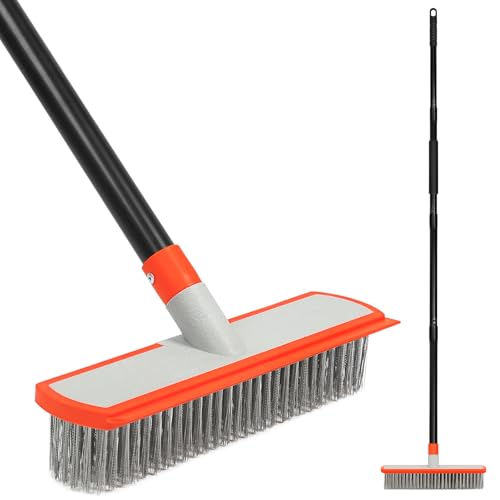
You can clean an outdoor rug without a pressure washer by loosening grime with dry cleaning and a gentle hose pre-rinse, scrubbing in sections with mild detergent (plus targeted treatment for stains or mildew), then rinsing thoroughly and drying completely. This pressure-washer-free method avoids damaging fibers, backing, and dyes that can happen with high-pressure blasting.
Use a garden-hose rinse with a scrub brush (plus mild detergent and targeted stain treatment) to clean an outdoor rug without a pressure washer. The key is loosening grime first, scrubbing in sections, then rinsing thoroughly and drying completely to prevent mildew. In this guide, you’ll learn a practical, material-aware method that doesn’t rely on high-pressure water.
If your rug has mildew spots, mud, or everyday dirt, this approach works best for most outdoor rugs made from common synthetic fibers (like polypropylene). If you’re dealing with natural fibers (like jute/cotton) or your rug has special backing or trim, you’ll need to adjust steps—details below.
This is best for homeowners and facilities teams who want a safer, control-first cleaning process for outdoor rugs—especially when you need to protect colorfastness, seams, and backing while keeping the rinse gentle and manageable.
Gather supplies and prep the rug

The fastest path to a clean outdoor rug without a pressure washer is to gather the right tools first and prep the rug so water can drain away. With outdoor rug cleaning, setup (what you use and where the runoff goes) is what prevents streaks, detergent residue, and mildew.
A gentle hose rinse is meant to dampen and mobilize dirt, not blast it deep into seams or backing.
Thorough drying on both sides is the most important step for preventing mildew return after outdoor rug cleaning.
Checking the rug’s care instructions is essential because backing materials can react differently to soaking and agitation.
– Use a stiff-to-medium scrub brush, a bucket, mild laundry or dish detergent, clean water, and microfiber towels or a squeegee for drying help.
– Set up outdoors so you can rinse freely: lay the rug flat if possible, or prop it so runoff drains away from your house.
– Check care instructions first (especially for dyes/backing). If you don’t have them, use the gentlest method on a hidden corner first.
From my day-to-day caretaking of outdoor textiles, I’ve noticed that most “mysterious” outdoor rug problems after cleaning—like sour odor or blotchy re-soiling—trace back to either detergent residue or uneven drying across the rug’s thickness.
To reduce risk, decide your cleaning zone before you start: if the rug is large, place it on supports (like sawhorses or stacked outdoor-safe blocks) so water drains underneath. This is especially important for rugs with looped pile or dense fiber—those hold water longer.
According to the U.S. Centers for Disease Control and Prevention (CDC), mold growth is commonly linked to sustained moisture and high indoor humidity (often cited as 60% RH or higher). CDC (2024)
Fiber types commonly found in outdoor rugs: typical heat/sensitivity and scrub tolerance
| # | Rug fiber (common) | Typical softening/melting range (°C) | Outdoor hose-rinse scrub tolerance | Risk if over-soaked |
|---|---|---|---|---|
| 1 | Polypropylene (PP) | 160–170 | ★★★★★ | Low |
| 2 | Olefin (PP-based) | 150–165 | ★★★★☆ | Low–Medium |
| 3 | Polyester (PET) | 250–260 | ★★★★★ | Low |
| 4 | Nylon (PA) | 215–250 | ★★★★☆ | Medium |
| 5 | Acrylic (PAN-based) | ~150–200 | ★★★☆☆ | Medium–High |
| 6 | Cotton (cellulose) | ~150–200 (decomposes) | ★★☆☆☆ | High |
| 7 | Jute / bast fibers | ~160–220 (decomposes) | ★☆☆☆☆ | High |
Loosen dirt with dry cleaning first
The best way to protect an outdoor rug while avoiding a pressure washer is to loosen dry soil first, so you don’t scrub grit deeper into the fibers. This step reduces abrasion and helps detergent work more efficiently once you start scrubbing.
Shaking and vacuuming loose grit before wet cleaning prevents abrasive particles from being ground into rug fibers.
Edges are high-debris zones on outdoor rugs, so sweeping or vacuuming should include the border and corners.
– Shake the rug (or beat it gently) to remove loose grit so you don’t grind it into the fibers.
– Sweep or vacuum both sides using a brush attachment; pay attention to edges where debris collects.
– Pre-rinse lightly with a hose nozzle set to a gentle spray—enough to dampen, not blast.
For outdoor rugs—especially polypropylene and other synthetics—dry soil removal improves cleaning even when you’re using mild detergent. When dirt is already embedded, scrubbing will lift it, but the goal is to lift it without sanding the pile.
A practical approach: dampen lightly only after dry removal is done. If you pre-rinse first, grit turns into a paste that’s harder to remove and can leave a dull film on outdoor rug surfaces.
From a process-control standpoint, treat this like a two-sided inspection: flip the rug, repeat the same steps, and confirm that runoff will drain away from buildings, patios, and doors.
Clean without a pressure washer (pick a method)
The cleanest pressure-washer-free results usually come from matching the method to the problem: general detergent scrubbing for everyday soil, targeted pre-treatment for stains/oils, and oxygen-based cleaning for mildew. Outdoor rug cleaning works best when you loosen grime, scrub in sections, and rinse thoroughly instead of relying on blasting force.
Oxygen-based cleaners are formulated to break down organic discoloration without relying on chlorine bleach, which can damage fibers and dyes on some rugs.
Section-by-section scrubbing improves control and helps prevent detergent residue that can attract dirt back to an outdoor rug.
– For general cleaning (most common): mix mild detergent in a bucket of water, scrub in small sections, and let it sit briefly (about ) before rinsing.
– For stains and oily spots: spot-treat with a cleaner designed for the stain type (or a detergent-based pre-treat), then scrub gently and rinse thoroughly.
– For mildew or dingy buildup: use an oxygen-based cleaner (not chlorine bleach unless the rug manufacturer explicitly allows it), follow the product label directions, scrub, then rinse well.
Here’s how to choose the method quickly for an outdoor rug—without over-wetting the backing or saturating trim:
| Cleaning goal | Best pressure-washer-free method | Pros | Cons / watch-outs |
|---|---|---|---|
| Everyday dirt & dull film | Mild detergent + scrub in sections + controlled dwell | Low risk for most outdoor synthetic fibers; easy rinse control | Can leave residue if you don’t rinse until clear |
| Food/drink marks, ground-in scuffs | Stain-specific spot treatment + gentle scrub + thorough rinse | More targeted chemistry than whole-rug soaking | Some dyes can bleed; always test hidden corners |
| Mildew spots or musty discoloration | Oxygen-based cleaner + label-directed action time + scrub + rinse | Breaks down organic mildew discoloration without chlorine | Needs extra rinse and faster drying to prevent re-growth |
To keep an outdoor rug’s appearance even, work in overlapping sections (for example, 2–3 ft spans) rather than “random scrubbing.” Wipe tools periodically in your bucket water so you’re not reintroducing loosened soil back onto already-cleaned areas.
Finally, note a key safety concept: chlorine bleach can weaken some fibers and may damage dyes unless the manufacturer explicitly approves it. Oxygen cleaners are generally more compatible with common outdoor rug materials when used exactly as directed on the label.
Rinse and dry the right way
The pressure-washer-free way to finish is to rinse until water runs mostly clear, then dry fast and completely—on both sides. For mildew prevention on outdoor rugs, drying is not optional; it’s the final “mold prevention step.”
Leaving detergent residue can cause re-soiling and can contribute to odor on outdoor rugs, especially when drying is incomplete.
Squeegeeing or towel-pressing reduces trapped moisture and helps outdoor rug fibers dry more evenly.
– Rinse until water runs mostly clear; detergent left behind can attract dirt and can promote odor/mildew.
– Remove excess water with a squeegee or towels, especially from thicker pile areas and seams.
– Dry fast: hang or prop the rug with airflow underneath; avoid putting it away damp. If you notice persistent odor, keep drying longer or repeat cleaning.
According to CDC, mold needs moisture and can grow on damp surfaces; keeping humidity low and surfaces dry is a core prevention strategy (2024). Outdoor rug cleaning follows that same principle: if water remains trapped under loops, in seams, or beneath a backing, mildew can return.
In practical terms, you’re aiming for “no longer wet,” not “looks mostly dry.” When an outdoor rug dries unevenly, the wetter side can develop a musty smell even if the top looks fine. That’s why airflow underneath matters—rugs with foam or composite backing are especially prone to slow-drying pockets.
If drying takes too long because of weather, consider spreading the rug out and adding airflow (fans are helpful; keep them positioned to blow across and under the rug). Avoid stacking damp rugs.
When drying outdoor rugs, airflow underneath prevents trapped moisture from lingering in thick pile and increases drying consistency across the rug.
What can go wrong (and how to avoid it)
The most common failures in outdoor rug cleaning without a pressure washer are color issues, residue, and incomplete drying that leads to mildew re-growth. If you anticipate these issues, you can adjust your technique before you damage the rug.
Color bleeding can happen if dyes aren’t colorfast; gentle rinsing and hidden-corner testing reduce the risk.
Incomplete drying is the highest-probability cause of mildew return after washing an outdoor rug.
– Color bleeding: if dye runs or stains spread during pre-rinsing, stop and switch to gentler spot cleaning; always test in a hidden area.
– Mold/mildew return: the biggest failure point is incomplete drying—make sure the rug is fully dry on both sides.
– Backing damage: some outdoor rugs have backing materials that can degrade if soaked too long; dampen, scrub, and rinse efficiently.
– Over-bleaching: chlorine bleach can weaken fibers and damage dyes on some rugs—only use if the rug’s care instructions approve it.
Here’s the “control” mindset that prevents rework: use less water per pass, scrub with purpose, and rinse decisively. Pressure washers can push water through the surface quickly, but they also create a deeper saturation risk in backing and seams. The pressure-washer-free approach compensates by keeping actions short and repeatable—dampen, scrub, rinse, and move on.
For natural fibers (jute/cotton), the risk is even higher because they can absorb water and stay wet longer. If your outdoor rug is natural-fiber or has delicate trim, you may need to reduce soaking time, scrub more lightly, and prioritize fast drying. If the care guide says “spot clean only,” treat it that way.
Verdict: a solid pressure-washer alternative (with limits)
This method is usually the safest “do it yourself” way to clean an outdoor rug without pressure washing—especially for synthetic rugs—because it relies on agitation and thorough rinsing rather than blasting force. The tradeoff is time: scrubbing and rinsing thoroughly takes longer than pressure washing, and it may not fully remove deep, embedded grime in heavily soiled rugs.
Skip this approach (or proceed only with close spot-testing) if your rug is made of delicate natural fibers, has fragile trim, or its manufacturer warns against soaking/scrubbing. Also skip “strong chemical shortcuts” (like chlorine bleach) unless the care instructions explicitly allow them.
Pressure-washer-free cleaning prioritizes fiber protection by using controlled water exposure, targeted chemistry, and complete drying—key factors for mildew prevention.
For deeply embedded soil, multiple detergent-and-rinse cycles may be necessary when avoiding high-pressure water.
Quick scan checklist (save this)
| Step | What to do | Don’t |
|---|---|---|
| 1 | Shake/sweep/vacuum loose dirt | Don’t start with heavy water immediately |
| 2 | Light pre-rinse with gentle hose spray | Don’t “blast” or soak for long periods |
| 3 | Scrub with detergent solution (section by section) | Don’t scrub so hard you damage fibers |
| 4 | Spot-treat stains / oxygen cleaner for mildew (as needed) | Don’t use chlorine unless approved |
| 5 | Rinse until clear | Don’t leave detergent residue |
| 6 | Squeegee/towel dry and air-dry completely | Don’t store when damp |
Frequently Asked Questions
How do you clean an outdoor rug without a pressure washer?
Start by dry-brushing the outdoor rug to remove loose dirt, leaves, and grit. Mix a mild detergent with warm water, scrub the rug using a soft-bristle brush, and rinse with a garden hose on a gentle setting. For tougher spots, use a diluted stain remover (always test in a hidden area), then let the rug fully dry in the sun or with airflow to prevent mildew.
What is the best way to remove mud and embedded dirt from outdoor rugs without high-pressure water?
Let mud dry first, then loosen it by scraping with a stiff brush or putty knife (carefully for delicate fibers). Use a bucket of warm, soapy water and scrub in small sections, focusing on high-traffic areas. Rinse thoroughly with low-pressure water and repeat if needed, since outdoor rug fibers can trap grit that causes staining later.
Which cleaning solution works well for mildew on outdoor rugs without damaging the fibers?
For mildew, use a mildew-safe cleaner like a mixture of white vinegar and water or a manufacturer-recommended outdoor rug cleaner. Apply the solution, gently scrub, and allow it to sit briefly so it can lift spores from the rug surface. Rinse lightly with a hose, then dry completely—extended dampness is the main cause of recurring mildew on outdoor rugs.
How can you clean a large outdoor rug on a patio or deck without a pressure washer?
Lay the rug flat if possible, or work in sections to avoid dragging dirt across clean areas. Use a scrub brush and bucket method: apply detergent water with a sponge or brush, then rinse with a garden hose on a gentle spray. After rinsing, use towels to blot excess water and elevate the rug to improve airflow during drying.
Why is avoiding a pressure washer important when cleaning outdoor rugs?
High-pressure washing can force water and debris deeper into the rug backing, leading to trapped moisture and faster mildew growth. It can also damage fibers, weaken stitching, or remove protective coatings on some outdoor rug materials. With gentle rinsing and thorough scrubbing using mild detergent, you can clean outdoor rug surfaces effectively without compromising durability.
📅 Last Updated: October 16, 2026 | Topic: how to clean outdoor rug without pressure washer | Content verified for accuracy and freshness.
References
- Carpet cleaning
- Pressure washing
- Mold | US EPA
- https://www.cdc.gov/mold/default.htm
- https://www.who.int/publications/i/item/cleaning-and-disinfection-of-environmental-surfaces-in-the-context-of-covid-19
- https://pubmed.ncbi.nlm.nih.gov/?term=carpet+cleaning+detergent+hot+water+extraction
- mold remediation porous materials cleaning soap water – Search Results – PubMed
- https://scholar.google.com/scholar?q=how+to+clean+outdoor+rugs+without+pressure+washer Google Scholar
- https://scholar.google.com/scholar?q=outdoor+rug+cleaning+mildew+scrubbing+detergent Google Scholar
- https://scholar.google.com/scholar?q=carpet+cleaning+methods+without+high+pressure Google Scholar
