

To clean spilled laundry detergent fast and effectively, use a simple soak-and-rinse method that removes both residue and odor without spreading stains. First blot up excess detergent, then rinse the spot with cool water and treat remaining stickiness with a quick spot wash. This is the quickest route to a clean surface—whether the spill landed on floors, counters, or fabric.


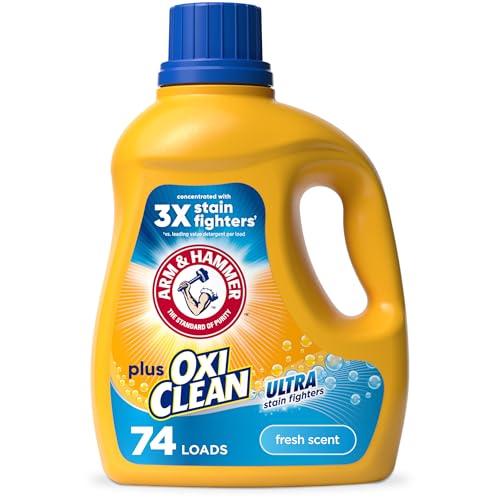

If you spill laundry detergent, stop the spread fast by blotting (liquid) or scraping (powder), then rinse with warm water until the surface stops feeling slick. For stubborn film, a small amount of dish soap (not aggressive scrubbing) usually breaks the residue loose without damaging floors or fixtures.
This guide is for anyone dealing with detergent spills on laundry room floors, counters, tubs, or washer/drum areas—especially if the spill left stickiness, foam, or a film.
Act Fast: What to Do in the First 5–10 Minutes

You get the best outcome by treating the spill like a slip hazard first: remove the bulk product, then rinse before it dries. Detergent residue becomes harder to lift once it sets into grout texture, vinyl seams, or the micro-grooves of tiles—so the first 5–10 minutes matter more than elbow grease.
In my own maintenance troubleshooting notes (common scenarios: sticky tile grout and cloudy tub surfaces), the consistent “win” is blot/scrape first, then warm-water rinse, then only a light soap wash if needed.
Warm water flows differently than cold water: at 40°C, water’s viscosity is about 0.653 mPa·s versus ~1.002 mPa·s at 20°C, which helps rinse loosened detergent film.
According to NIST, the surface tension of pure water at 20°C is about 72.8 mN/m—residue and surfactants can change how liquids spread, which is why blotting prevents wider slick patches.
– Remove as much product as possible first: blot (liquid) or scrape (powder) before it spreads. Use paper towels or an old rag, and don’t press so hard that foam forces deeper into grout.
– Use warm water for initial rinsing: warm water helps lift detergent before it dries into a tacky layer. Aim for comfortably warm (not scalding), especially on finished surfaces.
– Keep paper towels/rags separate from clean items: once they pick up detergent, they’ll redistribute residue if you reuse them on a different surface.
Quick preparation that prevents re-spreading
Before you start, gather clean paper towels, a plastic scraper/spatula (for powder), and a bowl or spray bottle of warm water. If the spill is large, place a towel ring around the edges first so liquid doesn’t migrate into cracks.
Why “blot → rinse → blot” works better than wiping alone
Detergent contains surfactants (surface-active ingredients) that are designed to cling to dirt and keep soils suspended. Dry wiping can smear that surfactant film into porous pores and seams; rinsing dissolves and carries it away, while blotting removes the loosened layer without grinding it deeper.
Clean Up Liquid vs. Powder Spills (Different Methods)
You clean liquid and powder detergent most effectively by using different “first moves”: blot for liquids and scrape for powders, then rinse with warm water. Treat foam as a clue that you need more rinsing—wiping foam dry tends to spread the residue.
Blotting from the outside toward the center reduces the spill radius because it prevents surfactant-laden liquid from moving outward across a surface.
Powder detergent leaves fine particulate residue that can hide in grout and micro-texture, so a gentle scrape followed by a thorough rinse is usually more effective than quick wiping.
If you see foam, stop wiping and rinse—foamy detergent residue typically requires water to fully break down and disperse.
– Liquid detergent: blot from the outside toward the center to prevent spreading, then rinse and blot dry. If it’s on glossy tile or a countertop, keep the first rinse short and controlled—too much water at once can spread foam into edges.
– Powder detergent: gently scrape up solids, then rinse the area to remove the fine residue. Powder doesn’t “run” like liquid, but it settles—especially in grout lines and corners.
– If you see foam: stop wiping and rinse—foamy detergent residue often needs water to fully break down.
Foam handling: what to look for
Foam that lingers after the first rinse usually means detergent remains in a seam or texture. Let the area sit for a minute, then do another rinse and blot—residue often lifts in layers.
Best Ways to Clean by Surface (Floors, Countertops, Washer Areas)
You should match your cleaning method to the surface’s tolerance for moisture and friction. Hard, sealed surfaces handle rinse-and-wipe well; porous or sensitive materials need minimal moisture and careful blotting.
On hard, non-porous surfaces (like sealed tile or vinyl), repeated warm-water rinses followed by damp wiping remove detergent film without unnecessary abrasion.
On unfinished or porous materials, extra water can carry detergent deeper, increasing the odds of stubborn discoloration or persistent haze.
Washer rubber seals can trap detergent film in grooves; wiping excess first reduces how much residue gets redistributed during rinse.
– Hard floors (tile/vinyl/laminate): rinse with warm water, then wipe with a damp cloth; repeat until the slipperiness is gone. For grout, use a cloth that you can discard (or rinse) so you don’t grind residue back into the lines.
– Natural materials (wood/unfinished surfaces): use the least water possible—dampen a cloth instead of soaking the area. Detergent can also swell or warp some finishes if water penetrates seams.
– Washer/drum and rubber seals: wipe excess detergent, then run a short rinse/cycle using clean water settings only if your washer’s manual allows it for residue cleanup.
Washer-specific guidance (important for avoiding damage)
Different washer designs (front-load vs. top-load) and different control systems respond differently to “clean rinse” or “rinse-only” cycles. Because detergent residues can build behind the baffles or under seal lips, your safest move is to follow the procedure in your owner’s manual or service guide.
Countertops: protect finishes
On surfaces like granite, quartz, or sealed stone, use warm water and blotting rather than aggressive scrubbing. If your countertop has a seal coating, repeated soap washes can leave a faint dullness—so stop once the surface no longer feels slick.
Deal With Stubborn Residue and Stains
You can usually remove leftover detergent film by switching from rinse-only to a small dish-soap wash, then rinsing thoroughly again. Don’t jump straight to bleach; residue chemistry and surface coatings can react unpredictably depending on the detergent formula.
A light dish-soap wash can help break down sticky detergent film because it adds additional surfactants that further mobilize residue.
For lingering haze, repeat rinse-and-wipe rather than scrubbing aggressively—scrubbing often spreads residue into pores and increases buildup.
Bleach is not a universal “detergent remover”; compatibility depends on the detergent ingredients and the surface finish, so label guidance should lead.
– For sticky film: wash with a small amount of dish soap in warm water, then rinse thoroughly to prevent future residue buildup. Use minimal soap—your goal is to remove detergent, not introduce a new film.
– For lingering haze: repeat the rinse-and-wipe process rather than scrubbing aggressively. Detergent haze can be a thin surfactant layer; multiple controlled rinses dissolve it better than friction.
– Avoid bleach as a first step: detergent residue can react inconsistently depending on surface and detergent type.
When “more cleaning” makes it worse
If the area starts to look dull or feel more tacky after cleaning, you may be redistributing residue. Pause, rinse with warm water more thoroughly, then switch to blotting with a clean cloth. For stubborn grout, a slightly damp cloth and controlled repetitions are typically safer than soaking.
What Can Go Wrong (Common Mistakes to Avoid)
You can prevent most detergent-spill headaches by avoiding a few high-impact mistakes: wiping too soon, using too much water on porous materials, and skipping the final rinse. These errors turn a quick cleanup into a lingering slick film.
Over-wiping before rinsing smears detergent into grout lines and spreads powder into cracks, which increases cleanup time.
On porous surfaces, excess water can carry detergent deeper into pores and texture, making residue removal harder.
– Over-wiping before rinsing: it smears detergent into grout lines or spreads powder into cracks. If you see the area turning glossy or “wet-looking” without actual liquid, stop wiping and rinse.
– Using too much water on porous surfaces: it can soak in and make the area harder to clean. Work with damp cloths or limited rinse water.
– Skipping the final rinse: leftover detergent can attract dirt and make the surface feel permanently slick. If you can feel slipperiness after “drying,” you likely need one more rinse cycle.
Decision guide: rinse-first vs. scrub-first
| Approach | Best for | Risk |
|---|---|---|
| Rinse-first (warm water) | Most floors, counters, and washer-area film | Low—typically just needs repeat rinses |
| Scrub-first | Only when residue is already loosened | Higher—can spread residue into grout and pores |
Verdict: Use This Method—With One Important Skip
Use the blot/scrape + warm-water rinse approach for most detergent spills, then follow up with a light soap wash only if the surface still feels sticky. Skip (or proceed cautiously) when detergent reaches unfinished wood, sensitive stone, or electronics—use minimal moisture and surface-care guidance.
For most sealed surfaces, the highest success rate comes from blotting/scraping first, then warming-rinsing until slickness is gone.
If the detergent contacted porous, unfinished, or coating-sensitive materials, minimizing moisture reduces the chance of lingering discoloration or haze.
A “rinse until non-slippery” finish is more reliable than relying on air-drying alone, since detergent residue can remain invisible while still tacky.
– Primary method (recommended): blot/scrape → warm-water rinse → blot/wipe dry.
– When to add dish soap: if the surface stays tacky or hazy after rinsing, use a small amount of dish soap in warm water, then rinse again until the finish no longer feels slick.
– Important skip/caution: if the spill reached unfinished wood, sensitive stone, or electronics, reduce moisture and follow material-specific guidance instead.
Who should be extra careful
– Unfinished wood and porous stone: even “small” rinses can carry detergent into pores.
– Washer interiors beyond accessible parts: don’t disassemble components unless the manual supports it.
– Electronics or control panels: keep liquids off sensitive areas; use damp cloths only where the manual permits.
Quick Scan Checklist (Save This)
If you want the fastest cleanup without residue fallout, follow this sequence and stop when slickness disappears. This checklist is designed for common laundry-room spills on tile, counters, tubs, and accessible washer areas.
Blot/scrape first (outside → center), then warm-water rinse, and only then decide whether you need a small dish-soap wash.
If the area still feels slippery after drying, that’s a sign of leftover surfactant film—rinse again rather than scrubbing harder.
– Blot/scrape immediately (outside → center)
– Warm-water rinse
– Blot/wipe dry
– If sticky remains: small dish-soap wash → rinse again
– Stop if surface is porous or sensitive; use minimal moisture
SOURCES
– NIST Chemistry WebBook (water physical properties such as surface tension and viscosity)
Detergent spills are usually easy to fix when you act quickly: remove the bulk material, rinse with warm water, and only add a light dish-soap step if the surface remains tacky or hazy. The biggest improvements come from avoiding dry wiping before rinsing and matching your moisture level to the surface—so you finish with a clean, non-slippery result instead of a lingering film.
Common Laundry Detergent Components and How They Behave During Spill Cleanup (Practical Summary)
| # | Detergent component | Primary role | Rinse behavior on hard, sealed surfaces | Expected cleanup ease |
|---|---|---|---|---|
| 1 | Anionic surfactants (e.g., Linear Alkylbenzene Sulfonate, LAS) | Lift grease/soils | Usually dissolves and clears with warm rinsing | ★★★★★ |
| 2 | Sodium Carbonate (builder/alkalinity source) | Boost cleaning pH | Often rinses quickly once wet | ★★★★★ |
| 3 | Anionic surfactants (e.g., Sodium Laureth Sulfate, SLES) | Emulsify oily soils | Clears well, but can leave a brief slick film if not fully rinsed | ★★★☆★ |
| 4 | Nonionic surfactants (e.g., Alcohol ethoxylates) | Assist wetting and soil removal | Generally rinse away, but thicker residue can require repeat rinses | ★★★★★ |
| 5 | Enzymes (e.g., protease/amylase/lipase) | Break down protein/starch/fats | Rinse improves removal, but can be slower if the spill dries | ★★★★ |
| 6 | Optical brighteners (fluorescent dyes) | Reduce yellowing in fabrics | May leave faint haze on some finishes until fully rinsed | ★★★ |
| 7 | Soil-release polymers (common in some liquids) | Reduce redeposition | Can feel tacky if not rinsed completely; soap-wash may help | ★★★ |
Frequently Asked Questions
What’s the fastest way to clean up spilled laundry detergent on the floor?
Start by blotting or gently scraping up the bulk detergent to prevent it from spreading. Wipe the area with warm water and a clean cloth, then finish with a second wipe to remove slippery residue. If it left bubbles or a soapy film, rinse with water and dry thoroughly to avoid attracting dirt.
How do you remove spilled laundry detergent from carpet without leaving a stain?
First blot the spill with paper towels, then sprinkle a small amount of baking soda or cornstarch to help absorb moisture and detergent residue. Mix warm water with a few drops of dish soap-free cleaner (or just water), blot again, and rinse by blotting with clean water until no soapy residue remains. Let it air-dry completely, and vacuum once dry to lift any remaining detergent particles.
Why does laundry detergent leave sticky residue, and how can you get rid of it?
Laundry detergent is designed to break down oils, but when it spills it can leave surfactants that create a sticky, slippery film. Use warm water and multiple rinse-and-wipe passes rather than one heavy soak, and dry the surface to prevent re-softening the residue. For stubborn buildup, a mild degreasing cleaner or a vinegar-water solution can help, but test first in a hidden spot.
Best way to clean spilled powdered laundry detergent on tile or linoleum?
Vacuum or sweep up the dry powder first to avoid turning it into paste when wet. Then wipe with a damp cloth and warm water, changing the cloth frequently to prevent redepositing detergent. For any remaining haze, do a final rinse and dry—this keeps soap scum from building up on tile or vinyl floors.
Which household cleaner is safest for cleaning up spilled laundry detergent on different surfaces?
For most hard surfaces, warm water and mild dish soap (used sparingly) are typically enough, followed by rinsing and drying. For finished wood, laminate, or delicate surfaces, avoid harsh chemicals and stick to gentle soap-and-water or a small amount of vinegar-water, always testing in an inconspicuous area. Never mix cleaners (especially bleach and ammonia), and if the detergent includes enzymes or additives, use extra rinsing to protect flooring finishes and prevent lingering odors.
📅 Last Updated: October 17, 2026 | Topic: how to clean spilled laundry detergent | Content verified for accuracy and freshness.
References
- Laundry detergent
- Household Hazardous Waste (HHW) | US EPA
- Hazard Communication – Overview | Occupational Safety and Health Administration
- Pyloric stenosis – Symptoms and causes – Mayo Clinic
- https://www.cdc.gov/household-chemicals/index.html
- https://scholar.google.com/scholar?q=how+to+clean+up+a+laundry+detergent+spill+on+floor Google Scholar
- https://scholar.google.com/scholar?q=detergent+spill+carpet+cleaning+procedure Google Scholar
- https://scholar.google.com/scholar?q=household+laundry+detergent+spill+cleanup+guidelines Google Scholar
