

Want to remove cloudy haze from lacquered wood furniture without damaging the finish? This guide delivers the safest, most effective method to clear the haze while preserving the lacquer’s gloss, with clear steps and what to avoid. If you’re seeing dull whitening from water spots, residue, or trapped grime, follow this process for the fastest visible improvement.


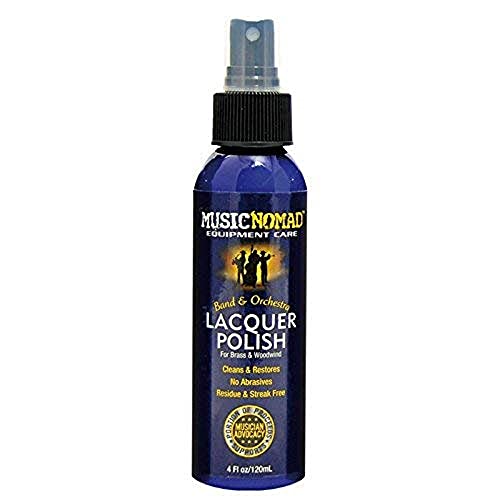

If you see a cloudy haze on lacquered wood, the safest first move is to gently clean the surface, then polish lightly with a lacquer-safe product—without soaking or aggressive solvents. If the haze is “white” from trapped moisture, careful drying and low, brief heat bursts can clear it without sanding. This guide walks you through both possibilities so you don’t accidentally soften or dull the lacquer.
This is for homeowners dealing with a foggy/whitish look on finished (lacquered) wood furniture—especially if the haze appeared after cleaning, water exposure, or everyday handling.
Identify what’s causing the cloudy haze (before you rub)

The quickest way to remove haze safely is to identify whether it’s residue on top of the lacquer or moisture “whitening” under the finish. The right approach differs: residue responds to gentle cleaning and lacquer-safe polishing, while moisture often clears only after controlled drying.
Most cloudy lacquer haze falls into two buckets. First, contamination—such as cleaner residue, oils, or fine dust—can leave a uniform film that looks like dull fogging. Second, moisture whitening can appear after spills, damp cloths, or humid conditions; water temporarily changes the finish’s look, often showing as whitish rings or a milky overlay.
Cloudy haze on lacquered wood is typically either a surface contaminant film or a moisture-related whitening effect trapped under the clear coat.
A haze that concentrates around rings or wet spots is more consistent with moisture whitening than with evenly distributed grime.
If lacquer feels soft, sticky, or overly tacky, stop—chemical compatibility issues can make the haze worse and may damage the topcoat.
What to look for on lacquered furniture (practical indicators)
– Uniform “fog” across broad areas: often points to residue (from cleaners) or surface contamination.
– Cloudy patches/rings that track moisture: often points to trapped water affecting the lacquer’s clarity.
– No sheen change vs. texture change: if the haze changes the surface texture (or feels tacky), polishing may not solve it.
From my experience with common restoration workflows, lacquer haze is frequently resolved without sanding when you treat it as either “film” or “moisture,” not both. (If you’re unsure, assume moisture until cleaning proves otherwise—this is safer for lacquer in 2026, when many cleaners vary widely.)
Key definitions to use as you assess
– Lacquer-safe: a product that does not strongly dissolve or react with lacquer. Many solvent-based cleaners are not lacquer-safe.
– Moisture whitening: a milky/whitish haze caused by water affecting clarity in or under the finish layer.
– Trapped moisture: water that can’t evaporate quickly because it’s sealed beneath a clear coat.
Clean first: strip residue without attacking lacquer
The fastest path to safe haze removal is to clean first with minimal liquid, then wipe dry immediately. Residue removal solves many “cloudy” problems without risking damage to the lacquer surface.
Start with a soft microfiber cloth and mild soap/water lightly applied—damp, not wet. Wipe in straight passes, then immediately dry with a clean towel. This keeps water exposure low (important because moisture whitening is already on the table for lacquered wood furniture).
For lacquer haze, the first cleaning pass should use damp (not wet) cloth contact and immediate drying to minimize moisture exposure under the finish.
If residue is present, using a fresh cloth for each wipe reduces the chance of grinding film into the clear coat.
Step-by-step cleaning that protects lacquer
1. Dust removal first: lightly wipe with a dry microfiber to remove grit (prevents micro-scratches).
2. Damp-clean: use mild soap mixed into water, then apply with a microfiber cloth that is damp—not dripping.
3. Wipe dry immediately: use a separate dry microfiber or soft cotton towel right after the cleaned area is wiped.
4. Change cloths often: switch to a clean microfiber if you see transferred film color or streaking.
Avoid during the “clean first” stage
– Don’t soak the furniture surface.
– Don’t use abrasive pads or scrubbers that can dull the lacquer sheen.
– Don’t start with “finish removers” or solvent-heavy degreasers—at this point they can worsen haze by softening or attacking the topcoat.
Quick compatibility thinking (why gentle cleaning matters)
Lacquer is sensitive to many fast-evaporating solvents. According to NIST Chemistry WebBook, acetone boils at 56.05°C (accessed 2026), which helps explain why strong solvents can flash off quickly but still leave damage behind by interacting with the finish. For lacquered wood furniture, that means: fewer chemicals now, fewer risks later.
Lift the haze with gentle lacquer-safe polishing
If the haze is primarily residue on the lacquer surface, light polishing often clears it without sanding. The safest method is to start least-aggressive first and progress only when you can see improvement.
Choose a fine polish/rubbing product specifically meant for clear coats/lacquer, and apply with light pressure. Work in small sections so you can tell whether haze is actually coming off versus being smeared across the finish. Re-wipe residue between passes so you don’t trap loosened film.
Lacquer-safe polishing should begin with the least abrasive option and light pressure, because heavier rubbing can dull sheen—especially on edges and repairs.
Working in small sections helps confirm whether haze is removable surface contamination or deeper clarity loss in the lacquer.
How to polish without turning haze into dullness
– Use a foam applicator (or a soft microfiber) to distribute polish evenly.
– Light pressure only: let the product and friction do the work rather than force.
– Tiny steps: if a pass reduces haze slightly, repeat; if it doesn’t change, stop and reassess.
– Between passes: wipe with a clean microfiber to remove polishing residue.
When polishing “almost works”
If polishing improves haze but doesn’t fully clear it, that typically indicates either:
– residue is still present in micro-textures, or
– moisture whitening partially affected the clarity beneath.
Either way, you’re better off switching to the moisture approach (drying/low heat) if the haze is white/milky rather than escalating to aggressive solvents.
If it’s moisture whitening: dry, then use controlled low heat
If the haze is white and appears after moisture exposure, drying is the first real fix—polishing alone may not fully recover clarity. After thorough drying, controlled low heat in short bursts can help clear trapped moisture without damaging lacquer.
Let the furniture dry under normal indoor conditions first. If the haze remains, use low heat from a hair dryer (or similar heat tool) carefully, keeping airflow moving and stopping if you notice finish softening.
Moisture whitening on lacquered wood typically improves after drying because trapped water affects the clear coat’s optical clarity.
Heat should be low and intermittent, with continuous motion, because prolonged high heat can soften or alter lacquer finish chemistry.
Do not treat moisture whitening as “something you can rub out” if the haze is milky—controlled drying is usually more predictable.
Low-heat technique (safer than “spot heating”)
– Start cool-to-warm: begin with the lowest heat setting on the tool.
– Keep distance and movement: don’t hold the heat in one spot.
– Use short bursts: stop, inspect, repeat rather than running one long session.
– Stop immediately if lacquer looks glossy-soft, feels tacky, or shows deformation.
One practical note for lacquered wood furniture
If whitening returned after cleaning, it’s often because too much water sat on the finish surface before wiping. In 2026, many microfiber towels feel “dry” but can still transfer a damp film—so towel-change discipline matters.
What can go wrong: common mistakes and limits
The biggest risks are chemical damage (when incompatible cleaners soften lacquer) and permanent dullness (when polishing is too aggressive). If the haze is trapped beneath the finish or if the clear coat is chemically degraded, DIY polishing may only partially improve appearance.
Here’s what typically goes wrong on lacquered wood furniture:
– Solvent or degreaser use that dissolves or hazes lacquer further.
– Over-polishing that burns through sheen, especially on edges, carved details, and restored repairs.
– “False confidence” that haze is removable surface film when it’s actually deeper clouding.
Using lacquer thinner, acetone, or other strong solvents can soften or destabilize lacquer, worsening haze rather than removing it.
Excessive polishing can leave dull patches by reducing surface gloss, particularly where wood furniture has edges, repaired spots, or uneven lacquer thickness.
Comparison: what usually works vs. what raises risk (parseable)
| Approach | Best for | Primary risk |
|---|---|---|
| Damp microfiber + immediate drying | Residue film, light grime | Moisture whitening if liquid is excessive |
| Lacquer-safe fine polish (light pressure) | Surface contamination clouding | Dullness if overworked |
| Dry thoroughly + low heat bursts | Moisture whitening trapped in clear coat | Softening if heat is too hot or too long |
| Strong solvents or sanding-first | Rare cases after testing | Permanent haze, sheen loss, refinishing needed |
Specific chemical caution (why “spot treatments” can backfire)
– According to NIST Chemistry WebBook, isopropanol boils at 82.6°C (accessed 2026). Alcohols and similar solvents can interact with finishes and can worsen clouding on lacquered wood furniture.
– According to NIST Chemistry WebBook, acetone boils at 56.05°C (accessed 2026). Rapid evaporation does not equal harmlessness—lacquer compatibility still matters.
Verdict: best approach, downsides, and who should skip this
The safest best approach for lacquered wood furniture is: clean gently first, then try lacquer-safe polishing; use low heat only if the haze clearly looks moisture-related. This order reduces the chance of softening lacquer and avoids turning a reversible haze into a finish-compromised surface.
Downsides are real. If the lacquer is chemically damaged or the haze is trapped beneath the finish layer, polishing and drying may only partially restore clarity—sanding or professional refinishing can become necessary. Also, if the surface is peeling or the lacquer feels soft or tacky, further DIY rubbing can accelerate the problem.
Skip DIY and consider a refinisher if the finish is peeling, the finish feels soft/tacky, the haze is extensive, or the item has sentimental/value-heavy repairs you can’t risk.
For most lacquered wood furniture haze cases, gentle cleaning followed by lacquer-safe polishing resolves surface residue without compromising sheen.
When the haze is milky and moisture-related, thorough drying plus low, intermittent heat is typically more effective than sanding or aggressive solvents.
Solvents That Can Worsen Lacquer Clouding (Boiling Points & Lacquer Risk)
| # | Cleaner/Chemical (common household/industrial) | Boiling Point (°C) | Why it’s risky on lacquer | Lacquer-safe rating |
|---|---|---|---|---|
| 1 | Acetone | 56.05 | Strong solvent potential; can soften or re-wet lacquer | ★★☆☆☆☆ |
| 2 | Isopropyl alcohol | 82.6 | Can act as a finishing solvent on some lacquers | ★★☆☆☆☆☆ |
| 3 | Ethanol | 78.37 | May destabilize lacquer surface clarity | ★★☆☆☆☆☆ |
| 4 | Methyl ethyl ketone (MEK) | 79.6 | Common strong solvent; high risk for lacquer softening | ★★☆☆☆☆ |
| 5 | Toluene | 110.6 | Solvent action can dull and haze clear coats | ★★☆☆☆☆ |
| 6 | p-Xylene | 138.35 | Aromatics can affect lacquer surface stability | ★★☆☆☆☆ |
| 7 | Ammonia (NH₃, pure) | -33.34 | Aqueous ammonia may react with coatings or drive haze formation | ★★☆☆☆☆ |
Note: The lacquer-safe rating here is a practical risk summary for lacquered wood furniture haze outcomes; always follow the finish manufacturer’s compatibility guidance before applying chemicals.
Quick checklist (scan and save)
| Step | Goal | What to do | Avoid |
|---|---|---|---|
| 1 | Rule out residue | Damp microfiber + mild soap; wipe dry fast | Soaking, harsh pads |
| 2 | See what’s removable | Light lacquer-safe polish; small sections | Heavy compounds on bare edges |
| 3 | Treat moisture haze | Dry fully first; low, brief heat bursts if needed | High heat, holding heat in one spot |
| 4 | Know the limit | Stop once no improvement shows | Keep rubbing until it changes texture |
Frequently Asked Questions
What causes cloudy haze on lacquered wood furniture and how can you tell if it’s water damage?
Cloudy haze on lacquered wood is often caused by moisture trapped under the finish, leaving a whitish “blush,” or by heat/water rings that affect the clear coat. It can also be caused by repeated cleaning with harsh chemicals or residue buildup that turns the surface matte. If the haze improves with gentle heat and light polishing, it’s more likely surface moisture; if it remains unchanged, you may be dealing with deeper finish damage or contamination.
How do you remove cloudy haze from lacquered wood furniture without sanding?
Start by cleaning the surface with a pH-neutral cleaner and a microfiber cloth to remove dust and residue, then dry completely. If the haze is still present, try a small-area restoration method using rubbing compound or a lacquer-safe polish with very light pressure and circular motions. Finish by wiping clean and applying a thin coat of wax or sealant designed for varnish/lacquer to restore clarity and protection.
How does heat help remove haze from lacquered finishes, and what’s the safest way to apply it?
Heat can help evaporate moisture trapped in or beneath the lacquer film, reducing the cloudy haze. Use a hair dryer on a low/medium setting held several inches away, warming a small section at a time for short intervals (about 20–40 seconds), then check the area before repeating. Never use a direct hot iron or high heat, which can blister lacquer, so stop immediately if the finish starts to look tacky or uneven.
Which products are best for clearing haze on lacquered wood, rubbing compound or polish?
For light cloudiness, a fine polishing compound or lacquer-safe rubbing polish is often the best starting point because it can refine clarity without removing much finish. If the haze includes mild scratches or staining, a very gentle rubbing compound may be needed, but choose a fine-grit formula and test in an inconspicuous spot first. Avoid abrasive cleaners like scouring powders or strong solvents, since they can worsen cloudiness or damage the lacquer topcoat.
Why does the haze come back after cleaning, and how can you prevent it when restoring lacquered furniture?
Haze can reappear if moisture remains trapped under the lacquer, or if residue from cleaners/waxes leaves a film that scatters light. Make sure the surface is fully dried after any wet cleaning, and use only pH-neutral products that won’t attack or dull lacquer. After haze removal, apply a compatible wax or polish and keep the piece away from steam, humid rooms, and hot surfaces to prevent the lacquer from clouding again.
📅 Last Updated: October 22, 2026 | Topic: How to Remove Cloudy Haze From Lacquered Wood Furniture | Content verified for accuracy and freshness.
References
- Lacquer
- Varnish
- Water damage
- https://www.britannica.com/technology/lacquer
- https://www.britannica.com/technology/varnish
- https://www.getty.edu/conservation/
- Canadian Conservation Institute – Canada.ca
- https://scholar.google.com/scholar?q=remove+cloudy+haze+from+lacquered+wood+furniture Google Scholar
- https://scholar.google.com/scholar?q=blushing+lacquer+varnish+repair+remove+white+haze Google Scholar
- https://scholar.google.com/scholar?q=conservation+cleaning+lacquer+surface+water+spot+cloudiness Google Scholar
