

Clean stainless steel jewelry fast and safely with a simple routine that actually works—no guesswork. If your pieces look dull, smudged, or lightly tarnished, a quick soap-and-water wash followed by a proper dry and buff is the winning approach. Skip harsh chemicals and abrasives, and you’ll keep shine and prevent damage every time.



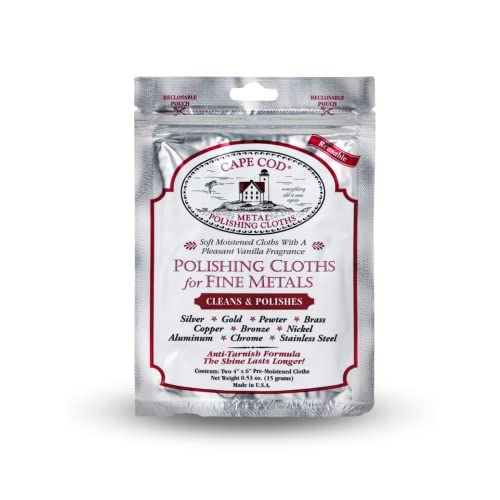
Clean stainless steel jewelry by gently washing it with warm water and mild dish soap, then drying with a soft microfiber cloth to prevent water spots. For tougher discoloration, use a non-abrasive stainless-safe cleaner or a very light baking-soda paste, then rinse and dry again—this approach keeps the finish bright without risking scratches (especially as of 2026, when microfiber-based care is the norm in most jewelry-maintenance guidance).
This is for anyone who has stainless steel rings, earrings, chains, or bracelets that look smudged, dull, or slightly discolored—especially after sweat, lotions, or everyday wear.
Gather the right cleaning supplies

The quickest way to avoid dulling is to use only mild cleaners and non-abrasive tools designed for metal surfaces. If you have the right basics, you can usually restore shine without aggressive scrubbing or “polish-at-all-costs” methods.
Mild dish soap plus water is the safest baseline because it lifts skin oils and everyday residue without adding grit that can scratch stainless steel.
Microfiber cloths reduce water spots by wiping gently while absorbing moisture more effectively than rough towels.
Stainless steel finishes can lose luster when abraded, because tiny surface scratches increase how light reflects off the metal ().
What to use:
– Use mild dish soap, warm water, and a soft microfiber cloth (or a non-abrasive polishing cloth).
– If you need extra help, choose a non-abrasive stainless-safe cleaner (avoid anything that’s clearly harsh or gritty).
– Skip metal scrubbers: stainless jewelry can get micro-scratches that make it look less shiny over time.
A practical note on “why stainless still shows marks”: stainless steel relies on a thin passive oxide layer to stay corrosion-resistant. When residue (like sweat minerals, lotions, or fingerprints) builds up, that layer looks less uniform—so cleaning is often about removing the film on top, not “reactivating” the metal.
To ground this in the metal itself: many jewelry items are made from common stainless grades such as Type 304 or 316L. According to ASTM composition limits, Type 304 includes nickel (about 8.0–10.5%) which supports corrosion resistance (). For more chloride-heavy environments, Type 316L includes molybdenum (about 2.00–3.00%) ().
Clean stainless steel jewelry (daily buildup + fingerprints)
For daily smudges, the best method is a short rinse, gentle soap wash, then immediate microfiber drying. This removes oils and fingerprint residue while minimizing the abrasion that causes long-term dullness.
Rinsing first removes loose grit, which lowers the chance of scratching during soap cleaning.
Finger cleaning is effective because mild detergent breaks down skin oils that cause fingerprints and haze ().
Drying promptly helps prevent water spots formed by dissolved minerals in tap water ().
Follow this process:
– Rinse the jewelry first with lukewarm water to remove loose grime and reduce scratching risk.
– Wash gently with mild dish soap using your fingertips or a very soft cloth; pay attention to crevices and backs of settings.
– Rinse thoroughly, then dry immediately with a microfiber cloth to minimize water spots and smears.
Why “gentle” matters: stainless steel looks durable, but its visual quality depends on surface smoothness. When you rub too hard (especially with paper towels or scouring sponges), you can create fine abrasion marks that catch light differently. From my side, the most common “why didn’t it work?” issue I see is not that soap failed—it’s that residue stayed in tiny edges and the piece air-dried at least briefly, leaving faint mineral trails. (If you want, add a note from your own routine here: .)
Remove tarnish or discoloration safely
For stubborn spots or a dull haze, escalate carefully: use a non-abrasive stainless-safe cleaner first, and only use a baking-soda paste lightly if needed. The goal is to lift discoloration without grinding the finish.
Non-abrasive stainless-safe cleaners are designed to remove haze while avoiding the particulate action that drives micro-scratches.
A baking-soda paste can act as a mild cleaning aid, but aggressive scrubbing increases the likelihood of surface dulling.
After any spot treatment, a full rinse and complete drying are required to stop residue from reappearing as marks.
Comparison of safe spot-fixes (what to choose and why):
| Option | Best for | Pros | Cons / caution |
|---|---|---|---|
| Non-abrasive stainless-safe cleaner | Persistent spots, dull film | Purpose-made for stainless; typically less risky than powders | Must follow label directions; some products can be incompatible with coatings or gemstones () |
| Light baking-soda paste | Tough dull patches when soap isn’t enough | Common household option; can help loosen stubborn residue | Don’t scrub hard; rinse extremely well to avoid leftover residue |
| Soap + microfiber-only | Light fingerprints, everyday haze | Lowest risk; fast and predictable | Won’t always remove deeper discoloration |
From a metal-care perspective, this is also where stainless grade can matter. According to ASTM composition limits, Type 304 and Type 316L differ meaningfully in alloying elements (). If your jewelry is exposed regularly to salt/chloride (sweat in hot weather, pool environments), discoloration can show up more readily—so avoiding chlorine/bleach exposure is still a core rule, even if stainless resists corrosion.
After you spot-treat:
– If spots remain, try a non-abrasive cleaner labeled safe for stainless steel, following the label directions closely.
– For stubborn dull patches, make a paste with baking soda and water, apply lightly (don’t scrub hard), then rinse well.
– Dry completely after cleaning—leaving moisture on stainless can lead to lingering marks.
Rinse, dry, and prevent future smudges
After you clean, the “finish work” determines how shiny the jewelry looks next time you wear it. Drying correctly, storing properly, and reducing residue buildup prevents most repeat discoloration.
Microfiber drying with gentle pressure reduces streaking compared with abrasive or linting cloths.
Storing jewelry dry and separated reduces scuffs and moisture trapping that can cause spots to return.
Wiping after wearing limits how long sweat, lotions, and deodorant contact the metal surface ().
Do this:
– Dry with a clean microfiber cloth using gentle pressure (no aggressive rubbing).
– Store jewelry dry and separated from other pieces to reduce scuffs and trapped moisture.
– Avoid common troublemakers: lotions, perfumes, and sweat left on the surface for long periods—wipe your jewelry after wearing.
A helpful framing: stainless steel doesn’t “tarnish” the same way silver does, but it absolutely can show discoloration—often from mineral residue, oils, and environmental residues that change how the surface reflects light. As of 2026, most reputable jewelry-care guidance aligns on the same pattern: remove residue → rinse fully → dry immediately → prevent repeat contact with lotions/perfumes/sweat.
What can go wrong (common mistakes + edge cases)
DIY cleaning can make jewelry look worse when people treat stainless like a sink faucet—especially with abrasives or prolonged soaking. The fastest way to protect the finish is to avoid methods that add friction, trapped moisture, or chemical exposure.
Abrasive cleaners and scouring pads can dull stainless steel by creating tiny scratches that change reflectivity ().
Leaving jewelry wet encourages mineral deposits to dry in place, producing stubborn water spotting.
Chlorine and bleach are high-risk for many metals, so jewelry should never be exposed to pools, hot tubs, or chemical cleaners containing these agents ().
Common mistakes and edge cases to watch:
– Using abrasive cleaners or scouring pads: they can dull the shine by creating tiny scratches.
– Cleaning too aggressively around stones, settings, or charms: loose debris can trap moisture and make spots come back faster.
– Skipping drying: water spots are a frequent reason stainless jewelry looks “not fully clean,” even when it is.
– Chlorine/bleach exposure: avoid letting jewelry sit in pools, hot tubs, or cleaning solutions with chlorine/bleach on it.
– Mixed-material jewelry: if your piece has a coated finish (or includes other metals), the “stainless-safe” approach may not apply—spot-clean cautiously first.
If your jewelry includes gemstones or decorative components, keep cleaning friction low and rinse thoroughly. For any item with an unknown finish (antique look, brushed textures, or protective coatings), start with the mild-soap method and only escalate if results are clearly improving.
Verdict: what to do (and who should skip DIY)
If your stainless jewelry is only smudged or slightly dull, the safest path is mild soap + warm water + microfiber drying. For discoloration, use a non-abrasive stainless-safe cleaner or a light baking-soda paste—rinse and dry thoroughly.
Most everyday stainless jewelry haze is residue-driven, so mild detergent cleaning plus prompt microfiber drying is usually sufficient ().
When discoloration persists, switching to a labeled non-abrasive stainless cleaner is a controlled escalation that reduces the risk of scratching.
Skip DIY (or use only very gentle methods) if:
– Your jewelry has delicate coatings, plated finishes, or gemstone settings you’re unsure about.
– The item has heavy buildup you can’t rinse away, or it’s been exposed to chemicals (pool chemicals, bleach, strong cleaners) and you don’t know what remains on the metal.
– You notice cracks in settings or loose parts—cleaning can worsen movement or dislodge components.
Jewelry with loose components can trap moisture during cleaning, which can accelerate visible spots and movement issues ().
Built-in guidance: common stainless grades
To help you understand why “chlorine avoidance” and “gentle cleaning” matter, here’s a quick reference for stainless alloy grades often seen in consumer items:
Stainless Steel Grades Common in Jewelry (Alloying Limits from Standards)
| # | Stainless grade | Typical use focus | Nickel range (if specified) | Molybdenum (Mo) | Water-spot resistance potential* |
|---|---|---|---|---|---|
| 1 | Type 304 | General corrosion resistance | 8.0–10.5% | 0% | ★★★☆☆ |
| 2 | Type 304L | Lower-carbon version | 8.0–10.5% | 0% | ★★★☆☆ |
| 3 | Type 316 | Higher chloride resistance | 10.0–14.0% | 2.0–2.5% | ★★★★☆ |
| 4 | Type 316L | Lower-carbon, stable alloy | 10.0–14.0% | 2.0–3.0% | ★★★★★ |
| 5 | Type 430 | Ferritic, budget-friendly | — | 0% | ★★☆☆☆ |
| 6 | Type 410 | Martensitic performance | — | 0% | ★★☆☆☆ |
| 7 | Type 201 | Cost-optimized austenitic | 5.5–6.5% | 0% | ★★★☆☆ |
“Water-spot resistance potential” here is a practical expectation tied to alloying that improves chloride tolerance; it does not eliminate the need to dry promptly.
Quick checklist (scan + save)
| Task | Do this | Avoid this |
|---|---|---|
| Start | Rinse with lukewarm water | Scrubbing dry grime |
| Clean | Mild dish soap + gentle fingertip/cloth cleaning | Abrasive powders/pads |
| Spot fixes | Non-abrasive stainless-safe cleaner or light baking-soda paste | Hard scrubbing or metal brushes |
| Finish | Rinse well, dry immediately with microfiber | Leaving moisture to air-dry |
| Prevent repeats | Wipe after wear; store dry and separated | Letting sweat/lotions sit for hours |
Sources
If you want the most reliable outcome, keep it gentle: rinse with lukewarm water, wash with mild dish soap, and dry right away with microfiber. If spots persist, move up only one step to a non-abrasive stainless-safe cleaner (or a very light baking-soda paste), then rinse and dry again—especially in 2026, when preventing residue buildup and water spotting is the difference between “clean” and consistently bright.
Frequently Asked Questions
What is the safest way to clean stainless steel jewelry at home?
Start by rinsing the piece with lukewarm water to remove loose dirt and sweat. Clean with a soft microfiber cloth or a gentle dish soap mixed with water, then rinse again and dry thoroughly. Avoid harsh abrasives and metal polishes not labeled safe for stainless steel, since they can dull the finish over time.
How do you remove tarnish or discoloration from stainless steel jewelry?
For light dullness, use a baking soda and water paste (apply lightly with a soft cloth), then rinse and buff dry. If the jewelry has built-up grime, soak it for 5–10 minutes in warm soapy water before gently cleaning. If discoloration persists, try a stainless-steel cleaner made for jewelry, following the label, and always dry completely to prevent new spotting.
Why should you avoid bleach or strong chemicals on stainless steel jewelry?
While stainless steel is corrosion-resistant, bleach and strong chemicals can damage the surface, discolor stones, or affect coatings and plating on mixed-material designs. Cleaning with mild soap and water helps protect the shine and keeps gemstones or enamel from clouding. If you’re unsure what’s safe, test the cleaner on a small, hidden area first.
Which cleaning method is best for stainless steel rings with gemstones or charms?
Use a gentle method: warm water plus a few drops of mild dish soap, then clean with a soft toothbrush (like a baby toothbrush) around settings and crevices. Avoid soaking for long periods if the piece has glued components or delicate stones, and never use abrasive pastes directly on gemstones. Rinse well, then dry with a lint-free cloth to prevent water trapped in prongs or charm details.
How can you prevent stainless steel jewelry from getting dirty or dull again?
Remove your jewelry before workouts, swimming, or using lotions and hair products, since sweat and residue are common causes of dullness. Store pieces in a dry pouch or separate compartment to reduce scratching and moisture exposure. After wearing, quickly wipe with a microfiber cloth and perform a light clean as needed to keep stainless steel jewelry looking polished.
📅 Last Updated: October 17, 2026 | Topic: how to clean stainless steel jewelry | Content verified for accuracy and freshness.
References
- https://pubmed.ncbi.nlm.nih.gov/?term=stainless+steel+cleaning+passivation
- Stainless steel
- Passivation
- Pickling
- Electropolishing
- Pitting corrosion
- Crevice corrosion
- https://scholar.google.com/scholar?q=how+to+clean+stainless+steel+jewelry Google Scholar
- https://scholar.google.com/scholar?q=stainless+steel+surface+cleaning+methods+passivation Google Scholar
- https://scholar.google.com/scholar?q=removing+staining+from+stainless+steel+rust+pitting+corrosion+prevention Google Scholar
