

Learn the safe, effective way to clean a thermal coffee carafe and eliminate lingering odors without damaging the insulation. This step-by-step method tackles coffee oils, mineral buildup, and smells fast—so your next brew tastes fresh. If you’ve been dealing with persistent stink or cloudy residue, this is the clearest path to a truly odor-free carafe.



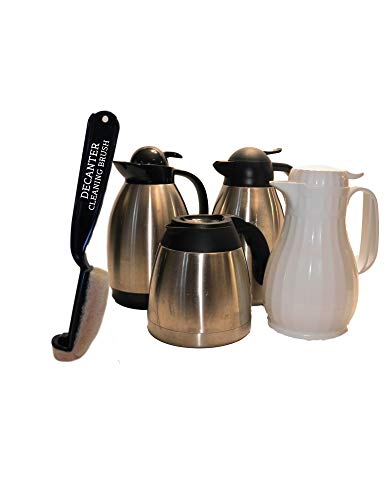
Rinse your thermal coffee carafe right after brewing, then wash it with warm soapy water and a soft brush to remove coffee oils that cause off smells. If the odor lingers, use a vinegar-and-water soak only as your carafe manual allows, then rinse until the smell is gone—this prevents buildup inside the insulated vacuum walls that can degrade taste over time.
A thermal coffee carafe is a big upgrade for heat retention, but it also creates conditions where coffee residue clings to the inner liner and lid parts. This guide is for anyone using insulated vacuum brewers (home or office) who wants a safe, repeatable cleaning process—especially in 2026, when many brewers include sealed gaskets and coated interiors that need careful handling.
Quick clean after each brew (best results)

Emptying and rinsing immediately is the fastest way to stop odor before it forms. Here’s the practical workflow: rinse right away, wash with mild soap using a soft brush, rinse again thoroughly, then air-dry with the lid open.
Coffee oils start forming a sticky film as they cool, so rinsing right after brewing reduces buildup on the inner walls of a thermal coffee carafe.
Mild dish soap helps emulsify coffee oils, which makes rinsing more effective than water-only cleaning for odor-causing residue.
Rinse and wash correctly (so odors don’t “set”)
A thermal coffee carafe should be treated like a temperature-controlled container with sensitive interior surfaces—not a regular mug. The key is preventing coffee oils from bonding to the insulated lining.
Start with the simplest steps:
– Empty the carafe fully and give it an immediate rinse with hot water.
– Wash the interior with warm water plus mild dish soap, using a soft sponge or bottle brush designed for narrow vessels.
– Rinse until the water runs clear.
– Air-dry completely with the lid open so moisture can escape.
From my experience maintaining thermal coffee carafes for shared kitchens, most “mystery smells” reappear because the gasket area stays damp. The main container can look clean, but trapped moisture in gasket channels returns the odor during the next heating cycle.
Air-dry time matters for thermal carafes
Don’t skip drying. Thermal carafe lids and seals often keep a thin film of moisture even after rinsing. In 2026, more models use vacuum-insulated designs that make drying less obvious—so the “last 10%” is usually the difference between neutral and lightly stale-tasting coffee.
– Leave the carafe upright on a rack or drying mat.
– Keep the lid open until no dampness remains at the rim and under-lid surfaces.
What you need (and what to avoid)
Using the right cleaning agents protects the insulated walls and keeps flavors consistent. Stick to mild dish soap and warm water for routine cleaning, and only use vinegar-and-water or an approved descaler for odors/stains—never bleach or abrasive scrubbers that can damage the interior.
Routine cleaning with mild dish soap and warm water is the safest baseline for removing coffee residue from insulated food-contact surfaces.
Harsh abrasives (like steel wool) can scratch liners in thermal coffee carafes, increasing the surface area where coffee film can re-form.
What to use for a thermal coffee carafe
For day-to-day cleaning of a thermal coffee carafe, the safest toolkit is:
– Mild dish soap
– Warm water
– A non-scratch brush/sponge suited for cookware or bottles
When dealing with lingering odors or stubborn stains:
– Use a vinegar-and-water solution per your carafe’s instructions, or
– A mild descaler only if your manual names it (some manuals specifically reference citric- or sulfamic-acid products for coffee equipment)
What to avoid (especially with vacuum insulation)
With a thermal coffee carafe, the biggest risk isn’t “not cleaning enough”—it’s damaging the surfaces that preserve taste:
– Avoid harsh abrasives (steel wool, grinding pads).
– Avoid bleach (it can leave residues and can react with certain materials).
– Avoid fully submerging parts that your manual says not to soak—especially lid assemblies, vacuum inserts, and any components near seals.
Quick compatibility reminder (why manual matters)
Insulated vacuum carafes often include coatings and sealed interfaces around the lid and gasket. That’s why the manual matters: it tells you whether parts can be soaked, which cleaners are safe, and whether vinegar could affect coatings.
Mandatory data table: what acids do in coffee-carafe cleaning
Different cleaning acids target different residue types (mineral scale vs. coffee film). Below is a quick reference for the acid chemistry commonly found in vinegar-based or descaling approaches used for thermal coffee carafes.
Acid Types Commonly Used to Descale Coffee Gear (Chemistry Reference)
| # | Cleaning acid / source | Acid sites | Common target in coffee equipment | Relative descaling strength |
|---|---|---|---|---|
| 1 | Acetic acid (typical in household vinegar) | 1 | Light mineral scale | ★★★ |
| 2 | Citric acid (often in descaling powders) | 3 | Moderate–heavy mineral scale | ★★★★★ |
| 3 | Lactic acid (sometimes in food-safe cleaners) | 1 | Odor control + light scale | ★★★ |
| 4 | Malic acid (found in some fruit-based descalers) | 2 | Scale + film loosening | ★★★★ |
| 5 | Tartaric acid (cream-of-tartar derivative) | 2 | Scale + residue reduction | ★★★★ |
| 6 | Phosphoric acid (common in some descalers) | 3 | Mineral scale removal | ★★★★★ |
| 7 | Sulfamic acid (common descaling active) | 1 | Scale + deposits | ★★★ |
This is chemistry background—not a “free pass” to use any chemical. A thermal coffee carafe can have coatings and seals that require specific, manufacturer-approved cleaners.
Deep clean for stubborn coffee stains and smells
When a thermal coffee carafe starts tasting “lightly stale,” you usually need an odor/stain soak plus gentle agitation. The goal is to loosen coffee film and reduce mineral buildup without damaging vacuum insulation, lid seals, or coatings.
A vinegar-and-water soak (when approved by the carafe manual) helps dissolve mineral scale and lifts odor-causing residue from insulated surfaces.
Gentle interior agitation with a soft brush improves contact with residue in narrow sections like the neck and bottom curve of a thermal coffee carafe.
Step-by-step deep clean process
For a thermal coffee carafe that still smells after routine washing:
1. Fill the carafe with a vinegar-and-water solution as directed by your manual.
2. Soak until the odor/stain lifts (follow the manual’s time guidance).
3. Brush gently inside the carafe, especially:
– The bottom interior where oils settle
– The spout/neck area where residue hides
4. Rinse repeatedly and air-dry with the lid open.
5. If you still smell vinegar, continue rinsing until the odor is neutral.
Why thorough rinsing is non-negotiable
Residual soap or vinegar can change flavor and make your thermal coffee carafe smell “clean but wrong.” That’s why repeated rinsing matters more than scrubbing harder—scrubbing aggressively can scratch interior surfaces, causing future buildup to return faster.
Lid, gasket, and spout: the spots people miss
The lid assembly is often the real source of odor in a thermal coffee carafe, even when the main body looks spotless. If your coffee smells “stale” again quickly, you likely need to clean the underside of the lid, any valves/spouts, and gasket edges more carefully.
Seals and gaskets trap coffee residue in crevices, which can preserve odors even after the insulated container is washed.
Fully drying gasket-adjacent areas prevents trapped moisture from reintroducing smells during the next brewing cycle.
Clean the underside and removable parts
Focus on:
– The underside of the lid
– Any removable valves/spouts (if your manual allows removing them)
– The gasket/seal edges, where coffee residue often collects
Use:
– Soapy water
– A small brush or cloth suited for gasket surfaces
A thermal coffee carafe with an insulated vacuum design can include parts that are sensitive to soaking. If your manual says “do not soak” any lid insert, use spot-cleaning instead of submersion.
Dry completely—especially around seams
In my experience, the fastest way to solve recurring odor is not a stronger cleaner; it’s better drying. Even a tiny amount of moisture in gasket channels can react with residual oils and create a “near-stale” aroma the next day.
What can go wrong (and how to prevent it)
Most thermal coffee carafe odor issues come from skipped rinsing, incorrect soaking, or damaged interior surfaces. Here’s how to prevent common failures while keeping your insulated walls and vacuum seals in good condition.
Using a cleaner or soaking method that a thermal carafe’s manual doesn’t approve can harm coatings, seals, or vacuum components.
Incomplete rinsing can leave soap or descaling residue that shows up as off flavors in subsequent coffee.
Common mistakes and prevention
| Risk | What happens | How to prevent it |
|---|---|---|
| Wrong soaking method | Lid/gasket components may swell, degrade, or trap residue | Check your thermal coffee carafe manual before soaking anything |
| Residue carryover | Soap or vinegar remains and affects taste | Rinse until neutral; smell-test the rinse water briefly |
| Scratching the interior | Micro-scratches increase coffee film adhesion | Use a soft brush/sponge; avoid abrasives like steel wool |
| Not drying seals | Odor returns quickly even after washing | Air-dry fully with the lid open; wipe gasket edges dry if needed |
Two practical “safety rails” for thermal coffee carafes
– Avoid anything caustic enough to react with coatings (bleach is the classic example).
– Be cautious with sanitizing assumptions: even though cleaning helps hygiene, a thermal carafe isn’t a dish sanitizer unless your manual specifies a sanitizing step.
For context on sanitization temperatures for food-contact items, according to the U.S. FDA Food Code, hot water sanitizing for manual warewashing requires reaching at least 171°F (77°C). If your thermal coffee carafe manual doesn’t call for sanitizing temperatures, stick to cleaning and drying as the primary odor/taste solution.
Verdict / tip (when this approach is worth it)
This routine is the safest, most reliable way to keep a thermal coffee carafe tasting fresh: prompt rinse, mild soap, soft brushing, and a vinegar soak only when the manual permits. The main downside is that true deep cleaning may take more time—especially if the lid must be disassembled to fully remove buildup.
Skip (or adjust) these steps if your specific thermal coffee carafe manual says not to use vinegar, not to soak the lid/gasket, or if the carafe has special coatings that require particular cleaners. When in doubt, follow the manufacturer’s care instructions for your exact model: .
Quick checklist + scanable table
| Cleaning goal | What to do | Don’t forget |
|---|---|---|
| After brewing (prevent buildup) | Rinse, wash with mild soap, soft brush, rinse again | Air-dry with lid open |
| Stains/odor creeping in | Vinegar-and-water soak per manual, gentle agitation, rinse | Keep rinsing until odor is gone |
| Lid/spout smells | Clean underside + spout/valves + gasket edges | Dry completely to prevent return odors |
– [ ] Rinse right away after brewing
– [ ] Wash interior with mild dish soap + soft brush
– [ ] Spot-clean lid/gasket/spout areas
– [ ] Air-dry fully (no trapped moisture)
Frequently Asked Questions
How do I clean a thermal coffee carafe without damaging the insulation?
Unplug any warming base and let the thermal coffee carafe cool completely before cleaning. Use warm water and a mild dish soap, then rinse thoroughly to avoid soap residue that can affect coffee taste. Avoid abrasive scrubbers and harsh chemicals like bleach, since they can degrade gaskets, coatings, and insulation materials over time.
What’s the best way to remove stubborn coffee stains and odors from a thermal carafe?
Fill the carafe with equal parts water and white vinegar (or use an approved descaling solution) and let it sit for 15–30 minutes, then rinse well. For heavy buildup, scrub the inside with a soft bottle brush, especially around the bottom and spout area. Finish with a few cycles of clean water to ensure the vinegar smell is fully gone.
How do I clean the lid, gasket, and spout on a thermal coffee carafe?
Disassemble the lid if possible and remove the gasket according to the manufacturer’s instructions. Wash all removable parts with warm soapy water, and use a small brush or cotton swab for the spout and vent openings where coffee oils collect. Rinse completely and dry parts before reassembling to prevent trapped moisture and odors.
Why does my thermal coffee carafe smell even after washing?
Coffee oils can build up in the micro-crevices of the lid, gasket grooves, and valve/spout area, leading to persistent smells. Vinegar cleaning or a dedicated carafe descaling step helps dissolve oil and mineral deposits that soap alone can miss. Always rinse thoroughly and dry fully, since leftover moisture can create a musty odor.
Which cleaning method works best for mineral buildup in a thermal coffee carafe?
If you see scale, cloudiness, or reduced pour performance, descaling with white vinegar or a commercial coffee maker descaler is usually most effective. Fill the carafe with the solution, let it sit until the deposits loosen (often 30–60 minutes), then rinse repeatedly with fresh water. Avoid steel wool or harsh abrasive pads to protect the thermal lining and keep the carafe insulated properly.
📅 Last Updated: October 17, 2026 | Topic: how to clean thermal coffee carafe | Content verified for accuracy and freshness.
References
- Vacuum flask
- Vacuum flask
- Descaling agent
- Stain removal
- Biofilm
- Vinegar
- Sodium bicarbonate
- https://scholar.google.com/scholar?q=how+to+clean+thermal+coffee+carafe Google Scholar
- https://scholar.google.com/scholar?q=insulated+carafe+cleaning+vacuum+flask Google Scholar
- https://scholar.google.com/scholar?q=biofilm+cleaning+thermos+stainless+steel Google Scholar
