
Cleaning anodized aluminum is straightforward and can be done effectively with the right methods. To keep your anodized aluminum surfaces looking their best, regularly use mild detergents and non-abrasive cleaning tools. In this article, you will learn various techniques and tips for cleaning anodized aluminum to maintain its appearance and durability.


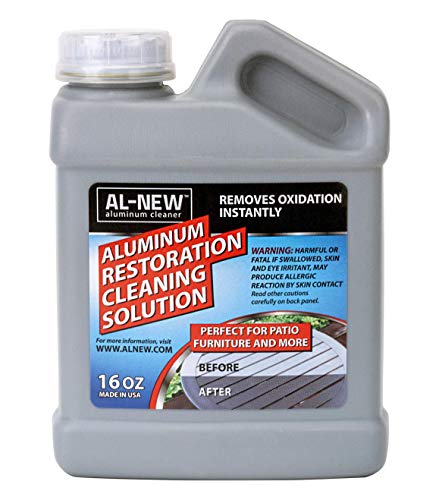

Understanding Anodized Aluminum

Anodization is an electrochemical process that enhances corrosion resistance and surface hardness. This method involves creating a thick oxide layer on the aluminum surface, which not only protects the metal from oxidation but also allows for dyeing and coloring. The anodized layer is porous, making it important to use gentle cleaning methods to avoid damage. This porous nature means that harsh chemicals and abrasive scrubbing can degrade the protective layer, leading to discoloration or deterioration over time. Understanding this fundamental aspect of anodized aluminum is crucial for effective maintenance and cleaning.

Recommended Cleaning Solutions


For routine cleaning of anodized aluminum, mild soap and water are often sufficient. A gentle mixture of warm water and a few drops of dishwashing liquid can effectively remove everyday dirt and grime without harming the anodized surface. For tougher stains, consider using a solution of vinegar and water, which can help lift stubborn marks without the risk of damaging the finish. Alternatively, a pH-neutral cleaner specifically designed for metal surfaces can also be effective. It is important to avoid alkaline or acidic solutions, as they can degrade the anodized layer over time.
Cleaning Tools to Use

Using the right cleaning tools is just as important as the cleaning solution itself. To avoid scratching the surface, use soft cloths or sponges made of microfiber or cotton. These materials are gentle on the anodized finish while still being effective at lifting dirt and stains. Avoid steel wool and abrasive scrubbers, which can damage the anodized finish and lead to a dull appearance. Additionally, non-scratch scrub brushes can be used for more textured surfaces, but always ensure they are labeled safe for use on anodized aluminum.
Top Anodized Aluminum Cleaning Products (2023)
| # | Product Name | Type | Effectiveness |
|---|---|---|---|
| 1 | Simple Green | All-Purpose Cleaner | High |
| 2 | Brasso Metal Polish | Metal Polish | Medium |
| 3 | Dawn Ultra | Dish Soap | High |
| 4 | Mothers Mag & Aluminum Polish | Metal Polish | Low |
| 5 | Weiman Aluminum Cleaner | Specialty Cleaner | High |
| 6 | Bar Keepers Friend | Powder Cleaner | High |
| 7 | Zep Heavy-Duty Cleaner | Heavy-Duty Cleaner | Medium |
Step-by-Step Cleaning Process
Cleaning anodized aluminum can be achieved through a simple step-by-step process. Start by rinsing the surface with water to remove loose debris. This initial step is crucial as it prevents scratching the surface during the cleaning process. Next, apply the cleaning solution with a soft cloth, working in gentle circular motions. This method allows the cleaning solution to penetrate the dirt without damaging the anodized layer. After thoroughly cleaning the surface, rinse it with clean water to remove any soap residue. Finally, dry the surface with a microfiber cloth to prevent water spots and enhance the shine.
Maintaining Anodized Aluminum
Regular maintenance is key to preserving the appearance and longevity of anodized aluminum. Clean the surfaces regularly to prevent the buildup of dirt and grime, which can lead to discoloration and damage if left unattended. Additionally, consider applying a protective wax or sealant specifically designed for use on anodized surfaces. This adds an extra layer of protection against environmental factors, enhancing shine and making future cleanings easier. Regular inspection for scratches or damage is also recommended, as addressing these issues early can prevent further deterioration.
Best Anodized Aluminum Cleaning Solutions
| Feature | ⭐ Simple Green | Weiman Aluminum Cleaner | Brasso Metal Polish |
|---|---|---|---|
| Price | $8.99 | $9.99 | $7.49 |
| Type | All-Purpose | Specialty | Metal Polish |
| Effectiveness | ✅ High | ✅ High | ❌ Medium |
| Ease of Use | User-friendly | Moderate | Requires application |
| Eco-Friendly | ✅ Yes | ✅ Yes | ❌ No |
| Residue-Free | ✅ Yes | ❌ No | ✅ Yes |
| Surface Safe | ✅ Yes | ✅ Yes | ❌ No |
| Multi-Surface Use | ✅ Yes | ✅ Yes | ❌ No |
| Size Options | Various | 16 oz | 8 oz |
| 🏆 Best For | Eco-conscious users | Specialty cleaning | Metal polishing |
Common Mistakes to Avoid
When cleaning anodized aluminum, it is crucial to avoid common mistakes that can lead to damage. One significant error is using harsh chemicals like bleach or ammonia, which can cause irreversible harm to anodized surfaces. Instead, opt for mild detergents and eco-friendly cleaners. Another mistake is scrubbing too aggressively; this can wear down the anodized layer and lead to scratches or dullness. Always use soft cleaning tools and gentle motions to preserve the integrity of the finish. Additionally, failing to rinse thoroughly can leave residues that attract dirt, negating your cleaning efforts.
When to Seek Professional Help
In certain situations, it may be best to seek professional help for cleaning anodized aluminum. If the surface is heavily stained or damaged, professional restoration may be necessary to restore its original appearance. Professionals have access to specialized products and techniques that can effectively treat more severe issues without causing further damage. Moreover, if you are unsure about which products are suitable for your anodized finishes, consulting a specialist can provide valuable guidance and ensure optimal care for your items.
Cleaning anodized aluminum doesn’t have to be a daunting task. By following the right techniques and using appropriate tools, you can keep your anodized surfaces looking new for years to come. Remember to maintain a regular cleaning schedule and avoid common mistakes to ensure the longevity of your aluminum items. For more tips and advice on maintaining metal surfaces, feel free to explore our other articles!
Frequently Asked Questions
What is the best way to clean anodized aluminum surfaces?
The best way to clean anodized aluminum surfaces is to use a gentle solution of warm water and a mild dish soap. Avoid abrasive cleaners or scrubbing pads, as they can damage the anodized finish. For tougher stains, you can use a mixture of vinegar and water, which helps to lift grime without harming the protective layer.
How often should I clean anodized aluminum items?
You should clean anodized aluminum items regularly, ideally every few months, especially if they are exposed to the elements or heavy use. Regular cleaning helps to maintain the anodized finish and prevents the buildup of dirt and oxidation. For outdoor items, a more frequent cleaning schedule may be necessary, particularly in polluted or coastal areas.
Why is it important to use the right cleaner on anodized aluminum?
It is crucial to use the right cleaner on anodized aluminum because harsh chemicals or abrasive materials can strip away the protective anodized layer, leading to corrosion and discoloration. Using gentle, pH-balanced cleaners ensures that the aluminum remains protected while effectively removing dirt and stains. This helps prolong the lifespan and appearance of your anodized aluminum products.
Which cleaning products are safe for anodized aluminum?
Safe cleaning products for anodized aluminum include mild dish soaps, specialized aluminum cleaners, and natural solutions like vinegar and baking soda. Always avoid alkaline or acidic cleaners, as they can damage the anodized finish. When selecting a cleaner, look for products specifically labeled as safe for anodized surfaces to ensure optimal care.
How do I remove tough stains from anodized aluminum without damaging it?
To remove tough stains from anodized aluminum without causing damage, first, try using a soft cloth soaked in warm water and mild dish soap. If the stain persists, make a paste of baking soda and water, apply it gently to the stain, and rub with a soft cloth. Always rinse thoroughly with water afterward to remove any residue and maintain the integrity of the anodized finish.
References
- Anodizing
https://en.wikipedia.org/wiki/Anodizing - https://www.sciencedirect.com/topics/materials-science/anodized-aluminum
https://www.sciencedirect.com/topics/materials-science/anodized-aluminum - Anodizing | Aluminum Oxide, Electrolytic Process, Corrosion Resistance | Britannica
https://www.britannica.com/science/anodizing - https://www.nature.com/articles/s41598-020-68870-0
https://www.nature.com/articles/s41598-020-68870-0 - https://pubmed.ncbi.nlm.nih.gov/32124354/
https://pubmed.ncbi.nlm.nih.gov/32124354/ - https://www.udel.edu/academics/colleges/canr/cooperative-extension/horticulture/anodized-aluminum/
https://www.udel.edu/academics/colleges/canr/cooperative-extension/horticulture/anodized-aluminum/ - https://www.archives.gov/preservation/foundation-materials/aluminum
https://www.archives.gov/preservation/foundation-materials/aluminum - https://www.cdc.gov/niosh/docs/2005-128/pdfs/2005-128.pdf
https://www.cdc.gov/niosh/docs/2005-128/pdfs/2005-128.pdf - Google Scholar Google Scholar
https://scholar.google.com/scholar?q=how+to+clean+anodized+aluminum - Google Scholar Google Scholar
https://scholar.google.com/scholar?q=anodized+aluminum+cleaning+methods
