

This step-by-step guide shows exactly how to clean up throw up on carpet fast, safely, and without damaging the fibers. You’ll get the quickest order of operations—from blotting and disinfecting to stain and odor removal—so the mess comes out completely instead of spreading. Follow it in the first hour and you’ll be left with a carpet that looks clean and smells neutral, not “mostly better.”



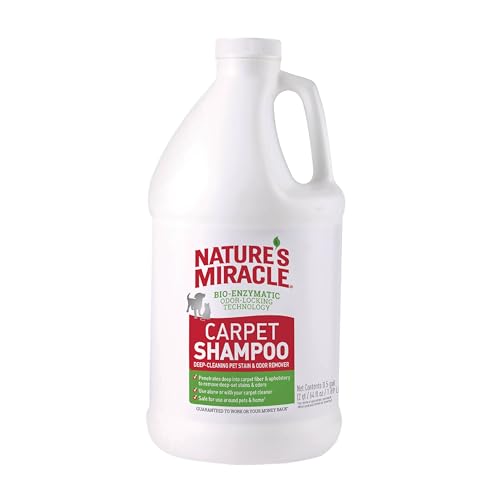
Blot the vomit up fast, then clean the spot with mild detergent and water, and—if odor lingers—use an enzyme cleaner to break down the smell. Work from the outside of the stain toward the center, rinse lightly, and dry completely so it doesn’t soak deeper or turn into a lingering stink.
This is for anyone dealing with a fresh (or recently discovered) throw-up stain on wall-to-wall carpet or area rugs, especially when you want to remove both the visible stain and the odor without damaging carpet fibers.
Safety first: protect yourself and the carpet area

Before you touch the carpet, you need to protect your skin, lungs, and the people who share the space. In 2026, the safest approach for any throw-up cleanup is to treat vomit as potentially infectious waste, then follow product labels for cleaning vs. disinfecting.
Wear PPE and control exposure
Gloves reduce skin contact with residue and microbes that may be present in vomit, and a mask helps if you’re scooping dried material or using any spray. Ventilation matters because many carpet-cleaning products are designed with active ingredients that can irritate airways.
Wear disposable gloves and improve ventilation during throw-up cleanup because bodily fluids can contain harmful pathogens.
If you must handle chunks or dried residue from a vomit stain, use controlled removal to avoid aerosolizing particles.
Keep kids and pets away (and test products)
Move pets and kids out of the area while you work, then keep them out until the carpet is fully dry. If you’re using an enzyme cleaner or any carpet shampoo, test it on an inconspicuous spot first—carpet fiber type, dyes, and backing materials vary widely.
Carpet cleaners and enzyme products should be tested in a hidden area first to prevent discoloration or damage to the backing.
Treat the affected room like a “work zone” until the throw-up carpet stain and odor treatment are complete and fully dry.
Blot and remove solids (don’t rub it in)
Start with blotting because the fastest way to reduce spread is to remove liquid and solids before you introduce water or detergent. For a vomit stain on carpet, rubbing is the main reason odors sink deeper into the fibers and pad.
Blot immediately, outside → center
Use paper towels or a disposable cloth, then press down and lift repeatedly. Work from the outer edges of the throw-up stain toward the center to minimize expansion. If the carpet looks “set” because you discovered it later, increase blotting time before you add any cleaning solution.
Blotting (press → lift) removes more liquid than scrubbing and helps prevent a vomit stain from spreading across carpet fibers.
Working from the outside toward the center reduces how far the stain and odor compounds migrate during throw-up carpet cleanup.
Remove solids gently and seal waste
If there are chunks, lift them gently with a plastic scoop or tweezers rather than smearing. Dispose of waste promptly in a sealed bag—this prevents odors from building up while you work and helps you maintain a cleaner workflow.
Gently removing solids before detergent cleaning helps limit how much organic material remains to drive odor in a carpet pad.
Sealing waste reduces ongoing smell and lowers exposure risk during continued cleaning of a throw-up carpet stain.
Clean the carpet fibers with detergent + water
Once you’ve extracted as much as possible, detergent + cool water is the right next move for both appearance and residue control. This step targets visible staining and helps remove leftovers that would otherwise feed lingering odor.
Use mild detergent and avoid soaking the backing
Mix a small amount of mild dish detergent with cool water. Apply lightly—think “damp” rather than “wet”—and blot again to lift color and residue. Avoid saturating the carpet backing because water can travel to the pad and make drying harder (and smell more likely).
Mild detergent with cool water is a standard approach to lift vomit residues from carpet fibers without aggressive chemical action.
Over-wetting a throw-up carpet stain can push organic material into the pad/backing, making odor removal harder later.
Rinse lightly, then assess odor
Repeat application and blotting until the cloth comes up with minimal color. If the visible stain improves but the smell remains, you’re likely dealing with odor-causing organic compounds embedded in fibers/pad—this is where enzyme cleaners do their job.
If odor persists after detergent cleaning, lingering organic compounds are often still present in carpet fibers or the pad beneath.
Light rinsing only (as needed) helps prevent soapy residue that can attract dirt and complicate later drying.
Carpet Cleanup Actions for Vomit Stains: What They Address (Practical Fit for This Step-by-Step Method)
| # | Tool / Product Type | Primary job | Helps remove visible stain? | Helps remove odor? | Risk to carpet dyes/fibers | Fit for a vomit-on-carpet cleanup |
|---|---|---|---|---|---|---|
| 1 | Paper towels / disposable cloth | Extract liquid | Yes | Some (before deep set) | Very low | ★★★★★ |
| 2 | Mild detergent + cool water | Lift residue | Yes | Moderate (residue removal) | Low (use lightly) | ★★★★★ |
| 3 | Enzyme cleaner (label-directed dwell time) | Break down odor-causing organics | Often (indirectly) | High (odor driver) | Low to medium (depends on formula) | ★★★★☆ |
| 4 | EPA-registered disinfectant (only when needed) | Disinfect surfaces | Not the primary goal | Indirect (not for odor alone) | Medium to high (follow label; may discolor) | ★★★☆☆ |
| 5 | Hydrogen peroxide–based cleaner/disinfectant | Oxidize/assist disinfection | Sometimes | Medium | Medium (test first) | ★★★☆☆ |
| 6 | Steam/heat-only approach (before pre-clean) | Heats fibers (not targeted) | Sometimes | Low to moderate | High (can set residue) | ★☆☆☆☆ |
| 7 | Chlorine bleach spot treatment (without carpet-safe verification) | Strong oxidation/disinfection | Unreliable | Unreliable | High (color damage) | ★☆☆☆☆ |
Treat odor: enzyme cleaner (use only as directed)
If your throw-up carpet stain looks better but still smells, enzymes are the targeted fix. Enzyme cleaners break down organic material that normal detergent cleaning may leave behind inside fibers or the pad.
Why enzymes work on vomit odor
Vomit contains organic compounds (like proteins and fats) that microbes can metabolize or that can remain in fibers after the color lifts. Enzymes are formulated to digest those compounds into smaller substances that are easier to rinse out or neutralize.
Enzyme cleaners are designed to break down organic odor sources left behind after cleaning visible vomit from carpet fibers.
For lingering smell from a throw-up carpet stain, the key variable is label-directed dwell time, not “spray and immediately wipe.”
Follow dwell time, then blot/rinse as instructed
Apply the enzyme cleaner according to the label, and leave it on for the dwell time specified (some formulas need minutes; others require longer). After the dwell time, blot and lightly rinse only if the instructions say to. Then dry thoroughly with fans or airflow.
Damp carpet can develop a musty odor even after the vomit stain is visually cleaned, so drying is part of the odor-removal process.
Light rinse steps should follow the enzyme product label to avoid leaving residue that can re-attract dirt and odors.
What can go wrong when cleaning throw up on carpet
Throw-up cleanup can fail in predictable ways, and most failures come from rushing, over-wetting, or using chemicals in unsafe combinations. In 2026, the safest path is to clean first, then disinfect only when the situation truly requires it.
Common mistakes that worsen stains and odors
If you flood the carpet with liquid, you increase the chance the vomit residue reaches the pad/backing, where it’s harder to extract. If you rub instead of blot, friction spreads both stain and odor deeper into fibers. If odor still remains after you “think it’s clean,” the carpet may simply not be fully dry yet.
Over-wetting a vomit stain increases the likelihood of odor migrating into the carpet pad and prolonging smell.
Rubbing spreads vomit residue and can cause the throw-up odor to become harder to remove from carpet fibers.
Chemical mixing and disinfecting when you shouldn’t
Avoid mixing cleaners, especially bleach-based products, unless the label explicitly instructs it’s safe. “Disinfecting” is not always the same goal as “removing odor and stain,” and disinfectants can leave residues that interfere with carpet feel or cause discoloration.
If the person/animal was sick, you may need a disinfecting step—but only use an EPA-registered disinfectant and follow label directions exactly. For guidance on bodily fluids in non-healthcare settings, start with CDC cleaning/disinfecting guidance and product label instructions.
CDC guidance emphasizes following disinfectant label directions for concentration and contact time when cleaning bodily fluids.
Disinfectants and cleaners shouldn’t be mixed, because label instructions are the only reliable way to confirm safe compatibility.
Disinfection facts (so you decide correctly)
According to CDC “Cleaning and Disinfecting Your Facility” (2024), for norovirus vomit/feces, chlorine bleach solutions in the range of 1000–5000 ppm are recommended depending on the situation. According to CDC guidance (2024), the bleach solution strength can be prepared from household bleach using a range of 5–25 tablespoons per gallon depending on bleach concentration. According to CDC guidance (2024), disinfectants must remain wet for the contact time listed on the product label.
Verdict: the safest approach + quick checklist + FAQs
If you want the most reliable “do-this-first” method, go: blot → detergent cleaning → enzyme odor treatment (when needed) → rinse lightly (as directed) → dry completely. Skip the disinfecting step unless the situation calls for it, because harsh disinfectants can leave residue or affect carpet materials—when unsure, follow the product label and your carpet manufacturer’s care guidance.
A quick “sequence choice” comparison (what to do vs. what to avoid)
| Approach | Best for | Main downside |
|---|---|---|
| Blot → detergent → enzyme → dry | Vomit stain + odor | Requires patience for drying |
| Heat/steam immediately | Light spotting only (after pre-clean) | Can set residue and worsen odor |
| Disinfect before removing residue | True biohazard situations | Can reduce disinfectant effectiveness |
The label-driven combination of cleaning (detergent) followed by targeted odor enzymes is usually more effective than trying to “mask” smell with fragrance.
Drying completely is essential in throw-up carpet cleanup because residual moisture can recreate odor even when the stain looks gone.
Quick checklist (scan/save)
| Step | Do this | Stop when… |
|---|---|---|
| 1 | Blot up vomit (outside → center) | Towels stop picking up liquid |
| 2 | Remove solids gently | No visible chunks remain |
| 3 | Detergent + cool water, light application | Blotting cloth shows minimal color |
| 4 | Enzyme cleaner (only if odor remains or you want prevention) | You’ve followed the label timing |
| 5 | Light rinse (only if the label says to) | No soapy/chemical residue on cloth |
| 6 | Dry thoroughly (fans/airflow) | Carpet is fully dry to the touch |
Frequently Asked Questions
What’s the fastest way to clean up vomit from carpet without spreading it?
Remove any solids with paper towels or disposable gloves first, then blot (don’t rub) the area to lift as much moisture as possible. Rinse with cool water in small amounts, blot again, and repeat until the liquid is gone. If you work outward from the center, you can avoid pushing vomit deeper into the carpet fibers.
How do I remove the stain and odor from vomit on carpet?
After blotting, apply an enzyme cleaner designed for pet accidents and organic stains, then follow the label directions. Enzyme cleaners break down proteins that cause lingering smell, which helps prevent odor from returning after drying. Once it’s treated, rinse lightly, blot dry, and let the carpet fully dry with good ventilation or a fan.
Why should I avoid steam cleaning right away after vomit on carpet?
Heat can set proteins and stains into carpet fibers, making the mark harder to remove later. It can also drive odor deeper into padding if you haven’t extracted the liquid first. Instead, focus on blotting, targeted cleaning, and drying before considering any deeper carpet cleaning method.
Which homemade solution is best for cleaning throw up from carpet?
A common option is mixing 1 cup of white vinegar with 2 cups of cool water, then blotting the solution into the affected area. Sprinkle baking soda once the carpet is damp (not soaking), let it sit to absorb odor, and vacuum thoroughly after it dries. For best results, you can follow with an enzyme cleaner if the smell persists.
Best practices: How do I clean vomit from carpet padding if it soaked through?
Use heavy blotting and, if needed, press a clean towel over the spot to draw moisture out; avoid scrubbing, which can spread the mess. If padding is wet, place a towel on top and weigh it down for absorption, then continue with fans to speed drying. In cases where the smell remains after drying, use an enzyme cleaner on the affected area and repeat until odor is eliminated.
📅 Last Updated: October 17, 2026 | Topic: how to clean up throw up on carpet | Content verified for accuracy and freshness.
References
- https://www.cdc.gov/norovirus/about/cleaning-disinfecting.html
- Norovirus (vomiting bug) – NHS
- Norovirus
- https://www.epa.gov/pesticide-registration/list-k-norovirus-products
- https://pubmed.ncbi.nlm.nih.gov/?term=norovirus+environmental+decontamination+bleach+disinfectant
- https://pubmed.ncbi.nlm.nih.gov/?term=vomiting+diarrhea+cleanup+disinfection+guidance
- https://pubmed.ncbi.nlm.nih.gov/?term=norovirus+surface+survival+carpets+fabrics+laundry
- https://scholar.google.com/scholar?q=vomit+carpet+cleanup+disinfection+norovirus Google Scholar
- https://scholar.google.com/scholar?q=environmental+cleaning+vomiting+diarrhea+carpets+disinfectants Google Scholar
- https://scholar.google.com/scholar?q=household+cleaning+norovirus+bleach+laundry+guidelines Google Scholar
