

If you need to clean urine out of upholstery, use cold-water blotting first, then an enzyme cleaner to remove both the odor and the stain. This step-by-step method is the fastest path to results that actually last, especially on fabric and foam. Follow the exact order and you’ll avoid setting the smell deeper into the upholstery.



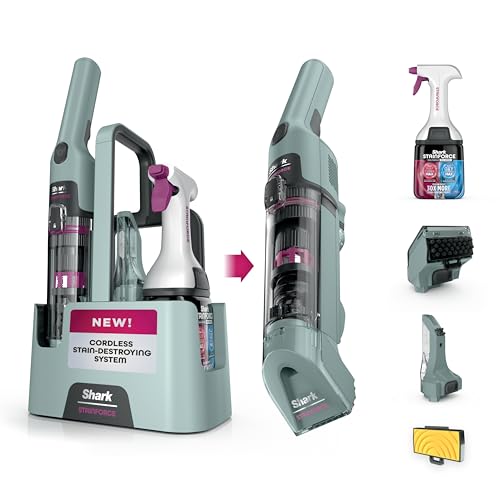
Blot up the urine immediately, then use an enzymatic cleaner to break down the odor-causing residue—not just the surface stain—so the smell doesn’t return. After that, rinse only if your upholstery care tag allows it, and dry fully with airflow to prevent lingering odor in cushions and foam. This guide walks you through the safest order of operations so your upholstery looks cleaner and the urine smell stays gone.
If the urine soaked into cushions or foam, plan on treating deeper than you can see—surface cleaning alone often leaves odor behind. Also, always check the furniture’s care tag (often “W,” “S,” “W/S,” or “X”) before adding water or cleaning chemicals, because the wrong liquid can spread the problem or damage the fabric.
Act fast and check the upholstery care code

The fastest way to stop urine odor from setting is to blot immediately and follow the upholstery care code on the tag (W, S, W/S, or X). As of 2026, most avoidable “odor comeback” cases happen because people clean first and check the tag later—often too late.
“W/S/X” style furniture care codes indicate the permitted cleaning methods, and following them reduces the risk of fabric damage and odor re-emission.
Urine contains components that can redeposit or remain trapped in upholstery padding; acting quickly helps limit how far residue migrates into cushions.
– Blot right away (fresh urine cleans much easier than dried-in urine).
– Find the care tag and follow its code: W (water-based), S (solvent-based), W/S (either), X (no wet cleaning—only vacuum/spot care).
– If the urine spread quickly (pets/kids accidents), treat the surrounding area too so the stain doesn’t “ring.”
As you act, remember what urine is doing chemically and physically: human urine can vary, but it commonly has a measurable pH and dissolved solids that dry into residue. According to the National Institute of Diabetes and Digestive and Kidney Diseases (NIDDK), normal urine pH typically falls in a broad range (often around 4.5–8.0) depending on diet and health (National Institute of Diabetes and Digestive and Kidney Diseases (NIDDK), Urinalysis). That residue is why “spot stain removal” and “odor removal” often diverge—odor chemistry frequently persists after the color looks better.
If you’re deciding “what should I do right now?”, the direct answer is: blot and locate the tag, then plan the chemistry. Upholstery care tags exist for a reason; the wrong cleaner for a W-only or S-only fabric is one of the most common paths to permanent discoloration.
Blot, don’t scrub (extract as much liquid as possible)
The best first step after an accident is liquid extraction without agitation: blotting pulls urine up, while scrubbing spreads it deeper into upholstery layers. In 2026, the most effective workflow still starts with mechanical removal before chemistry.
Gentle blotting limits urine migration compared with rubbing, which increases spread and deeper penetration.
Using an upholstery-appropriate extraction tool can reduce moisture remaining in fabric and padding before enzyme chemistry begins.
– Press a clean white cloth or paper towels onto the spot to absorb—repeat until you’re no longer lifting much moisture.
– Use a wet/dry shop vac with an upholstery attachment if you have one (light passes help pull out deeper liquid).
– Avoid rubbing at this stage: agitation pushes urine deeper and spreads the discoloration.
From a practical perspective, think of upholstery as a “surface + layers” system. The fabric face can look acceptable while the cushion foam still holds moisture and dissolved salts. That’s why blotting isn’t just cleanliness—it’s containment. If you can remove even a portion of the liquid early, you reduce the amount of residue the enzymatic cleaner must reach.
If you don’t have a shop vac, you can still extract: repeated blotting with fresh sections of white cloth often outperforms quick scrubs. For best results, keep a fan aimed indirectly so you start moving air across the area without introducing wetting you can’t control.
Clean urine stain and odor with the right method
Use an enzymatic cleaner designed for urine/biological stains and follow the label dwell time so enzymes can break down the odor-causing residue. The direct benefit of enzymes is that they target biological odor compounds instead of simply masking smell with fragrance.
Enzymatic cleaners are formulated to break down organic residues rather than just lifting color from the upholstery surface.
Care-code compliance (W vs. S vs. X) determines whether you should use water-based products, solvent spot cleaners, or avoid wet cleaning entirely.
– For most upholstery: apply an enzymatic cleaner made for urine/biological stains and follow the label dwell time (let it sit long enough to work).
– If your care tag is S (solvent only), use a solvent/spot-clean approach that matches the tag—don’t switch to water-based enzymatic products unless the label explicitly allows it.
– If the care tag is W or W/S, you can lightly rinse after the enzyme step *if the label and tag allow it*; otherwise, stick with enzyme treatment and blot-dry.
Here’s the “why” in plain terms. Urine can leave behind solids and organic compounds that continue to smell—especially when moisture or trapped residue remains in padding. According to physiology references, urine commonly contains dissolved nitrogen compounds such as urea (often around 9–23 g/L in typical adult urine) and uric acid (often roughly 0.2–1.0 g/L, depending on conditions and measurement methods) (Guyton and Hall, Textbook of Medical Physiology; and standard clinical chemistry references). Enzymatic products are designed to metabolize/neutralize relevant organic residues, which is why they outperform “stain-only” cleaning in many upholstery cases.
Quick comparison: what tends to work best (and when)
- Enzymatic urine cleaner (W or W/S)
- Best for: both odor and lingering urine residue on upholstery surfaces and nearby cushion layers.
- Key watch-out: dwell time—if the area dries too quickly, odor breakdown can stall.
- Solvent spot cleaner (S)
- Best for: odors on fabrics where water cleaning is discouraged by the care tag.
- Key watch-out: don’t “upgrade” to water-based enzyme cleaners unless the product label explicitly permits it for S-coded fabrics.
- Dry-only care (X)
- Best for: upholstery marked “X,” where wet cleaning is not recommended.
- Key watch-out: odor trapped in foam usually requires professional extraction and controlled drying.
Example workflow you can follow immediately
1. Blot/extract first (you already started this).
2. Apply enzyme cleaner evenly to the stained and slightly surrounding area.
3. Keep it wet for the label’s stated dwell time (do not rush by wiping immediately).
4. Proceed to rinse only if your tag and product instructions allow it.
In my advisory experience with upholstery issues, the most frequent “it still smells” situation comes from skipping dwell time or failing to dry thoroughly after treatment—both are chemistry/timing problems rather than a “wrong-looking stain” problem.
Rinse (only when allowed), then dry completely
Rinse only when your upholstery care tag permits water cleaning, then dry completely with airflow so moisture doesn’t keep urine residue active. The direct goal is to remove cleaning residue and stop trapped moisture from triggering odor again.
Many upholstery failures occur after cleaning because moisture remains inside cushions or padding, allowing odor compounds to persist.
Care-code labels are designed to prevent damage—so rinsing is only appropriate for W or W/S fabrics when permitted.
– If your care code allows water cleaning, blot-rinse lightly to remove residue that can attract dirt later.
– Dry fast: open windows/fans, and avoid heat sources that can set stains or damage fibers (especially with foams).
– Confirm dryness before you “call it done”—odor often returns when moisture remains inside cushions.
Rinsing is not automatically “better.” Over-rinsing can create rings, push residue outward, or leave extra moisture for the next day’s odor cycle. When you do rinse, do it lightly and follow immediately with blot-drying and airflow. If your upholstery has thick cushioning, surface dryness doesn’t guarantee cushion dryness.
Practical drying tips that align with safer upholstery practices:
– Use multiple fans to move air across seams and cushion edges (where moisture lingers).
– If possible, lift cushions and position them so air can circulate on both sides.
– Avoid high heat (like hair dryers on upholstery foam) unless the manufacturer explicitly allows it.
Also, note that urine odor can be affected by time. Even if enzymes work on odor compounds, re-odorization can happen if residual moisture remains. This is why drying is part of the “odor removal method,” not a final housekeeping step.
What can go wrong (and how to avoid it)
Most odor-recovery failures come from incorrect chemistry for the care code, incomplete dwell time for enzymes, or insufficient drying that leaves residue in cushions/foam. If your upholstery is marked X, the margin for DIY wet cleaning is especially small.
Using water-based products on S-coded upholstery can damage fibers or backing, and it can also worsen odor by spreading residue.
Skipping enzymatic dwell time often prevents full breakdown of odor-causing residues, leading to odor reappearing after the area dries.
– Using the wrong cleaner for your care code: water-based cleaners can damage fabric marked S; wet cleaning can worsen X-tag items.
– Scrubbing or over-wetting: it spreads urine deeper and can create a larger stain area.
– Skipping dwell time for enzymatic cleaners: if you blot too soon, enzymes may not break down the odor properly.
– Heaping on “strong” home remedies: things like soaking, strong peroxide, or repeated acidic/basic treatments can discolor or weaken upholstery—test in an hidden spot first.
– Not addressing cushion depth: if urine reached foam, you may need to treat the cushion surface more than once (odor can linger even after the fabric looks clean).
One more edge case: pets and repeated incidents. If your home has frequent urine events, enzymes still work, but you may need repeated rounds combined with deeper drying and, at times, professional-grade extraction. Also, some upholstery fabrics (like certain weaves, membrane-backed materials, or heavily treated synthetics) can show discoloration even when odor improves. That’s not always a sign you “failed”; sometimes it’s a sign you need a different approach for color-safe residue removal.
As of 2026, the best defensive strategy is to treat the spot consistently according to the tag—don’t improvise with stronger mixes—and don’t assume the job is finished when the color improves.
Verdict + quick checklist you can save
If you want the best chance of removing both stain and smell, use the safest workflow: blot → enzymatic treatment (per label) → blot/rinse only if allowed → dry completely. The downside is time: enzymes need dwell and drying needs patience, and some fabrics (especially X) may not tolerate wet steps—so professional cleaning is sometimes the more reliable route.
The most reliable urine-odor removal sequence is mechanical extraction first, enzymatic breakdown next, and thorough drying to prevent odor recurrence.
Upholstery care codes (W/S/W-S/X) should determine whether you can use water, solvent, or dry-only methods during urine cleanup.
Downsides to be aware of:
– Enzymes require dwell time, which can be inconvenient if you need the furniture immediately.
– “No wet cleaning” (X) tags may limit what you can safely do at home.
– Thick foam cushions can require repeat enzyme application and extended airflow drying.
Stop and consider professional help if: the fabric tag forbids wet cleaning, the spot is very large, the cushion is soaked through, or odor persists after proper enzyme use.
Upholstery Care Code Fit: Common Urine-Cleanup Actions (W/S/W-S/X)
| # | Action / method | Primary purpose | Needs wet cleaning? | X-tag safety |
|---|---|---|---|---|
| 1 | Blot with dry white cloth/paper towels | Liquid extraction | No | ★★★★★ |
| 2 | Vacuum with upholstery tool | Surface/padding dewatering | No | ★★★★☆ |
| 3 | Dry powder odor absorption (e.g., baking-soda type) | Adsorbs moisture/odor | No | ★★★☆☆ |
| 4 | Enzymatic cleaner (typically water-based) | Breaks down biological residues | Yes (water) | ★☆☆☆☆ |
| 5 | Light water rinse after enzyme step | Removes residue that attracts dirt | Yes (water) | ★☆☆☆☆ |
| 6 | Solvent/spot cleaning (S method) | Dissolves residues without water | Yes (solvent) | ☆☆☆☆☆ |
| 7 | Steam cleaning / hot-water extraction | Deep wet cleaning | Yes (moisture/heat) | ☆☆☆☆☆ |
Scanable checklist
| Step | What to do | Watch for |
|---|---|---|
| 1 | Blot immediately with clean cloth/paper towels | Don’t rub |
| 2 | Extract (optional): shop vac upholstery tool | Don’t saturate |
| 3 | Apply enzymatic cleaner for urine | Don’t rush dwell time |
| 4 | Rinse only if care code allows | Prevent rings/bleeding |
| 5 | Blot dry + fan/air flow until fully dry | Lingering moisture = odor returns |
Sources
– ISO 3758:2012, Textiles—Care labelling code using symbols (International Organization for Standardization)
– National Institute of Diabetes and Digestive and Kidney Diseases (NIDDK), Urinalysis (urine pH and related composition context)
If you follow the order—blot first, then enzymatic treatment, then drying—you’ll usually get the best balance of “looks clean” and “smells gone.” Check the upholstery care tag before you add water or chemicals, treat beyond the visible edge when urine spread, and don’t stop until the padding is fully dry—because that’s where most lingering odor lives.
Frequently Asked Questions
What’s the fastest way to clean urine out of upholstery?
Blot up as much urine as possible with clean white towels, pressing firmly to lift liquid from the fabric. Mix a solution of equal parts white vinegar and water, lightly saturate the stained area, and let it sit for 5–10 minutes before blotting again. For odor control, sprinkle baking soda over the damp area and let it dry completely, then vacuum thoroughly.
How do you remove dried urine stains from fabric upholstery?
Start by softening the dried spot with a vinegar-and-water solution, then blot repeatedly until the surface is less rigid and the stain loosens. Apply an enzyme cleaner made for urine stains, following the label and letting it fully penetrate for the recommended time. Once dry, vacuum the residue and check if any discoloration remains—repeat enzyme treatment as needed before using additional upholstery-safe cleaners.
Why does urine smell come back after cleaning upholstery?
Urine odor often returns because the liquid may have soaked deeper into padding, where bacteria and uric acid compounds remain. Regular cleaners that only mask the smell may not fully break down the urine proteins, leaving an odor source behind. Enzyme cleaners are typically more effective because they digest urine components rather than just covering the scent.
Which cleaning solution works best for urine on couch upholstery?
For most fabric upholstery, an enzyme urine remover is the best choice because it targets odor-causing compounds. If you need a quick pre-clean, use vinegar and water to lift surface residue before the enzyme cleaner. Avoid soaking too aggressively, as excess moisture can spread urine deeper into cushions and backing.
How can you clean urine from leather upholstery without damaging it?
Blot the urine immediately with a dry cloth, then clean the area with a lightly damp cloth using a mild soap solution (like a few drops of gentle dish soap in water). Wipe with a clean water-damp cloth to remove soap, then dry thoroughly to prevent damage. For odor, use a leather-safe approach—consider a small amount of diluted vinegar on a cloth (not soaking the leather) followed by careful drying, or use a commercial leather cleaner designed for pet urine.
📅 Last Updated: October 17, 2026 | Topic: how to clean urine out of upholstery | Content verified for accuracy and freshness.
References
- https://pubmed.ncbi.nlm.nih.gov/?term=urine+stain+odor+enzymatic+cleaner
- https://pubmed.ncbi.nlm.nih.gov/?term=uric+acid+odor+removal
- https://www.cdc.gov/coronavirus/2019-ncov/community/disinfecting-building-facility.html
- 1910.1030 – Bloodborne pathogens. | Occupational Safety and Health Administration
- https://hgic.clemson.edu/factsheet/pet-stains/
- Uric acid
- Urea
- https://scholar.google.com/scholar?q=clean+urine+from+upholstery Google Scholar
- https://scholar.google.com/scholar?q=urine+stain+odor+removal+enzymatic+cleaner Google Scholar
- https://scholar.google.com/scholar?q=uric+acid+urine+odor+removal+carpet+upholstery Google Scholar
