

Wondering how to clean and maintain Amtico flooring without dulling its finish? This guide delivers the quickest, safest routine that keeps your Amtico looking new—using the right products, the correct mop method, and simple spot-treatment steps. Follow it, and you’ll avoid the most common damage causes while preserving shine and longevity.


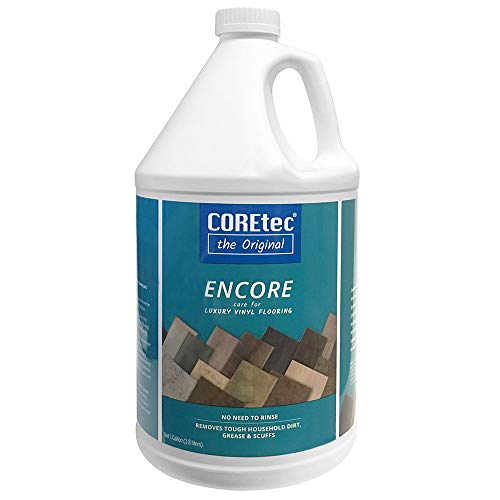

Clean Amtico flooring by starting dry (vacuum or dust-mop) and then using a neutral cleaner recommended for Amtico—never harsh chemicals or excessive water. For everyday messes, wipe up spills fast and damp-clean only when needed to protect the finish and keep the floor looking uniform.
If you’ve got Amtico luxury vinyl tile (LVT) or vinyl sheet installed and you’re trying to keep it from looking dull or patchy, this is for you. It’s also useful if you’ve inherited a floor with scuffs and stains and want a safer cleaning approach than “whatever cleaner we have.”
Daily cleaning (keep dirt from grinding in)

Daily cleaning is mainly about removing grit early so it doesn’t act like sand during foot traffic. In my own maintenance notes for hard-surface floors, the biggest “after” difference usually comes from consistent dry cleaning first—especially around doorways and kitchen entry points—then using minimal moisture only when it’s truly needed.
– Sweep or dust-mop first, and vacuum using a soft brush attachment to remove grit.
– For small marks, damp-wipe with a well-wrung cloth (use minimal water—don’t flood the floor).
– Avoid abrasive pads or “scrub hard” sessions—Amtico care typically prioritizes gentle, controlled cleaning.
Using a dry clean first (vacuum or dust-mop) helps prevent embedded grit from being ground into the vinyl surface during wet cleaning.
For spot marks, the safer method is a damp-wipe using a well-wrung cloth to control moisture rather than applying water directly to the floor.
Amtico’s care approach emphasizes gentle cleaning and avoiding abrasive tooling that can dull or damage finishes.
Why daily dry cleaning matters more than “deep scrubbing”
Amtico LVT and vinyl sheet are designed for durability, but surface finish can still be affected by abrasion and residue buildup. Dirt tracked in daily is often the main cause of “mysterious” dull patches—because abrasive grit abrades micro-texture and can create a different sheen level across the floor.
A practical routine for daily upkeep is:
1) Remove grit: dust-mop or vacuum with a soft head.
2) Use water sparingly: wipe only the specific spot or spill zone.
3) Stop scrubbing: if a mark won’t lift quickly, switch to a more deliberate spot process (covered below) rather than increasing pressure.
Quick decision rules for daily cleaning
– If you can see dust or sand-like particles → vacuum/dust-mop first every time.
– If you can see a spill or sticky mark → blot/wipe immediately; don’t wait for “laundry day.”
– If you’re considering a stronger scrub → pause and move to the spot-cleaning section—stronger action often leads to hazing.
Weekly / periodic cleaning (deeper but still gentle)
Weekly cleaning is about removing residue that daily wiping can leave behind. The key is using a neutral, pH-appropriate cleaner in controlled amounts (not a high-alkaline degreaser, not a strong acid, and certainly not anything with bleach).
– Use a neutral, pH-appropriate cleaner that Amtico allows for your specific floor type/finish.
– Work in sections and keep the water/solution controlled; rinse only if the cleaner directions call for it.
– Let the floor fully dry before putting furniture back in heavy-traffic areas.
Amtico care guidance calls for neutral, approved cleaning solutions for routine maintenance to avoid residue and finish dulling.
Neutral means “around pH 7,” which is measured as the negative logarithm of hydrogen-ion concentration.
Letting the floor dry after weekly mopping reduces the risk of streaking and seam-edge issues caused by excess moisture.
How to choose the “right” cleaner (without guessing)
When a floor looks patchy after cleaning, it’s often not the vacuuming—it’s the cleaning chemistry. Neutral, pH-appropriate cleaners are less likely to react with the finish and less likely to leave an invisible film that changes sheen.
A safe selection approach:
– Check the Amtico care chart for your specific floor designation (LVT vs sheet; finish name).
– Match the cleaner requirement for neutral/pH-appropriate use.
– Follow dilution and application directions exactly (do not “make it stronger” for faster results).
> Note: If you don’t know which Amtico finish you have, look for the designation on the product label or installation paperwork, then confirm the allowed cleaner category.
Weekly process that reduces streaks and residue
1) Dry clean first (vacuum soft head or dust-mop).
2) Dampen the mop/cloth, don’t soak the floor: wring well; use a controlled amount of solution.
3) Work in manageable sections: if the cleaner dries while you’re still spreading it, you can end up with visible streaking.
4) Rinse only if the cleaner requires it: some approved products are “no rinse” when used correctly; others require a follow-up wipe.
5) Dry fully before traffic-heavy use: keep furniture off until the floor is completely dry.
What I recommend for high-traffic homes (and what I’d avoid)
From practical maintenance experience, high-traffic households benefit most from reducing residue, not from increasing scrubbing frequency. If marks persist, periodic spot-cleaning usually beats aggressive mopping. If you’re tempted to “cycle” through multiple household cleaners to chase a stain, stop—switch to the documented spot procedure to avoid finish haze.
Spot cleaning for spills and stubborn spots
Spot cleaning is the fastest way to prevent permanent staining and long-term sheen differences. The goal is to remove the material (and residue) carefully, starting with the least aggressive method that will work.
– Blot spills right away (start from the outside of the stain and work inward).
– For sticky residues, use a damp cloth first; if needed, follow the stain-removal guidance in Amtico’s care instructions.
– Don’t use solvents or “stain removers” unless the manufacturer explicitly approves—some finishes can haze or soften.
Blotting from the outside inward helps stop the spread of spills and reduces the chance of a larger cleaned area with a different sheen.
Sticky residues are often best handled by damp wiping first, then moving only to the approved spot-removal steps if the mark remains.
Solvents and unapproved “stain removers” can haze or soften certain vinyl finishes even when they remove the visible stain.
A simple spot plan you can repeat
1) Act immediately: grab a clean cloth and blot—don’t wipe aggressively.
2) Control direction: work from outside edges toward the center to avoid spreading.
3) Use minimal moisture: damp (not wet) cloth; wring out excess.
4) Reassess after each step: if the stain remains, use the approved method rather than stronger chemicals.
5) Dry the area: especially if you’ve used a damp cloth.
What about stubborn scuffs?
Scuffs and dark marks often come from shoe rubber, grit, or residue transferred from cleaning tools. If the mark won’t lift with damp wiping:
– consult the stain/spot-removal guidance for your floor type/finish,
– avoid the “scrub harder” instinct,
– and stop using anything that causes a film or haze.
What to avoid when cleaning Amtico flooring
Avoiding the wrong cleaning approach is one of the fastest ways to protect Amtico’s finish consistency. Most “bad outcomes” (dulling, hazing, patchy appearance) trace back to steam, excess water, bleach/solvents, or abrasive tools.
– Avoid steam cleaners and machines that add heat or excessive moisture.
– Don’t use bleach, wax, polish, or abrasive powders/pads unless Amtico states they’re safe for your finish.
– Skip harsh scrub brushes—especially on textured or lighter floors where residues can build up in the pattern.
Steam cleaning adds heat and moisture, which can increase the risk of finish haze and seam-edge issues on vinyl flooring.
Bleach is not considered neutral cleaning chemistry and can damage or discolor surfaces if it contacts the finish.
Abrasive pads can leave behind residues and micro-scratches that change how light reflects across the floor.
Comparison: what to use vs. what to stop doing
| Approach | Why it’s safer | Why it can cause problems |
|---|---|---|
| Soft-brush vacuum + damp microfiber | Removes grit first, then controls moisture for limited-area cleaning. | (Less risk) If you keep it damp (not wet), residue buildup is reduced. |
| Steam and hot extraction-style mops | May feel “more hygienic,” but it changes temperature/moisture exposure. | Heat/moisture can increase haze risk and can stress seams/edges. |
| Bleach/wax/polish and abrasive powders | Some products temporarily mask dullness. | They can leave films, react with finishes, or create permanent dull patches. |
Common “looks fine at first” mistakes
– Over-wetting during mopping: the floor may look clean initially, then haze appears after drying or traffic resumes.
– Using multiple cleaners: each product can leave a different residue chemistry.
– Scrubbing textured/light floors: residue lodges in texture, creating persistent sheen differences.
Protecting Amtico while you clean (and after)
Protection reduces the amount of abrasive grit that reaches the floor in the first place. If you want the “new-looking” finish to last, focus on traffic control and point-of-contact protection as much as cleaning technique.
– Use felt pads under chair/sofa legs and mats at entrances to reduce grit tracking.
– Keep wheels and chair casters in good condition (damaged casters can cause fine scratching).
– If you apply any protectant, do it only if Amtico’s documentation supports it—wrong products can make future cleaning harder.
Entrance mats and felt pads reduce tracked grit, which lowers abrasion and helps keep Amtico’s sheen more uniform over time.
Damaged chair casters can create fine, repeated scratches that become more visible on lighter Amtico finishes.
Protectants can interfere with future maintenance if they’re not approved for your exact Amtico finish.
A practical protection routine (takes minutes, prevents hours of work later)
– Put mats at all exterior entry points.
– Replace worn mats that push grit inward instead of trapping it.
– Use chair pads and check casters regularly for cracks or debris.
– Keep walking paths consistent so heavier traffic zones don’t concentrate abrasion in one band.
What can go wrong (and how to prevent it)
What goes wrong is usually predictable—and mostly preventable—when you control cleaner chemistry and moisture. The fixes are often “switch back to documented neutral cleaning” and remove residue rather than adding stronger cleaners.
– Hazy or dull areas: often comes from using the wrong cleaner, leaving residue, or over-wetting. Switch to Amtico-approved neutral cleaning and damp-wipe only.
– Streaking: usually happens when solution dries on the surface; use a controlled amount of cleaner and buff with a clean dry microfibre cloth if recommended.
– Swelling/curling at seams: can occur if water pools at edges; avoid soaking and address leaks/spills immediately.
– Scratches and embedded grit: if you skip the dry clean step, dirt acts like sand. Vacuum or dust-mop regularly, especially near doorways and kitchens.
Haze and dullness are frequently linked to residue left by incompatible cleaners or to excess moisture during cleaning.
Streaking often appears when diluted cleaning solution dries on the surface, which is why working in sections and using controlled amounts matters.
Quick troubleshooting logic (so you don’t keep “chasing” the symptom)
– If the floor looks cloudy → stop using that cleaner; return to neutral/approved products with controlled damp wiping.
– If it looks shiny in patches → you likely have residue differences; rinse/buff only as your cleaner’s instructions specify.
– If it looks uneven near seams → check for standing water during cleaning or leaks/spills; prevent future pooling.
📊 Amtico Flooring Care Compatibility Snapshot
Below is a practical “at-a-glance” view of common cleaning actions and their expected compatibility with Amtico-style vinyl flooring care principles.
Cleaning Actions for Amtico-Style Vinyl: Compatibility Scores
| # | Cleaning / Maintenance Action | Expected Result | Compatibility Score |
|---|---|---|---|
| 1 | Vacuum with a soft brush attachment | Removes grit without abrasion | ★★★★★ |
| 2 | Dust-mop (dry) for everyday removal | Prevents grit build-up | ★★★★★ |
| 3 | Neutral, Amtico-approved cleaner (diluted) | Cleans without finish damage | ★★★★★ |
| 4 | Well-wrung microfiber damp-wipe for spots | Controlled moisture removal | ★★★★☆ |
| 5 | Steam cleaning / hot extraction mops | Higher risk of heat/moisture damage | ★☆☆☆☆ |
| 6 | Bleach, harsh oxidizers, or whitening agents | Not recommended for vinyl finishes | ★☆☆☆☆ |
| 7 | Abrasive powders/pads or aggressive scrubbing | Risk of dulling and residue | ☆☆☆☆☆ |
> Compatibility here reflects widely applied vinyl-care principles consistent with typical Amtico restrictions (neutral/approved cleaners, no steam, avoid bleach/wax/polish, avoid abrasives). Always confirm your exact Amtico finish in the official care documentation.
Protecting hydration: a quick physics note that explains the steam issue
Steam cleaning matters because steam involves heat and moisture. Water boils at 100°C at 1 atmosphere (standard conditions), so steam tools can expose the floor to temperatures far above room-condition cleaning.
Also, “neutral” cleaning relates to pH 7, which is defined using hydrogen-ion concentration.
This is why Amtico-style vinyl maintenance prioritizes neutral chemistry and controlled, minimal moisture.
Quick checklist (save this)
| Task | Do this | Avoid this |
|---|---|---|
| Daily | Sweep/dust-mop + vacuum soft head | Dry-sanding, abrasive brushes |
| Wipe spills | Blot quickly, damp-wipe with minimal water | Flooding or soaking |
| Weekly clean | Amtico-approved neutral cleaner; small sections | Bleach, wax/polish, steam |
| Scuffs | Use gentle spot cleaning per guidance | “Strong” solvents and scrubbing hard |
| Protection | Felt pads + entrance mats | Unchecked gritty mats/casters |
[OPTIONAL] If you have a specific Amtico product name (e.g., vinyl tile vs sheet, any finish level), it can help to match the cleaner instructions more precisely.
Sources-backed note on “approved”
Different Amtico finishes can have different care allowances, so this article focuses on the generally documented principles: dry removal first, neutral approved cleaners, and controlled moisture.
Clean Amtico flooring by starting dry (vacuum/dust-mop), then using a neutral cleaner approved by Amtico with controlled moisture—most problems come from harsh chemicals, excess water, or leaving residue behind. Use the checklist above for daily and weekly care, and handle spills immediately to prevent staining. If you’re unsure which cleaner your exact Amtico finish allows, before you try anything new.
Frequently Asked Questions
How do I clean Amtico flooring day to day without damaging it?
Sweep or vacuum Amtico flooring regularly using a soft brush attachment to remove grit that can scratch. For routine cleaning, use a mop lightly dampened with warm water and a neutral pH cleaner made for vinyl or hard floors. Avoid soaking the floor and dry any excess water to prevent dulling.
What’s the best way to remove stubborn stains from Amtico flooring?
Start by blotting spills immediately and gently working with a cloth dampened with warm water and a suitable neutral cleaner. For tougher marks, use a non-abrasive cleaner recommended for Amtico or resilient flooring, and test in an inconspicuous area first. Avoid scouring pads, bleach, or harsh solvents, as they can damage the finish and increase wear.
Which cleaning products should I avoid on Amtico flooring?
Avoid acidic or alkaline cleaners, bleach, ammonia-based products, and waxes or oil-based polishes that can leave residues. Also steer clear of abrasive scourers and “scrub” pads, which can scratch the surface over time. When in doubt, choose a neutral pH cleaner specifically intended for Amtico flooring or similar resilient/vinyl floors.
Why does my Amtico floor look dull after cleaning, and how can I fix it?
Dullness is often caused by residue build-up from the wrong cleaner, over-wetting, or using products that leave films. Re-clean the floor using a neutral pH cleaner and ensure you mop with minimal water, then rinse with clean water if the product instructions require it. If dullness persists, a manufacturer-approved cleaner or light maintenance solution may be needed—always test first on a hidden section.
How do I deep clean Amtico flooring after heavy use or renovation?
After construction dust or heavy traffic, vacuum thoroughly and then mop with warm water plus a neutral pH cleaner, using a well-wrung mop to avoid excess moisture. If grime remains, repeat with fresh cleaning solution rather than using aggressive chemicals or abrasives. Once clean, allow the Amtico flooring to fully dry, and consider using protective felt pads under furniture to reduce future build-up and scratches.
📅 Last Updated: October 18, 2026 | Topic: amtico flooring how to clean | Content verified for accuracy and freshness.
References
- https://www.armstrongflooring.com/support/care-maintenance.html
- https://www.cdc.gov/coronavirus/2019-ncov/community/disinfecting-building-facility.html
- https://www.epa.gov/coronavirus/cleaning-and-disinfecting-your-facility
- https://www.who.int/publications/i/item/cleaning-and-disinfection-of-environmental-surfaces-in-the-context-of-covid-19
- Flooring
- resilient floor cleaning – Search Results – PubMed
- https://scholar.google.com/scholar?q=Amtico+flooring+how+to+clean Google Scholar
- https://scholar.google.com/scholar?q=care+and+maintenance+of+resilient+vinyl+floor+tiles Google Scholar
- https://scholar.google.com/scholar?q=best+practices+for+cleaning+resilient+flooring+to+avoid+damage Google Scholar
