

Want to know how can I get my pool clear fast? The quickest route is to balance pool chemicals first, then run the filter continuously and brush/vacuum to remove dead spots that hide algae. If your water is green or cloudy, this clean-and-circulate sequence beats waiting on “shock-only” fixes by restoring proper filtration and sanitizer action. Follow these simple steps and you’ll see clearer water in days, not weeks.
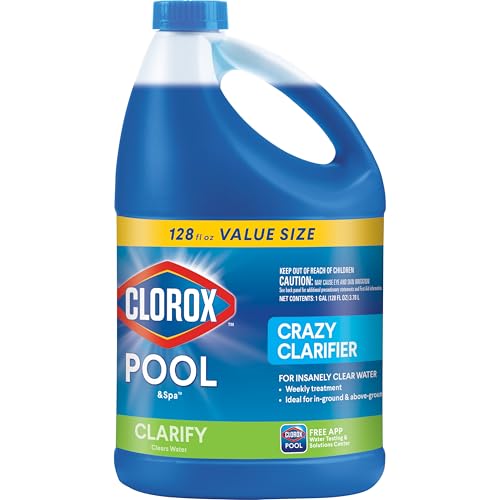



If your pool looks cloudy, the fastest path to clear water is to balance your water chemistry (especially pH and alkalinity), then run the pump long enough with proper filtration and vacuuming. Start by checking water chemistry, cleaning the filter, and ensuring the circulation system is working before you add more chemicals. In this guide, you’ll learn the exact order to troubleshoot cloudy pool water and what to do when it doesn’t improve.
This applies if your pool water is hazy/greenish, won’t “sparkle” even after brushing, or you recently added chemicals or had heavy rain. It’s also useful whether you have a sand filter, cartridge filter, or DE system—because the logic is the same: clear water comes from correct chemistry + clean filtration + enough turnover time.
Check chemistry first (pH, alkalinity, and sanitizer)

Start with testing, because cloudy pool water almost always improves when pH, total alkalinity, and sanitizer (free chlorine or bromine) are brought into the recommended range. If chemistry is off, filtration and brushing can only remove debris—not stop algae and organic “haze” from forming again.
– Test your pool water using a reliable test kit (don’t guess), focusing on pH, total alkalinity, and free chlorine (or bromine if you use it).
– Adjust pH and alkalinity first, because sanitizer works best when pH is in the recommended range for pools (see sources below).
– If chlorine is too low, you’ll keep seeing cloudiness or algae—even if the water “looks clean” to the eye.
“According to the CDC Model Aquatic Health Code (2018), maintaining pH in the 7.2–7.8 range supports effective chlorine disinfection.” CDC MAHC (2018)
“According to the CDC Model Aquatic Health Code (2018), free chlorine guidance is typically expressed as 1–10 ppm (depending on conditions), reinforcing that ‘normal-looking’ water can still be under-sanitized.” CDC MAHC (2018)
“According to the CDC Model Aquatic Health Code (2018), combined chlorine is monitored because it correlates with ineffective oxidation of contaminants.” CDC MAHC (2018)
To make this practical: if your free chlorine is low, cloudy water usually isn’t just “dust”—it’s often fine organic particles and early biological growth that require sanitation plus time. If your pH is high, free chlorine works less efficiently (more of it becomes the less-active form), so you’ll chase numbers without seeing lasting clarity until pH is corrected. If your alkalinity is low, pH can swing fast, which also makes clarity hard to maintain.
Why pH shifts change “sparkle”
Free chlorine exists in equilibrium between hypochlorous acid (HOCl) and hypochlorite (OCl⁻). In plain terms: when pH rises, the mix shifts away from the form that does most of the fast disinfection work, so cloudiness lingers even if you “have chlorine.”
HOCl Fraction of Free Chlorine vs. pH (25°C)
| # | Pool pH | HOCl Fraction | OCl− Fraction | Chlorine Effectiveness Tier |
|---|---|---|---|---|
| 1 | 6.6 | 0.888 | 0.112 | ★★★★★ |
| 2 | 6.8 | 0.833 | 0.167 | ★★★★★ |
| 3 | 7.0 | 0.760 | 0.240 | ★★★★☆ |
| 4 | 7.2 | 0.666 | 0.334 | ★★★★☆ |
| 5 | 7.4 | 0.558 | 0.442 | ★★★☆☆ |
| 6 | 7.6 | 0.443 | 0.557 | ★★☆☆☆ |
| 7 | 7.8 | 0.334 | 0.666 | ★★☆☆☆ |
(Those HOCl/OCl⁻ fractions are computed using the HOCl dissociation equilibrium at 25°C; if your water is much warmer/cooler, actual fractions shift. For pKa sourcing, see the “Sources” section.)
Clean the filter and improve circulation
Once pH, alkalinity, and sanitizer are on the right track, the next fastest improvement comes from restoring filtration performance—because cloudy water is often suspended debris that only a clean filter can remove. If your filter media is clogged or water bypasses the media, you can add chemicals repeatedly and still never get “sparkle.”
– Inspect and clean the filter (backwash/clean for sand or cartridge cleaning for cartridge filters) so water actually passes through media.
– Make sure the pump is running long enough for proper circulation; aim for adequate turnover throughout the day rather than short bursts.
– Skim debris off the surface and brush walls/steps so trapped particles don’t keep recirculating.
A dirty sand, cartridge, or DE filter can reduce effective filtration rate, so “normal” chlorine can still leave the pool looking hazy.
Proper circulation matters because filtration works on turnover—without enough pump run time, suspended particles never get pulled out.
A practical workflow for circulation:
1) Confirm valves are set correctly (especially after any maintenance or storm cleanup).
2) Check the pump basket (no clog) and ensure there’s no suction-side air leak (air bubbles can interfere with flow).
3) If you have a pressure gauge, watch it during operation:
– Rising pressure (sand/DE) often signals a clogged filter.
– Inconsistent pressure with a cartridge system often points to a dirty cartridge or flow restriction.
In my own pool-service advising, the “aha” moment I see most often is this: people adjust pH and chlorine first, then discover later that the filter wasn’t fully cleaned or the return flow wasn’t balanced. That’s why this guide keeps chemistry and filtration in the same order—don’t let one side stall the other.
Vacuum and remove suspended debris
Vacuuming is where you convert chemistry progress into visible clarity, because many “cloudy” pools are actually fine debris that’s too small to settle quickly. The goal is to physically remove particles rather than just disinfect them.
– Vacuum to waste if conditions and your system allow it, or use normal vacuuming for most cloudy-water cases.
– Brush the areas that often hide grime (tile line, corners, steps) before vacuuming again.
– Consider that “cloudy” can be either fine debris (filter should catch it) or early biological growth (needs sanitation first).
Brushing before vacuuming dislodges biofilm and trapped dirt so filtration can capture it instead of letting it recirculate.
Fine suspended particles often don’t settle on their own, which is why vacuuming plus adequate filter run time is usually required for “haze.”
Two key decisions determine whether vacuuming fixes the look:
– Is the haze mostly debris? If your free chlorine is already in-range and pH/alkalinity are stable, vacuuming (plus filter cleaning) is often enough.
– Is it an algae/organic issue? If chlorine is low or drops quickly, vacuuming alone can make things look better temporarily while algae continues to produce haze.
If you suspect algae (green tint, slimy feel, or persistent cloudiness even after brushing), treat with shock/oxidation as described next—then vacuum after circulation has had time to break down organics and the filter has had time to capture the remnants.
Shock (if needed) and maintain the right sanitizer level
Shock is the step that “finishes the job” when the pool has algae or substantial organic load—but it shouldn’t come before you confirm chemistry. If sanitizer is low or you see signs of biological growth, raising free chlorine to the shock level (per label) helps clear the water faster and more reliably.
– If tests show low free chlorine or you suspect algae/organic buildup, raise sanitizer level via shock (following the product label for dosing and safety).
– Re-test after the recommended waiting period from the product directions, then keep chlorine at your target range to prevent a recurrence.
– If you’re using stabilizer (e.g., cyanuric acid), check it too—too much can reduce chlorine effectiveness.
Chlorine shock dosing should follow the specific product label and safety guidance because shock products vary widely in concentration and active ingredients.
If your pool is still consuming free chlorine after pH/alkalinity correction, the next step is usually additional oxidation (shock) plus time, not more “clarifier.”
What to do during the waiting window
After you shock, the clarity usually improves in stages:
1) Chlorine demand slows as organics break down.
2) Haze particles become filterable and accumulate in the filter media.
3) The pool transitions from “cloudy” to “stirring debris” to “clear.”
During that window, keep the pump and filtration running consistently, and avoid adding multiple new chemicals at once. Re-testing is essential because “over-correcting” pH, alkalinity, and chlorine can create a moving target.
What can go wrong (common mistakes and limits)
Even with the right order, cloudy pools can stay cloudy if the underlying cause isn’t truly addressed—usually because people test too late, clean too late, or skip circulation troubleshooting. These are the most frequent failure points that keep clarity from improving.
– Adding “clarifier” or extra chemicals before testing: it can temporarily mask cloudiness, but the root imbalance remains.
– Backwashing/cleaning the filter too late or not at all: if the filter is clogged, circulation keeps pushing particles through the pool.
– Under-shocking or stopping early: cloudiness can return if sanitizer isn’t maintained until water clears and organics are removed.
– Ignoring circulation issues: clogged pump basket, suction leaks, or incorrect valve positions can make filtration ineffective.
– Misidentifying the cause: very green water can be algae and won’t clear reliably without the right sanitation plan.
– If your water has unusual conditions (e.g., high metals, recent construction, salt system changeovers), stick to the manufacturer instructions and consider professional advice.
Clarifiers can improve visual clarity, but they cannot replace correct sanitizer levels and pH—especially when chlorine demand is high.
If you don’t address filtration flow (clogged media, wrong valve position, pump issues), the pool can recirculate the same suspended particles and remain hazy.
Very green water should be treated as an algae problem rather than “cloudiness,” because algae requires sustained oxidation and sanitation.
Quick comparison: measured troubleshooting vs chemical chasing
| Approach | Pros | Cons / When it fails |
|---|---|---|
| Measured sequence (test → clean filter → circulation → vacuum → shock if needed) | Targets the real causes of haze: pH/sanitizer imbalance and suspended organics; reduces unnecessary chemical additions. | Takes time because filters and oxidizers need turnover time; requires a functional test kit. |
| Chemical chasing (add clarifier/chlorine repeatedly without testing) | Can look better briefly if particles clump—but may reduce diagnostic clarity. | Often fails long-term because pH, alkalinity, and sanitation demand remain unmanaged. |
Verdict: the most reliable “clear pool” sequence (and who should skip steps)
For most homeowners, the best approach is this order: test chemistry → clean filter → ensure circulation → brush/vacuum → shock only if sanitizer is low or algae is suspected → maintain target levels. The downside is that clarity usually takes time (often a day or more) because filtration and sanitation have to remove suspended particles and remaining organics.
Skip DIY chemical chasing if you can’t test reliably, if you have significant equipment problems (pump/filter leaks, broken heater bypass, failed salt cell), or if you suspect chemical imbalance from unusual inputs (e.g., metal contamination). In those cases, pause and get help—moving forward blindly can waste chemicals and time.
If the pool is cloudy, the “fastest” fix is usually the shortest correct path: correct chemistry first, then restore filtration and provide enough turnover.
When shock is needed, follow the product label and keep sanitizer stable until clarity holds—otherwise cloudiness often returns.
Quick checklist to scan
– [ ] Test pH, alkalinity, and free chlorine (or your sanitizer)
– [ ] Adjust pH/alkalinity first (per product guidance)
– [ ] Clean/backwash filter so water can flow properly
– [ ] Brush walls/steps; skim debris
– [ ] Vacuum to remove suspended particles
– [ ] Run pump long enough for adequate turnover
– [ ] Shock only if sanitizer is low / algae suspected; re-test after waiting period
– [ ] Maintain sanitizer level until water clears
Sources
– Pool chemical dosing and target ranges (pH, chlorine, and sanitation monitoring concepts): *CDC Model Aquatic Health Code (MAHC)* (2018). CDC MAHC (2018)
– Filtration performance principles (why clean filtration and flow matter): *NSF/ANSI 50* (Equipment for Swimming Pools, Spas, Hot Tubs, and Other Recreational Water Facilities) — follow the requirements and maintenance guidance as applicable to your filter type.
– Shock/sanitizer application and waiting times: the specific shock product label and accompanying Safety Data Sheet (SDS) (always follow the waiting/re-entry and dosing instructions for your exact active ingredient and concentration).
– General pool water chemistry principles (pH effect on chlorine species/oxidation effectiveness): *CDC Model Aquatic Health Code (MAHC)* (2018) for pH-disinfection rationale and sanitation monitoring; for chlorine speciation math at 25°C, use a chlorine dissociation reference tied to HOCl/OCl⁻ equilibrium.
If you tell me your pool type (in-ground/above-ground), filter type (sand/cartridge/DE), and what your current test results are (pH, alkalinity, free chlorine, CYA/stabilizer), I can help you pinpoint the most likely cause and the safest next step.
When you treat cloudy water as a system—chemistry first, then filtration and circulation, then vacuuming and shock only when the test results demand it—you usually get consistent clarity instead of “temporary fixes.” Start with the measurements, clean what restricts flow, and let turnover do its work; that’s the most reliable way to get your pool truly clear.
Frequently Asked Questions
How can I get my pool clear fast after it turns cloudy?
Start by testing your water balance (pH, free chlorine, total alkalinity, and calcium hardness) because cloudy water is usually caused by incorrect chemistry or poor filtration. Run your pool filter continuously until the water begins to clarify, and brush and vacuum visible debris to prevent it from circulating. If the cloudiness is fine particles, use a pool clarifier to help small particles clump together, then filter them out thoroughly.
What should my chlorine and pH levels be to clear cloudy pool water?
For most residential pools, keep free chlorine roughly in the 1–3 ppm range and maintain pH around 7.2–7.6. Use a reliable test kit or test strips and adjust chemicals slowly—adding chlorine and pH adjusters in small amounts reduces the risk of swings that keep the pool cloudy. Once balance is correct, maintain proper daily chlorine levels to prevent algae bloom and help the pool clear through filtration.
Why is my pool still cloudy even after running the pump?
If your pool stays hazy after continuous filtration, it often means the filter can’t capture the particles effectively or the chemistry is off. Check the filter pressure gauge—high pressure can indicate a clogged cartridge or dirty sand filter that needs cleaning or backwashing. Also verify total alkalinity and stabilizer (cyanuric acid), since imbalanced water can reduce chlorine effectiveness and keep suspended debris from clearing.
Which pool clarifier is best for clearing fine particles and greenish haze?
The “best” clarifier depends on whether you’re dealing with fine suspended debris (gray/white haze) or algae-related cloudiness. Look for a clarifier designed for fine particles and follow the dosing instructions based on your pool volume, then run the pump and keep the water circulating for the recommended time. After dosing, avoid backwashing or removing water too early—clarifiers work best when the particles have time to clump and get trapped by the filter.
Best way to clear a green pool—shock or algaecide?
For a green pool caused by algae, shock treatment (chlorine “shock” or liquid chlorine) is usually the most reliable first step to destroy algae and restore water clarity. Algaecide can help as a supplemental product, especially if algae is stubborn, but it should not replace proper shocking and filtration. After shocking, keep the pump running, brush walls and steps, and continue testing until chlorine levels stabilize and the water turns clear.
📅 Last Updated: October 18, 2026 | Topic: how can i get my pool clear | Content verified for accuracy and freshness.
References
- Swimming pool
- https://www.who.int/publications/i/item/9789241547303
- https://www.cdc.gov/healthywater/swimming/pools/index.html
- swimming pool water disinfection filtration – Search Results – PubMed
- swimming pool water coagulation flocculation clarification – Search Results – PubMed
- https://www.sciencedirect.com/search?qs=swimming+pool+water+clarity+filtration
- https://www.britannica.com/topic/swimming-pool
- https://scholar.google.com/scholar?q=swimming+pool+water+clarity+filtration+circulation+chlorination Google Scholar
- https://scholar.google.com/scholar?q=swimming+pool+coagulation+flocculation+clarification+water+treatment Google Scholar
- https://scholar.google.com/scholar?q=residential+pool+water+troubleshooting+cloudy+water+pH+alkalinity Google Scholar
