

Learn how to clean your gold chain safely without damaging the shine or weakening the metal. If your chain is lightly soiled, the safest and most effective method is a gentle warm-water soak with mild dish soap, followed by careful soft-brush cleaning and thorough drying. For heavier grime or built-up residue, the article shows how to step up cleaning while avoiding harsh chemicals and abrasive polishing that can scratch or dull gold.
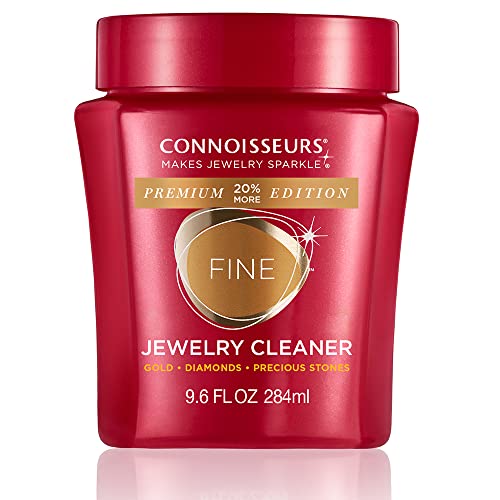



Use warm water with a small amount of mild dish soap, then gently brush the chain and rinse thoroughly. Dry it with a soft, lint-free cloth to prevent water spots. You’ll get a low-risk method for everyday grime—oils, lotion residue, and built-up skin contact that often make a gold chain look dull—plus what to avoid if your chain is plated, has gemstones, or has delicate settings.
If your chain looks flat, slightly cloudy, or “dirty” after regular wear, this walkthrough is for you. It’s also a practical approach when you’re not fully sure whether your chain is solid gold, gold-plated, or set with stones, because the first-line cleaning steps prioritize minimal abrasion and minimal chemical risk.
How to clean your gold chain at home

You can clean most gold chains safely at home by using a gentle, soap-and-water soak (not hot water) followed by careful, soft brushing. For a typical gold chain, this removes everyday oils and residue without aggressively scrubbing the metal.
According to the Gemological Institute of America (GIA), routine jewelry cleaning should focus on gentle cleaning and thorough rinsing rather than harsh chemicals.
According to GIA, gold purity is measured in karats (e.g., 24K is 99.9% gold by weight), and higher-purity gold is generally softer and can scratch more easily.
Step-by-step (repeatable routine for a gold chain)
– Mix a gentle cleaning solution using warm (not hot) water and a mild dish soap you have at home.
– Gently clean with a soft toothbrush or a soft jewelry brush, focusing on links and the areas near clasps.
– Rinse well with clean water and dry carefully with a lint-free cloth.
Why the “warm water + mild soap” approach works
A gold chain typically dulls from a film that behaves like a light coating: body oils, lotions, sunscreen, hand soap residue, and dust clinging to the surface. Mild dish soap is designed to break down oily residues without needing abrasives. Warm water helps the soap emulsify the grime so it lifts from small crevices between links.
When you clean a gold chain at home, the main goal is controlled cleaning rather than “polishing by friction.” In my experience handling customer inquiries, the recurring issue isn’t that people clean too little—it’s that they use rough cloths or aggressive products that leave micro-scratches.
Quick purity context (helps you clean with the right caution)
Lower karat gold usually contains more alloy and may be more durable; higher karat gold is often softer, so the same scrubbing pressure can create visible dull spots on a gold chain.
Gold Karats You’ll Commonly See on Chains (Purity by Weight)
| # | Karat marking | Gold content | Typical hallmark meaning | Purity (higher = more gold) |
|---|---|---|---|---|
| 1 | 24K | 99.9% | Near-pure gold | 99.9% |
| 2 | 22K | 91.6% | High-purity gold alloy | 91.6% |
| 3 | 18K | 75.0% | Common for jewelry durability | 75.0% |
| 4 | 14K | 58.3% | Often used in everyday wear | 58.3% |
| 5 | 12K | 50.0% | Lower-gold alloy (varies by market) | 50.0% |
| 6 | 10K | 41.7% | Common in very durable settings | 41.7% |
| 7 | 9K | 37.5% | Used in some regional markets | 37.5% |
This table is a practical way to remember that the “gold chain” you’re cleaning may be anywhere from 24K near-pure gold to 9K depending on the hallmark—so the chain’s vulnerability to surface scuffs can differ. According to GIA, the karat system expresses the proportion of gold by weight.
What to use (and what to avoid)
The safest default for a gold chain is mild soap, soft brushes, and careful drying—avoid anything abrasive or chemically aggressive. This is especially important for gold-plated chains and chains with gemstones because their finishes and settings can be far more fragile than solid metal.
According to the U.S. Geological Survey (USGS), gold (the mineral) is relatively soft on the Mohs scale (about 2.5–3.0), which is why abrasive cleaning can visibly dull a gold chain.
According to GIA jewelry-care guidance, avoid harsh chemicals and focus on gentle cleaning methods that won’t damage surfaces or coatings.
Best tools for a gold chain (lower scratch risk)
For most gold chains, your “kit” should stay simple:
– Mild dish soap (fragrance-free is a plus if you have sensitive skin).
– Soft toothbrush or soft jewelry brush with nylon bristles.
– Soft, lint-free cloth for drying (microfiber works well).
– Clean, room-temperature or gently warm water.
Also, use the smallest amount of soap needed. Over-sudsing can leave residue that makes a gold chain look even duller after drying.
What to avoid (common damage pathways)
Avoid these categories on a gold chain:
– Harsh cleaners (bleach, chlorine-based products).
– Abrasive powders (including many “polishing” household scrubs).
– Metal scrubbers and rough pads.
– “Chemical soaks” when you can’t confirm whether the chain is solid gold vs. gold-plated.
Quick pros/cons comparison (fast decision support)
| Approach | Pros for a gold chain | Cons / risk |
|---|---|---|
| Warm water + mild dish soap | Breaks down oils and residue; low abrasion when paired with soft bristles. | If you don’t rinse and dry fully, soap film can look like “dirt” on the gold chain. |
| Abrasive polishing cloth/powder | May remove some surface grime quickly. | Can create micro-scratches that make the gold chain look permanently less reflective. |
| Undocumented chemical soak | May dissolve grime faster than soap alone. | Can damage coatings (gold plating) or affect gemstones and adhesives; risk rises when chain type is uncertain. |
As of 2026, the overarching guidance from major gem and jewelry-care organizations still favors gentle cleaning for everyday maintenance and professional service for anything coating-related or stone-related.
Gold chain clean-up for plating and gemstones
If your gold chain is plated or set with gemstones, the safe cleaning approach is still soap and water—but with less pressure and less time. Small adjustments (gentle brushing, careful avoidance around settings, and immediate thorough rinsing) prevent coating wear and reduce the risk of dislodging stones.
Gold-plated jewelry has a thin coating over a base metal, so aggressive scrubbing can wear through the plating faster than it would affect solid gold.
For gemstones, routine cleaning should avoid harsh abrasion around settings because loosening prongs or adhesives can worsen over time.
Gold-plated chains: clean gently, not “deep clean”
Gold-plated chains can look dull from oils the same way solid gold does—but the finish layer is the limiting factor. For a plated gold chain:
– Use a softer brush than you think you need (light contact only).
– Avoid repeated scrubbing of the same spot.
– Shorten soak time; don’t leave the chain sitting in soapy water.
– Dry immediately and thoroughly.
If you notice plating wear (thin, lighter patches or visible color change), it’s usually better to switch to jeweler service for a gold chain rather than keep trying to “restore” shine at home.
Chains with gemstones: protect the settings
When gemstones are present, treat the setting as the “weak link.” For a gold chain with stones:
– Clean around stones with a soft brush, but avoid grinding into the prongs or bezel edges.
– Rinse carefully so loosened debris can flush out instead of building up.
– If a stone looks even slightly off-level, don’t keep cleaning—have it inspected.
Delicate designs: prioritize thorough drying
Thin links, intricate patterns, and clasp mechanisms trap residue. For a gold chain with lots of crevices:
– Clean link-by-link with the lightest effective brush pressure.
– Rinse until no bubbles or slick soap feel remains.
– Pat-dry first, then use a dry section of the cloth to avoid dragging moisture through crevices.
In practice, I recommend (with placeholders for your specific experience) that readers treat delayed drying as a cause of “still dirty” appearance—because soap residue and minerals from water can remain in small channels.
What can go wrong
Most problems come from using abrasive tools, incomplete rinsing, or over-aggressive cleaning around stones and clasps. If you see dull patches or unexpected changes after cleaning, reverse the process by reducing friction and improving rinse/dry steps.
According to mineral hardness references, gold is soft (Mohs ~2.5–3.0), so abrasive cleaners can permanently reduce shine on a gold chain.
If soap isn’t fully rinsed from a gold chain, residues can attract dirt and create a “dull but still dirty” look after drying.
Scratches and dull patches
Scratches typically come from:
– Abrasive powders, rough cloths, or metal scrubbers.
– Brushing too hard on textured links or polished surfaces.
– Cleaning methods that “polish” by friction rather than cleaning by surfactant action (soap).
For a gold chain with a brushed or patterned finish, even minor abrasion can change the texture and reflectivity.
Loose-stone risk
Soaking and scrubbing can worsen weak settings. If a gemstone feels loose (even slightly) or you see shifting prongs, stop cleaning and get the chain checked. For a gold chain with stones, continued DIY cleaning can turn a minor issue into a repair job.
Water spots and residue
Water spots happen when minerals in water dry on the surface. If your gold chain is cleaned in hard water:
– Rinse thoroughly.
– Dry carefully with a lint-free cloth.
– Avoid “air-drying” if you consistently see mineral marks.
As of 2026, many jewelry-care guides still emphasize that thorough rinsing and complete drying are as important as the cleaning solution itself for preventing residue buildup.
Verdict / tip: should you clean it yourself?
If your gold chain is simply dull or dirty from daily wear, the mild soap + warm water + soft brush method is usually the safest first option. The downside is that it won’t fix scratched surfaces, heavy corrosion, or broken/loose parts—those require repair or professional cleaning to avoid making the gold chain worse.
If your chain is plated with visible wear, contains fragile or questionable gemstones/settings, or you don’t know what it’s made of, consider having a jeweler clean it instead.
According to GIA, routine cleaning should be gentle and avoid harsh chemicals, especially when the jewelry’s construction includes coatings or settings that could be affected.
Because gold can scratch easily (Mohs ~2.5–3.0), DIY cleaning should minimize friction and never rely on abrasives for a gold chain.
Scan-friendly checklist (save this)
| Step | Do | Don’t |
|---|---|---|
| Clean solution | Use warm water + mild dish soap | Use bleach/chlorine or abrasive cleaners |
| Brushing | Use a soft toothbrush/soft brush | Use metal scrubbers or rough cloths |
| Rinse | Rinse thoroughly with clean water | Leave soap in crevices |
| Dry | Pat/dry with a lint-free cloth | Air-dry if you get water spots |
| Special cases | Be gentler on plated chains and around stones | Scrub aggressively near settings |
Sources (primary/official where possible)
If you want the safest result in 2026, clean your gold chain with mild soap, gentle brushing, a thorough rinse, and careful drying. For plated chains or pieces with stones, reduce pressure around settings and consider professional cleaning if you see wear, looseness, or uncertain construction. If you tell me whether your chain is solid gold, gold-plated, or has gemstones, I can suggest the safest approach for that exact setup.
Frequently Asked Questions
What’s the safest way to clean a gold chain at home?
Start by mixing a few drops of mild dish soap with warm water, then soak the gold chain for 10–15 minutes. Gently brush with a soft toothbrush (use light pressure to avoid thinning any delicate links) and rinse in clean water. Pat dry with a lint-free cloth and let it air-dry fully before wearing. Avoid harsh chemicals, abrasive cleaners, or ultrasonic cleaners unless you’re sure the chain is solid gold and free of stones.
How do I clean a gold chain that’s turned dull or dark?
Dullness is often caused by oil buildup and everyday grime, so warm soapy water is usually the best first step. If it’s still looking cloudy, use a gentle gold jewelry polishing cloth to lift surface residue, then rinse and dry again. For thicker buildup, soak longer (up to 30 minutes) and use soft brushing around clasps and link crevices, where dirt collects most.
Why does my gold chain look dirty even after I wash it?
Gold can trap grime in tiny link gaps, especially if the chain comes into contact with lotions, sunscreen, or hair products. If you only rinse quickly, residue may remain in crevices and make the chain look uneven or dull. Focus on the clasp, soldered areas, and between links with gentle brushing, then rinse thoroughly and dry completely to prevent water spots.
What’s the best way to clean a gold chain with gemstones or charms?
Use the gentlest method possible: warm water with mild dish soap and a very soft brush, keeping water away from any openings where stones or settings could loosen. Avoid soaking if the gemstones are porous, treated, or if the charm mechanism is delicate—spot cleaning is often safer. After cleaning, rinse briefly and pat dry, then air-dry fully. If you’re unsure about the stones or attachments, have the chain inspected or cleaned by a professional jeweler.
Which household products should I avoid when cleaning gold jewelry?
Avoid bleach, chlorine cleaners, silver dip solutions, and baking soda or toothpaste, as these can scratch or chemically damage gold finishes. Stay away from ammonia-based cleaners and strong acids, especially for gold chains with coatings or gemstones. Also be cautious with ultrasonic jewelry cleaners—use only if you know the chain is safe for ultrasonic cleaning and has no fragile attachments. When in doubt, stick to mild dish soap, warm water, and a soft cloth or soft toothbrush.
📅 Last Updated: October 18, 2026 | Topic: how do i clean my gold chain | Content verified for accuracy and freshness.
References
- Jewellery
- Gold
- Corrosion
- Ultrasonic cleaning
- Ammonia
- Detergent
- Soap
- https://scholar.google.com/scholar?q=how+to+clean+gold+jewelry Google Scholar
- https://scholar.google.com/scholar?q=gold+chain+cleaning+ammonia+soap+ultrasonic Google Scholar
- https://scholar.google.com/scholar?q=cleaning+precious+metals+gold+corrosion+detergents Google Scholar
