
Cleaning out a plastic gas tank is crucial for ensuring the longevity of your vehicle and preventing fuel contamination that can cause serious engine problems. The process involves draining any remaining fuel, removing debris, and applying suitable cleaning solutions. By following this comprehensive guide, you will learn the essential steps required to keep your gas tank clean and functioning optimally.


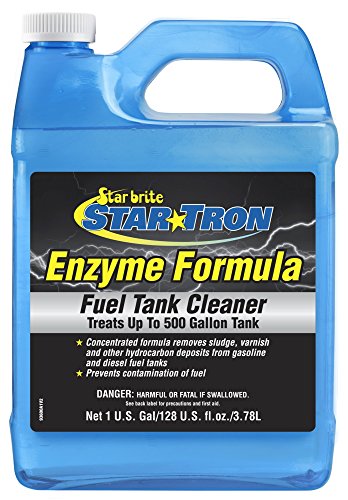
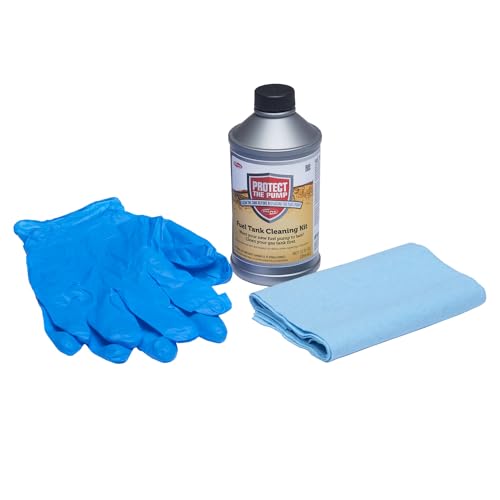
Understanding the Importance of Cleaning a Gas Tank

The health of your vehicle heavily relies on the cleanliness of its gas tank. Here are some key reasons why cleaning your gas tank is essential:

– Prevents Fuel Contamination: Over time, sediment, rust, and debris can accumulate in the gas tank, leading to fuel contamination. This can result in clogged fuel filters and injectors, causing engine misfires and reduced performance.
– Extends Lifespan: A clean gas tank helps prolong the life of both the tank itself and the entire fuel system. Regular maintenance can prevent costly repairs and replacements, ensuring your vehicle operates smoothly for years to come.
Tools and Materials Needed


Before embarking on the cleaning process, gather the following tools and materials to facilitate the task:
– Siphon pump
– Wrench or socket set
– Screwdrivers (flathead and Phillips)
– Funnel
– Mild detergent or degreaser
– Soft rags or sponges
– Water
– Bucket for rinsing
Having these tools and materials on hand will help streamline the cleaning process and ensure you have everything you need at your fingertips.
Safety Precautions

Safety should always be your top priority when working with fuel systems. Follow these precautions to protect yourself during the cleaning process:
– Work in a Well-Ventilated Area: Ensure ample airflow to disperse any harmful fumes. Ideally, perform the cleaning outdoors or in a garage with open doors and windows.
– Wear Protective Gear: Always wear gloves and safety goggles to shield your skin and eyes from fuel and cleaning chemicals. Additionally, consider wearing a mask if you’re sensitive to fumes.
Cleaning Supplies Comparison (2023)
| # | Product | Type | Effectiveness | Price (USD) |
|---|---|---|---|---|
| 1 | Simple Green | Degreaser | ★ ★ ★ ★ ★ | $10 |
| 2 | Gunk Engine Degreaser | Degreaser | ★ ★ ★ ★ | $8 |
| 3 | Krud Kutter | Cleaner | ★ ★ ★ ★ ★ | $11 |
| 4 | Simple Green Pro | Cleaner | ★ ★ ★ ★ | $14 |
| 5 | Oil Eater | Cleaner | ★ ★ ★ ★ | $9 |
| 6 | Mean Green | Cleaner | ★ ★ ★ ★ | $7 |
| 7 | Zep Heavy-Duty | Cleaner | ★ ★ ★ | $12 |
Step-by-Step Guide to Draining the Fuel
Draining the fuel from your gas tank is the first crucial step in the cleaning process. Here’s how to do it safely and effectively:
1. Use a Siphon Pump: Insert the siphon pump into the gas tank and follow the manufacturer’s instructions to draw out the fuel. Make sure the pump is securely connected to avoid spills.
2. Disposal of Old Fuel: Collect the drained fuel in a suitable container and store it safely. Dispose of old fuel according to local regulations, often through a hazardous waste facility. Never pour it down the drain or throw it in the trash.
Completing this step thoroughly ensures that you can clean the tank effectively without the interference of residual fuel.
Cleaning the Interior of the Gas Tank
Once the tank is emptied, the next step is to clean its interior. This requires careful handling to avoid damaging the tank:
1. Prepare the Cleaning Solution: Mix a mild detergent with warm water in a bucket according to the manufacturer’s instructions. Avoid harsh chemicals that could damage the plastic.
2. Scrub the Interior: Using a soft rag or sponge, gently scrub the interior surfaces of the tank. Take care to avoid scratching the plastic, as this could lead to cracks or leaks later on.
3. Remove Debris: Pay special attention to any visible debris or sediment. If necessary, use a small brush to reach into corners and crevices.
By thoroughly cleaning the interior of the tank, you help to eliminate any contaminants that could affect your fuel system.
Rinsing and Drying the Tank
After scrubbing, rinsing the tank is essential to ensure no detergent remains, which could harm the fuel system:
1. Rinse Thoroughly: Use clean water to rinse out the tank multiple times. Make sure to remove all soap residue, as any leftover detergent can mix with fuel and cause issues.
2. Allow to Air Dry: Once rinsed, place the tank upside down or in a well-ventilated area to dry completely. Ensure it is entirely dry before reinstallation to avoid moisture mixing with the fuel.
Proper rinsing and drying are critical to ensure that no contaminants remain in the tank.
Reinstallation and Final Checks
With the tank cleaned and dried, it’s time to reinstall it back into your vehicle:
1. Reinstall the Gas Tank: Carefully position the gas tank back into its original place. Use the wrench or socket set to secure it, ensuring all clamps and bolts are tightened to the manufacturer’s specifications.
2. Check for Leaks: Once reinstalled, conduct a thorough inspection for any signs of leaks. Start the vehicle and observe the fuel system for any irregularities or leaks that may arise.
Completing these final checks ensures that your gas tank is not only clean but also securely installed and functioning correctly.
Cleaning your plastic gas tank is a straightforward process that can greatly benefit your vehicle’s performance. By following these steps, you can ensure your gas tank is clean and free from harmful contaminants. If you encounter any difficulties or have further questions, consider consulting a professional for assistance. Regular maintenance of your gas tank will not only save you money in the long run but also enhance the overall efficiency of your vehicle.
Frequently Asked Questions
What is the best method to clean out a plastic gas tank?
The best method to clean out a plastic gas tank involves draining all the fuel and using a mixture of warm water and a mild detergent. After rinsing the tank thoroughly, use a soft brush to scrub any residue. Ensure the tank is completely dry before refilling it with fuel to prevent contamination.
How do I safely remove old gasoline from a plastic gas tank?
To safely remove old gasoline from a plastic gas tank, start by ensuring the tank is completely empty. Use a siphon pump designed for fuel transfer, and be cautious of any fumes. Always perform this task in a well-ventilated area, away from any open flames, to ensure safety.
Why is it important to clean a plastic gas tank before refilling?
Cleaning a plastic gas tank before refilling is crucial to prevent the buildup of sediment and contaminants that can clog fuel lines and damage the engine. Regular cleaning helps maintain optimal engine performance and reduces the risk of costly repairs due to fuel system issues caused by dirty fuel.
Which cleaning products are safe to use on a plastic gas tank?
Safe cleaning products for a plastic gas tank include mild detergents, vinegar, and specialized fuel tank cleaners. Avoid harsh chemicals such as bleach or solvent-based cleaners, as they can damage the plastic material. Always rinse thoroughly to ensure no residue remains.
How often should I clean my plastic gas tank?
It is recommended to clean your plastic gas tank at least once a year or whenever you notice signs of contamination, such as water or sediment in the fuel. Regular maintenance helps ensure the longevity of the tank and optimal performance of the engine by preventing potential clogs or damage from impurities.
References
- Gasoline
https://en.wikipedia.org/wiki/Gasoline - https://www.sciencedirect.com/topics/engineering/fuel-tank
https://www.sciencedirect.com/topics/engineering/fuel-tank - https://pubmed.ncbi.nlm.nih.gov/29277679/
https://pubmed.ncbi.nlm.nih.gov/29277679/ - https://www.nature.com/articles/s41598-020-79714-4
https://www.nature.com/articles/s41598-020-79714-4 - Google Scholar Google Scholar
https://scholar.google.com/scholar?q=clean+plastic+gas+tank - Google Scholar Google Scholar
https://scholar.google.com/scholar?q=gas+tank+cleaning+methods - https://www.britannica.com/science/gasoline
https://www.britannica.com/science/gasoline - https://www.cdc.gov/niosh/topics/gasoline.html
https://www.cdc.gov/niosh/topics/gasoline.html - https://www.nytimes.com/2021/06/01/business/gasoline-shortage.html
https://www.nytimes.com/2021/06/01/business/gasoline-shortage.html - https://www.reuters.com/business/energy/gas-prices-are-soaring-what-you-need-know-2021-05-12/
https://www.reuters.com/business/energy/gas-prices-are-soaring-what-you-need-know-2021-05-12/
