

Wondering how do you clean a cheesecloth so it’s ready for fresh use? The quickest, safest method is to rinse immediately, wash with hot water and a gentle detergent, then fully air-dry to prevent lingering odors and stains. Follow these simple steps and your cheesecloth comes out clean, soft, and food-ready every time.



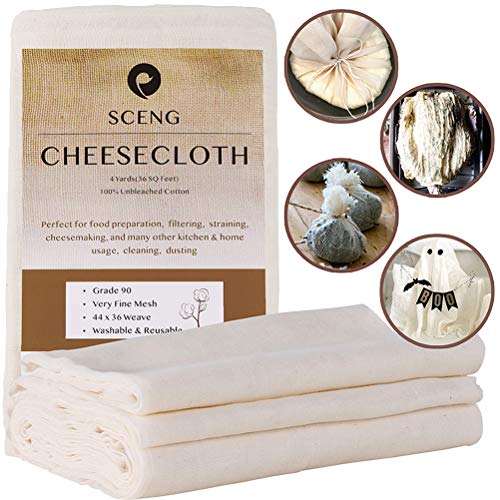
Rinse the cheesecloth right away in cool water, then wash with warm water and a mild detergent (either by hand or in the machine). If you need extra sanitizing—like after handling meat—boil it briefly or sanitize according to the fiber/label directions, then dry completely before storing. This guide will walk you through the fastest safe route for both light and heavy-duty cleanup.
If you reuse cheesecloth for draining, straining, or wrapping ingredients, you’ll want a method that removes residue without weakening the fabric. These steps are also helpful when you’re trying to get a neutral, reusable cloth back for the next batch of cooking.
If you want the simplest path, follow the order: cool rinse → mild detergent wash → rinse again → fully dry. Then, only add boiling/sanitizing when the cheesecloth’s label (and your contamination risk) calls for it.
Rinse and prep before washing

A quick pre-rinse makes the rest of the cleaning easier because it prevents food residue from drying into the weave. You’ll get a noticeably cleaner result when you start with cool water and only move to warm water after the bulk of solids are removed.
– Shake off crumbs or residue, then rinse under cool water to remove as much food as possible.
– For sticky bits, soak for a short time in cool water before you start washing.
– Check for any label notes (some cheesecloth blends or finishes may have special care instructions).
CDC advises that soap and water remove germs by loosening them from surfaces; the same principle supports rinsing textiles before detergent cleaning.
According to the CDC, washing hands with soap and water should last at least 20 seconds, reflecting how time and agitation help physically remove soil before sanitizing.
How to handle common residue types
If your cheesecloth has curd/yogurt residue, a cool-water rinse first helps avoid setting proteins in the fabric. If it has oily residue (like straining infused oils or sauces), rinse thoroughly before washing because oil films can make the cloth feel slick even after a quick detergent wash.
What to check on the label
Cheesecloth is often described as “cotton” or “cotton blend,” but the *finish* matters. Some products may be treated for strength or may include instructions like “hand wash only” or “do not boil.” In my experience, the biggest texture change happens when people treat every cheesecloth the same—so treat the label as the safety gate for heat and sanitizers ().
Wash the cheesecloth (hand-wash or machine)
The best wash method is the one that matches your cheesecloth’s care instructions and still gives enough agitation to release residue. In general, warm water + mild detergent + thorough rinsing is the repeatable standard for keeping cheesecloth reusable.
– Hand-wash: agitate gently in warm water with mild detergent, then rinse thoroughly.
– Machine-wash (if your cheesecloth is labeled machine-safe): place it in a laundry bag and wash on a gentle cycle with mild detergent.
– Repeat rinsing until the water runs mostly clear—leftover detergent or food residue can cling.
According to the CDC, detergents clean by removing germs and organic matter; sanitizing works best after cleaning because leftover soil can reduce disinfectant effectiveness.
When textiles remain contaminated after washing, re-rinsing is a practical way to remove both dissolved residue and detergent buildup that can attract odors later.
Hand-wash vs. machine-wash: which is safer?
Hand-washing is the lowest-risk option for fragile blends and specialty finishes. Machine-washing can be efficient if the label explicitly allows it, but the wash bag and gentle cycle reduce mechanical stress.
Quick comparison (use this to decide):
| Method | Best for | What to do to protect the fabric | Main risk |
|---|---|---|---|
| Hand-wash | Most specialty cheesecloths; oilier residue | Use warm water + mild detergent, gently agitate, rinse until water runs clear | More time and manual effort |
| Machine-wash (only if labeled safe) | Bulk reuse; time-saving | Put in a laundry bag, use gentle cycle, mild detergent, extra rinse if available | Heat/agitation causing shrinkage or weakening fibers |
Rinsing until “mostly clear” matters more than people think
Even when cheesecloth looks clean, detergent residue can leave a smell or affect flavor neutrality in later cooking. If you notice slickness, discoloration in the rinse water, or a persistent odor, wash again before fully drying.
Step-by-step hand-wash workflow (expanded)
1. Fill a basin with warm water (not hot) and add a mild detergent.
2. Submerge the cheesecloth and gently work the fibers with your hands for even detergent contact.
3. Rinse under running water or in clean rinse water until the rinse water is mostly clear.
4. Inspect: if you still see specks or feel oil film, repeat washing once.
Step-by-step machine workflow (expanded)
1. Confirm the label allows machine washing.
2. Place cheesecloth in a laundry bag so it doesn’t tangle and abrade.
3. Choose a gentle cycle and mild detergent.
4. Use an extra rinse cycle if your machine has it.
5. Remove promptly after the cycle so it doesn’t sit damp.
Sanitize when it’s needed
Sanitizing is only necessary when your cheesecloth could carry higher contamination risk (for example, after handling raw meat) or when label directions explicitly call for it. For routine reuse, warm washing and excellent drying are typically the practical baseline—then sanitizing becomes an “add-on” rather than the default.
– For normal reuse (no meat/dairy contamination): warm washing may be enough; focus on thorough rinsing and drying.
– For extra cleanliness: boil/sanitize only if the material and label allow it (follow the label or manufacturer care guidance).
– If sanitizing with bleach is appropriate for your specific cheesecloth, use the bleach type and dilution directions from the product label or manufacturer care sheet (don’t improvise ratios).
CDC notes that disinfectants work best after cleaning because organic matter can reduce disinfectant performance.
According to the CDC, household bleach solutions should be prepared with the correct dilution and used according to label/contact-time guidance to achieve disinfection.
Choose sanitizing intensity based on the “risk moment”
Not every use of cheesecloth is equal. The biggest mistake is sanitizing aggressively when the label says “do not boil” or when the fabric is a delicate blend—this can reduce lifespan and change how the cloth drapes.
Sanitizing Priority by Cheesecloth Reuse Scenario
| # | Reuse scenario | Typical residue | Main wash path | Sanitizing priority |
|---|---|---|---|---|
| 1 | Straining hot tea, aromatics, or spices | Light solids | Cool rinse + warm detergent wash | ★☆☆☆☆ |
| 2 | Straining broth/stock | Protein + fine sediment | Cool rinse + warm detergent wash + extra rinse | ★★☆☆☆ |
| 3 | Draining yogurt whey / cheesemaking curds (no raw meat) | Dairy proteins | Cool rinse + warm detergent wash | ★★★☆ |
| 4 | Filtering sauces/oils | Oily film | Warm detergent wash + repeat until not slick | ★★★★ |
| 5 | Wrapping dough or proofing (no contamination) | Light flour residue | Shake + cool rinse + detergent wash (as needed) | ★★☆☆☆ |
| 6 | After straining raw poultry juices | High-risk organic residue | Clean with detergent; sanitize per label/approved method | ★★★★★ |
| 7 | After straining raw seafood or mixed meat drippings | High-risk organic residue | Clean with detergent; sanitize per label/approved method | ★★★★★ |
Boiling: do it only when the label allows it
If your cheesecloth is labeled boil-safe, briefly boiling can help with sanitizing. If it’s not, boiling can cause shrinkage, distortion, or fiber weakening—then you’re left with a cloth that’s less reliable for the next strain or wrap.
Bleach sanitizing: follow dilution and compatibility rules
If bleach is appropriate for your specific cloth, you should follow the label’s bleach compatibility guidance and dilution ratios. Don’t improvise: improper dilution can reduce effectiveness or damage fibers.
According to the CDC, using household bleach requires correct dilution and attention to contact time for disinfection to work as intended (CDC disinfection guidance, 2024). CDC also notes that bleach solutions should not be mixed randomly with other cleaners (CDC cleaning and disinfection guidance, 2024).
Dry and store so it stays usable
Drying is the step that protects your future cooking results as much as cleaning does. A fully dry cheesecloth won’t smell, won’t mildew, and will stay neutral for the next batch.
– Dry completely (air-dry flat or hang so it doesn’t stay bunched while damp).
– Make sure it’s fully dry before storing—damp storage increases the chance of odors and mildew.
– Store in a clean, dry container or zip bag to keep it away from dust and kitchen grime.
According to CDC guidance on hygiene and surface care, moisture and organic residue support odor and microbial growth, which is why thorough drying matters after cleaning.
According to the CDC, disinfecting and cleaning rely on proper sequencing—clean first, then allow adequate time for disinfection and drying before reuse.
Practical drying methods that preserve the fabric
– Air-dry flat to prevent stretching and preserve weave shape.
– Hang so airflow reaches all sides; avoid leaving it bunched because the trapped damp spots are where odors start.
– If you’re in a humid environment, position it for maximum airflow and keep it away from splashing sinks.
Storage that prevents “mystery smells”
Store the cheesecloth only once it’s completely dry. A clean container or zip bag keeps dust and cooking aerosols off the fibers, which helps maintain flavor neutrality.
What can go wrong
Most issues come from skipping the pre-rinse, overusing heat, or storing cheesecloth damp. If you troubleshoot these three areas, you usually avoid the common failure modes.
– Heat damage or shrinkage: some cheesecloth may shrink or weaken if boiled when the label says otherwise.
– Residue not fully removed: straining sauces/oils can leave film—rinsing thoroughly and washing again if needed helps.
– Moldy smell: if it was stored damp even briefly, you may need to rewash immediately (and confirm the fabric can handle sanitizing).
– Dye/finish issues: colored or specialty cheesecloth may fade or bleed if you use harsh sanitizers.
CDC emphasizes that incorrect disinfectant preparation or incompatibility can reduce effectiveness and may damage materials rather than improving cleanliness.
Textile care guidance generally treats fiber-safe methods as the rule: if the label restricts heat or sanitizers, following it helps prevent irreversible shrinkage or weakening.
Troubleshooting quick fixes
– Cloth feels slick after washing: oil is still present—wash again with mild detergent and warm water, then rinse more thoroughly.
– Musty odor returns fast: it likely wasn’t fully dry before storage. Rewash and dry completely, then store in a breathable/clean setup until you know it’s dry.
– After boiling, the cloth is stiff or smaller: the fabric likely isn’t boil-safe—switch to detergent cleaning and a label-approved sanitize method (or reserve that cloth for lower-risk tasks).
Verdict / tip
If you want the simplest effective method, rinse immediately, wash with mild detergent, rinse again, and dry completely. Upgrade to boiling/sanitizing only when the cheesecloth label allows it and you actually need extra hygiene (for example, after meat handling). Skip or be extra cautious if your cheesecloth is dyed, treated, or labeled as “do not boil” / “hand wash only,” since stronger cleaning can shorten its lifespan.
According to CDC cleaning and disinfection principles, cleaning with detergent removes soil and helps disinfectants work effectively, so skipping the wash step reduces confidence in sanitizing.
CDC also states that hand hygiene practices (like adequate washing time) reflect how physical removal matters; that same “remove first, then sanitize/dry” approach applies to textiles.
Frequently Asked Questions
What’s the best way to clean cheesecloth after using it for cooking?
Start by rinsing the cheesecloth in warm water right away so food doesn’t set into the fibers. If there are residues, soak it in warm water with a little dish soap for 10–30 minutes, then gently squeeze and rinse until the water runs clear. For lingering odors or grease, follow with a short wash using mild detergent and air-dry completely.
How do you clean cheesecloth that’s stained or has dairy/cheese residue?
For stains, soak the cheesecloth in warm water with oxygen-based cleaner (like oxygen bleach) according to the label, then rinse thoroughly. Avoid harsh chlorine bleach on delicate or dyed cheesecloth unless the care instructions specifically allow it. After soaking, wash gently with mild detergent and let the cheesecloth dry fully to prevent lingering smells.
Can you machine wash cheesecloth, or is hand washing better?
Hand washing is typically best because cheesecloth is delicate and can fray or shrink if it’s too rough in the machine. If you prefer machine washing, use a gentle cycle with cold or warm water, place it in a laundry bag, and skip high heat drying. Either way, check that the cheesecloth is completely clean before reuse, especially after straining dairy-based sauces.
Which soaps and cleaners work well for washing cheesecloth?
Mild dish soap or a gentle laundry detergent works well to break down oils and food particles. For tough stains, oxygen-based cleaners are a good option because they help lift discoloration without the harshness of chlorine bleach. Avoid fabric softeners and strong perfumes, since cheesecloth can hold onto odors and may transfer them to your next meal.
Why is it important to dry cheesecloth fully before storing it?
Fully drying helps prevent mildew and musty odors, which can develop quickly in damp cloth. After washing, squeeze out excess water and air-dry flat or hanging in a well-ventilated area until completely dry. If you store cheesecloth before it’s dry, you’ll often end up needing extra cleaning the next time you use it.
📅 Last Updated: October 18, 2026 | Topic: how do you clean a cheesecloth | Content verified for accuracy and freshness.
References
- Cheesecloth
- https://www.britannica.com/topic/cheesecloth
- https://www.cdc.gov/coronavirus/2019-ncov/prevent-getting-sick/laundry.html
- https://www.epa.gov/coronavirus/cleaning-and-disinfecting-your-home
- https://www.who.int/publications/i/item/cleaning-and-disinfecting-environmental-surfaces-in-the-context-of-covid-19
- Laundry
- Disinfectant
- https://scholar.google.com/scholar?q=how+to+clean+cheesecloth+wash+sanitize Google Scholar
- https://scholar.google.com/scholar?q=reusable+cheesecloth+cleaning+boil+launder Google Scholar
- https://scholar.google.com/scholar?q=cheesecloth+sanitization+food+handling Google Scholar
