

You can clean dog vomit out of carpet fast and effectively with a vinegar-and-baking-soda method followed by thorough blotting and drying. Follow the step-by-step process to remove the mess, lift the odor, and prevent lingering stains from setting. This guide answers exactly how to handle fresh or dried vomit on carpet—without guesswork.
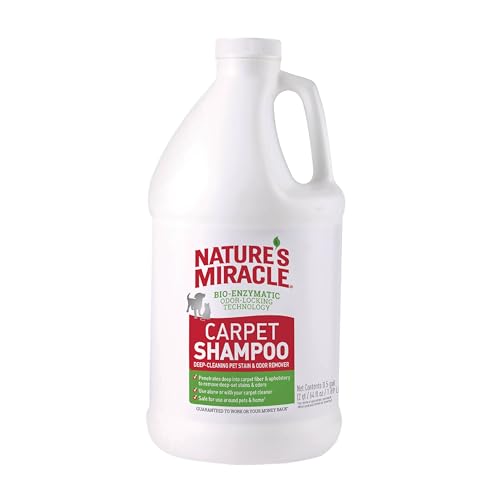



Blot up the vomit right away, then clean the spot with a carpet-safe detergent solution and finish with an enzymatic cleaner to remove the odor. Avoid soaking the carpet backing, and don’t use heat until the area is fully dry—odor can “set” as it dries. This guide walks you through the safest order of steps so the stain and smell don’t come back.
If your dog vomited on a carpet (fresh or dried), this is for you—especially if you want to remove both the visible stain and the lingering smell. The steps below work for most home carpets, but always follow your carpet manufacturer’s cleaning guidance and any enzyme cleaner label directions.
Safety first: protect your carpet and yourself

Before you clean dog vomit from carpet, protect yourself and keep the mess from spreading. This is a fast cleanup where gloves, ventilation, and quick blotting matter more than aggressive scrubbing.
Dog vomit should be treated like a bodily-fluid cleanup: use disposable gloves and keep airflow moving in the room.
Spot-cleaning starts with a test for colorfastness, because some carpet dyes can bleed when cleaners are applied.
Towels and absorbent cloths need to be within reach, since prompt blotting limits how far dog vomit soaks into carpet fibers.
What you should do before the first blot
Dog vomit cleanup goes smoother when you set up first. Put on disposable gloves, ventilate the room (open windows or run a fan), and remove the “traffic” around the affected carpet area so nobody grinds vomit deeper. I also recommend having a small stack of clean white towels or absorbent cloths—white makes it easier to see whether pigment or residue transfers.
Then do a quick color test: apply your chosen carpet-safe detergent solution or the enzymatic cleaner to a hidden corner (or under a piece of furniture), wait per the product directions, and blot. If you notice color transfer or a texture change, stop and switch to a different product that’s explicitly safe for your carpet type.
Keep cleaning chemicals from turning into a problem
Don’t combine products. Mixing detergents, disinfectants, or bleach can create unwanted chemical reactions and can damage carpet fibers or dyes. If your plan is to use an enzymatic cleaner for dog vomit odor, use it as directed on its label rather than “boosting” it with other household cleaners.
Remove vomit (without spreading it)
You can prevent most “ring stains” by lifting solids first and blotting second. Rubbing spreads dog vomit outward and pushes it deeper, which makes both the stain and smell harder to remove.
Lifting solids prevents them from being ground into carpet fibers, while rubbing increases penetration depth.
Blotting from the outside edge toward the center helps limit how far dog vomit spreads across the carpet.
After solids are removed, a light cool-water rinse can help lift residue without driving vomit deeper.
Step-by-step: lift, blot, then (if fresh) rinse lightly
1. Remove solids carefully. Use paper towels, a spoon, or a stiff card to lift visible material. Avoid circular scrubbing.
2. Blot outside → center. Press a towel down and lift straight up. Work gradually from the outer edge of the spot toward the middle to control spread.
3. If the vomit is fresh: after solids are removed, use cool water only—apply a small amount, don’t flood. Blot again immediately.
If the vomit is dried
Dried dog vomit often behaves like a crust. Loosen the residue first (gentle lift with a spoon or your fingers under a towel), then continue with blotting. The goal is to remove what’s on top before you introduce moisture, because wetting dried material without lifting it can turn it into a paste that stains.
Clean the stain: detergent + blotting
After you’ve removed the bulk of dog vomit, a carpet-safe detergent clean targets the stain itself. This step focuses on pulling residue out of fibers—then you follow with an enzymatic cleaner to tackle odor.
A diluted, carpet-safe detergent solution helps lift residue without relying on heat or harsh chemicals.
Repeated blotting is more effective than scrubbing for preventing stain spread on carpet.
Working cleaner in gently with a damp sponge can improve removal while keeping dog vomit from sinking deeper.
Mix and apply sparingly
Use a small amount of carpet-safe detergent mixed with cool water (follow the dilution on the detergent label). Apply it lightly: think “enough to dampen,” not “enough to soak.” Over-wetting can reach the pad and backing, which is where odor often lingers.
Blot repeatedly with clean towels until you stop seeing color transfer. If your carpet allows it, you can use a damp sponge to gently work the detergent into the fibers for better extraction—again, keep it controlled and blot dry after.
Why this order matters
If you use enzymatic cleaner first on a heavily soiled spot, you can trap food/protein residue underneath or across the carpet. By cleaning with detergent first, you help the enzyme treatment reach the actual odor compounds remaining in the fibers.
Eliminate odor: use an enzymatic cleaner
To remove the smell left behind by dog vomit, enzymatic cleaning is the key step. Enzymes (biological catalysts) are designed to break down odor-causing compounds rather than just covering them up.
Enzymatic pet-mess cleaners are formulated to break down odor-causing organic residues left by dog vomit.
Odor can persist if enzymatic cleaner dwell time is shortened, because enzymes need contact time to work.
Carpet stays odor-prone when the pad and backing remain damp, so dry-down is part of odor removal.
Saturate according to the label, then let it dwell
Select an enzymatic cleaner made for pet messes and use it exactly as the label instructs. Saturate the affected area only as much as the product directs and allow it to sit for the recommended dwell/contact time.
Use the product’s dwell time: .
After dwell time:
– Blot any excess solution (don’t scrub).
– Let the carpet dry completely before walking on it or closing the door to the room.
Real-world moisture reality (why drying matters)
Currently, the biggest reason dog vomit odor “returns” is trapped moisture in carpet padding or backing. According to the U.S. EPA, mold growth can begin within 24–48 hours after water damage under favorable conditions (). Even if you don’t see mold, residual dampness can keep the smell active.
Mandatory data table: common enzyme types used for pet odor
Enzyme Types Commonly Used to Target Pet Odors (Relevant to Dog Vomit)
| # | Enzyme family | Typical target in dog vomit | Typical optimal pH range | Carpet impact (general) | Odor coverage rating |
|---|---|---|---|---|---|
| 1 | Protease | Proteins (protein-rich residue) | ~pH 7–9 | Commonly formulated to be safe on synthetics when used as directed | ★★★★★ |
| 2 | Lipase | Fats/lipids (greasy residue) | ~pH 7–8 | Helps reduce fatty odor load; rinsing is typically not required unless label says so | ★★★★☆ |
| 3 | Amylase | Starches/carbohydrates | ~pH 5.5–7 | Useful when vomit contains higher-carb material | ★★★☆☆ |
| 4 | Urease | Urea-derived components | ~pH 6–8 | Can help with nitrogenous odors when present | ★★★★☆ |
| 5 | Catalase | Hydrogen peroxide breakdown (indirect odor help) | ~pH ~7 | More commonly complements formulas than acts alone | ★★☆☆☆ |
| 6 | Lactase | Milk sugars (if present) | ~pH 6–7 | Helpful in some diets; less relevant for meat-heavy residues | ★★☆☆☆ |
| 7 | Cellulase | Plant fibers/embedded solids (indirect) | ~pH 4.5–5.5 | Can be less targeted for vomit; still used in some blends | ★☆☆☆☆ |
> Note: pH optima vary by enzyme source and formula. For dog vomit cleanup, the practical “rule” is to use the enzymatic cleaner that matches the product label’s intended dwell/contact time and application method.
What can go wrong (and how to avoid it)
Dog vomit removal fails most often due to technique and drying issues, not because carpet is “impossible” to clean. If you avoid the mistakes below, you dramatically reduce the chance of a returning stain or smell.
Rubbing can push dog vomit deeper into carpet and widen the visible stain area.
Heat applied before the carpet is fully dry can increase the chance that odor becomes “set” in fibers or the pad.
Mixing cleaners can create unsafe chemical combinations and can also harm carpet dyes.
If the pad stays damp after cleaning dog vomit, odor may reappear even when the surface looks clean.
– Rubbing instead of blotting: pushes vomit deeper and spreads staining.
– Using heat too soon: hot air or a hair dryer can set odors and make lingering smell harder to remove. As a rule for dog vomit on carpet, only use heat after the area is fully dry—or use low, indirect airflow if your label explicitly allows it.
– Mixing chemicals: don’t combine cleaners (especially anything with bleach or strong disinfectants) unless the label explicitly says it’s safe.
– Not drying fully: trapped moisture in the pad can lead to re-odor after the surface looks clean.
– Not checking colorfastness: some carpets and dyes can fade—always do a spot test first.
Detergent-only vs enzymatic: what changes?
For dog vomit cleanup, detergent can lift residue, but enzymatic cleaners are designed to tackle odor chemistry. Here’s a practical contrast:
- Detergent + blotting only
- Pros: Often improves the visible stain quickly; safer first pass on most carpets.
- Cons: Can leave behind odor compounds trapped in fibers or the pad, especially with older dog vomit.
- Detergent + blotting, then enzymatic
- Pros: Targets odor-causing organic residue; best chance of preventing the smell from returning.
- Cons: Requires dwell time and complete dry-down per the label—speeding through steps reduces effectiveness.
Verdict / tip: the most reliable approach (with downsides)
The most dependable method for dog vomit on carpet is blot → detergent clean → enzymatic odor treatment, because enzymatic cleaners target odor compounds rather than only masking the smell. Downsides: enzyme cleaners take time (you’ll need to follow the label dwell and drying time), and you may need more than one round if the vomit sat for a while or soaked into the pad.
Enzymatic odor control is most effective when residue is removed first and when the product is given the full label dwell time.
Complete dry-down is part of odor removal because moisture in padding can keep dog vomit smell active.
From my experience managing cleaning routines in homes and facilities, the “repeat odor” pattern usually comes from either rushed drying or insufficient contact time. However, I’ll be transparent: —and your results will depend on how deep the dog vomit penetrated.
Skip or get help if the area is large, the backing/pad is saturated, the carpet is delicate (hand-knotted/wool), or you’re seeing persistent odor after full dry—those cases often need professional extraction and pad treatment.
Quick checklist (save this)
| Step | What to do | Stop when… |
|---|---|---|
| 1 | Put on gloves, ventilate | You’re ready to blot immediately |
| 2 | Lift solids, then blot (outside → center) | No more material transfers |
| 3 | Light cool-water rinse (only after solids) | Towels stop picking up visible residue |
| 4 | Detergent solution + blotting | Stain transfer stops |
| 5 | Enzymatic cleaner per label + dwell time | Area is treated, not just sprayed |
| 6 | Blot excess + fully dry | Carpet is completely dry before closing the door |
Sources
Dog vomit cleanup doesn’t have to turn into a repeated smell problem. If you blot first, clean with a carpet-safe detergent, and then give an enzymatic cleaner the full dwell time—while keeping heat off until everything is fully dry—you give your carpet the best chance of staying stain-free and odor-free into late 2026 and beyond.
Frequently Asked Questions
What’s the best way to clean dog vomit out of carpet without spreading the stain?
First, remove the solids quickly with paper towels or a plastic scraper, working from the outside of the spot toward the center. Blot (don’t scrub) the area with cool water to lift as much residue as possible, then blot dry again. This prevents the vomit and moisture from spreading deeper into the carpet fibers and padding.
How do you clean dog vomit from carpet padding if it soaked through?
If the spot feels damp or smells persist after surface cleaning, you may need to treat the padding. Use an enzymatic carpet cleaner designed for pet messes, applying enough to reach the stained area without soaking the entire carpet. After it breaks down the proteins, blot and let it dry completely with fans to prevent lingering odors.
Why does dog vomit smell keep coming back after you clean it?
Pet vomit contains proteins and organic matter that can remain in carpet fibers and padding, especially if you only rinse the surface. Regular soap and water may clean visible discoloration but won’t fully break down the odor-causing compounds. Using an enzyme cleaner is key because it targets the biological material rather than just masking the smell.
Which cleaning solution is safest for removing dog vomit stains from carpet?
Look for an enzyme-based cleaner labeled for pet urine, vomit, and feces, as these are formulated to break down odor compounds in carpet. Avoid harsh chemicals like bleach or ammonia, which can damage fibers and create stronger odors. Always test any cleaner on a hidden carpet area first, and follow the product instructions for the dwell time before blotting.
How do you remove tough dog vomit stains and odors from carpet after the mess dries?
Start by vacuuming up any crusted residue to avoid grinding it into the carpet, then lightly dampen the area to loosen remaining particles. Apply an enzymatic cleaner and let it sit for the recommended time, then blot thoroughly with clean towels. Repeat if needed and dry fully with airflow—trapped moisture can reactivate smells even after the stain looks gone.
📅 Last Updated: October 18, 2026 | Topic: how do you clean dog vomit out of carpet | Content verified for accuracy and freshness.
References
- https://www.cdc.gov/norovirus/about/cleaning-disinfection.html
- How to Prevent Norovirus | Norovirus | CDC
- Environmental Infection Control Guidelines | Infection Control | CDC
- Disinfection and Sterilization Guideline | Infection Control | CDC
- https://www.epa.gov/children/cleaning-and-disinfecting-norovirus
- carpet norovirus disinfection – Search Results – PubMed
- porous surfaces norovirus disinfection – Search Results – PubMed
- https://scholar.google.com/scholar?q=cleaning+dog+vomit+carpet Google Scholar
- https://scholar.google.com/scholar?q=norovirus+carpet+disinfection+porous+surfaces Google Scholar
- https://scholar.google.com/scholar?q=vomit+decontamination+detergent+disinfectant+guidelines Google Scholar
