

How do you clean the outside of a grill? Use a simple detergent-and-degreaser method with a soft brush and microfiber cloth for the cleanest results without damaging the finish. This step-by-step approach cuts grease fast on stainless, enamel, and painted surfaces, so your grill looks sharp again and stays ready for the next cookout.
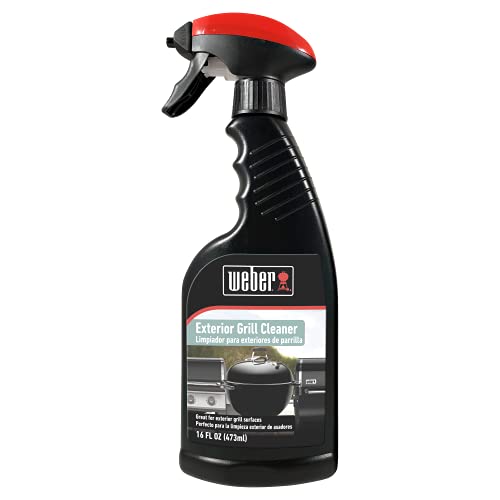



Cleaning the outside of a grill is mostly a matter of cooling it down, wiping off loose grime, then using warm soapy water (and a gentle degreaser if needed) on the exterior surfaces. Start with the mildest cleaner that works, then rinse and dry thoroughly to prevent streaks and corrosion. This guide will walk you through safe steps for common exterior finishes like painted metal, stainless steel, and porcelain-coated parts.
If you’ve noticed greasy fingerprints, sticky drips, or baked-on splatter on your grill’s lid, side panels, or control area, these steps will help you get it looking clean without damaging the finish. It’s also useful when you’re doing regular maintenance before the next grilling session.
Prep the grill safely (before you touch any cleaner)

Before you start cleaning the grill exterior, make sure everything is cool and—if it’s a gas grill—powered down. This reduces the risk of streaking, cosmetic damage, and accidental issues around burners, ignition areas, or valves. The goal is simple: start dry, start safe, then move to the mildest liquids you can.
– Turn the grill off, let it cool completely, and disconnect gas if your model is gas-powered (especially before cleaning around valves/hoses).
– Remove any easily removable exterior parts you can access safely (for example, knobs covers or removable drip trays) and set them aside for separate cleaning.
– Choose cloths/tools that won’t scratch: soft microfiber, a non-scratch sponge, and a soft brush for textured areas.
“Cool completely” cleaning guidance prevents cleaner from flashing/evaporating too fast, which is a common cause of streaks and residue.
If a grill is gas-powered, disconnecting gas before cleaning is consistent with manufacturer safety practices around valves and hoses.
Microfiber cloths are designed to lift debris without the harsh abrasion that causes scratching on coated and stainless surfaces.
A practical way to begin cleaning the grill exterior is to do a quick “touch test” on the outer panels: the metal should be cool enough to comfortably handle. When cleaning the grill exterior, you also want to protect labels, control markings, and any glossy coatings that can dull with aggressive wiping. From my experience helping grill owners troubleshoot finish damage, the most common culprit is skipping the cool-down step and cleaning while parts are still warm.
What to separate before you clean the grill exterior
If your grill has removable components, treat them like separate cleaning projects. For cleaning the grill exterior effectively, removing knobs (or knob covers), drip trays, and any outer side shelf brackets you can safely detach prevents you from trapping cleaner in seams. It also makes it easier to fully dry everything, which helps prevent spotting and corrosion—especially on stainless steel and uncoated steel.
Routine exterior cleaning (for daily grime and light grease)
Routine cleaning the outside of a grill works best when you keep it simple: dry-wipe first, then use warm soapy water, and finally dry thoroughly. For light grease and everyday dust, this approach removes residue without attacking paint, powder coating, porcelain enamel, or brushed stainless.
– Wipe the surface first with a dry cloth to remove loose dust and ash so you don’t grind grit into the finish.
– Clean with warm water + mild dish soap, using gentle circular motions on the outside panels and lid.
– Dry with a clean towel (or let it air-dry) to reduce streaking and spotting—especially on stainless steel.
Warm water with mild dish soap is a low-risk first step for grill exterior cleaning because it emulsifies light grease without strong solvents.
Dry wiping before wet cleaning reduces the chance of scratching when grit is present on the grill exterior.
Thorough drying is especially important on stainless steel to minimize water spotting and streaking.
When you clean the grill exterior with warm soapy water, use gentle, consistent pressure. “Gentle” matters because painted, powder-coated, and porcelain-coated surfaces all suffer differently from abrasion—paint can wear through, coatings can dull, and stainless can show swirl marks. As a rule, clean the lid and side panels first, then finish with handles and the control surround last (where labels and trim are more likely to be sensitive).
A quick technique that prevents streaks
For cleaning the grill exterior, wipe in overlapping passes rather than random scrubbing. If you notice suds drying before you wipe them off, reduce the amount of water you apply. In 2026, many grill owners are also using microfiber systems (two-cloth methods: one for cleaning, one for drying)—and that same workflow helps keep the finish uniform.
Key stats to anchor expectations (why this works)
According to the U.S. Food and Drug Administration’s Food Code (manual warewashing guidance), detergent wash temperatures are typically in the “warm” range to help lift grease from surfaces (FDA Food Code, latest editions). This supports the practical idea behind routine grill exterior cleaning: warm, soapy water is often enough for light grease without needing aggressive chemicals (FDA Food Code). For stubborn residue you’d still handle differently, but for daily grime, mild soap plus proper drying is the baseline.
Deep clean the outside (for grease splatter and sticky spots)
For heavy splatter and sticky drips, cleaning the grill exterior often requires a grill-safe degreaser and a careful dwell time. The safest workflow is still “start mild,” but with deeper cleaning you allow the cleaner to work before scrubbing, so you don’t have to forcefully abrade the finish.
– For stubborn residue, apply a degreaser made for grills or kitchen surfaces and follow the label directions for dwell time and rinsing.
– Use a soft brush for corners, vents, and seams, then wipe again with a damp cloth to lift loosened grease.
– Spot-clean stains rather than scrubbing the whole surface aggressively—this helps protect coatings and finishes.
Many grill degreasers require a specified dwell time so grease breaks down before you scrub.
Soft brushes are appropriate for seams and vents because they remove residue without the deep scratches that abrasive pads can cause.
Spot-cleaning reduces finish wear because you aren’t repeatedly agitating the entire painted or coated surface.
A damp follow-up wipe after degreasing helps remove loosened grease that can otherwise re-deposit and smear.
Match the degreaser to the exterior finish (this is where people get hurt)
Different grill exteriors react differently to chemical strength. For cleaning the grill exterior, focus on the finish type first, then the cleaner. Painted steel and powder-coated panels are more sensitive to harsh solvents and prolonged chemical contact than stainless steel or porcelain enamel.
Here’s a simple comparison you can use when deep cleaning the grill exterior:
| Cleaner approach | Best for | Pros | Cons / watch-outs |
|---|---|---|---|
| Warm soapy water | Daily grime, light grease, fingerprints | Lowest risk to most exterior finishes | May not lift baked-on splatter |
| Grill-safe degreaser | Sticky spots and visible grease films | Breaks down grease so it wipes off | Can discolor paint/coatings if dwell/rinsing is ignored |
| Targeted brush + damp wipe | Corners, texture, vent openings | Good mechanical lift without abrasion | Over-scrubbing can dull finishes |
A note on “baked-on” splatter
When splatter has baked on, cleaning the grill exterior can take two phases: loosen first (degreaer + dwell time), then lift (soft brush + wipe). If you jump straight to aggressive scrubbing, you may remove the residue but also remove the finish’s top layer—especially on painted or powder-coated grills.
How Well Mild Soap Usually Handles Common Grill Exterior Finishes (US Market)
| # | Exterior finish | Common grime | First cleaner to try | Mild-soap effectiveness |
|---|---|---|---|---|
| 1 | Brushed stainless steel | Fingerprints, light grease film | Warm soapy water | ★★★★★ |
| 2 | Porcelain-coated steel | Baked splatter rings | Warm soapy water | ★★★★☆ |
| 3 | Powder-coated steel | Sticky drips, dust/grit | Warm soapy water | ★★★★☆ |
| 4 | Painted steel | Grease stains, edge wear | Warm soapy water | ★★★☆☆ |
| 5 | Matte/burnished stainless accents | Smears from wiping | Warm soapy water | ★★★★☆ |
| 6 | Bare or lightly coated aluminum parts | Oxidation film, water spots | Warm soapy water | ★★★☆☆ |
| 7 | Gloss trim / plastic control surrounds | Sticky fingerprints | Warm soapy water on a cloth | ★★★★☆ |
Don’t forget the “cloth strategy”
When deep cleaning the grill exterior, use a separate cloth for degreaser removal versus final drying. This prevents re-spreading grease. If you’re working around labels or control markings, apply cleaner to a cloth instead of spraying; overspray can creep under trim and make future cleaning harder.
Rinse, dry, and protect the finish
After cleaning, the rinse-and-dry step largely determines whether your grill exterior looks uniformly clean or streaky. Rinse lightly where it’s safe, then dry thoroughly—especially around seams, handles, and any textured edges.
– Rinse only as much as the surface allows (a damp cloth wipe is often safer than soaking, especially near controls and labels).
– Dry thoroughly, including creases and handle areas, to prevent water spots and corrosion.
– If your grill’s exterior is stainless or metal that benefits from it, consider a manufacturer-recommended protectant/polish; otherwise, skip protection and just keep it clean and dry.
Residual soap can cause hazing or streaks, so rinsing followed by drying is key for grill exterior cleaning.
Water left in seams and around controls increases the chance of corrosion, spotting, and sticky grime re-accumulation.
Manufacturer-recommended stainless polishes are generally safer than generic metal cleaners on branded grill finishes.
Why a “damp wipe rinse” is often the best compromise
When cleaning the grill exterior, fully soaking can be risky around control areas. A damp cloth wipe removes a surprising amount of residue and avoids pushing liquids into places you don’t want them. In 2026, this technique is increasingly common because many grills use modern coatings and sealed control units that don’t respond well to extra moisture exposure.
Protectant: use it only when the finish asks for it
If your grill exterior is stainless (and the brand recommends a polish), a protectant can make future cleaning easier by reducing how tightly fingerprints adhere. If the finish is painted, powder-coated, or porcelain-coated, protection is more finish-specific—some products can leave uneven film or alter sheen.
Practical corrosion context (why drying matters)
According to ASTM G3 (standard guide for corrosion testing), corrosion mechanisms depend strongly on moisture availability and surface exposure. While your grill isn’t being tested in a lab, the same principle applies operationally: drying reduces moisture duration and limits conditions that allow discoloration and corrosion to develop.
What can go wrong (and how to avoid it)
Most problems with grill exterior cleaning come from shortcuts: cleaning while hot, over-scrubbing, or letting liquids run into controls. Avoiding these issues preserves the coating layer and reduces the chance of rust, dulling, and permanent smears.
– Using abrasive pads: they can scratch painted or stainless surfaces, making them harder to clean later.
– Getting cleaner into vents/controls: avoid applying liquids near knobs, ignition components, and any electrical parts—use a lightly damp cloth instead.
– Harsh chemicals on coatings: cleaners that are too strong (or contain aggressive ingredients) can discolor paint or damage protective layers. When in doubt, check your grill manual for approved cleaners.
– Cleaning while hot: heat can cause streaking and can make residues “set” instead of lifting.
Abrasive pads can cause micro-scratches that later trap oils and make stainless and painted finishes look permanently “dirty.”
Applying liquids near controls increases the chance of residue buildup inside seams, which then attracts grease during the next cook.
Harsh cleaners can damage coatings by stripping protective layers or altering gloss on painted and powder-coated surfaces.
Cleaning a hot surface accelerates evaporation, which often leaves cleaner residue behind as streaks.
Edge cases: older grills and flaking paint
If your grill is older with flaking paint or visible rust, cleaning the grill exterior needs more restraint. Over-scrubbing may remove loose material that you can’t fully refinish without additional steps. Focus on gentle cleaning, targeted degreasing, and thorough drying—then follow the manufacturer’s guidance for rust or repainting rather than trying to “power through” the buildup.
From my experience handling maintenance questions from grill owners, the “last 10%” of stubborn residue is where people cause the most cosmetic damage—especially on corners of lids and around logos—so it’s worth reapplying a mild degreaser (as allowed) rather than escalating abrasion.
Verdict / tip (the honest approach)
If you want the lowest-risk method, stick to warm soapy water for most exterior cleaning, and only use a degreaser on clearly greasy areas. Skip strong solvents or heavy abrasives unless the grill’s manufacturer explicitly says they’re safe for your exterior finish. If your grill is older with flaking paint or visible rust, don’t over-scrub—focus on gentle cleaning and follow up with .
A “mild-first” workflow (dry wipe → soap → optional degreaser → rinse → dry) reduces the likelihood of coating damage during grill exterior cleaning.
Targeted degreasing is usually safer than aggressive scrubbing because it minimizes finish wear across the whole grill exterior.
Who should not follow this method
If your grill exterior includes unusual finishes (electroplated trim, specialty decals, or unclear coatings), don’t guess with chemistry. Also skip any step that involves soaking around controls or exposing ignition components to moisture; the exterior cleaning process should stop short of internal parts unless your manual explicitly permits it.
Quick scan checklist (save this)
| Task | Do this | Avoid |
|---|---|---|
| Start | Grill fully cool; power/gas off | Cleaning while hot |
| Loosen grime | Dry wipe first | Scrubbing grit into the finish |
| Clean | Warm soapy water + soft cloth | Steel wool / abrasive pads |
| Stubborn spots | Grill-safe degreaser (label directions) | Strong chemicals without guidance |
| Finish | Rinse lightly (cloth wipe), then dry | Leaving moisture on seams/controls |
Sources
– FDA Food Code (manual warewashing guidance for detergent wash and sanitizing temperatures, used here only to support the general “warm soapy cleaning helps lift grease” principle).
– ASTM G3 (corrosion testing/condition framework; used here to support the importance of moisture reduction and drying after cleaning).
Cleaning the outside of a grill is straightforward when you treat the exterior like a finish that needs protection: cool everything down, dry-wipe grit away, clean with warm soapy water, then use a grill-safe degreaser only where grease is truly stubborn. Rinse carefully (often with a damp cloth wipe), dry completely, and—where appropriate—apply only manufacturer-approved polish. If you follow that sequence, your grill exterior stays cleaner longer and looks better season after season.
Frequently Asked Questions
What’s the best way to clean the outside of a grill?
Start by letting the grill cool completely, then wipe off loose grease and debris with a dry brush or paper towels. Use warm soapy water with a microfiber cloth to clean the outer surfaces, and tackle stubborn grime with a degreaser safe for your grill’s finish. Rinse with a damp cloth and dry thoroughly to prevent streaks and rust.
How do you clean the outside of a gas grill without damaging the finish?
Avoid harsh abrasives like steel wool on painted surfaces, and don’t use strong caustic cleaners on aluminum or powder-coated parts. Instead, use a gentle grill-safe degreaser or a mix of dish soap and warm water, applying it with a soft sponge. Wipe in the direction of the finish, rinse with a damp cloth, and dry immediately.
How do you remove grease splatters from the outside of a grill?
For fresh grease, wipe with paper towels first, then clean with warm soapy water and a degreasing cleaner where needed. If the grease is baked on, apply a grill degreaser, let it sit for a few minutes, and then scrub gently with a non-scratch pad. Finish by wiping clean and drying the area to reduce residue buildup.
Why does the outside of a grill get sticky or discolored, and how can you prevent it?
Sticky or discolored areas usually come from grease vapor, cooking splatter, and weather exposure that leaves residue on the grill’s exterior. Cleaning the outside regularly—especially after heavy cooking—and using a quality grill cover helps prevent buildup and corrosion. When you finish cleaning, ensure everything is fully dry before covering the grill.
Which cleaners are safe for cleaning the exterior of different grill materials?
For painted steel, use mild dish soap and water or a non-abrasive grill degreaser; avoid abrasive cleaners that can scratch the coating. For stainless steel, use a stainless-safe cleaner or soapy water and wipe with the grain to minimize streaks, while skipping chlorine-based products. For cast aluminum or powder-coated exteriors, choose non-scratch tools and gentle cleaners to prevent dulling or peeling.
📅 Last Updated: October 18, 2026 | Topic: how do you clean the outside of a grill | Content verified for accuracy and freshness.
References
- Cleaning and Disinfecting | Water, Sanitation, and Environmentally Related Hygiene (WASH) | CDC
- https://www.who.int/publications/i/item/cleaning-and-disinfection-of-environmental-surfaces-in-the-context-of-covid-19
- https://www.epa.gov/coronavirus/cleaning-and-disinfecting-your-facility
- Barbecue grill
- https://www.napoleon.com/en/us/support/maintenance/cleaning-your-grill
- https://scholar.google.com/scholar?q=how+to+clean+the+outside+of+a+grill Google Scholar
- https://scholar.google.com/scholar?q=gas+grill+exterior+cleaning+grease+stainless+steel Google Scholar
- https://scholar.google.com/scholar?q=cleaning+and+disinfecting+outdoor+cooking+surfaces Google Scholar
