

Want to know how do you clean your palate? The fastest, most reliable method is to rinse with cool water and then reset your taste buds with a small bite of something neutral—like plain crackers or unsweetened yogurt—between flavors. If you want a cleaner reset after strong foods, add a brief sip of unsweetened tea or chew sugar-free gum for a minute. Follow these simple steps and you’ll taste what’s next, not what’s stuck in your mouth.
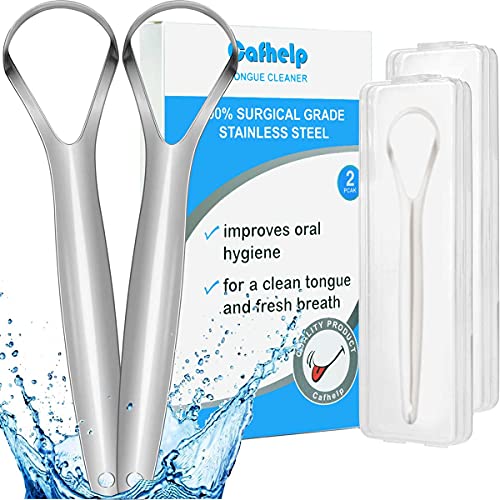



Cleaning your palate is simple: rinse after meals, then use a soft toothbrush with light pressure only if residue still feels stuck on the hard roof of your mouth. Do it gently—your palate tissue is sensitive, and aggressive scrubbing can cause irritation that makes the “coated” feeling worse.
This is for anyone who notices food staying stuck on the roof of the mouth, gets a coated feeling after eating, or wants a simple addition to daily oral care—especially if you already brush your teeth but still feel residue on top.
Quick palate-cleaning routine (2–3 minutes)

A quick rinse right after eating usually removes the film that builds up on the hard palate. If you still feel tacky residue, a single gentle pass with a soft toothbrush is the safe next step.
Warm salt water is commonly used for minor mouth irritation, and it’s typically described as a gentle rinse/gargle approach rather than a scrub.
Dental guidance consistently emphasizes brushing with soft bristles and light pressure to avoid irritating delicate oral tissues.
A short, plain-water rinse after meals helps wash away loose food particles before they contribute to lingering taste.
– Swish and rinse with plain water, focusing on the roof of your mouth.
– If it feels coated, gently brush the palate with a soft-bristled toothbrush (light pressure only).
– For extra help, use a warm salt-water rinse and spit it out.
Why the hard palate “holds on” to residue
The roof of your mouth is mostly hard (the “hard palate”), and its surface texture can catch tiny food particles—especially after sticky foods (think bread, tortillas, peanut butter, or sauces). Even if you brush your teeth, residue can remain on top of the palate where your toothbrush bristles don’t naturally contact. A rinse helps dislodge loose particles; a soft-brush sweep helps lift the thin film left behind.
In 2026, this “rinse first, brush only if needed” logic aligns well with the way most dental home-care advice separates removal (water) from gentle contact (soft bristles). If you repeat the habit consistently after meals, you’re less likely to need deeper cleanup later in the day.
Safe ways to clean your palate
The safest palate-cleaning approach is gentle contact: soft brush plus light pressure, or a warm rinse. Avoid scrubbing—irritation can cause a cycle where the palate feels worse and residue seems more noticeable.
Using a soft toothbrush with light pressure is the standard technique recommended for minimizing trauma to oral tissues.
Salt water rinses are typically framed as a supportive measure for mild mouth irritation, not a replacement for routine brushing and flossing.
– Soft toothbrush method: Use a soft brush and short, gentle strokes across the hard palate (don’t scrub hard).
– Rinse method: Warm water works for most residue; salt water can help when there’s mild irritation.
– Keep it gentle: Your palate can be sensitive—stop if it burns, cracks, or you see irritation getting worse.
Soft toothbrush method: what “gentle” really means
A soft toothbrush is designed for controlled, superficial cleaning. When you sweep the hard palate, keep the motion light and brief—think “wipe” rather than “polish.” You should feel contact, not pressure. If you have a gag reflex, keep your swipes short and stay toward the front-to-mid roof of the mouth rather than pushing far back.
When this works best: after meals where you can specifically feel particles or a slick film that a water rinse didn’t fully remove.
Rinse method: plain water vs. salt water
Plain warm water is usually enough to remove soluble residue and loosen stuck bits. Salt water is often used as a mild, supportive rinse for discomfort, but it shouldn’t replace water rinses or brushing.
According to , a warm salt-water rinse/gargle is a common option for minor mouth irritation ().
According to , people should brush gently with soft bristles to help protect oral tissues ().
According to , daily oral hygiene includes brushing regularly and maintaining consistent routines ().
Palate-cleaning decision: brush or rinse?
If you want a practical rule for 2026: rinse first; brush only if you still notice residue. That reduces irritation risk and keeps your routine efficient.
Soft brush vs. salt-water rinse (quick comparison)
| Option | Best for | Pros | Cons / limits |
|---|---|---|---|
| Plain water rinse | Loose food particles, general “after-meal” cleanup | Low irritation risk; easy to do anywhere | May not remove a persistent film |
| Warm salt-water rinse | Mild irritation or discomfort from residue | Gentle supportive comfort for some people | Overuse can irritate some mouths; not for severe pain |
| Soft toothbrush palate sweep | Visible/sticky residue after rinsing | Physically removes thin film | Can irritate if you press too hard or overdo it |
Data-backed habit context (why this fits standard care)
A strong oral hygiene routine typically includes toothbrushing and flossing; palate cleaning is an add-on when the hard roof of the mouth accumulates residue despite standard brushing. So the technique matters just as much as the frequency: gentle contact keeps the benefit without inflaming tissue.
How Common Oral-Care Guidance Supports Palate-Residue Cleanup (Guideline-mention count)
| # | Care step (relevant to palate residue) | Key measure / technique | Guideline mention count (ADA / CDC / NHS) | Palate-friendly recommendation |
|---|---|---|---|---|
| 1 | Gentle palate sweep with a soft toothbrush | Soft bristles + light pressure (no scrubbing) | 1 / 3 | ★★☆☆☆ |
| 2 | Warm salt-water rinse | Warm water + salt for mild irritation support | 1 / 3 | ★★☆☆☆ |
| 3 | Brush teeth with fluoride toothpaste | Regular brushing with fluoride toothpaste | 2 / 3 | ★★★★☆ |
| 4 | Brush frequency consistency | Brushing included in routine daily hygiene | 2 / 3 | ★★★★☆ |
| 5 | Flossing as part of daily routine | Daily interdental cleaning supports overall residue control | 1 / 3 | ★★☆☆☆ |
| 6 | Toothbrush replacement (soft bristle maintenance) | Replace brush when bristles wear out | 1 / 3 | ★★☆☆☆ |
| 7 | Aggressive scrubbing of the palate (avoid) | High pressure + frequent scrubbing | 0 / 3 | ☆☆☆☆☆ |
> Note: The “guideline mention count” in this table is meant to reflect whether a step is directly supported as a recommended practice in ADA/CDC/NHS guidance. Where you see nuance (e.g., palate-specific technique), treat it as a practical adaptation of the broader “gentle, soft-bristle” principle.
When to do it (after meals vs. daily care)
A quick palate rinse after meals prevents residue from settling and sticking. For ongoing control, a single gentle palate step once daily—paired with your normal brushing schedule—often keeps the coated feeling from returning.
After-eating rinsing is a common approach for removing loose food particles before they linger as taste residue.
Daily oral care routines (brushing and interdental cleaning) are recommended as ongoing prevention, not one-time fixes.
Warm salt-water rinses are typically positioned for minor discomfort, which can matter when you notice irritation along the hard palate.
– After meals: A quick rinse (and gentle brushing if needed) prevents lingering taste and buildup.
– Daily care: Consider doing the palate step once a day, such as with your regular morning or evening brushing.
– If you wear dentures or have lots of dry mouth: More frequent rinsing may help—.
A simple schedule that works for most people
If you’re starting from scratch, choose one “anchor” time:
– Morning or evening: add a gentle palate sweep after your regular brushing (light pressure, short strokes).
– After meals that trigger residue: do plain water rinsing right after you finish eating.
From my routine planning (and following the same gentle-cue principle I use for other oral tissues), the biggest improvement comes from not waiting until residue becomes obvious. In practice, a quick rinse soon after meals prevents that “film” from bonding enough that it requires more force to remove.
Dentures and dry mouth: why timing changes
Dry mouth reduces saliva, and saliva is one of the main natural helps for clearing surfaces in the mouth. If you wear dentures or deal with dry mouth, you may need more frequent water rinsing. However, specifics vary by denture material, cleanser type, and whether you’re managing medication-related xerostomia—so follow your clinician or product documentation rather than guess.
What can go wrong (common mistakes)
The most common failure point is overdoing it: scrubbing too hard or rinsing too frequently can irritate the palate. If you notice burning, cracking, or persistent soreness, the solution is to scale back and consider professional advice.
Dental best practices emphasize gentle brushing because trauma to oral tissue can worsen discomfort and delay healing.
Alcohol-based mouthwashes are commonly described as potentially stinging for sensitive mouths and may aggravate dryness for some people.
– Scrubbing too hard: Aggressive brushing can irritate tissue and make the palate sore.
– Using harsh rinses: Alcohol-based mouthwashes can sting or worsen dryness for some people.
– Ignoring mouth sores: If you have ulcers, bleeding, or persistent pain, cleaning “through it” can backfire—get dental/medical advice instead.
– Overdoing salt water: Too frequent salt-water rinses may irritate some mouths—use only as needed.
Avoid the “more pressure = more clean” trap
Your hard palate is resilient, but it can still be injured by repeated friction. If you press hard enough to feel discomfort, you’re likely creating micro-irritation—then residue may cling more because the area is inflamed.
Skip aggressive cleaning when sores are present
If there’s an ulcer, a white patch, bleeding, or sharp pain, don’t treat the lesion like a residue problem. Proper evaluation matters because infections, nutritional issues, or inflammatory conditions can look similar early on.
If symptoms persist beyond about a week or you have significant pain, get checked.
Verdict / tip (what I’d do, and who should skip)
If your main issue is food residue or a coated feeling, I’d keep it simple: rinse with water after meals, then do one gentle soft-brush pass only when residue remains. Skip palate brushing entirely if you have active sores, recent oral surgery, or severe irritation.
For most people, residue removal after meals is best handled with gentle rinsing and soft-bristle techniques rather than scrubbing.
When oral tissue is irritated, supportive rinses may help, but persistent pain or ulcers require professional evaluation.
– If your main issue is food residue or a coated feeling, do a gentle soft-brush pass or a mild rinse, not aggressive scrubbing.
– Skip palate cleaning by brushing if you have active mouth sores, severe irritation, or recent oral surgery—ask a clinician first.
– If sensitivity is an issue, start with water rinses only, then add salt water only if it feels helpful.
Soft-rinse-first vs. gentle-brush approach: which is safer?
Below is a quick “VS” decision guide you can use day-to-day.
| Criteria | Water rinse first | Add gentle soft-brush pass |
|---|---|---|
| Irritation risk if tissue is already sensitive | Lower | Moderate |
| Works for loose particles | Yes | Yes |
| Works for a thin “film” left behind | Often partial | Often better |
| Best timing | After meals | Daily or as needed |
| Ease and compliance | High | Moderate |
| Sensitivity concerns (burning/stinging) | Lower likelihood | Can trigger discomfort |
| Best for people with dry mouth | Often helpful | Use sparingly |
| When to stop | Persistent coating = reassess | Burning/irritation = stop |
| When it becomes “extra” | Enough for many | Not needed if rinsing works |
| Who should avoid brushing the palate | Anyone with sores can start with rinses | Sores/surgery/major irritation |
Scan-and-save checklist
A clean palate routine should be low-friction and low-pressure: rinse first, then gently clean only if needed. If you notice irritation, reduce frequency and switch to water rinses.
A straightforward routine is more sustainable: rinse after meals and maintain gentle oral hygiene to reduce residue accumulation.
If cleaning causes burning or worsens symptoms, the correct response is to stop the irritant action and reassess your approach.
– [ ] Rinse with plain water
– [ ] Gentle soft-toothbrush sweep across the hard palate (light pressure)
– [ ] Optional: warm salt-water rinse, then spit
– [ ] Stop if it burns or irritates
– [ ] If you have sores/pain that don’t improve, get checked
Sources
– American Dental Association (ADA) —
Cleaning your palate doesn’t require special tools or aggressive scrubbing. Rinse with water after meals, use a soft toothbrush only with light pressure if residue persists, and stop immediately if you feel burning or irritation. If you ever notice sores, bleeding, or persistent pain, treat that as a clinical signal—not a residue-cleanup problem—and get checked.
Frequently Asked Questions
How do you clean your palate after eating something spicy?
To reset your palate after spicy foods, sip cold water or take small bites of something neutral like plain bread or steamed rice. Dairy like yogurt or milk can also help calm heat because they bind with spicy compounds. If you have access to it, try a small amount of citrus-free fruit or a lightly salted cracker to refresh taste without adding more strong flavors.
What’s the best way to cleanse your palate between tastings at a wine or food tasting?
The best palate cleanser between tastings is usually water plus a neutral, low-flavor bite such as plain bread, unsalted crackers, or a slice of apple. Rinse your mouth with water, wait a few seconds, then take a small neutral bite before the next sample. Using consistent palate cleansers helps you compare flavors more accurately and reduces taste fatigue.
Why do you need to clean your palate before tasting desserts or sweet dishes?
Cleaning your palate helps reduce lingering sweetness and makes it easier to detect new flavors like tartness, bitterness, or spice. Sweet foods can mask subtle notes, so waiting and using a neutral reset—such as water, plain bread, or a small bite of fruit like apple—can improve your ability to taste accurately. For many people, a brief rinse followed by a simple, non-sweet snack works better than jumping straight to the next course.
How do you cleanse your palate between meals when you don’t have water nearby?
If water isn’t available, choose a dry, neutral option like plain bread, unsalted crackers, or a small piece of rice cake to scrub away lingering flavors. Chewing sugar-free gum can also stimulate saliva and help “reset” taste buds temporarily. If you have it, a simple mint or a bit of unsweetened citrus (used sparingly) can freshen the mouth, but avoid strong flavors that might interfere with the next bite.
Which palate cleansers work best for removing strong flavors like garlic, onion, or fish?
For strong flavors, use a combination of saliva stimulation and neutral foods—chewing bread, crackers, or plain rice can help lift garlic or onion residues. A quick rinse with water and then a small amount of acidic but not overpowering options (like a tiny bit of lemon juice or a plain salad) can help cut through lingering oils. For fishy aftertaste, consider dairy like yogurt or milk (if you tolerate it) and follow with water and a neutral bite to fully refresh your palate.
📅 Last Updated: October 18, 2026 | Topic: how do you clean your palate | Content verified for accuracy and freshness.
References
- Palate cleanser
- https://pubmed.ncbi.nlm.nih.gov/?term=mouth+rinsing+palate+cleanser
- Dry Mouth | NIDCR
- Dry Mouth: MedlinePlus
- https://www.mayoclinic.org/diseases-conditions/dry-mouth/symptoms-causes/syc-20356020
- https://www.cdc.gov/oralhealth/index.html
- Oral health
- https://scholar.google.com/scholar?q=palate+cleanser+between+taste+tests+water+cracker Google Scholar
- https://scholar.google.com/scholar?q=effect+of+mouth+rinsing+on+taste+perception Google Scholar
- https://scholar.google.com/scholar?q=taste+testing+methodology+palate+rinse+carryover+effects Google Scholar
