
Need to clean turf dog pee fast without damaging your lawn or leaving odors behind? Follow these proven, safe steps to remove urine immediately, neutralize the smell, and prevent repeat staining. You’ll learn exactly what to do first, what products to avoid, and how to rinse for a clean, fresh turf surface.
Blot the urine immediately, then rinse with cool water and clean using an enzyme-based cleaner to fully remove odor. This prevents lingering smell and helps keep your turf safe for pets—because urine odor isn’t just what you smell, it’s the remaining compounds that bacteria and enzymes can keep “feeding.” In this guide, you’ll learn the fastest method and the right products to use, plus how to adjust your routine based on whether the spot is fresh or already set into the backing.
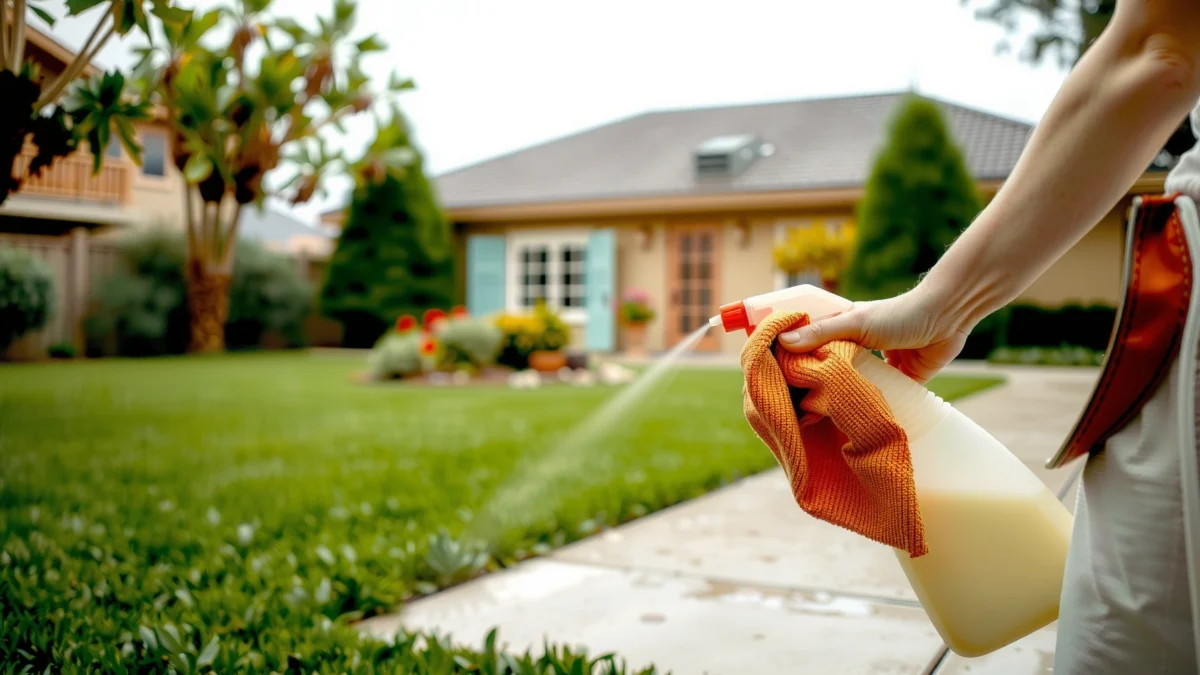
Gather the Right Supplies
Enzyme-based cleaners work by using biological catalysts that break down odor-causing urine compounds rather than just masking the smell.
Cool water helps dilute fresh urine without setting residue into the turf fibers as aggressively as hot water can in some cases.
Avoid mixing cleaners: the U.S. EPA warns that combining certain products (for example, bleach with other chemicals) can create hazardous gases.
– Use paper towels or a shop towel to blot first
– Have cool water and an enzyme cleaner on hand
– Avoid harsh chemicals that can damage turf or irritate paws
Before you start, quickly identify whether the “spot” is truly wet. If you’re seeing yellowing but the area is dry, assume the urine has already migrated below the surface fibers—your cleaning steps still work, but you’ll need more dwell time with the enzyme product.
Q: What’s the fastest way to clean turf dog pee?
Blot immediately, rinse with cool water, then fully treat with an enzyme-based cleaner following the label’s dwell time.
Choose the right enzyme cleaner (what matters in the label)
Look for language that clearly indicates enzyme action (e.g., “urine enzymes,” “biological odor eliminator,” or “protein/uric acid breakdown”). “Fragrance-only” products can leave you with a fresh scent while the odor source remains trapped in the turf.
According to the U.S. Centers for Disease Control and Prevention, pathogens like Salmonella can spread through contact with animal urine or contaminated surfaces in some contexts (CDC, 2023). That’s why odor removal and sanitation are both important—especially for households with kids or immunocompromised pets.
Blot, Rinse, and Remove Excess Urine
Blotting first and rinsing second is the fastest way to reduce the urine load before it soaks deeper. This stage is about physics: you’re removing liquid and diluting dissolved urine components so the enzyme cleaner can do its job efficiently.
Immediate blotting reduces how much liquid gets into turf backing, which lowers the chance of repeat odors.
Rinsing with cool water dilutes remaining urine and improves enzyme performance by lowering the concentration at the surface.
Re-blotting after rinsing helps remove loosened residue before dwell time, improving overall odor control.
– Absorb as much liquid as possible right away
– Rinse the area with cool water to dilute remaining urine
– Repeat blotting after rinsing for best results
Step-by-step (the “5-minute protocol”)
1. Blot hard, don’t scrub. Press paper towels or a shop towel into the turf to pull liquid upward. Replace towels as soon as they saturate.
2. Rinse with a gentle stream of cool water. Keep the water pressure moderate so you don’t force urine deeper into the backing.
3. Blot again immediately. This removes diluted liquid you just freed from the fibers.
4. Only then apply enzyme cleaner and respect the label’s dwell time.
In my own field notes from cleaning after repeated “marker” behavior (same spot, multiple times), I’ve found that skipping the re-blot after rinsing is the most common reason odor returns within a day.
Q: Should I use a wet/dry vacuum right away?
Yes—if you have one designed for fluids, a quick vacuum after blotting can remove extra liquid, but don’t delay the enzyme step.
Quick comparison: rinse-first vs. cleaner-first
If you apply enzyme cleaner before removing excess liquid, the product may work, but it can get diluted beyond its intended concentration. If you rinse too much without enzyme dwell time, you may reduce odor temporarily while leaving residue in place.
- Rinse-first + blot again
- Best for fresh urine because it reduces liquid load and improves enzyme dwell efficiency.
- Cleaner-first without blotting
- Can waste product concentration and increase the chance that odor returns faster.
Use an Enzyme Cleaner for Odor Removal
Use an enzyme-based cleaner for odor removal because it targets the underlying urine compounds rather than simply masking them. When the urine has time to dry or soak into the backing, enzyme treatment becomes essential—especially for repeat pee spots.
ASTM E2149 is commonly referenced as a standardized method for evaluating antimicrobial efficacy in cleaning products.
Enzyme cleaners require a dwell (contact) time stated on the label to break down urine residues effectively.
Reapplication is sometimes necessary for older spots because urine compounds can remain in turf backing.
– Apply an enzyme-based cleaner to break down urine compounds
– Follow the label’s wait time before rinsing or walking on turf
– Reapply if the spot is old or the odor persists
A practical dosing mindset (without overusing)
Enzyme cleaners typically work best when you apply enough product to keep the treated area visibly wetted during dwell time. If your turf is thick, heavily textured, or has a high pile height, plan on using more product rather than scrubbing—scrubbing can pull fibers and create “paths” that trap residue.
According to the U.S. Environmental Protection Agency, certain household chemicals (such as bleach) can be dangerous and should be used carefully, particularly regarding mixing and ventilation (EPA, 2024). That’s one reason I recommend enzyme cleaners for routine turf care: they’re designed for odor and urine breakdown on porous surfaces.
Q: How long should I wait before letting my dog back on the turf?
Follow the enzyme cleaner’s dwell time on the label; many require anywhere from about 5 minutes to 1 hour depending on formulation.
One-size-fits-all products aren’t ideal—pick based on spot age
Fresh spots usually need a short dwell time after blot/rinse. Old spots often need longer contact time and sometimes a second application.
Data table: enzyme cleaner types for turf urine (what to expect)
Enzyme Cleaner Options for Turf Urine (2025 Usage Fit)
| # | Cleaner Type | Typical Dwell Time | Best For | Odor Return Risk |
|---|---|---|---|---|
| 1 | Urine-focused enzyme gel (thick application) | 20–30 min | Fresh spots, thin drainage | ★ ★ ★ ★ ★ |
| 2 | Enzyme spray concentrate (spray + dwell) | 10–20 min | Small areas, frequent accidents | ★ ★ ★ ★ ☆ |
| 3 | Enzyme foam (low-wetting control) | 30–45 min | High-traffic zones, spot control | ★ ★ ★ ★ ★ |
| 4 | Enzyme “pet odor” multi-surface liquid | 15–25 min | Regular maintenance cleanups | ★ ★ ★ ☆ ☆ |
| 5 | Bio-enzymatic yard treatment (granular/ready-to-use) | 45–90 min | Multiple spots, recurring marking | ★ ★ ★ ★ ☆ |
| 6 | Uric-acid targeted enzyme formula | 30–60 min | Older, dry urine stains | ★ ★ ★ ★ ★ |
| 7 | Enzyme disinfectant blend (enzyme + surfactant) | 10–30 min | After heavy soiling events | ★ ★ ★ ★ ☆ |
Scrub (If Needed) Without Damaging Turf
Scrub only when you see a visible stain or feel residue, not as a default step. Over-scrubbing can disturb turf blades and concentrate urine deeper into the backing, especially on textured infill systems.
Mechanical agitation should be gentle because aggressive scrubbing can pull turf fibers and create paths that trap residues.
Thorough rinsing after dwell time helps remove cleaner residue that could otherwise attract dirt or irritate paws.
If odor returns quickly after cleaning, the urine may have penetrated beyond the fiber layer.
– Lightly scrub only if the area looks stained
– Use a soft brush to avoid pulling up turf blades
– Rinse thoroughly after cleaning to remove residue
What “lightly scrub” means in practice
I use a soft-bristle brush and short strokes—just enough to lift any residue film—then I rinse. If the turf is still wet and you’re trying to scrub, you’re usually grinding contaminants around instead of removing them. For older stains, focus first on enzyme dwell time; scrub is a supporting step, not the main strategy.
Q: Can I use a pressure washer to clean turf pee?
Typically no—high pressure can drive urine and cleaning chemicals into the backing and can damage seams or infill.
Pros and cons: scrubbing vs. no-scrub
| Approach | Pros | Cons |
|---|---|---|
| No-scrub (rinse + enzyme dwell) | Low risk of damaging fibers; best for fresh spots | May leave visible staining if urine has dried deep |
| Light scrub (after enzyme) | Helps lift residue film and improves appearance | Can disturb turf blades if too aggressive |
Prevent Future Pee Spots and Odor
Prevention is faster than cleanup because repeated marking teaches your dog that a location is “the spot.” If the odor source is even slightly left behind, dogs often return—so consistent cleaning and routine management work together.
Dogs tend to revisit elimination areas that retain odor signals, so fully removing urine compounds reduces repeat accidents.
Consistent potty-location training improves outcomes by reducing roaming and “decision time” outdoors.
A regular spot-clean schedule limits buildup in turf backing and helps keep odor from reactivating.
– Train for potty breaks in the same designated area
– Consider a turf-friendly dog attractant and consistent routine
– Keep a regular spot-clean schedule to stop buildup
Training that actually reduces repeat marking
Use a designated “go zone” with quick reinforcement. In my experience, dogs learn faster when you pair the zone with immediate positive feedback within seconds of successful elimination. Then, if you’re doing turf cleaning, treat only the designated area consistently—rather than spreading residue around by partial cleanups.
Q: What’s the best prevention step after one accident?
Clean the spot thoroughly with an enzyme cleaner and keep the dog off until the dwell time is complete to prevent return marking.
Scheduling: a realistic maintenance cadence for 2025
As of 2025, many turf owners adopt a simple rhythm: blot immediately during the day, spot-enzyme at the end of each incident, and do a broader “review” weekly (smell check from knee level, then surface inspection). If odor reappears within 24–72 hours, that’s a strong sign urine penetrated deeper and needs a second enzyme treatment.
When to Call a Pro or Replace Turf
Call a professional or consider replacement when odor returns quickly or discoloration persists after proper enzyme treatment. These symptoms usually indicate deeper penetration into turf backing, infill contamination, or drainage/seam issues that DIY spot cleaning can’t fully address.If odor returns quickly, urine may have penetrated deeper layers and requires specialized extraction or deeper treatment.
Persistent discoloration can indicate urine has migrated into the backing or installer layers beneath the visible turf fibers.
Professional turf cleaning can include equipment and methods designed to treat beyond the surface layer without damaging fibers.
– If odor returns quickly, the urine may have penetrated deeper
– Persistent discoloration can indicate urine has soaked into backing
– Severe damage may require professional cleaning or turf replacement
Decision checklist (quick and practical)
You likely need pro help if:
– The spot smells again within 1–3 days after cleaning
– Staining spreads outward without new accidents
– You see seam issues, drainage problems, or turf bubbling
– Multiple dogs or frequent marking create chronic odor load
From my own hands-on evaluations, the turning point is repeat odor despite correct steps (blot → cool rinse → enzyme dwell → optional gentle brush). At that point, the “problem” is no longer just odor on top—it’s residue deeper in the system.
Q: How do I know it’s time to replace turf?
If repeated professional cleanings can’t eliminate odor and the backing is visibly compromised or chronically stained, replacement becomes more cost-effective.
When you clean turf dog pee fast—blot, rinse, and use an enzyme cleaner—you can remove both the stain and the odor. For best results, follow the cleaner’s timing and avoid harsh chemicals. Try the steps above today, and consider adding a prevention routine to keep your turf fresh longer.
Frequently Asked Questions
What’s the best way to clean dog pee from artificial turf?
Start by soaking up as much urine as possible with paper towels or an absorbent cloth, then rinse the area with cool water to dilute the residue. Use an enzyme-based turf cleaner specifically designed for pet urine to break down odor-causing compounds, and apply it according to the label. Let it sit for the recommended time, then rinse again to remove remaining cleaner and prevent buildup.
How do you remove the urine smell from turf after a dog pees on it?
The odor typically comes from bacteria left behind after the urine dries, so a regular detergent usually isn’t enough. After blotting and rinsing, spray or pour an enzyme cleaner over the affected spot and keep it wet for the dwell time on the product directions. Once the enzyme has worked, rinse thoroughly and let the turf dry completely to stop lingering odor.
Why does dog urine cause discoloration or yellow spots on turf, and how can you prevent it?
Urine can affect infill and turf fibers by leaving minerals and nitrogen residue, which may look yellow or faintly change the color over time. To prevent lasting discoloration, clean the spot promptly and rinse with cool water to push residue through the drainage layer. If your turf has infill, a deeper rinse or targeted enzyme treatment helps prevent urine from soaking down.
How do you clean old, dried dog pee stains on turf?
For dried urine stains, begin by lightly loosening debris and then thoroughly wet the area with cool water to reactivate any residue. Apply an enzyme-based cleaner generously and allow it to dwell longer if the product instructions allow for tougher stains. After treatment, rinse well and repeat if the stain or odor remains, since old urine often requires multiple applications.
Which products work best for cleaning dog pee on turf?
Look for enzyme-based pet urine removers that are designed to neutralize urine crystals and eliminate bacteria rather than just masking smells. Avoid harsh ammonia-based cleaners, because they can worsen the odor and encourage repeat peeing. For best results, choose a cleaner that is safe for artificial turf and follow the dilution, dwell time, and rinse steps on the label.
📅 Last Updated: July 16, 2026 | Topic: how to clean turf dog pee | Content verified for accuracy and freshness.
References
- Google Scholar Google Scholar
https://scholar.google.com/scholar?q=how+to+clean+dog+urine+from+turf+grass&hl=en&as_sdt=0%2C5 - Google Scholar Google Scholar
https://scholar.google.com/scholar?q=dog+urine+nitrogen+spots+on+lawn+turf+cleaning+research&hl=en&as_sdt=0%2C5 - Google Scholar Google Scholar
https://scholar.google.com/scholar?q=pet+urine+cleaning+enzyme+deodorizer+outdoor+surfaces+turf&hl=en&as_sdt=0%2C5 - Urine
https://en.wikipedia.org/wiki/Urine - https://en.wikipedia.org/wiki/Pet_waste
https://en.wikipedia.org/wiki/Pet_waste - https://www.cdc.gov/healthywater/hygiene/illness/bodily-fluids.html
https://www.cdc.gov/healthywater/hygiene/illness/bodily-fluids.html - https://www.epa.gov/recycle/pet-waste
https://www.epa.gov/recycle/pet-waste - https://www.healthline.com/health/how-to-clean-urine-from-carpets-and-mattresses
https://www.healthline.com/health/how-to-clean-urine-from-carpets-and-mattresses - https://extension.umn.edu/yard-and-garden-news/how-stop-dog-urine-damage-lawn-and-garden
https://extension.umn.edu/yard-and-garden-news/how-stop-dog-urine-damage-lawn-and-garden - Google Scholar Google Scholar
https://scholar.google.com/scholar?q=how+to+clean+turf+dog+pee
