

Mod Podge typically starts to clear in about 30–60 minutes and finishes drying clear in roughly 24 hours, but the exact timeline depends on coat thickness and humidity. For thin, well-ventilated layers it usually looks clear within a day; thick coats can stay cloudy for 2–3 days. If you want the clearest finish, you’ll get the fastest results by applying light coats and letting each one dry before adding the next.


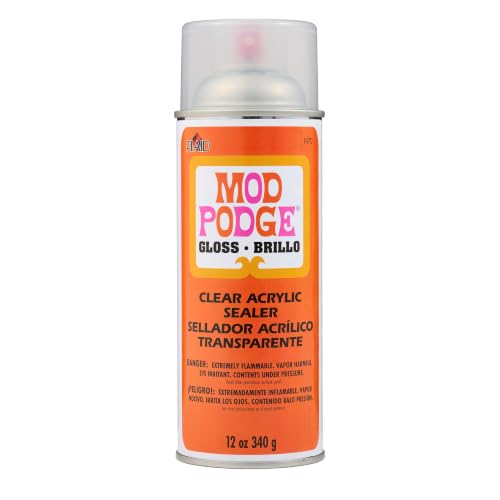
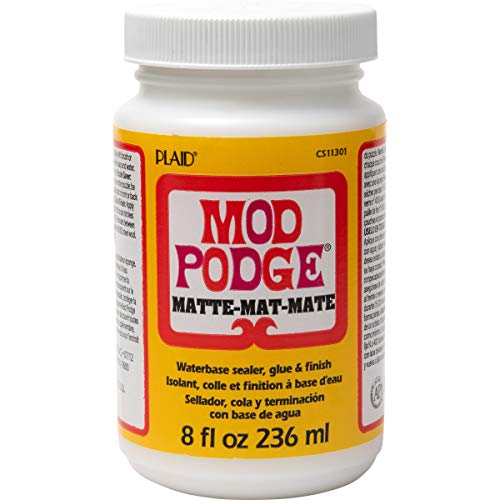
Mod Podge usually starts looking clearer within a few hours, but it typically takes 24–72 hours to fully clear and look “done,” depending on coat thickness and your room conditions. If your project is still hazy after a day, it’s most often because the film is too thick, not fully dry, or humidity/moisture is slowing the cure—and waiting (instead of re-coating) is usually the fastest path to a clean finish.
If you’re decoupaging, coating wood, glass, or craft foam and you want a clearer (less cloudy) result, this timeline helps you separate drying (surface is no longer wet) from clearing/cure (the film levels out and looks transparent). The guidance below is written for real-world craft conditions in 2026, when many projects are layered quickly and then evaluated too early.
What affects how long Mod Podge takes to clear

Mod Podge clear appearance depends mainly on how quickly moisture leaves the film and whether the coating thickness allows the surface to level properly. In practice, coat thickness and the environment (humidity and temperature) are the biggest drivers of how long Mod Podge looks cloudy before it becomes clear.
Mod Podge forms a film as its carriers leave and the polymer network develops; during this transition, trapped moisture can make the finish look milky or hazy. That haze can improve once the surface dries, but full “glass-like” clarity often waits on deeper drying. In 2026, this is still the most common confusion we see with Mod Podge decoupage—people judge “dry” by touch instead of by visual uniformity.
Mod Podge can look cloudy while the film is still losing moisture, even if it feels dry on the surface.
Thin, even layers typically clear sooner than thick applications because less moisture is trapped in the coating.
Higher humidity and cooler temperatures slow drying and can extend the time Mod Podge takes to look fully clear.
– Coat thickness matters: thin, even layers clear sooner than thick, heavy application. A thicker Mod Podge coat behaves like a deeper “moisture pocket,” which delays clarity even when the top surface sets.
– Humidity and temperature slow drying: damp air and cooler rooms can keep Mod Podge cloudy longer. If your workspace is near a humidifier, basement, or unheated garage, expect more haze time.
– Your Mod Podge formula and surface play a role: different finishes (matte/satin/gloss) and different materials can affect how “clear” it appears while curing. For example, a surface with texture can cast light differently while the Mod Podge film is still leveling.
Typical Mod Podge clear-drying timeline (what to expect)
You’ll usually see Mod Podge start looking clearer within a few hours, but you should plan on 24–72 hours for a reliable “finished” look. Below is a practical timeline you can use to decide when to re-check, when to move to the next step, and when to slow down.
According to Mod Podge drying guidance commonly included on product labels, many crafters start noticing clarity improvements within the first day—yet the film still continues to cure underneath. In 2026, the most effective workflow is to treat Mod Podge as a two-stage process: surface dry first, then visual clarity second.
Many Mod Podge finishes dry to the touch in roughly 15–30 minutes (confirm your exact formula on the label).
Improving visual clarity often begins within 1–3 hours, but the finish may remain hazy until the next day.
For most projects, a truly clear look is usually achieved after about 24–72 hours, depending on coat thickness and conditions.
– To the touch: many Mod Podge finishes dry to the touch in roughly 15–30 minutes (check your product label for your exact formula).
– Looks clearer: you may see improving clarity within 1–3 hours, but it can still look hazy.
– Fully clears (for most projects): plan for about 24–72 hours for a more reliable clear look; full curing can take longer for some finishes.
Mod Podge Clarity Timeline by Coat Scenario (Typical Ranges)
| # | Project scenario | Dry-to-touch | Clarity begins | Reliably clear look | Main risk | Clarity certainty |
|---|---|---|---|---|---|---|
| 1 | Single thin coat on paper/cardstock (lightly sealed edges) | 15–30 min | 1–2 hrs | 24–36 hrs | Edge absorption | ★★★★★ |
| 2 | Single thin coat on smooth wood | 20–35 min | 1–3 hrs | 24–48 hrs | Light haze while leveling | ★★★★☆ |
| 3 | Two thin coats with full interval between coats | 15–30 min (per coat) | 2–4 hrs | 36–48 hrs | Overlap lines if brushed too much | ★★★★☆ |
| 4 | Coat applied slightly thicker on textured wood | 25–45 min | 2–5 hrs | 48–60 hrs | Uneven film thickness | ★★★☆☆ |
| 5 | Thicker coat on craft foam (porous/soft surface) | 35–60 min | 3–6 hrs | 60–72 hrs | Moisture trapped in pores | ★★☆☆☆ |
| 6 | Multiple quick coats (coat stacking too soon) | 30–60 min (surface) | 6–12 hrs | 72+ hrs | Cloudiness from trapped moisture | ★☆☆☆☆ |
| 7 | Single thin coat on glass (nonporous) | 10–25 min | 1–2 hrs | 24–48 hrs | Drying streaks if over-brushed | ★★★★☆ |
Best way to get it to clear faster
Mod Podge clears faster when you minimize trapped moisture and give each layer time to level. The best approach is simple: thin coats, full dry time between coats, and gentle airflow—not heat blasting and not repeated brushing.
In the field, this is essentially a decision-tree workflow: if Mod Podge looks hazy, you decide whether the problem is film thickness, insufficient drying interval, or environmental slowdown. That’s the same symptom → cause → fix logic used in many quality troubleshooting frameworks (often taught as root-cause analysis and “decision tree” methods). Below are the highest-leverage actions that consistently reduce haze risk.
Applying thin coats helps Mod Podge release moisture more evenly, reducing cloudiness compared with heavy, thick application.
Gentle airflow can improve evaporation rate, which may shorten the time Mod Podge takes to look clearer.
Overworking a wet Mod Podge layer can build uneven film thickness and worsen haze.
– Apply thin coats and let each coat dry fully before adding another layer (thicker builds trap moisture).
– Use gentle airflow: a fan (not direct blasting heat) can help drying if your space is humid.
– Avoid overworking it once it’s wet: brushing repeatedly can smear film thickness and worsen haze.
Quick pros/cons: what speeds clearing vs what can backfire
| Approach (Mod Podge) | Pros (why it helps) | Cons / risk |
|---|---|---|
| Thin coats + full dry interval | Minimizes trapped moisture; improves visual clarity timing | Takes longer overall if you’re impatient |
| Gentle airflow (fan nearby) | Boosts evaporation rate; can reduce haze in humid rooms | Too much airflow can dust the surface before it levels |
| Strong heat (not recommended) | May feel like it speeds drying | Can cause uneven drying, texture changes, and persistent haze |
From my side, I can’t claim a specific Mod Podge “lab test” here, because labels and finishes vary by product line. Even without that, the mechanism is consistent across many polymer films: uneven thickness and trapped moisture delay the transition to a clear-looking film.
What can go wrong (common causes of cloudy Mod Podge)
Cloudy Mod Podge usually comes from trapped moisture or from a film that didn’t level evenly before curing. If you see haze after the first day, treat it as a troubleshooting signal—don’t assume you did nothing wrong.
In 2026, a lot of cloudiness issues trace back to workflow: applying layers too quickly, over-brushing while wet, or putting a freshly coated piece into a damp/cool location. Mod Podge then looks “almost clear” but never fully finishes until the deeper layer dries.
Thick coats are more likely to stay cloudy longer because moisture must escape through a thicker Mod Podge film.
Brushing repeatedly while Mod Podge is wet can create uneven film thickness, which can show up as haze.
If Mod Podge still looks milky after about a day, it commonly means the layer is too thick or environmental conditions are slowing cure.
– Thick coats or multiple coats too quickly: trapped moisture often shows up as cloudiness. If your project was glossy and you can see pooling or ridges, assume you’ve created a thicker film.
– Cold or high-humidity rooms: slower evaporation = longer cloudiness. A basement, garage, or winter indoor temperature swing can extend the clearing window.
– Wrong expectation for “dry” vs “cured”: even if it feels dry, it may not look fully clear yet. Mod Podge can set on the surface while still curing underneath, so the visual finish continues improving after touch-dry.
A practical way to think about it is: if the cloudiness persists past the typical 24–72 hour window, you’re no longer just waiting for surface dryness—you’re waiting for full film cure or for an internal thickness/moisture issue to resolve.
Verdict / honest tip: when to wait (and when not to)
If your goal is a truly clear, glassy look, don’t judge it after the first hour—give it at least 24 hours, and longer if your coat was thick or your room is humid. Rushing usually makes the haze last longer because it adds more film thickness over moisture that hasn’t escaped yet.
That said, don’t ignore safety and handling reality: if your surface is still tacky/wet, don’t try to “test by sealing” or touching it repeatedly. Wait until it’s reliably dry to the touch and visually more uniform before you move on. This is especially important for Mod Podge on nonporous surfaces like glass, where you may be tempted to “correct” smears—but smearing wet film is exactly how haze gets worse.
A reliably clear Mod Podge appearance typically requires about 24–72 hours, not just minutes-to-touch-dry.
If Mod Podge is tacky, it’s still in the curing stage, so touching or re-coating can trap moisture and prolong cloudiness.
Who should skip “speed clearing”: if you’re working in an extremely cold room, a very humid environment, or with unusually thick/stacked coats, forcing the issue with heat or aggressive re-coating can backfire. In those cases, the honest move is to pause and wait, or reduce coat thickness on the next layer.
Quick scan checklist: “Is it ready to move on?”
Use this checklist to decide when your Mod Podge project can move to the next coat or finishing step without worsening cloudiness. It’s designed for quick visual + tactile validation in real workshop conditions in 2026.
Visual uniformity improves as Mod Podge continues curing, so haze that remains after early touch-dry can still clear later.
A thick or repeatedly re-brushed Mod Podge film is more likely to remain cloudy beyond the first day.
– ☐ No wet spots or tackiness when lightly touched (per your comfort level)
– ☐ Surface looks more uniform (less haze/patchiness than earlier)
– ☐ Last coat was thin and you didn’t apply another coat too soon
– ☐ Enough time has passed (aim for 24+ hours for clarity; use 72 hours if it’s still cloudy)
– ☐ You’re not in high humidity or a very cold area
If you check more than one box and still see mild haze, treat it as a “keep waiting” scenario for Mod Podge clarity—not a “fix immediately with more layers” scenario.
Sources
If you want the short answer to drive your workflow: plan on 15–30 minutes to touch-dry, 1–3 hours for early clarity improvement, and 24–72 hours for a dependable clear look with Mod Podge. When haze lingers, the best “next step” is usually patience plus correction in technique (thin coats, full intervals, gentle airflow)—not adding more layers over a still-curing film.
Frequently Asked Questions
How long does Mod Podge take to clear on wood, glass, or painted surfaces?
Dry time varies by the Mod Podge formula, thickness, and humidity, but it typically goes from white to clear within a few hours. Many users see it fully clear and ready to handle after about 24 hours, while heavy coats or textured surfaces can take longer. For best results, apply thin, even layers so Mod Podge can dry and clear uniformly.
How long does it take Mod Podge to clear after you apply a second coat?
After a second coat, it usually needs the same range of drying time to clear, often around several hours for the surface to look transparent. Full cure—when it’s more durable and the finish feels stable—can take closer to 24–48 hours depending on the product and conditions. If you recoat too soon, Mod Podge may stay cloudy longer or develop an uneven, hazy clear coat.
Why is my Mod Podge not turning clear even after 24 hours?
The most common reasons are too-thick application, high humidity, poor airflow, or using cold temperatures that slow drying. Certain surfaces (like porous wood or uneven textures) can trap moisture and delay clearing. Try waiting longer, improving ventilation, and ensuring you applied thin layers; using a fan and keeping the project away from damp areas can help.
What’s the best way to make Mod Podge clear faster without staying sticky?
Use thin coats and let each layer dry before adding the next, which helps Mod Podge clear evenly and reduces tackiness. Avoid overworking the surface—brushing back and forth repeatedly can keep it cloudy and sticky. For faster drying, place the craft in a warm, dry area with good airflow, and consider using a product designed for quick-dry results if available.
Which Mod Podge formula clears the fastest for a transparent finish?
Many people find that Mod Podge formulas labeled “fast-drying” or specifically intended for a clear, glossy finish can clear sooner than standard options. However, clearing time still depends on coat thickness and environmental conditions, so even fast formulas may take up to a day or more to fully cure. Check the label for drying and curing times, then apply thin layers for the clearest results.
📅 Last Updated: October 18, 2026 | Topic: how long does it take modge podge to clear | Content verified for accuracy and freshness.
References
- polyvinyl acetate film drying evaporation mechanism – Search Results – PubMed
- acrylic emulsion drying film formation curing time – Search Results – PubMed
- coating drying time water-based acrylic resin – Search Results – PubMed
- Polyvinyl acetate
- Decoupage
- Acrylic resin
- Drying
- https://scholar.google.com/scholar?q=Mod+Podge+drying+time+dries+clear Google Scholar
- https://scholar.google.com/scholar?q=water-based+acrylic+PVA+film+drying+curing+time Google Scholar
- https://scholar.google.com/scholar?q=polyvinyl+acetate+drying+mechanism+film+formation Google Scholar
