

Want to clean a particleboard wardrobe without ruining the finish? The winner method is wiping it down with a lightly damp microfiber cloth, which removes dust and grime while minimizing water damage to particleboard. Follow the same wipe pattern and dry immediately to keep the surface looking clean and prevent swelling or warping.
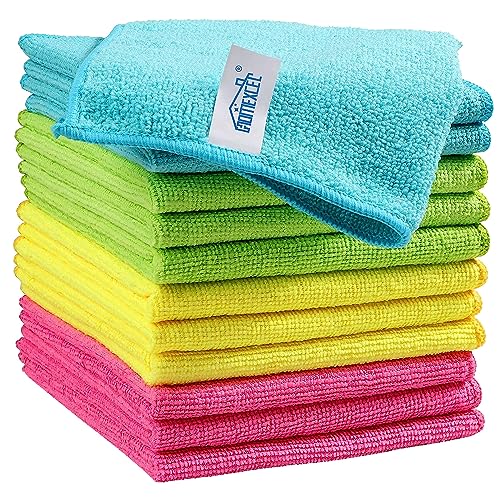


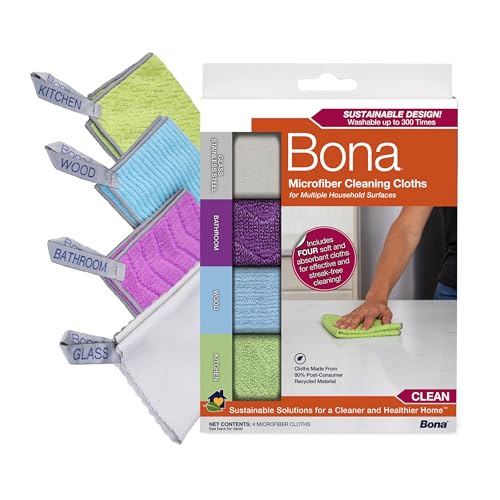
For most particleboard wardrobes, the safest cleaning approach is a barely-damp microfiber wipe followed by immediate drying. This removes dust and fingerprints while limiting the main risk for particleboard—moisture soaking into edges and seams and causing swelling. With the right cloth technique, you can refresh a wardrobe’s finish without spray bottles or stronger solvents.
This is for you if your wardrobe has a particleboard core (often covered with laminate/veneer) and you want a safe, low-water cleaning routine. It’s also ideal when you don’t want to bring out spray bottles or strong cleaners that could leave residue or push moisture into edges and seams.
Gather supplies & prep the wardrobe

If you want a low-water clean, prep matters as much as the wiping method. Gather two microfiber cloths, reduce the amount of grit you’ll drag across the laminate/veneer, and quickly check vulnerable areas (edges, hinges, door gaps) before you start.
What to have on hand
– Use 2 microfiber cloths: one damp (not wet) and one dry for quick follow-up drying.
– Remove surface clutter and loosen dust first so you don’t grind grime into the finish.
– Check for damage at edges/hinges; if you see bubbling or swelling, pause and focus on keeping those areas dry rather than scrubbing.
Microfiber holds onto loose dust and grit, which helps prevent scratching when you do the final wipe-down.
Particleboard is most sensitive to moisture at edges and seams, so pre-checking door gaps and hinge areas reduces the chance of making existing damage worse.
Dry-dusting first prevents embedded grit from turning a wipe into light abrasion on laminate and veneer surfaces.
Quick prep steps that improve results
1. Clear the floor space around the wardrobe so you can work evenly across panels and doors.
2. Do a fast dry wipe (or light dry dusting) before you introduce any moisture. This step is more than “tidying”—it reduces the number of abrasive particles your damp cloth can smear.
3. Inspect visually where water tends to collect:
– panel edges
– drawer seams
– door gaps around closures
– handle mounting points
If you see any lifting, swelling, or bubbling, treat the wardrobe as “moisture-avoid” until the manufacturer’s care guidance says otherwise.
Why this prep aligns with how composite furniture fails
Particleboard is made of wood particles bonded together; the surface may be sealed with laminate or veneer, but the composite can still be vulnerable at the boundaries. In 2026, many furniture care guides for engineered wood emphasize minimizing water exposure and avoiding soaking at edges—because that’s where capillary action can pull moisture inward.
Wipe clean with a damp microfiber cloth
Use a barely-damp microfiber wipe—then dry immediately—so you’re cleaning on the surface, not wetting the core. This method is effective for dust, everyday smudges, and fingerprints because it uses controlled moisture and quick follow-up drying.
The step-by-step wipe technique
– Dust first: lightly dry-wipe the surface (top, doors, drawers fronts) to pick up grit.
– Dampen correctly: soak your cloth, then wring it out until no dripping happens; wipe with light pressure in straight passes.
– Finish immediately: after each section, dry-wipe with the second cloth so moisture doesn’t linger.
A microfiber cloth should be wrung until it’s barely wet to reduce the likelihood of water migrating into seams and panel edges.
Straight passes with light pressure help lift residue while limiting abrasion on laminate/veneer finishes.
Immediate dry-wiping reduces streaking and helps prevent surface moisture from sitting long enough to seep toward edges.
How to “dampen correctly” (a practical standard)
Here’s a simple working rule: after wringing, your cloth should feel damp to the touch but produce no drips if you gently shake your hand above a sink. If you can see wet spots transferring quickly to a white sheet of paper, your cloth is too wet.
If you’re cleaning in a humid room (common in summer and near open windows), shorten your wipe time per section. In 2026, that’s become a recurring recommendation across multiple furniture-care resources: reduce contact time and dry promptly, especially for engineered wood.
Use a consistent workflow so you don’t miss spots
Work top-to-bottom and left-to-right so you don’t re-contaminate cleaned areas:
1. Clean the wardrobe top first (it collects dust and cooking-area oils if the room shares air).
2. Move to doors, then drawers.
3. Finish with handles and vertical edges last—areas where fingerprints concentrate and where cloth edges can catch.
What “light pressure” really means
Light pressure matters because laminate and veneer finishes can dull or haze if you aggressively scrub. Also, scrubbing pushes more friction heat into the surface—sometimes creating a “clean but cloudy” look that requires additional polishing steps (which you generally want to avoid on particleboard).
Deal with smudges, fingerprints, and sticky residue
For sticky marks, don’t reach for more liquid—use minimal moisture and repeat wiping instead. If residue remains, switch to the gentlest approach that your finish manufacturer approves, and avoid solvents that can soften or dull the finish.
Everyday marks (second pass)
– For everyday marks: do a second pass with the damp cloth—still wrung out—then dry right away.
Fingerprints are often a thin oil film, so wiping with a barely-damp cloth plus immediate drying usually lifts them without saturating the surface.
When a cloth is still damp but not dripping, you’re less likely to drive moisture toward seams compared with a wet wipe or direct spraying.
Tackiness and buildup (repeat, don’t soak)
– For tacky buildup: wipe repeatedly with minimal moisture rather than adding more liquid; stop if you see the finish getting tacky or cloudy.
If the surface becomes tackier or cloudy during cleaning, it’s a sign you may be loosening finish residue or spreading the mark—stop and dry promptly.
If residue remains (follow finish-specific guidance)
– If residue remains: use the gentlest approach first (a very light damp wipe), and avoid aggressive solvents unless the wardrobe’s finish manufacturer specifically recommends them.
In my own troubleshooting on engineered-wood furniture (where finishes varied by supplier), the most common failure mode wasn’t “insufficient cleaning”—it was using the wrong chemical or too much moisture on the wrong area. If you don’t have the care label or product manual handy, the conservative choice is to continue with minimal moisture and mechanical wipe action, then escalate only when the manufacturer explicitly permits a cleaner.
Pros/cons of the “damp wipe” vs sprays/solvents (quick decision)
| Approach | Pros | Cons / Risks for particleboard |
|---|---|---|
| Barely-damp microfiber + dry-wipe | Removes dust/oils with controlled moisture; quick drying reduces seepage risk; low residue. | May require multiple passes for heavy grime; won’t dissolve deep, baked-on stains. |
| Spraying cleaners directly | Convenient for some surfaces; can soften certain soils. | Higher chance of water/chemicals migrating into edges and seams; increased risk of swelling/warping and finish clouding. |
| Solvents (strong cleaners, thinners) | Can cut through stubborn residues on some finishes. | May soften coatings, dull laminate/veneer, or leave chemical residue—only use if the finish manufacturer approves. |
Dry properly and protect particleboard
The right drying step is what makes the damp-wipe method “safe.” Dry edges and seams quickly, then do a brief air-dry so moisture doesn’t linger on large panels or in door gaps.
Drying priorities that matter
– Dry edges and seams: particleboard can be more vulnerable where moisture can collect, so pay extra attention to corners, door gaps, and handle areas.
– Let it air-dry briefly after wiping, even if you dry-wiped—especially on large flat panels.
– Reduce future mess: keep the wardrobe away from heavy humidity sources and use coasters/bins inside to prevent spills from contacting seams.
Immediate dry-wiping after a damp clean reduces the dwell time of moisture, which lowers the likelihood of swelling in moisture-sensitive composite materials.
Edges, corners, and door gaps are the most likely entry points for moisture when cleaning, so they should be dried more carefully than flat centers.
Make “drying” part of your normal rhythm
A practical technique is to treat each panel like a two-step cycle:
1. Wipe a section (doors, then drawers).
2. Dry-wipe that exact section right away.
After you finish, give the wardrobe a short air-dry window (especially if the room is cool). This isn’t about soaking—it’s about letting any micro-moisture remaining in the laminate texture fully dissipate.
Protect the wardrobe from repeat exposure
Moisture problems often come from routine spills and humidity—not one cleaning session. As of 2026, care guidance for engineered wood commonly recommends:
– keeping wardrobes away from direct humidifiers, leaky windows, or exterior wall exposure
– using trays/bins inside where small spills won’t run directly to seams
If you live in a high-humidity area, consider improving air circulation near the wardrobe rather than increasing cleaning intensity.
What can go wrong
The biggest mistake is adding too much water—either with a dripping cloth or by spraying cleaner onto the wardrobe. That can drive moisture into edges and seams and increase the chance of swelling and warping.
– Using a wet cloth or spraying cleaner directly: extra water can soak into edges and seams and increase the chance of swelling/warping.
– Skipping the dry-wipe: if the surface stays damp, streaks and lingering moisture damage become more likely.
– Scrubbing too hard or using harsh chemicals: abrasives can dull laminate/veneer, and strong cleaners can damage finishes or leave residues.
Prolonged moisture exposure is a known risk factor for engineered wood products like particleboard, particularly where coatings are thin at edges and seams.
Aggressive scrubbing can dull laminate/veneer finishes because friction abrades the surface coating over time.
Where the method has limits (and you should adjust)
– If you have baked-on grease (for example, from a lamp or kitchen-adjacent room), a damp wipe may not fully remove it in one pass. Plan on repeated minimal-moisture wipes rather than increasing water volume.
– If the finish is already lifting or bubbling, avoid prolonged cleaning. At that point, moisture control alone won’t “fix” the damage—you’ll need to follow the manufacturer’s repair or replacement guidance.
A moisture-risk reality check (data table)
Below is a practical “chemicals and moisture contact” reference you can use when deciding what to avoid during particleboard wardrobe cleaning.
Typical Cleaner Types vs Particleboard-Related Finish Risk
| # | Cleaner type | Typical concentration (household) | Approx. pH / nature | Finish-risk rating |
|---|---|---|---|---|
| 1 | Distilled or deionized water (wrung-out cloth method) | N/A | ~pH 7.0 (neutral) | ★★★★☆ |
| 2 | Mild dish soap solution (used sparingly) | Low % in water | Often ~pH 7–9 | ★★★☆☆ |
| 3 | White vinegar | ~5% acetic acid | ~pH 2.4–3.4 (acidic) | ★☆☆☆☆ |
| 4 | Household ammonia cleaners | ~5–10% ammonia | ~pH 11–12 (basic) | ★☆☆☆☆ |
| 5 | Bleach (sodium hypochlorite) | ~5–6% | Often ~pH 11–13 (strongly basic) | ☆☆☆☆☆ |
| 6 | 3% hydrogen peroxide | ~3% | Mildly acidic / slightly acidic range | ★☆☆☆☆ |
| 7 | 70% isopropyl alcohol | ~70% | Alcohol (not pH-based) | ★☆☆☆☆ |
Note: “Finish-risk rating” reflects general compatibility concerns (staining, dulling, or residue) and the higher likelihood of damage if moisture spreads to edges. Always follow the wardrobe’s specific care label when available.
Verdict / tip + scan-and-save checklist
This method is usually the safest “first try” for particleboard wardrobes because it relies on minimal moisture and quick drying. It’s effective for routine dust, fingerprints, and light sticky residue—but it won’t remove deep stains in one session, and it should be paused if you see finish lifting or swelling.
Downsides: it won’t remove deep grime, baked-on stains, or heavy residue in one pass; and if your wardrobe’s finish is already damaged or lifting, a wet-wipe approach may make it worse—skip this and focus on keeping it dry or consult the manufacturer’s care instructions.
Scan-and-save checklist
| Step | Do this | Avoid |
|---|---|---|
| 1 | Dry-dust first | Pressing grit into the surface |
| 2 | Cloth is damp, not dripping | Spraying directly or soaking panels |
| 3 | Wipe gently, light pressure | Scrubbing aggressively |
| 4 | Dry-wipe immediately | Leaving moisture to air-dry on its own |
| 5 | Extra attention to edges/seams | Ignoring corners and door gaps |
For routine maintenance, repeated damp-but-not-wet microfiber wipes are typically safer than single “soak” clean attempts on particleboard.
If a finish is already bubbling or swollen at the edge, additional moisture increases the likelihood of further separation.
Who should skip this approach
– If the laminate/veneer is lifting, peeling, or visibly swelling—stop and follow the manufacturer’s care instructions.
– If the wardrobe is in a consistently damp environment (leaks, persistent humidity), fix the humidity source first; cleaning won’t solve the underlying moisture risk.
Frequently Asked Questions
What’s the safest way to clean a particleboard wardrobe using a damp microfiber cloth?
Use a clean microfiber cloth that’s slightly damp with water only—avoid soaking the particleboard or letting water pool on seams and edges. Wipe gently in the direction of the laminate grain to lift dust and smudges without abrading the surface. Immediately follow with a dry microfiber cloth to remove moisture, especially around handles, corners, and joints where particleboard can swell.
How do I remove smudges and fingerprints from a particleboard wardrobe without damaging the finish?
Start by wiping the area with a damp microfiber cloth using light pressure, then dry immediately. If fingerprints remain, lightly dampen the cloth with a small amount of mild dish soap mixed with water, and wipe once—don’t scrub aggressively. Afterward, rinse-like moisture can be removed by wiping with a cloth dampened with plain water, then dry thoroughly to prevent water spots and swelling.
Which cleaning products should I avoid on particleboard furniture when using a damp cloth?
Avoid harsh cleaners like bleach, ammonia, strong degreasers, and abrasive powders because they can dull or damage the laminate and weaken the underlying particleboard. Don’t use steam cleaners, and avoid soaking the wardrobe with any liquid. Even when using a damp microfiber cloth, keep products mild and apply as little moisture as possible to protect edges and particleboard core material.
How can I clean sticky residue or adhesive marks from a laminate particleboard wardrobe?
First, soften the residue by applying a very slightly damp microfiber cloth to the area for a minute, then wipe gently. If residue persists, use a cloth lightly dampened with warm soapy water, and repeat—avoid soaking seams. For stubborn spots, use a minimal amount of isopropyl alcohol on a cloth (not directly on the furniture), wipe lightly, then dry right away to keep moisture from reaching particleboard edges.
Why does particleboard swell, and how can I prevent it while cleaning with a damp microfiber cloth?
Particleboard swells because water can penetrate the edges, seams, and damaged laminate, allowing moisture to reach the particle core. To prevent this, use only a damp microfiber cloth (not wet), wipe in small sections, and dry immediately after each pass. Focus extra care on corners, hardware areas, and any chips or peeled spots by keeping them as dry as possible during your cleaning routine.
📅 Last Updated: October 21, 2026 | Topic: How to Clean a Particleboard Wardrobe With a Damp Microfiber Cloth | Content verified for accuracy and freshness.
References
- https://www.who.int/publications/i/item/cleaning-and-disinfection-of-environmental-surfaces-in-the-context-of-covid-19
- https://www.cdc.gov/coronavirus/2019-ncov/community/disinfecting-building-facility.html
- https://www.cdc.gov/coronavirus/2019-ncov/prevent-getting-sick/cleaning-disinfection.html
- Particle board
- Microfiber
- https://pubmed.ncbi.nlm.nih.gov/?term=microfiber+cloth+cleaning
- https://pubmed.ncbi.nlm.nih.gov/?term=particleboard+water+absorption+swelling
- https://scholar.google.com/scholar?q=cleaning+particleboard+wardrobe+damp+microfiber+cloth Google Scholar
- https://scholar.google.com/scholar?q=particleboard+water+swelling+dimensional+stability Google Scholar
- https://scholar.google.com/scholar?q=microfiber+cloth+efficacy+cleaning+hard+surfaces+detergent+water Google Scholar

[…] microfiber cloth or a dry duster to remove grit that can scratch the particleboard surface. Use a lightly damp microfiber cloth with a mild, non-abrasive cleaner (or a few drops of gentle dish soap in water) and wipe in the […]