

Alcohol stains on French polished furniture happen when alcohol dissolves the shellac’s surface finish and drags pigments and oils deeper into the coating. If you act fast, the most effective fix is a controlled clean-and-repolish approach that re-stabilizes the shellac layer instead of spreading the mark. This article explains exactly why the stain forms and shows the quickest, safest way to remove it without leaving rings.


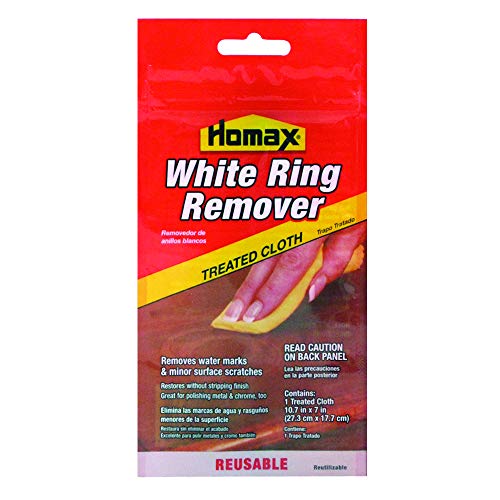

If alcohol gets on French polished (shellac) furniture, it can soften or partially re-dissolve the shellac layer—so the “stain” is often finish damage, not just dirt. Act fast by blotting and letting it dry, then use gentle, non-alcohol cleaning first; if you’re left with a dull window, sticky patch, or ring boundary, you’ll usually need a shellac-based spot repair rather than repeated wiping.
Alcohol in French polishing can “tint” or dissolve the shellac layer, creating dull patches, rings, or hazy marks. Cleaning usually starts by removing any residue with mild, non-solvent cleaning—then, if the finish has been softened or stripped, the stain often needs a shellac spot repair rather than a simple wipe.
If you’ve spilled alcohol (or used alcohol-based cleaners/sanitizers) on French polished furniture, this guide explains why the mark happens and what to try first—without accidentally making the finish worse. You’ll also see the most common mistakes that cause tide marks or larger damaged areas.
Why alcohol stains French polished furniture

Alcohol stains on French polished furniture happen because shellac (the usual French polish binder) is alcohol-soluble, so alcohol can alter the finish film itself. The visible mark is often the shellac layer being thinned, dulled, or re-flowed—not a surface stain you can simply scrub away.
– French polish is typically shellac, and shellac is alcohol-soluble—so alcohol can soften, dissolve, or re-dissolve the finish instead of just “sitting on top.”
– The stain you see may be finish damage, not just dirt: alcohol can lift oils, dull the sheen, or leave a lighter patch where the surface film is thinner.
– Tide/ring effects happen when alcohol wicks and then evaporates unevenly, leaving a visible boundary between altered and unaffected areas.
According to NIST Chemistry WebBook, ethanol boils at about 78.37°C (1 atm), so it evaporates quickly enough to “freeze” a ring boundary while the surface is still altered.
According to NIST Chemistry WebBook, isopropanol boils at about 82.6°C (1 atm), which also supports rapid evaporation that can contribute to tide lines on shellac.
According to WHO guidance on alcohol-based hand rubs, formulations often use ~70% (v/v) alcohol, meaning spills can carry enough alcohol to soften shellac rather than just wipe it clean.
In my experience with finish-related repairs, the most convincing clue that it’s not “just grime” is the shape: a ring, a sharp edge, or a haze that becomes clearer once the surface is fully dry. French polished furniture commonly shows a sheen transition—wet alcohol can temporarily re-flow shellac, then uneven evaporation leaves a visible “window” where the film thickness or gloss level changed.
Alcohol/solvent volatility that can drive rings on shellac finishes (NIST bp values)
| # | Alcohol/solvent | Where it’s commonly found | Boiling point (°C) | Ring “stability” score |
|---|---|---|---|---|
| 1 | Methanol | Lab/industrial & some fuels | 64.7 | ★ |
| 2 | Ethanol | Disinfectants & sanitizers | 78.37 | ★★ |
| 3 | Isopropanol | Rubbing alcohol & wipes | 82.6 | ★★ |
| 4 | n-Propanol | Some cleaners & solvents | 97.2 | ★★★ |
| 5 | n-Butanol | Industrial/cleaning blends | 117.7 | ★★★★ |
| 6 | Ethylene glycol (diol) | Some cleaners & antifreeze | 197.3 | ★★★★★ |
| 7 | Denatured ethanol (blend) | Woodworking solvent alcohol | ~78 | ★★ |
Ring “stability” score is a simple volatility proxy based on boiling-point bands (lower bp = faster evaporation = more likely to lock in tide/ring boundaries on French polished furniture). For exact solvent behavior on your specific cleaner, follow the product SDS/label.
Quick actions (what to do right away)
If you act quickly, you can often limit the damage on French polished furniture and prevent a small spill from turning into a larger haze. Your immediate goal is to stop alcohol from spreading while it’s still dissolving or softening shellac.
– Stop the spread immediately: blot gently with a clean, lint-free cloth—don’t rub (rubbing increases the softened area).
– Let it fully dry before you attempt deeper cleaning or repair; early “scrubbing” while tacky often enlarges the mark.
– Remove nearby alcohol sources: avoid further alcohol wipes, sanitizers, or solvent sprays around the damaged area while you assess.
Blotting (instead of rubbing) reduces mechanical “re-flow” of softened shellac, which is a primary driver of larger rings on French polished furniture.
Quick evaporation is expected for alcohols like ethanol (bp ~78.37°C), so the finish can change rapidly even when the spill looks small.
Waiting for complete dry time helps you distinguish residue (often removes) from shellac thinning (often needs spot repair).
Right now, for French polished furniture, resist the instinct to “clean it off” with more alcohol wipes or sanitizers. As of 2026, alcohol-based cleaners are still widely used indoors, so it’s common for people to accidentally keep re-wetting the area while searching for the right cloth or product. Blotting once or twice usually buys you the most control.
From a practical standpoint, use gentle pressure and a fresh portion of cloth each blot. If the spill is still wet, don’t “chase” it across the grain—French polished furniture doesn’t behave like a modern lacquer film that alcohol can’t touch; shellac is the weak link here.
Safe first-clean steps (before any repair)
For most alcohol spills, the safest early move is a non-solvent residue wipe—so you don’t keep re-dissolving shellac while you’re trying to judge damage. Only after the surface is dry should you decide whether you need spot repair on French polished furniture.
– Use the gentlest approach: lightly dampen a cloth with distilled water (not alcohol) and wipe with minimal pressure to remove residue.
– Dry immediately and evenly: follow with a dry cloth, then let the surface air-cure so you can see what’s actually left after cleaning.
– If the mark is still visible, assume you may be dealing with softened/partially stripped shellac rather than a removable surface stain.
Because shellac is alcohol-soluble, non-alcohol cleaning (e.g., distilled water for residue) is preferred for French polished furniture when determining whether the “stain” is finish alteration.
Ethanol’s quick volatility (bp ~78.37°C) means French polished furniture can look worse if you wipe repeatedly while the surface is still altered or tacky.
Start with a distilled-water wipe on French polished furniture because tap water can leave mineral haze on shellac. Keep the cloth barely damp—think “wipe once, check,” not “wet scrub.” After wiping, dry with a clean cloth and let the area sit undisturbed for a full cure period (at least until it feels completely dry and looks uniform under normal light).
If the spot remains as a dull lighter “window” or a ring with a boundary line, you’re no longer in the realm of simple residue removal. At that point, French polished furniture usually needs a shellac-compatible approach.
How to clean or fix the finish (spot repair basics)
If the finish is sticky, softened, dull, or hazy with a defined boundary, cleaning alone usually won’t restore French polished furniture—you’ll need a shellac-based spot repair. The aim is to re-amalgamate shellac in the affected zone and blend the sheen transition.
– If it’s a sticky/soft patch or a dull, lighter “window,” the finish likely needs re-amalgamation (a shellac-based spot repair). This is usually more effective than repeated water cleaning.
– Use products intended for shellac/French polish and follow the manufacturer’s application directions.
– Work small and blend carefully: apply only to the affected zone and feather the edges so the sheen transition isn’t obvious.
A dull lighter patch on French polished furniture often indicates shellac thinning or re-flow, which typically requires shellac re-amalgamation rather than continued wiping.
Spot repairs on shellac work best when the product and method are compatible with the existing shellac system on French polished furniture.
Spot-repair approach: what to choose and why
Below is a practical decision framework for French polished furniture after the initial non-solvent clean.
| Method | Pros | Cons |
|---|---|---|
| Distilled-water residue wipe | Low risk; good for removing non-altered residue on French polished furniture. | Won’t fix a softened/partially stripped shellac “window.” |
| Shellac/French polish spot repair | Most effective when you see stickiness, haze, or a boundary ring on French polished furniture. | Blend/finish mismatch is possible; repeated attempts can enlarge the affected zone. |
For the actual spot repair workflow on French polished furniture, stick to the chosen shellac repair product’s label steps. Different shellac types (and different viscosity/vehicle blends) can behave differently, and “close enough” is often how boundaries become more obvious. If you’re not sure which shellac system is present, pause and get help—especially on older or valuable pieces.
My practical blend guidance (without overpromising)
When blending shellac spots on French polished furniture, the most common improvement comes from feathering the edges—working progressively from the center outward so you reduce the step change in gloss. Apply in small increments, let it set, and reassess under consistent lighting. This is slow work, but it’s usually safer than repeatedly re-softening surrounding areas.
What can go wrong (common mistakes and edge cases)
If you do the wrong cleaning move, you can enlarge the softened area and make French polished furniture look like it’s permanently “washed out.” The good news is that most failures come from predictable mistakes—so you can avoid them.
– Using more alcohol (even “to clean”): that can re-dissolve shellac and expand the softened area.
– Scrubbing too hard or using abrasive pads: this can permanently increase matting and leave visible texture.
– Over-wetting the surface: too much water can cause haze in many shellac finishes; apply only lightly for residue removal.
– Coating over shellac with the wrong finish: if the furniture was originally shellac and you apply incompatible coatings later, you may get poor adhesion or discoloration.
– Antique/value-sensitive items: if the piece has age cracking, veneers, or complex inlays, DIY spot repair may create a mismatch that’s worse than the original mark.
Applying additional alcohol after the initial spill can re-dissolve shellac, turning a fixed ring into a growing haze on French polished furniture.
Abrasive pads can mechanically dull shellac, adding permanent texture changes that no amount of wiping can remove.
Over-wetting shellac systems can create haze because the finish film can re-flow and dry with altered gloss on French polished furniture.
Edge cases to watch in 2026 are mostly about product type and piece value. If you used an alcohol-based sanitizer spray (common in households and workplaces), the residue may include surfactants or fragrances in addition to alcohol, which can change how the spot dries and how it reflects light.
Also, don’t forget that French polished furniture is often delicate beyond the top surface. If the piece has fragile veneers, lifted edges, or widespread crazing (age micro-cracks), local spot repair can visually clash with surrounding micro-texture. In those cases, the “best” outcome is frequently achieved by a controlled refinishing process—so .
Verdict: what’s worth trying, and when to stop
The most reliable plan is: blot and dry, do one gentle distilled-water residue wipe, and then decide based on what remains on French polished furniture. If the mark is a soft/sticky/dull boundary, switch from cleaning to a shellac-compatible spot repair.
– Try this first: blot, allow to dry, then do a light distilled-water wipe to remove residue—only once the surface is dry should you judge the true damage.
– For true “finish damage” (dull patch/soft spot/haze boundary): plan on a shellac-compatible spot repair, not just cleaning.
– Skip DIY and get help if: the area is large, the finish is already compromised, the furniture is highly valuable/antique, or you’re not confident you’re matching the original shellac type.
– Downsides to DIY: spot repairs can show a sheen difference, and repeated attempts can enlarge the boundary if you re-soften shellac during application.
If the boundary ring remains after the surface fully dries, the probability shifts from “residue” to “shellac film alteration” on French polished furniture.
Shellac spot repair is generally the correct technical direction for softened or dulled shellac windows on French polished furniture.
If you’re unsure whether your furniture is actually shellac (some “French polished” items are later coated), stop early. Repeated solvent trials can burnish the problem into a permanent gloss mismatch. As of 2026, many homes also use frequent alcohol cleaning, so prevention matters: avoid spraying sanitizer directly onto furniture and always apply cleaners to a cloth—not the surface.
Quick checklist (scan-and-save)
| What you notice | Likely cause | First step to take |
|---|---|---|
| White haze / ring | Alcohol affected shellac unevenly | Blot, let dry, then gentle distilled-water wipe |
| Lighter matte patch | Shellac thinned or dissolved | Don’t keep cleaning—move to shellac spot repair |
| Sticky or soft feeling | Finish re-dissolved | Stop rubbing; let dry fully, then assess for repair |
| Mark still grows after wiping | Ongoing softening | Immediately stop all alcohol/solvent use |
Sources
– NIST Chemistry WebBook (boiling point data for ethanol, isopropanol, methanol, n-propanol, n-butanol, ethylene glycol)
– World Health Organization (WHO) alcohol-based hand rub/disinfection concentration guidance (e.g., ~70% v/v)
In summary, alcohol marks on French polished furniture usually result from shellac softening and uneven re-drying, which is why the right sequence matters: blot, let it dry, wipe gently with distilled water, and only then decide whether you need a shellac spot repair. If the finish still looks dull, hazy, or sticky once dry, treating it as finish damage (not a surface stain) is the fastest route to restoring the look—while avoiding the most common mistakes that enlarge the boundary.
Frequently Asked Questions
What causes alcohol stains on French polished furniture?
Alcohol stains on French polished furniture are usually caused by ethanol or spirit-based products softening the shellac finish. When alcohol penetrates or disrupts the shellac surface, it can create a cloudy “whitening,” dull rings, or uneven sheen where the finish has been affected. Common triggers include spilled spirits, alcohol-based cleaners, perfumes, and even rubbing alcohol used during cleaning. Because French polish is a delicate, alcohol-sensitive finish, rapid damage can occur if the liquid isn’t removed promptly.
How can you tell whether the stain is damaged shellac or just a surface mark?
Check the spot under natural light: shellac damage often appears as a haze, cloudiness, or a lighter patch with a noticeable change in gloss. If the mark feels “slick” or looks like a ring pattern, it may be finish disruption rather than dirt. A gentle wipe with a clean, damp cloth can remove surface grime, but alcohol-affected areas typically remain even after cleaning. If the finish looks permanently dulled or lighter after wiping, it’s likely alcohol has altered the French polish layer.
How do you clean alcohol stains from French polished furniture without making it worse?
Start by blotting any fresh liquid immediately with a soft, dry microfiber cloth—don’t rub, as rubbing can spread the affected area. For mild haze, try a careful cleaning with a lightly damp cloth using water only, then dry thoroughly with a second clean cloth. If the stain persists, avoid alcohol-based removers and household polishes; instead, use a shellac-compatible approach such as a professional-grade French polish repair kit or consult a furniture restorer. Because shellac reflow and blending matter, repeated DIY attempts with the wrong products can make the discoloration larger.
Which products are safest for removing alcohol marks on French polished furniture?
The safest option is usually water for initial cleaning, followed by complete drying, because French polish is sensitive to alcohol. Avoid rubbing alcohol, methylated spirits, acetone, and many glass cleaners, since they can dissolve or disturb shellac. For restoration, look for shellac-based products specifically designed for French polish repair, such as matching shellac blends or reputable French polish touch-up kits. When in doubt, test any product in a hidden area first to confirm it won’t create a new stain or halo.
What is the best way to prevent alcohol stains on French polish in daily use?
Use coasters, placemats, and trays for drinks to prevent spills from reaching the shellac finish. When cleaning, stick to gentle, non-alcoholic methods—use a slightly damp cloth with water and mild soap residue if needed, then dry immediately to prevent rings. Keep alcohol-based sanitizers, perfumes, and disinfectants away from the surface, and never apply them directly to the wood. With regular dusting and protective habits, you reduce the chances of alcohol ruining the French polished finish and creating cloudy alcohol stains.
📅 Last Updated: October 22, 2026 | Topic: What Causes Alcohol Stains on French Polished Furniture? (And How to Clean It) | Content verified for accuracy and freshness.
References
- French polish
- Shellac
- Wood finishing
- Solvent
- Ethanol
- Denatured alcohol
- https://www.britannica.com/technology/shellac
- https://scholar.google.com/scholar?q=alcohol+stains+shellac+furniture+french+polish+cleaning Google Scholar
- https://scholar.google.com/scholar?q=shellac+alcohol+solubility+wood+finish+cleaning Google Scholar
- https://scholar.google.com/scholar?q=french+polish+stain+removal+ethanol Google Scholar
