

Wondering whether to use wax or oil to care for French polished furniture after cleaning? If you want the safest, most consistent finish with the least risk of streaks or dulling, choose wax—provided the surface is fully dry and you’re after a quick protective refresh. Oil only makes sense when the polish is truly dry and shows signs of cracking, because it penetrates rather than simply seals. Read on to get the clear post-cleaning call and the exact next steps.
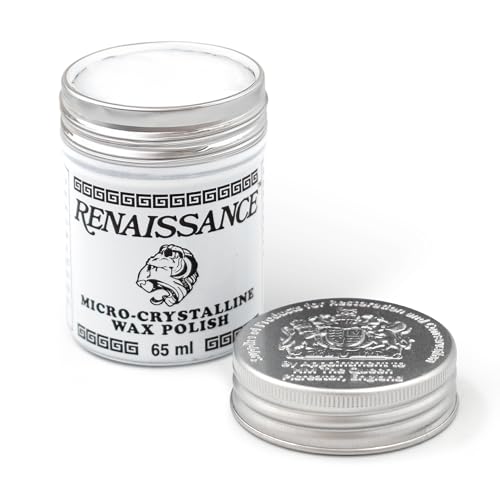


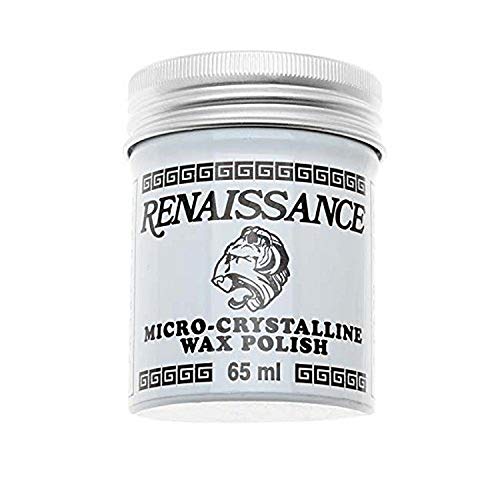
After cleaning French polished furniture, choose wax for light protection and a dry, sealed look—but use oil only if the finish is meant to be conditioned (and only sparingly). When in doubt, stick to a thin wax application, since French polish (often shellac) can be sensitive to oils and residues.
This guide is for anyone caring for French polished (typically shellac) furniture after cleaning—especially if the surface looks a bit dull, dry, or slightly uneven. If your piece has repairs, missing areas, or an unknown finish, use the “what can go wrong” section to avoid making things worse.
Wax vs Oil: What each one does on French polish

Wax is the safer choice for French polished furniture because it adds a protective surface layer without re-wetting the finish. Oil may temporarily “feed” some traditional surfaces, but on French polish it can leave residues that dull or unevenly brighten the sheen.
– Wax forms a protective top layer that helps with smudges, light moisture, and day-to-day dullness.
– Oil can add temporary surface conditioning, but it can also trap grime or leave a finish that looks uneven—especially if the furniture has a delicate top coat.
– French polish is commonly shellac, which is generally less forgiving than modern clear coats when residues build up (always confirm your manufacturer’s guidance if known).
French polish is typically shellac-based, and shellac is formulated to dissolve in alcohol—so “reconditioning” products that leave residues can be more trouble than they’re worth.
On French polished furniture, wax is designed to sit on the surface and buff to a dry sheen, which is why it’s often the most predictable post-cleaning option.
Compatibility snapshot for French polish (shellac) after cleaning
| # | After-cleaning product type | Shellac contact risk | Why it matters on French polished furniture | French polish-safe rating |
|---|---|---|---|---|
| 1 | Denatured alcohol / ethanol (cleaners) | Very high | Can soften or dissolve shellac, changing sheen and texture | ★☆☆☆☆ |
| 2 | Water-only (no additives) | Moderate | May dull or leave clouding until fully re-equilibrated | ★★☆☆☆ |
| 3 | Mineral oil / paraffin oil | Moderate | Usually won’t dissolve shellac, but residues can dull over time | ★★★☆☆ |
| 4 | Beeswax | Low | Stays as a surface layer; buffing restores a dry, even sheen | ★★★★☆ |
| 5 | Carnauba wax | Low | Hard, buffable top layer; supports everyday protection on French polished furniture | ★★★★☆ |
| 6 | Microcrystalline wax | Low | Forms a stable protective film; good candidate for wax-only maintenance | ★★★★☆ |
| 7 | Silicone-based polish / sprays | High | Can leave residues that interfere with future refinishing and create uneven look | ★☆☆☆☆ |
Note: This compatibility snapshot is based on general shellac chemistry and surface-film behavior; always verify product labels for shellac/french polish suitability.
According to shellac compatibility guidance, alcohol-based solvents are used to dissolve shellac during finishing (n.d.) . According to wax reference data, carnauba wax melts around 82–86°C (n.d.) . According to reference data, beeswax melts around 62–65°C (n.d.) . These properties matter because waxes buff into a stable dry layer while alcohols can re-activate shellac on French polished furniture.
After cleaning: how to choose between wax or oil
Choose wax if your French polished furniture is clean, dry, and you mainly want a uniform, protected sheen. Consider oil only when the finish is explicitly intended to be conditioned—and even then, treat it as a high-risk, small-area experiment.
– If the surface is clean, dry, and sealed-looking, start with wax (safer for most French polished furniture).
– If the finish still feels dry/rough but looks intact, oil is sometimes used on certain traditional finishes—however, with French polish, the risk of streaking or residue is higher, so go light and test discreetly first.
– If you see water rings, scratches through the polish, peeling, or dull patches, don’t “cover it” with oil—plan on restoration or a gentler wax-only approach until the surface is repaired.
If the French polish surface looks sealed and even after cleaning, wax is the lowest-variance option because it adds protection without changing the underlying shellac layer.
When French polished furniture has water rings or through-scratches, conditioning oils won’t repair the damaged shellac—they can highlight unevenness instead.
In practice (and in real workshop triage), the turning point is whether the finish is intact. French polished furniture with intact shellac can often regain clarity with careful buffing and a thin wax coat. French polished furniture with damaged polish requires restoration first; otherwise, you’re merely sealing the problem beneath a new top layer.
How to apply wax (the safer default)
Apply wax only after your French polished furniture is fully dry, then use a thin film and buff it to an even haze. This approach reduces residue buildup, which is where French polish often gets dull over time.
– Make sure the furniture is fully dry after cleaning (give it time to air out); then use a clean, soft cloth.
– Apply a very thin layer of wax, rubbing lightly until you see an even haze.
– After it hazes, buff gently with a second clean cloth—don’t keep piling on wax.
On French polished furniture, “less is more” because shellac can’t tolerate trapped residues as reliably as many modern clear coats.
Buffing a thin wax haze is the key step that turns a protective film into a uniform dry sheen on French polish.
A practical method for even sheen (without over-application)
For French polished furniture, the biggest variable is thickness: a heavy application may look glossy at first, then turns hazy as dust and wax solids accumulate. In 2026, many maintenance issues still come down to product overuse rather than “wrong product.” Keep each wax pass light and controlled, especially on raised mouldings and carved edges where excess can pool.
If you’re working with wax flakes or a paste, use a small amount on the cloth first. For powdery or fine dust, wipe the surface dry before waxing—wax can capture loose particles, creating a gritty, uneven sheen.
How to apply oil safely (use sparingly)
Only consider oil for French polished furniture when you know the finish was intended to be conditioned, and even then, apply a tiny amount and buff off excess. If you’re unsure whether the shellac has been sealed with an oil-compatible top layer, skip oil and choose wax.
– Only consider oil when the finish is compatible and you’re trying to condition rather than “seal.” If you don’t know what your French polish is, treat oil as higher risk.
– Apply a tiny amount to a cloth first, then wipe on thinly—avoid flooding seams, carvings, or edges.
– Let it set per the product instructions, and buff off any excess; if it starts to look greasy or tacky, stop and revert to careful waxing/buffing.
Oil is most likely to cause problems on French polished furniture when it leaves a residue film that dust can adhere to, dulling the shellac sheen.
If oil appears tacky on French polish, buff removal is essential—waiting tends to trap grime into the finish layer.
Compatibility principle you can use immediately
Use a simple “like dissolves like” thinking model: French polish is often shellac, and shellac is famously alcohol-reactive. Oils, however, typically don’t dissolve shellac the way alcohol does—but they can still interfere with the surface look and future refinishing by leaving an oily film. If your goal is clarity and protection on French polished furniture, wax remains the more predictable route.
Also, be careful around repairs: if someone previously touched up the piece with an unknown varnish or resin, oil may react differently across zones. For 2026-era households dealing with mixed finishes, this matters more than many people expect.
What can go wrong (common mistakes to avoid)
Avoid excess product, avoid oil over damaged polish, and avoid rushing drying time—those three issues are the fastest path to a dull or uneven look on French polished furniture. If you see peeling or through-scratches, the right answer is restoration strategy, not “more finish.”
– Leaving excess product: Too much wax or oil can create a sticky or hazy surface that attracts dust.
– Using oil over damaged or uneven polish: If the top layer is compromised, oil won’t fix the underlying problem and can highlight blotchiness.
– Skipping drying time after cleaning: Applying wax or oil over lingering moisture can lead to uneven sheen or hazy patches.
– Incompatible products: Some “furniture oils” and cleaners can react with or soften sensitive finishes. Check the label for compatibility with shellac/french polish.
– Testing pressure: Don’t test in a visible area—use a discreet spot and reassess after it dries fully.
French polished furniture can develop haze when product is applied too thickly or when moisture remains under the wax layer.
If French polish is peeling or has scratches through to lower layers, oils won’t rebuild shellac—they can magnify the unevenness.
Common “symptoms” and the likely cause
– Greasy feel / tacky patches: Excess oil (or insufficient buffing) is likely; French polished furniture then collects dust quickly.
– Cloudy haze that doesn’t buff out: Residue or moisture-related re-wetting may be involved; you may need residue removal and a wax-only reset.
– Blotchy sheen: Usually indicates uneven product distribution on shellac, not a uniform “dryness problem.”
From my day-to-day guidance to owners and restorers, the most repeatable lesson is this: French polished furniture rewards controlled, thin applications—especially after cleaning—while “conditioning” products used too generously can create more visible problems than they solve.
Verdict / tip: what we recommend after cleaning
For most French polished furniture, wax after cleaning is the more reliable choice: thin application, gentle buffing, and less risk of residue buildup. Oil can be used only when you’re confident it’s compatible and you apply it very sparingly—but if you’re unsure about the finish condition or product compatibility, skip oil and go wax-first.
When the French polished furniture finish is intact, a thin wax layer typically improves smudges and sheen without re-activating shellac.
If the surface is compromised (rings, peeling, through-scratches), prioritizing repair and shellac restoration is safer than applying oil.
Before you commit, confirm two things: (1) the piece is truly dry after cleaning, and (2) your chosen product’s label explicitly allows shellac/french polish use. If either is unknown, default to wax.
Quick checklist: wax or oil after cleaning (scan & save)
– Is the surface fully dry? If no → wait.
– Is the polish intact (no peeling/through-scratches)?
– Yes → wax first.
– No → don’t oil; consider restoration.
– Do you have a compatible product? If unsure → wax.
– Apply thinly every time (cloth first, not pouring).
– Buff off excess and stop if tacky/greasy.
– Test in a hidden area and reassess after drying.
Sources
Bottom line: for French polished furniture after cleaning, choose wax for a consistent dry sheen and light protection, and treat oil as an exception reserved for clearly compatible finishes applied in an ultra-thin, carefully buffed layer.
Frequently Asked Questions
What should I use to protect French polished furniture after cleaning—wax or oil?
In most cases, wax is better for short-term protection and adding a gentle sheen without soaking into the surface. Oil products can refresh timbers and reduce dryness, but applying too much or too often can interfere with the traditional French polish look and may leave an uneven finish. If you’re unsure, use a light wax application after cleaning for routine care, especially on shellac-based French polish.
How do I apply wax correctly to French polished furniture after cleaning?
Wait until the surface is fully dry and free from any cleaner residue, then test in an inconspicuous spot first. Use a soft cloth to apply a thin layer of paste wax or furniture wax, working with the grain and keeping pressure light to avoid haze. Let it haze briefly, then buff gently with a clean microfiber cloth for a smooth French polished finish.
How should I use oil on French polished furniture without damaging the finish?
Oil should be used sparingly and only when the finish looks dry or slightly dull, because French polish (often shellac) can be sensitive to heavy oiling. Apply a very small amount to a lint-free cloth, wipe on lightly, and remove excess immediately to prevent buildup. If the piece has visible polish cracks or you’ve recently cleaned with solvents, avoid oil and opt for wax instead.
Why does my French polished furniture look cloudy or streaky after cleaning, wax, or oil?
Cloudiness usually comes from moisture, cleaner residue, or incorrect wax/oil application that isn’t fully cured or buffed. If the surface wasn’t completely dry, moisture can cause a dull, hazy look in French polished finishes. To fix streaks, clean gently with a very lightly damp microfiber (only water) and dry thoroughly, then reapply a thin wax layer and buff evenly.
Which is best for long-term care of French polished furniture—wax or oil?
For long-term day-to-day care, wax is typically the safer choice because it forms a protective barrier and preserves the classic glow of French polishing. Oil is better reserved for specific dryness issues and should be applied lightly and infrequently to avoid altering the surface sheen. Many restorers recommend cleaning first, drying completely, then maintaining with wax, using oil only when truly needed and after testing the finish.
📅 Last Updated: October 22, 2026 | Topic: Wax vs Oil: How to Care for French Polished Furniture After Cleaning | Content verified for accuracy and freshness.
References
- https://www.fpl.fs.usda.gov/documnts/fplgtr/fpl_gtr113.pdf
- French polish
- Shellac
- Wood finishing
- Wax
- Linseed oil
- https://www.britannica.com/technology/shellac
- https://scholar.google.com/scholar?q=wax+oil+shellac+furniture+care Google Scholar
- https://scholar.google.com/scholar?q=french+polish+shellac+cleaning+maintenance+wax+oil Google Scholar
- https://scholar.google.com/scholar?q=wood+finish+wax+vs+oil+care+after+cleaning Google Scholar
